
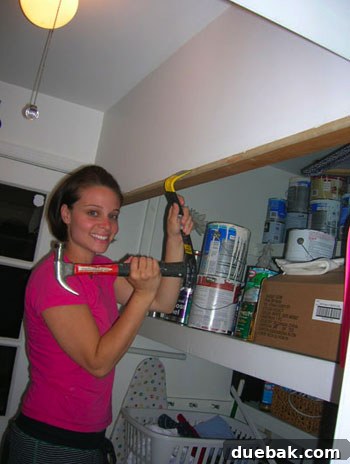
Q: I have a HUGE question for you! My husband and I have now lived in our first house for close to a year. We share your motivation, but are very intimidated by the projects that we’d like to tackle. Neither one of us is super handy, and I guess we’re afraid of “breaking” our little nest. What did you two do to get past the hump of “how on earth do we do this and not cause an even bigger problem in the end?” Thanks! -Amy
A: Amy, your question is absolutely brilliant and resonates with nearly every first-time homeowner! The feeling of apprehension when facing a list of home improvement projects, especially without prior experience, is incredibly common. Many people envision a catastrophic outcome – a broken house, a massive bill, or a project worse than when they started. We understand this fear intimately because, when we first moved into our house just a few short years ago, we were precisely where you are now. We literally had zero fix-it-up experience. I hadn’t even painted trim, and John hadn’t so much as picked up a sledgehammer. So, rest assured, you’re not alone in feeling overwhelmed by the journey of transforming your first house into a home you love.
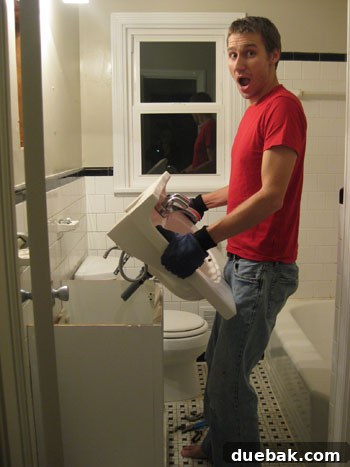
(Looking for inspiration? Check out more details on our bathroom renovation project right here).
Embracing the Learning Curve: Rookie Mistakes and Gaining Confidence
Our initial foray into DIY was far from flawless. We definitely made our fair share of rookie mistakes. For instance, in an eagerness to refresh our entire home, I painted all the trim with white flat paint, only to discover later that a semi-gloss option would have been far more durable and wipeable. This meant a complete do-over, hours of extra work, and a valuable lesson learned the hard way. But that’s precisely the beauty of home improvement: almost everything is fixable, reversible, or can be improved upon. If at first you don’t succeed, you repaint the trim with semi-gloss paint and delve a little deeper into research before tackling the next task. It’s a continuous learning process, and every “mistake” is truly just a stepping stone to a new skill.
What surprised us most was how quickly our confidence and skillset expanded with each project we undertook. The learning curve was truly amazing. We started our blog with the very intention of sharing these tips and tricks with friends and family who, we assumed, were just as clueless as we once were. To this day, our core mission is to empower other DIY novices. By sharing step-by-step tutorials and detailing our journey, we hope to inspire you to gain the confidence to semi-fearlessly tackle your own home, just like we did – and still do! Honestly, if we can transform our house, anyone can. We like to think we made all the early mistakes so you don’t have to, often reminding others who ask for trim-painting advice to use semi-gloss to save them the frustration we experienced.

(Curious about demolition? Discover more details on this project right here).
Start Small, Build Big: A Phased Approach to Home Projects
The great news is that, unlike brain surgery, most home-based projects aren’t a one-shot deal with irreversible consequences. You’re not going to “break” your house with a paint brush or a hammer – it takes something far more significant, like a wrecking ball or a natural disaster, to cause serious damage. So, take comfort in knowing that your efforts are unlikely to lead to complete ruin. The key to building confidence is to start small and gradually increase the complexity of your tasks.
Begin with projects that have a low barrier to entry and offer visible results. Think about painting walls, which is a fantastic way to instantly refresh a room and build comfort with basic tools. Once you’re comfortable, you might move on to painting trickier surfaces like brick or paneling, or even tackle furniture painting. Similarly, switching out light fixtures is a relatively simple electrical task that can make a huge impact before you consider more detailed wiring work. Even before picking up any tools, the most crucial first step is always thorough research. Utilize resources like our How-To page for tutorials, scour Google for instructional videos, or visit your local library for renovation books. This preparation phase is vital; it helps you gain your “sea legs” and understand the process before you even begin, allowing you to grow your confidence and skill level organically to eventually tackle bigger and more ambitious projects.
The Power of Research: Your DIY Compass
Even after years of DIY, we still consider ourselves perpetual learners. Every week, we discover a new technique, a specialized tool, or a more efficient method for a task. Our success heavily relies on the wealth of tutorials and videos readily available online and the extensive how-to books we borrow from the library. There’s virtually no limit to what you can learn by researching and then physically applying that knowledge. That’s when things truly “click” for us, and we can confidently add that skill to our repertoire. We then pay it forward by sharing what we’ve learned, often with satisfying before-and-after photos.
Being well-prepared is never a disadvantage. Imagine planning to knock down a wall with a sledgehammer; it feels far less daunting if you already have a clear game plan for rebuilding afterwards. Understanding the steps involved, anticipating potential challenges, and knowing the necessary materials will transform any intimidating task into a manageable series of actions. This preparation minimizes surprises and maximizes your chances of a successful outcome, paving the way for a smoother, more enjoyable home improvement experience.
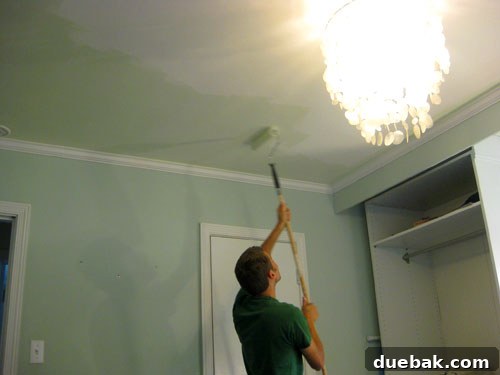
(See the transformation? Check out more details on this particular project right here).
Knowing Your Limits: When to Call in the Experts
Here’s another crucial tip we live by: always consider the worst-case scenario. This isn’t about dwelling on negativity but about having a contingency plan. For example, if you attempt to repaint a dresser and the paint peels, you know you can always sand it down and start over. Or, if a bathroom demolition proves too challenging, you can always hire a handyman to finish what you started. There’s immense comfort in knowing you have a backup plan.
We once learned this lesson firsthand when trying to switch out some simple bathroom fixtures. The old, brittle plumbing unexpectedly sprung a leak. Yikes! In a panic, and without the immediate know-how to fix it ourselves, we called a plumber. And you know what? There is absolutely no shame in calling for reinforcements when a project exceeds your current skill level or turns into something more complex than anticipated. In fact, one of our best money-saving tips is to understand your limits and outsource tasks that are truly beyond your expertise. This approach prevents costly mistakes that would ultimately require professional correction, often at a higher price than if you had simply hired someone from the start.
In our plumbing situation, it turned out the pipes were 50+ years old – original to the house! It was simply time for them to be replaced. While the plumber was there, we opted to have him replace everything behind the walls for a few hundred bucks. The peace of mind knowing everything was up to date and good for another half-century was priceless. Moreover, bringing in an expert when you’re truly in over your head helps maintain momentum and confidence. If we had struggled endlessly with those ancient pipes, we likely would have failed, felt defeated, and perhaps never attempted another plumbing project. By calling for backup, we kept the renovation ball rolling and happily moved on to tackling bigger and better projects in the future, as our plumbing “debacle” wasn’t nearly as bad in the end as it felt in the moment.
The Unsung Benefits of DIY: Savings, Skills, and Satisfaction
For every project that might have you calling in the pros, there are usually dozens of blissfully uneventful ones you can complete yourself. Sure, you might uncover unexpected extra mortar to scrape under those tiles, or using that tile clipper might take three times longer than you anticipated. But these are typically straightforward processes you can easily adapt to. Adding a few extra days to your timeline or a bit more labor than expected to your to-do list is par for the course in home improvement. Most projects will take longer than you initially think, but in the end, the effort is almost always worth it, and you’ll likely save a significant amount of money by doing it yourself. Even skilled contractors and handymen frequently adjust timelines, so delays aren’t unique to DIYers; they simply come with the territory of fixing up a home.
Beyond the financial savings, there’s nothing quite like the chest-swelling pride you get when you realize you accomplished something significant with your own two (or four, in our case!) hands. That confidence we mentioned earlier? It grows exponentially with each successful overhaul. Before you know it, you’ll look around your home and barely recognize the place – in the absolute best possible way. The sense of ownership, the tailored customization, and the intimate knowledge you gain about your living space are invaluable.
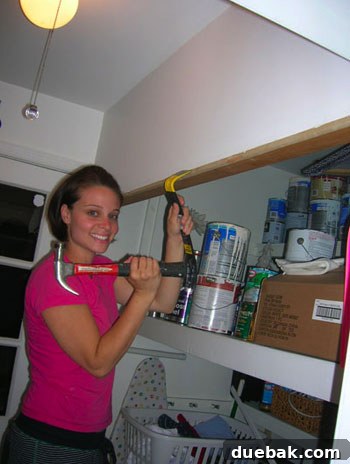
(Ready for a dramatic change? Find out more about this project’s process right here).
Your DIY Action Plan: Shaking Off Intimidation and Building Know-How
In summary, here’s our tested formula for shaking off that DIY intimidation and gaining the know-how it takes to whip your house into shape:
- Start Slow and Grow: Begin with smaller, manageable projects to build your confidence and basic skills before tackling major overhauls. Think painting, swapping light fixtures, or installing shelves.
- Research Extensively: Before you pick up a paintbrush or a hammer, thoroughly research the project. Watch videos, read tutorials, consult books, and understand the steps and potential challenges.
- Embrace Mistakes as Learning: Don’t be afraid to make errors. View them as opportunities to learn and refine your skills. Remember, most home projects are reversible.
- Know Your Limits, Call for Backup: Never hesitate to call in an expert if a project gets overwhelming or requires specialized skills (like complex electrical or plumbing). This prevents burnout and costly mistakes.
The encouraging news is that for every project where we’ve imagined the worst-case scenario (which always involves days of redoing something or calling in someone to “fix” our poor wounded house), we’ve only had a handful of experiences where we actually had to start back at square one or call for reinforcements. Considering we’ve tackled over 300 projects, those are pretty good odds! To date, no vanities have “died” on our watch, and we haven’t truly “broken” our house yet, knock on wood.
One of the greatest things about home improvement is that a lot of it boils down to common sense, and many projects are “what you see is what you get.” For example, if you want to redo a floor and find out it’s not level, there are multiple straightforward ways to remedy the situation (relaying the subfloor, using self-leveling concrete, etc.). So, remember that there’s usually more than one way to achieve your goal, and a little research will often reveal a number of viable and doable options when facing a new challenge. And while you can always call a few handymen for estimates if you’re at the end of your rope, trust us when we say that a high percentage of the time, you can usually solve things yourself with a bit of thoughtfulness, research, and unwavering determination. That’s pretty much how we got our house to where it is today: beyond-stubborn determination paired with plenty of time spent researching beforehand and learning on the job. Good luck and happy reno-ing!
*A little safety suggestion from our experience: Always wear proper closed-toe shoes when taking on home improvement projects! We don’t know what we were thinking in some of our early photos, but we definitely recommend keeping your feet protected, especially for those heavy-duty tasks. Your toes matter!
Psssst- Wanna know more about how we got our house to where it is today and keep the projects flowing? Check out this post about decorating in stages and this one about how to keep from pricing your house out of the neighborhood. Happy renovating!