
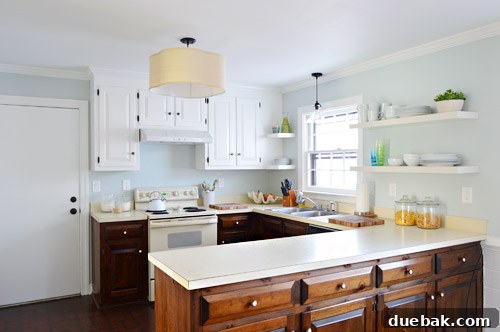
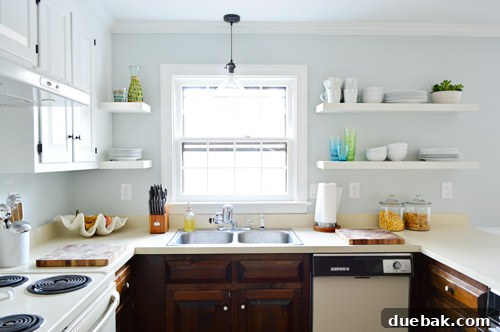
Welcome to our latest home transformation update! While a traditional white Christmas with snow might still be a dream, we recently brought a touch of frosty elegance into our home with a significant kitchen renovation. We’re thrilled to unveil the stunning results of painting our upper kitchen cabinets a brilliant white, a decision that has completely revitalized the heart of our home. This project wasn’t just about a fresh coat of paint; it was about reimagining our space, adapting our plans, and embracing a classic yet modern aesthetic that we absolutely adore. Get ready to dive into the ‘why’ and ‘how’ behind this exciting DIY kitchen cabinet painting journey, a testament to how thoughtful design choices can dramatically enhance your living environment.
The Evolution of a Design Idea: Embracing White for Our Upper Cabinets
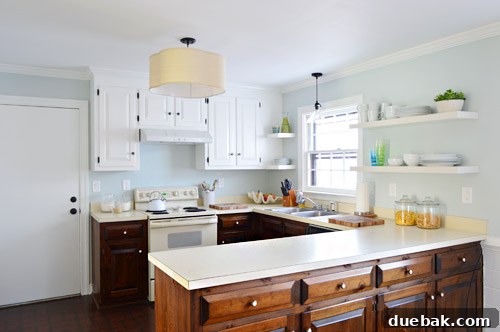
Our kitchen renovation journey has been one of evolving ideas and spontaneous creativity. What started as a plan to paint our upper cabinets a light gray-tan took a delightful detour, leading us back to the timeless appeal of white. Initially, we considered a sophisticated, muted tone for the uppers, aiming for something distinctly different from our previous kitchen’s all-white scheme. However, as the project unfolded, particularly after installing the sleek range hood and stylish floating shelves, the vision shifted. We realized that a clean, crisp white would not only complement these new additions perfectly but also lay a versatile foundation for the rest of our kitchen design. This wasn’t a return to the past, but a conscious decision to leverage the unparalleled brightening and refreshing qualities of white, a choice that has truly elevated the entire space.
From Gray-Tan Aspirations to Simply White Reality
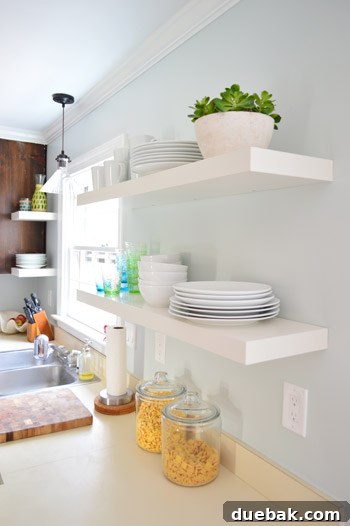
The tide truly shifted for our upper cabinets from a Revere Pewter inspiration to Benjamin Moore’s Simply White, a color widely recognized as one of the most popular white paint colors for good reason. This decision crystallized around the time we installed our modern range hood and mounted the elegant floating shelves. While we initially loved the idea of the white shelves and hood creating a striking contrast against putty-colored upper cabinets, a new concern began to emerge. The prospect of having white elements, putty-colored upper cabinets, and a third, even darker color for the lower cabinets felt like it might create an overly busy or disjointed aesthetic. We were aiming for sophisticated contrast, not visual chaos, and white emerged as the clear winner for creating that seamless, elegant look.
The Crown Molding Conundrum and Our “Tuxedo Kitchen” Vision
A significant factor in our shift to white was the existing crown molding. We found it incredibly challenging to visualize how a colored upper cabinet would integrate with the continuous crown molding that ran along the entire area. Traditional practice dictates that crown molding should match the cabinetry it adjoins. However, with no natural break or indent where our upper cabinets ended, painting just a section of this long piece of crown to match a colored cabinet seemed awkward and inconsistent. We had already grown tired of the mismatched cabinet and crown look from the kitchen’s original state, and perpetuating that theme with a new color simply didn’t align with our desire for a cohesive and polished finish. Choosing white for the upper cabinets gracefully resolved this design dilemma, allowing the crown molding to blend seamlessly and create an expansive, unified aesthetic.
Ultimately, our decision to go with white wasn’t just about practicality; it was also about achieving a cherished design goal: the “tuxedo kitchen” look. This classic style, featuring light upper cabinets and darker lower cabinets, is something we’ve admired for a long time but never quite had the courage to implement. White upper cabinets provide the perfect canvas for this high-contrast aesthetic, allowing us to pursue our vision of deep-toned lower cabinets without any aesthetic compromises. We firmly believe in making design choices that truly resonate with our style, rather than just being different for the sake of it. The timeless elegance of white for the uppers, paired with our upcoming plans for the lowers, ensures a sophisticated and enduring kitchen design that we’ll love for years to come. This combination not only enhances the visual appeal but also contributes to creating a bright, airy, and inviting kitchen environment, a true hub for family life and entertaining.
A Step-by-Step Guide to Painting Kitchen Cabinets White
Now that we’ve delved into the strategic “why” behind our color choice, let’s explore the practical “how” of our kitchen cabinet transformation. While this post offers a comprehensive overview, for those seeking a deeper dive into every minute detail and a wealth of visual aids, we highly recommend referencing our extensive picture-and-video-tastic tutorial from our previous kitchen project, as we largely employed the same tried-and-true techniques. This guide will focus on the broad strokes, essential tips, and key takeaways from our latest endeavor, ensuring you have the knowledge to embark on your own successful DIY kitchen cabinet painting project.
Phase 1: Meticulous Preparation for a Flawless Finish
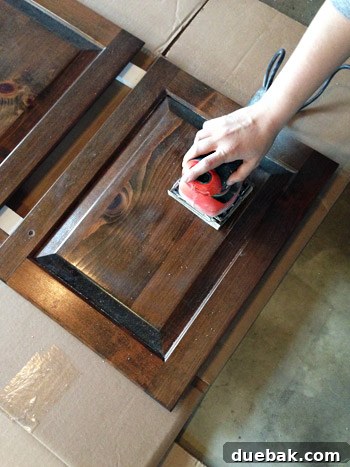
The secret to a durable and professional-looking cabinet paint job lies in thorough preparation. Skipping these crucial initial steps can lead to chipping, peeling, and a less-than-satisfactory finish. We began by carefully removing all the cabinet doors. This allows for easier access to all surfaces and ensures a consistent application of paint. Next, every surface – both the cabinet doors and the frames – received a light yet effective sanding. This isn’t about stripping away the existing finish entirely, but rather about “roughing up” the surface just enough to eliminate any existing gloss and create a better adhesion point for the primer and paint. Sherry meticulously used a hand sander with 150-grit sandpaper on the cabinet doors in the garage, ensuring a smooth and even texture, while I tackled the cabinet frames inside the kitchen with a 150-grit sanding block, paying close attention to corners and edges. This step is vital for ensuring your new paint has a strong bond and a smooth, professional appearance for years to come.
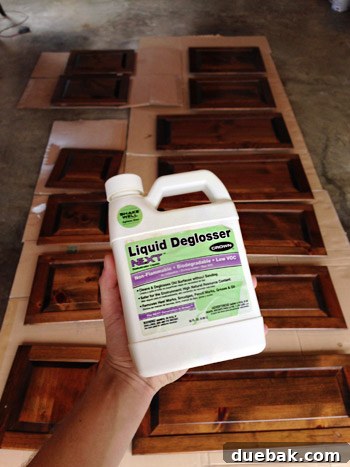
Following sanding, we applied a liquid deglosser to all surfaces. For this, we utilized a low-VOC brand called “Next,” a leftover from our last project (though it might be harder to find at Home Depot now). While technically an optional step, we consider it an invaluable addition to the prep process. Deglossers further enhance paint adhesion by chemically dulling the existing finish, and they are particularly effective at removing any residual grease, grime, or sanding dust that might otherwise compromise the paint’s integrity. A quick wipe-down with this solution not only ensures a perfectly clean surface but also helps collect any lingering sawdust, leaving your cabinets pristine and ready for the next stage. It’s a small step that yields significant long-term benefits for the durability and finish of your painted cabinets.
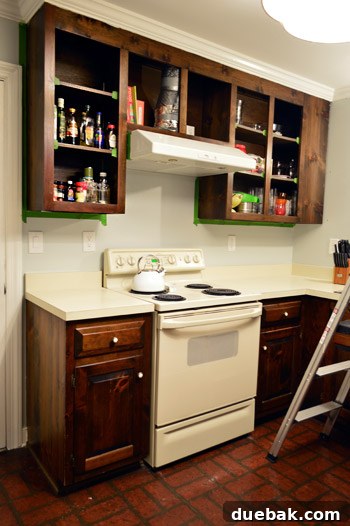
With the surfaces prepped, the next crucial step was protecting the surrounding areas. We meticulously taped off all adjacent walls, countertops, and other fixtures, such as our newly installed range hood, using high-quality painter’s tape. This barrier not only protects these surfaces from accidental paint drips and splatters but also streamlines the painting process, allowing for faster and more confident application of each coat. Investing time in precise taping saves countless hours of tedious clean-up later, ensuring crisp, clean lines and a professional finish around all edges of your cabinets.
Phase 2: Priming and Painting – The Art of Application
With everything prepped and protected, it was time to apply the primer. For the cabinet frames, we opted for a brush and a small foam roller. We chose Kilz Premium primer, renowned for its excellent stain-blocking properties and its no-VOC formula, making it a safe choice for indoor use. Two coats of primer were applied to ensure complete coverage and a solid base for the paint. Sherry, our resident “cutter-inner,” expertly handled the brushwork around the edges and intricate areas using a short-handled 2-inch angled brush. I followed closely behind with the foam roller, rolling over the brushed edges to smooth out any brushstrokes and achieve the most seamless, factory-like finish possible. This collaborative approach ensures that every inch of the cabinet frames is thoroughly coated and prepared, setting the stage for a truly stunning final result.
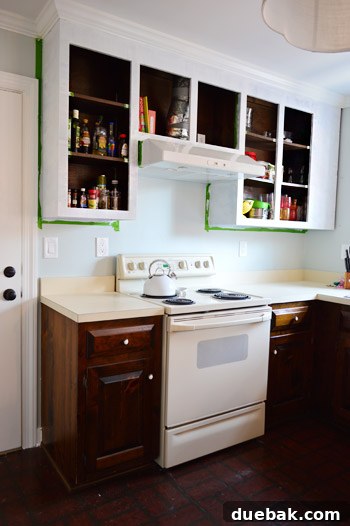
While a paint sprayer offers undeniable advantages for achieving a smooth finish, we made a conscious decision to paint the interior cabinet frames by hand. The sheer amount of taping, masking, and drop-cloth deployment required to protect not just the kitchen but also the three adjoining rooms from paint overspray simply didn’t seem practical or worth the effort. Moreover, considering a pregnant lady and a three-year-old were sharing the space, avoiding the fine paint mist that often lingers after spraying was a high priority for health and comfort. This trade-off between speed and convenience versus thorough protection and air quality led us to choose the more laborious but safer hand-painting method for the indoor components.
However, the paint sprayer proved to be an invaluable tool for priming and painting the cabinet doors outside in the garage. Rain prevented us from spraying outdoors, so our garage became a temporary, well-ventilated paint booth. I set up an efficient station where I could prime and paint one door at a time, then carefully lay them out to dry. For anyone considering using a sprayer for cabinet doors, it’s an excellent method for achieving a beautifully smooth, factory-like finish with less physical effort than traditional brush and roller techniques. A word of caution: if you’re new to spraying, practice on a few scrap pieces first. Mastering the technique to avoid drips and achieve an even coat takes a little time, and you definitely want your cabinets to be a masterpiece, not a learning curve.
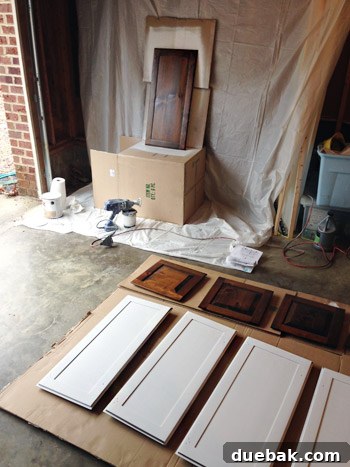
The spraying process itself was quite fast, but patience is key. After applying the first coat, a full 24 hours of drying time was essential before flipping the doors and repeating the process on the other side. While the application was swift, the waiting period for the thick coverage to dry thoroughly, combined with the diligent cleaning of the sprayer between daily coats, meant it wasn’t the breeziest process in the world. Nevertheless, it undeniably saved a significant amount of time compared to the multiple coats and meticulous brushwork required for the frames painted by hand indoors. The smooth, even finish achieved with the sprayer makes it a worthwhile endeavor for the cabinet doors.
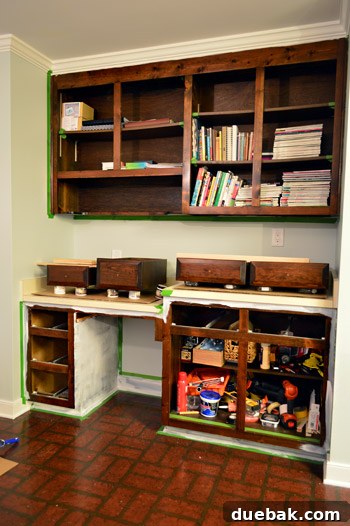
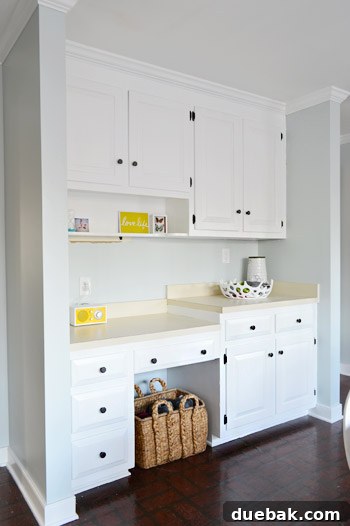
In the kitchen’s desk area, we also decided to paint the lower cabinetry white. Both Sherry and I felt this section functioned as a unified unit, similar to a hutch, making it a natural extension of the upper white cabinets, unlike the peninsula which we envisioned with darker lower cabinets. This meant hand-painting the six drawer fronts as they were not detachable from the drawers themselves – a common challenge with older cabinetry where many elements are surprisingly non-removable. For instance, the interior shelves often don’t pop out; removing them would require literal demolition of the frames. The image below captures this desk area after its initial coat of primer, showcasing the preparatory stages of this integrated piece.
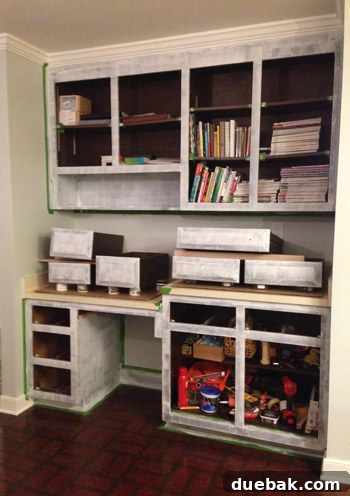
A note on our interior cabinet approach: much like our last kitchen renovation, we opted to paint both sides of the cabinet doors but intentionally left the inside of the cabinets unpainted. We believe the natural wood tone on the interior, contrasting with the crisp painted doors, can create a beautifully clean and appealing aesthetic when executed meticulously. Based on lessons learned from painting the trim in this very room, we decided to apply two coats of primer. However, as you can observe in the images, even two coats still showed some patchiness, underscoring the importance of thorough coverage. You can also spot how we used small pieces of painter’s tape to precisely block paint from adhering to the fixed shelves, ensuring a sharp, clean division and a polished look.
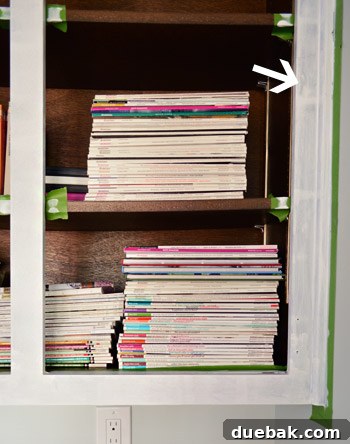
In the end, the areas we painted by hand required two coats of primer followed by three coats of paint. For our topcoat, we chose Benjamin Moore Advance in Simply White. This paint is a favorite for cabinet projects due to its exceptional durability, self-leveling properties (which minimize brushstrokes for a smoother finish), and its low-VOC, non-oil formula that’s specifically designed for cabinetry. For comparison, the cabinet doors that were sprayed in the garage achieved excellent coverage with just one coat of primer on each side and a single coat of paint. While spraying consumes more paint due to the thicker application, it delivers a remarkably smooth, factory-like finish, provided you take care to avoid drips and runs. This stark contrast highlights the efficiency of spraying, even when factoring in the time required for cleaning the sprayer between coats – it’s often significantly faster than the multi-coat process needed for hand-painted sections. However, the decision to hand-paint the frames was ultimately about avoiding the pervasive fine mist of paint and primer that would have necessitated taping off the entire room and lingered in the air for an extended period, which wasn’t ideal for our household.
The Project Timeline: A Week-Long Kitchen Makeover
This comprehensive update spanned a full week, a testament to the dedication required for a quality finish. Our schedule was carefully orchestrated to ensure ample drying time and optimal results:
**Day 1:** Dedicated to sanding all surfaces, thoroughly deglossing, and applying the first coat of primer.
**Day 2:** Application of the second coat of primer, building a solid foundation.
**Day 3:** The exciting first coat of paint was applied.
**Day 4:** A second coat of paint to enhance color depth and durability.
**Day 5:** The final, third coat of paint (for hand-painted sections) ensuring a flawless, lasting finish.
**Day 6:** A full day dedicated to curing and drying, a crucial step for paint hardness.
**Day 7:** The grand finale – re-hanging all the cabinet doors and installing the beautiful new hardware.
This meticulous timeline, although requiring patience, guarantees a professional and long-lasting kitchen cabinet transformation.
Hardware: The Finishing Touch on Your Kitchen Renovation
No kitchen cabinet refresh is complete without an update to the hardware, and ours was no exception. The original hinges sported a tired brass color, which we knew wouldn’t complement our new white cabinets. We decided to transition to oil-rubbed bronze (ORB) hinges, embracing the idea of contrasting hardware for a sophisticated look – a departure from the brushed nickel we’d used in our previous two kitchens. To ensure the durability of the paint on these moving parts, we first prepped them with a “clean metal primer.” We’ve heard fantastic things about this specific product’s ability to adhere to metal and protect against wear, especially on high-traffic items like hinges. We’ll definitely keep you updated on how they hold up over time!
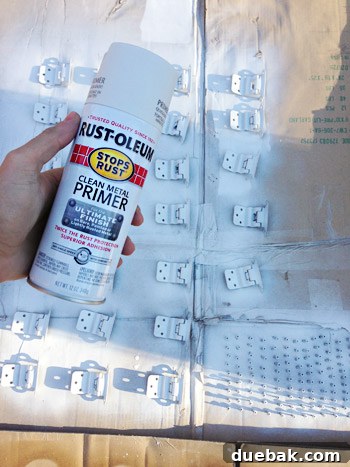
Once the primer dried, the oil-rubbed bronze paint went on smoothly, and so far, the hinges look fantastic and function perfectly – no gumminess, grinding, or peeling issues to report. For an investment of about $11, this hinge update has proven to be incredibly worthwhile, significantly upgrading the aesthetic and feel of our cabinets. Our ultimate dream is to install hidden hinges for a truly seamless look, but given the half-sunk nature of our cabinet doors (for which off-the-shelf hidden hinges are not readily available or inexpensive), that aspiration will be reserved for a future Phase 2 of our renovation. For now, we are delighted with the immediate impact and quality of our current solution.
Beyond the hinges, we also updated the cabinet knobs. We weren’t particularly fond of the shape and intricate detail on the original brass and white knobs, so instead of trying to salvage them by painting, we opted for a fresh start. We picked up several boxes of the same charming Target octagon knobs that we used in our master bathroom. At under $2 each, these knobs offer an incredibly budget-friendly way to inject style and personality into the kitchen. Their simple yet elegant design perfectly complements the clean lines of our newly painted white cabinets, creating a cohesive and contemporary look throughout the space.
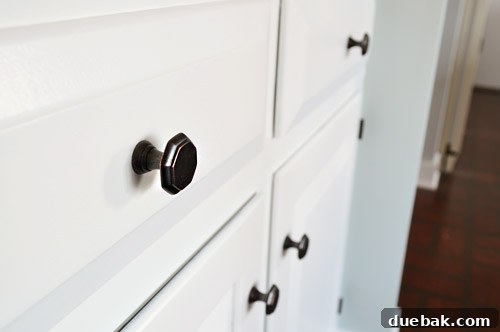
We absolutely love the high contrast these darker knobs create against the bright white cabinets. This aesthetic choice is a theme we find ourselves increasingly drawn to in our home’s design. You can see this preference reflected in other projects, such as our bold stair runner, the striking stenciled bathroom floor, and our sophisticated dark vanity. This consistent design thread helps to tie our home together, creating a sense of intentionality and modern elegance that feels deeply personal and truly like us. The fresh, crisp white cabinets paired with the dark, contrasting hardware now serve as a cornerstone of this evolving aesthetic in our kitchen.
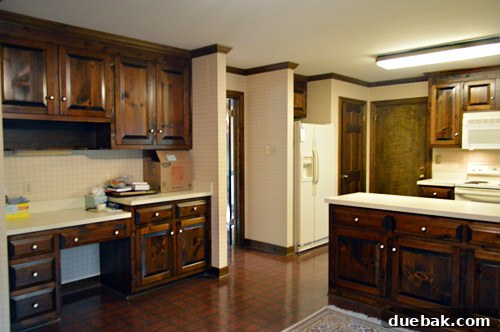
Ahhh, with the upper cabinets beautifully transformed, our kitchen already feels so much more like home! It’s incredible how much a fresh coat of white paint can brighten and modernize a space. For now, we’ll gracefully overlook the faux brick floor, the aging countertops, and the off-white appliances – knowing that these too are on our renovation agenda for future phases. Each completed project brings us closer to our dream kitchen, and this significant step with the upper cabinets has truly renewed our excitement and vision for what’s to come. The transformation is already dramatic, and we can’t wait to tackle the next challenge and bring more elements of our ideal kitchen to life.
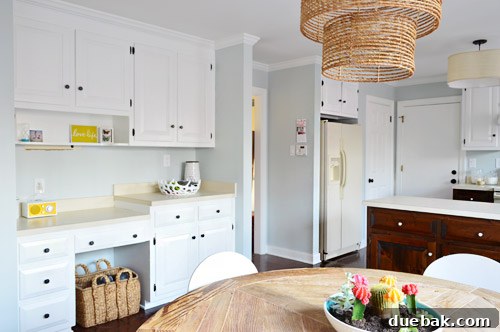
Before & After: Witnessing the Transformation
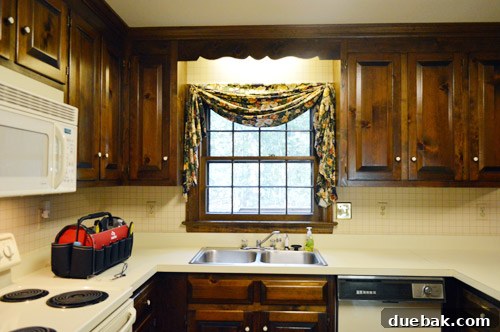
The “before and after” photos truly encapsulate the remarkable impact of this cabinet painting project. From this vantage point, the difference in the sink area is nothing short of astounding. Let’s take a look back at what this space looked like on inspection day, offering a stark reminder of its original state and the journey it has undergone.
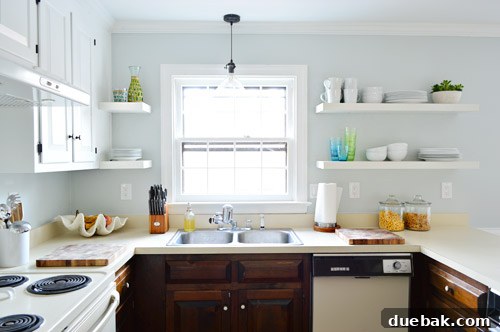
And now, behold the same angle, revealing a kitchen that feels exponentially brighter, cleaner, and more contemporary. The fresh white cabinets infuse the space with an airy elegance, making it feel larger and more inviting. This striking transformation underscores the power of paint and thoughtful design choices in completely redefining the ambiance and functionality of a kitchen. It’s not just a new coat of paint; it’s a whole new mood, a new energy, and a significant step closer to our dream home.
What’s Next for Our Kitchen: The Lower Cabinets Dilemma
With our upper cabinets beautifully transformed, our attention now shifts to the lower cabinets, a phase where our plans are once again taking an unexpected turn. You might recall that we initially envisioned a deep, stone-colored paint for them, as mentioned here. However, as hinted at the beginning of this very post, our latest inclination is leaning towards wood stain rather than paint. Now that the uppers are a pristine white, we are truly captivated by how the existing warm wood tones play off them. This contrast has sparked a new vision, making us feel less “paint-y” and much more “stain-y” for the lower cabinetry. Ah, yes – the plot thickens! We’re excited about this potential shift to embracing natural wood tones, which could add a rich, organic warmth to balance the crisp white uppers, creating an even more dynamic and sophisticated aesthetic. Stay tuned to see how this next chapter of our kitchen renovation unfolds!
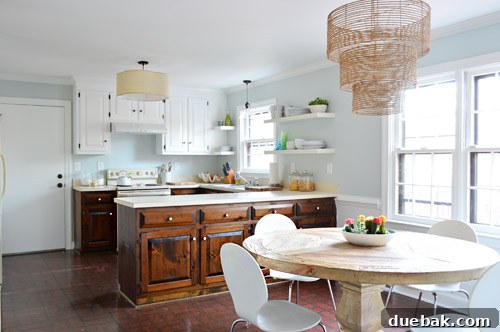
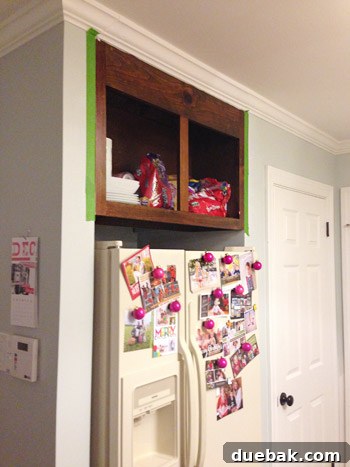
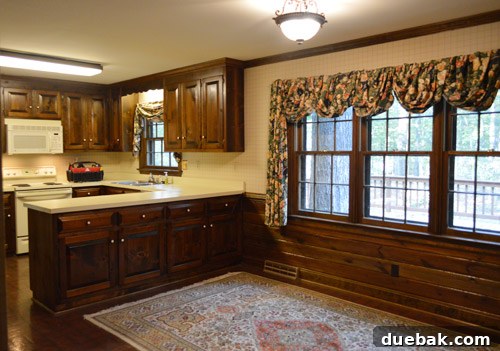
And just for a bit of perspective and fun, here’s one more throwback shot of our kitchen before we even moved in. It serves as a powerful reminder of how far this space has come. It’s truly amazing what a series of thoughtful, affordable updates can achieve – from the arduous task of stripping wallpaper and removing a few outdated cabinets to the strategic installation of open shelving, and, of course, the transformative process of priming and painting the cabinets. Each step, no matter how small or challenging, contributes to creating a home that reflects our style and brings us joy. This journey underscores that a dream kitchen doesn’t always require a complete gut renovation; often, it’s the culmination of well-executed DIY projects that make the most profound difference.
We’d love to hear from you! Did anyone else dive into some significant home improvement projects over the Christmas week? Or are you just going to make us delightfully jealous and confess that you spent the week indulging in cookies and rewatching “Elf” on repeat? Share your holiday stories and DIY triumphs (or delicious defeats!) in the comments below. We always enjoy connecting with our community and hearing about your own home adventures!
Psst- If you’re looking for more of Sherry’s musings, head over to Young House Life where she’s chatting about everything from New Kids On The Block nostalgia to thoughtful teacher gifts.