
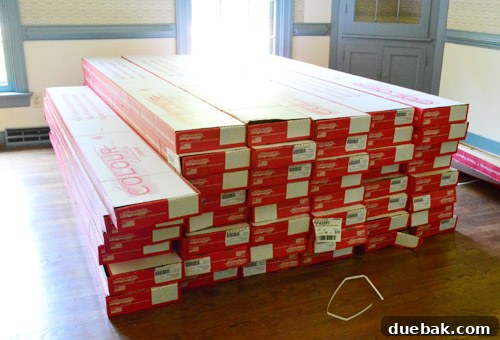
The journey to breathtaking hardwood floors is often paved with dedication, patience, and a bit of elbow grease. While the vision of elegant, seamless wood flooring flowing through your home is captivating, the reality of its installation can be quite the undertaking. Yet, for many homeowners, the enduring beauty and warmth of solid oak make every moment of effort worthwhile. The transformation from an empty, uninspiring space to a foundation of timeless sophistication is truly gratifying, proving that investing time in laying quality wood floors is an investment in your home’s character and value.
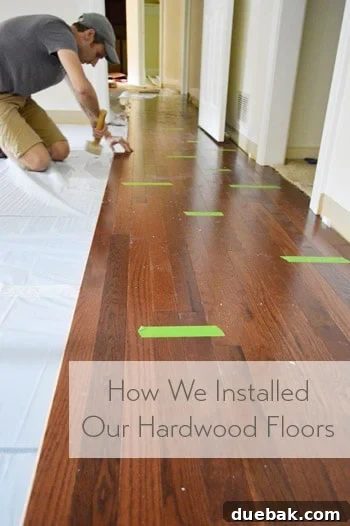
Our recent project involved bringing this classic elegance to the upper level of our home. Imagine the delight of stepping onto newly installed solid oak, a stark contrast to the existing dusty paths that once marked the transition from Clara’s room. The finishing touches of sweeping away the last remnants of construction dust reveal not just a new floor, but a renewed sense of home. This commitment to detail, though sometimes messy, underpins the ultimate satisfaction of a DIY endeavor. The outcome, a pristine and inviting living space, underscores the significant impact of careful planning and execution in home renovation projects.
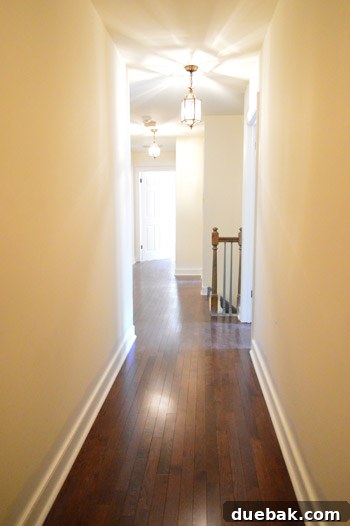
Our decision to install solid oak hardwoods in the four bedrooms and the upstairs hallway was a deliberate one, driven by a desire for aesthetic continuity and long-term durability. Many areas downstairs, including the stairs, already featured beautiful medium-toned oak, providing a consistent flow throughout the house. This choice of solid oak planks was also influenced by our past positive experiences with similar flooring in our first home, which proved incredibly resilient and forgiving in a bustling household with kids and pets. We aimed to replicate that same level of quality and timeless appeal in our new upstairs spaces. However, our plans hit a snag almost immediately upon examining the existing foundation: the subfloor.
Navigating the Subfloor Challenge: The Particle Board Predicament
As we prepared for our hardwood floor installation, a significant hurdle emerged in the form of our existing particle board subfloor.
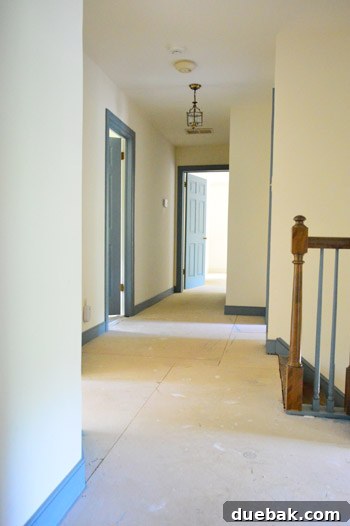
Particle board subfloors, composed of wood particles glued together, are notoriously unreliable when paired with nail-in hardwood flooring. Unlike plywood, particle board lacks the structural integrity and density to securely hold nails, leading to potential issues such as squeaks, movement, and board separation over time. Some homeowners brave the installation regardless, sometimes without immediate problems, but many encounter significant headaches down the line. Due to this inherent unpredictability and the risk of poor performance, most hardwood manufacturers void their product warranties if installed directly over particle board. This was a risk we were absolutely unwilling to take, especially after investing in high-quality solid oak. Our initial research presented us with three less-than-ideal options, each with its own set of compromises.
- Option 1: Switching to Floating Floors. This path involved returning our carefully selected nail-down flooring and opting for a floating floor system. We had already fallen in love with the specific oak planks we chose, appreciating their color, grain, and how well they matched our existing downstairs hardwoods and stairs. The available floating floor options simply didn’t offer the same aesthetic appeal or the seamless match we desired. The thought of starting the selection process anew and compromising on our vision was highly unappealing, especially after the effort involved in acquiring our preferred wood.
- Option 2: Removing the Particle Board. The prospect of tearing out the entire particle board subfloor to expose the (hopefully) plywood underneath was daunting. This would have been an incredibly labor-intensive process, as the particle board extended under all door jambs and integrated seamlessly into the existing structure. Beyond the immense physical effort, removing it would also lower the overall floor level, creating awkward transitions into bathrooms and necessitating modifications to door heights. Furthermore, the particle board had originally been installed, in part, for its sound-deadening properties. Removing it would mean sacrificing this benefit, resulting in a potentially loud and echo-ey upstairs environment—a scenario we were determined to avoid for comfort and privacy.
- Option 3: Installing Plywood Overlay. A third consideration was to install a new layer of plywood directly over the existing particle board. While this would provide a stable nailing surface, it came with its own set of challenges. This approach would significantly raise the floor level, requiring us to trim down all upstairs doors and potentially create an uncomfortably high top step on the stairs. This solution also meant a substantial increase in material costs for the plywood itself, in addition to the extra labor involved in its installation. Each of these conventional options presented significant drawbacks, leading us to seek an alternative that would preserve our chosen flooring, maintain floor heights, and ensure a durable, quiet installation.
Discovering Elastilon: The Innovative Underlayment Solution
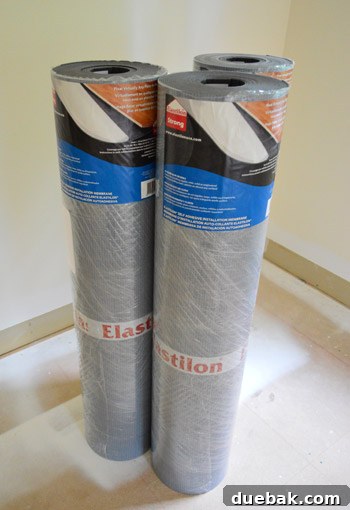
Just when we thought we were out of viable options, a conversation with a knowledgeable representative at Lumber Liquidators opened up a fourth, far more promising solution: Elastilon underlayment.
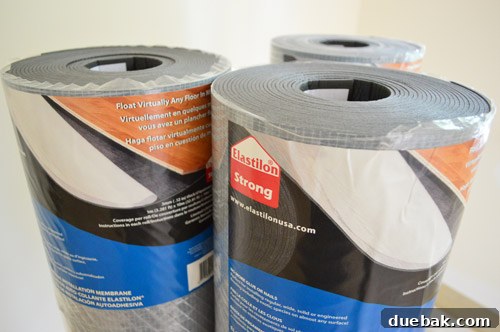
Initially, we were cautious, as this was an unfamiliar product. However, the more we learned about Elastilon, the more it resonated as the perfect answer to our unique subfloor dilemma. Developed over a decade ago in Europe, Elastilon technology was specifically engineered to facilitate hardwood installation over difficult, un-nailable surfaces such as concrete slabs or even existing tile. It functions much like a traditional underlayment, providing a cushion and sound barrier, but with a critical difference: it’s self-adhesive. This means your wood flooring planks adhere securely to the Elastilon surface, essentially creating a giant, flexible glue mat, eliminating the need for nails or conventional liquid adhesives.
Our initial skepticism quickly gave way to excitement after delving into numerous positive reviews and watching detailed installation videos. The process appeared remarkably straightforward, making us confident in our ability to tackle it ourselves. Here’s what truly sold us on Elastilon, beyond its ability to solve our particle board issue:
- Lifetime Warranty: This provided immense peace of mind. A lifetime warranty guarantees the underlayment will last as long as the hardwoods themselves, securing our investment for decades.
- Elasticity and Movement Control: One of Elastilon’s most significant advantages is its inherent elasticity. Unlike rigid nailing or traditional gluing, Elastilon allows the hardwood planks to expand and contract naturally with seasonal changes in temperature and humidity. This flexibility is crucial in preventing common problems like unsightly gaps between boards, cupping, warping, or even cracking—issues that often plague conventionally installed floors.
- Simplified Installation, No Nailer Required: The ability to install hardwood without a specialized nailer was a huge draw. All we needed was an exacto knife and basic woodworking tools. This saved us the considerable expense of purchasing or repeatedly renting a pneumatic nailer, streamlining the tool list for a DIY project. While we secretly wished to try out a nailer, the cost and complexity savings outweighed that minor desire.
- Non-Toxic and Odor-Free: As an adhesive product, its non-toxic, no-VOC (Volatile Organic Compounds), and odor-free composition was incredibly important for indoor air quality. Knowing we weren’t introducing harmful chemicals or strong odors into our home, particularly in bedrooms, was a major advantage for our family’s health and comfort.
The primary drawback of Elastilon was its price point, which was approximately $100 more per roll compared to the high-quality sound-deadening underlayment we initially planned to use. However, when weighed against the costs and compromises of our other options—such as returning the wood, extensive subfloor removal, or adding an expensive plywood overlay—the extra investment in Elastilon became entirely justifiable. In the end, we spent about $500 more than our original underlayment budget. Yet, these costs were largely offset by avoiding the need for a nailer, benefiting from a 10% discount on our entire order, and most significantly, bypassing a hefty $4,000 professional installation charge by undertaking the project ourselves. Considering the benefits and the avoided expenses, Elastilon proved to be a cost-effective and superior solution for our DIY hardwood flooring project.
The DIY Hardwood Floor Installation Process with Elastilon
As anticipated, getting accustomed to working with Elastilon took a bit of practice. However, once we found our rhythm and mastered the technique, the installation became a surprisingly swift and efficient process. Proper preparation is key, so we ensured our floors were thoroughly cleaned and completely dry before beginning.
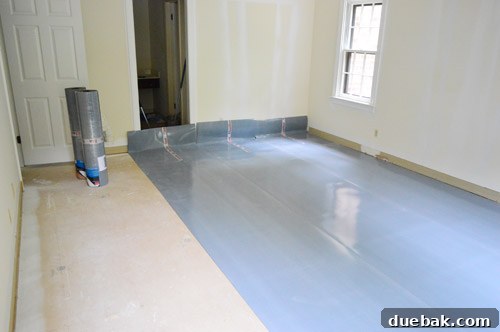
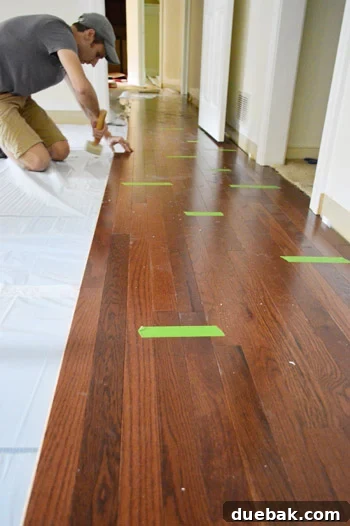
Following the instructions carefully, we rolled out the Elastilon across the room, leaving a slight excess flap along one of the walls. This flap plays a critical role in the initial securing process.
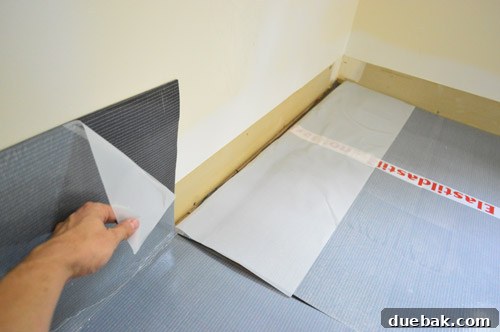
Next, we peeled back the protective plastic layer from this excess tab. Using a sharp utility knife, we carefully trimmed off the exposed sticky underlayment (the black portion), leaving only the plastic flap. This removed sticky rectangle of Elastilon was set aside, while the plastic flap itself became an essential component for securing our first row of hardwood.
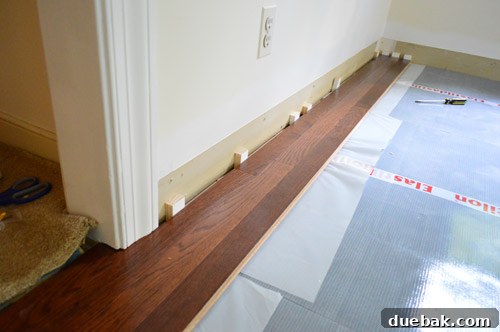
Laying the very first row of hardwood planks is arguably the most crucial step, as it dictates the straightness and overall alignment of your entire floor. Given that drywall often has subtle inconsistencies, relying solely on the wall as a guide can lead to crooked results. To counteract any wall imperfections, we meticulously selected some of the longest and straightest boards available for our initial run. These were temporarily placed against the wall, alongside small scrap wood spacers. These spacers are vital for maintaining a consistent expansion gap around the perimeter of the room, allowing the wood to naturally expand and contract with environmental changes without buckling. To further ensure accuracy, we opted to lay our first row along the longest possible wall, extending it seamlessly into the hallway. This strategy allowed us to dry-fit a significant number of boards before any permanent adhesion, ensuring perfect alignment and preventing any wonky aesthetics from the outset.
Once we were absolutely satisfied with the straightness and fit of our first few rows, it was time for permanent adhesion. This is where the initial plastic flap came into play. By slowly pulling on this flap, we progressively exposed the sticky Elastilon under the precisely positioned floorboards. As the bottom of each board made contact with the exposed adhesive, it was permanently secured to the underlayment.
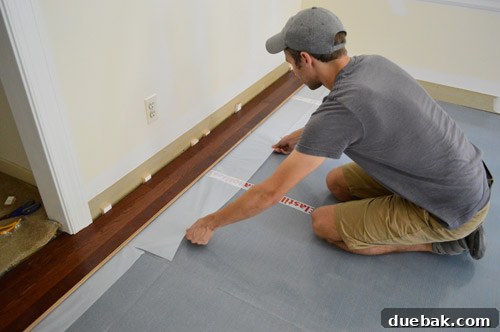
The moment those boards touch the Elastilon, they are truly locked in place. It often requires significant force—a good yank, or even a pry tool—to dislodge them, providing immense confidence in the long-term hold and stability of this system. From this point, the process became a steady, rhythmic cycle: lay a couple of rows, ensuring a tight fit, then carefully peel back the plastic backing to secure them, and move on to the next section. The boards themselves, featuring a classic tongue and groove design, simply slid together. We used a rubber mallet and a tapping block to gently but firmly tap each plank snugly into its neighboring piece, eliminating any gaps between boards.
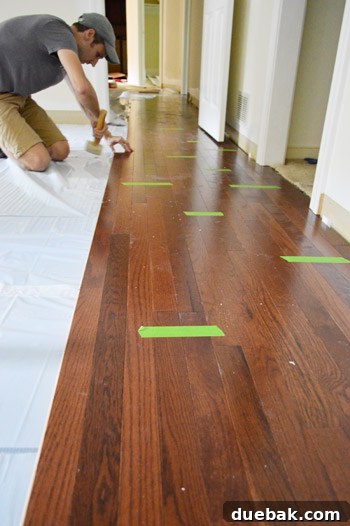
To further enhance the stability and longevity of our flooring, we followed the manufacturer’s recommendation to apply a small bead of wood glue along the end groove of each plank before joining them. This extra step helps to create a more unified and robust floor, minimizing any potential for movement at the butt joints.
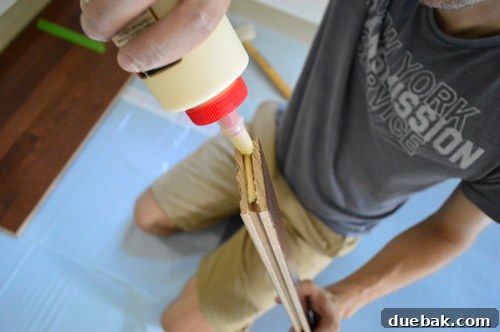
Additionally, we periodically taped the newly laid boards together across rows. This recommended practice serves as an extra precaution, preventing any accidental slipping or shifting of the planks during the active installation process. For a two-person team, an efficient workflow emerged: one person could focus on grabbing boards, applying the bead of glue to the end groove, and handing them to the other installer. The second person would then click them into place and use the rubber mallet for a tight fit. The “glue duty” person could also periodically pull back the Elastilon’s plastic backing every few rows and apply the temporary tape, ensuring a continuous and secure installation. This division of labor, which we rotated every few hours to prevent fatigue, allowed us to maintain consistent progress and precision throughout the project.
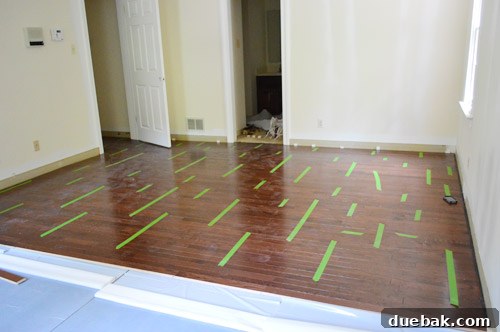
The culmination of this careful process resulted in a flooring system that is not only incredibly tight and gap-less but also possesses the crucial flexibility to adapt to natural temperature fluctuations without succumbing to cracking or warping. This durable, resilient floor is designed to outlast us, a testament to the innovative Elastilon system and meticulous DIY effort!
Overcoming Challenges and Reveling in the Finished Floors
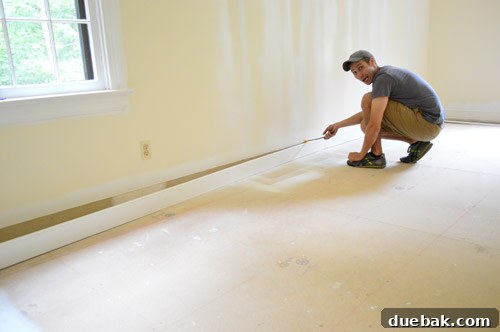
Despite the simplicity of the Elastilon installation method, it’s crucial to manage expectations regarding speed. “Easy” doesn’t necessarily mean “quick.” Our first bedroom, which was the largest and our initial foray into this specific process, took us a solid 10 hours to complete over two days, while my parents graciously looked after Clara. This initial pace didn’t exactly fill us with confidence about rapidly finishing the entire upstairs. As is often the case with DIY projects, unexpected curveballs inevitably arise.
One such challenge involved our baseboards. We had initially hoped to leave them in place, installing the new hardwoods up to them. However, upon closer inspection, we realized that losing approximately 3/4″ of the baseboard’s visible height behind the new flooring would make them appear disproportionately short and unappealing. Furthermore, we discovered that neither quarter round trim alone nor baseboards alone would adequately cover the required expansion gap for our hardwoods, which is essential to maintain the warranty and prevent future issues. Consequently, we made the necessary, albeit extra, decision to carefully pry up all our existing baseboards. This meant resigning ourselves to the additional task of reinstalling them later, accompanied by quarter round molding to neatly conceal the expansion gap. While a bit disheartening to add more steps to the project, the good news was that the baseboards were already painted, necessitating only minor touch-ups after reinstallation. Such unforeseen adjustments are a common aspect of hands-on home improvement, emphasizing the importance of flexibility and thorough planning.
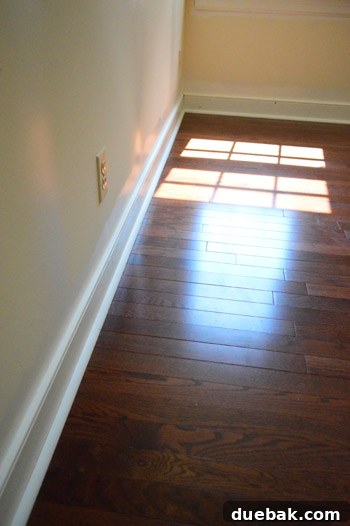
The good news is that our persistent efforts paid off significantly over a long weekend and subsequent evenings. We triumphantly completed the flooring installation. We even managed to reattach the baseboards and install quarter round trim in most of the rooms already, marking a major milestone in our renovation journey. The newly installed solid oak floors look absolutely awesome, exuding a sense of quality and craftsmanship, and they feel incredibly solid underfoot, a testament to the Elastilon system’s robust hold.
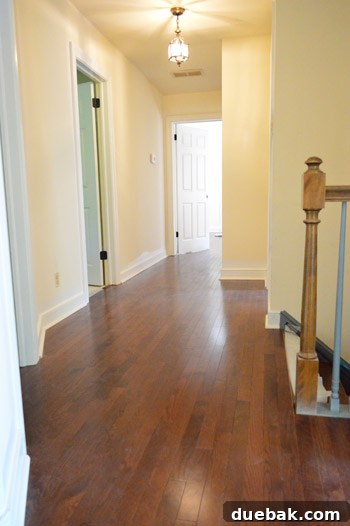
The transformation from the old, worn carpet to these magnificent hardwoods is truly remarkable. The difference in aesthetic appeal, cleanliness, and overall feel is night and day.
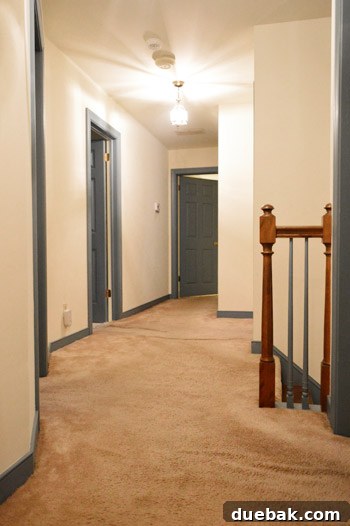
One of the most cherished aspects of our new flooring is its seamless integration throughout the entire upstairs. The solid oak now flows uninterrupted through all four bedrooms and extends elegantly down the long hallway. This continuous design means there are no awkward transitions or thresholds where the wood meets any interior doorways, creating a visually expansive and cohesive look. The only exceptions are the two tiled bathrooms, where natural transitions were required. This smooth, unbroken expanse of wood greatly enhances the clean lines and spacious feel of the upper level, offering a stark improvement over the segmented appearance of individual rooms with separate flooring. It truly creates a harmonious and sophisticated aesthetic that we absolutely adore.
Our timeline was tight, with moving day scheduled for this Saturday and Sunday, so we literally eked out the completion of these floors just in time. All that remains on our extensive to-do list is the final push of packing our belongings and getting everything moved into our beautifully updated home this weekend. The physical effort and mental focus on laying countless planks have been so intense that we both find ourselves “seeing” rows of wood floating before our eyes when we close them at night—seriously, we’re having vivid dreams about the repetitive motion of laying rows upon rows! It’s a sure sign of a major project brought to a successful, albeit dream-inducing, conclusion.
PS- For those tackling tricky installation scenarios, we’ve put together a detailed follow-up post that delves into specific challenges like managing transitions, navigating angled walls, cutting around door jambs, and ensuring a perfect interface where the wood meets the top of the stairs.
More Flooring Projects and Inspiration
If you’re embarking on your own flooring journey or simply seeking inspiration, we encourage you to explore our comprehensive collection of other flooring projects and guides. Each post offers practical advice, detailed steps, and personal insights gleaned from our experiences, designed to help you confidently tackle your next home improvement venture.
- Refinishing Hardwood Floors 101: A Complete Guide
- How To Install Hardwood Flooring Yourself: Step-by-Step DIY
- How To Select Hardwood Flooring: Choosing the Right Wood for Your Home
- How To Install Click-And-Lock Cork Flooring: An Eco-Friendly Option
- How To Paint A Floor: Durable Finishes for Porches and Beyond
- How To Stain A Concrete Floor: Adding Character and Color
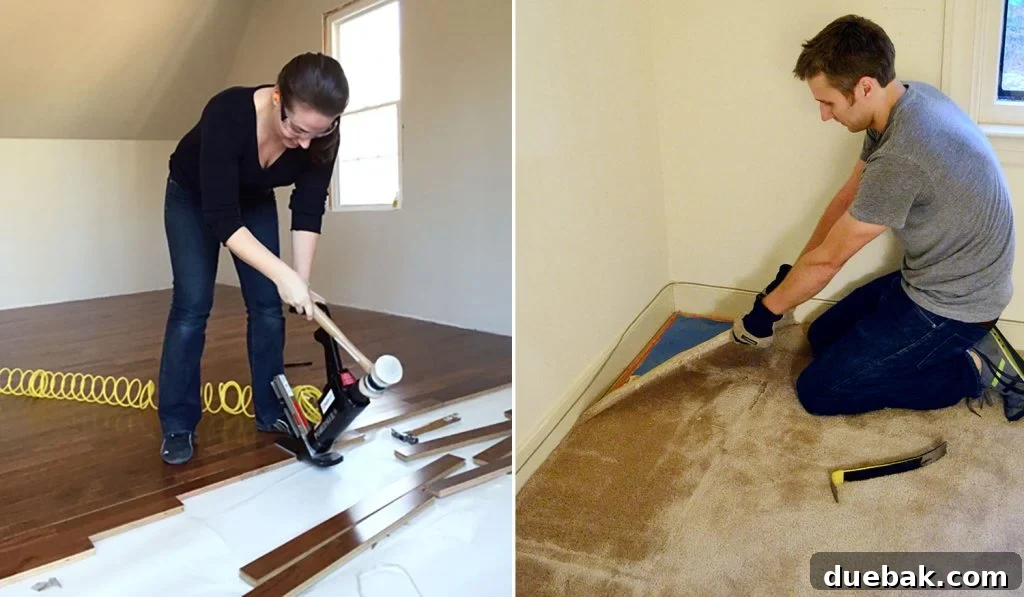
- How To Remove Carpet: A Guide to Prepping for New Floors