
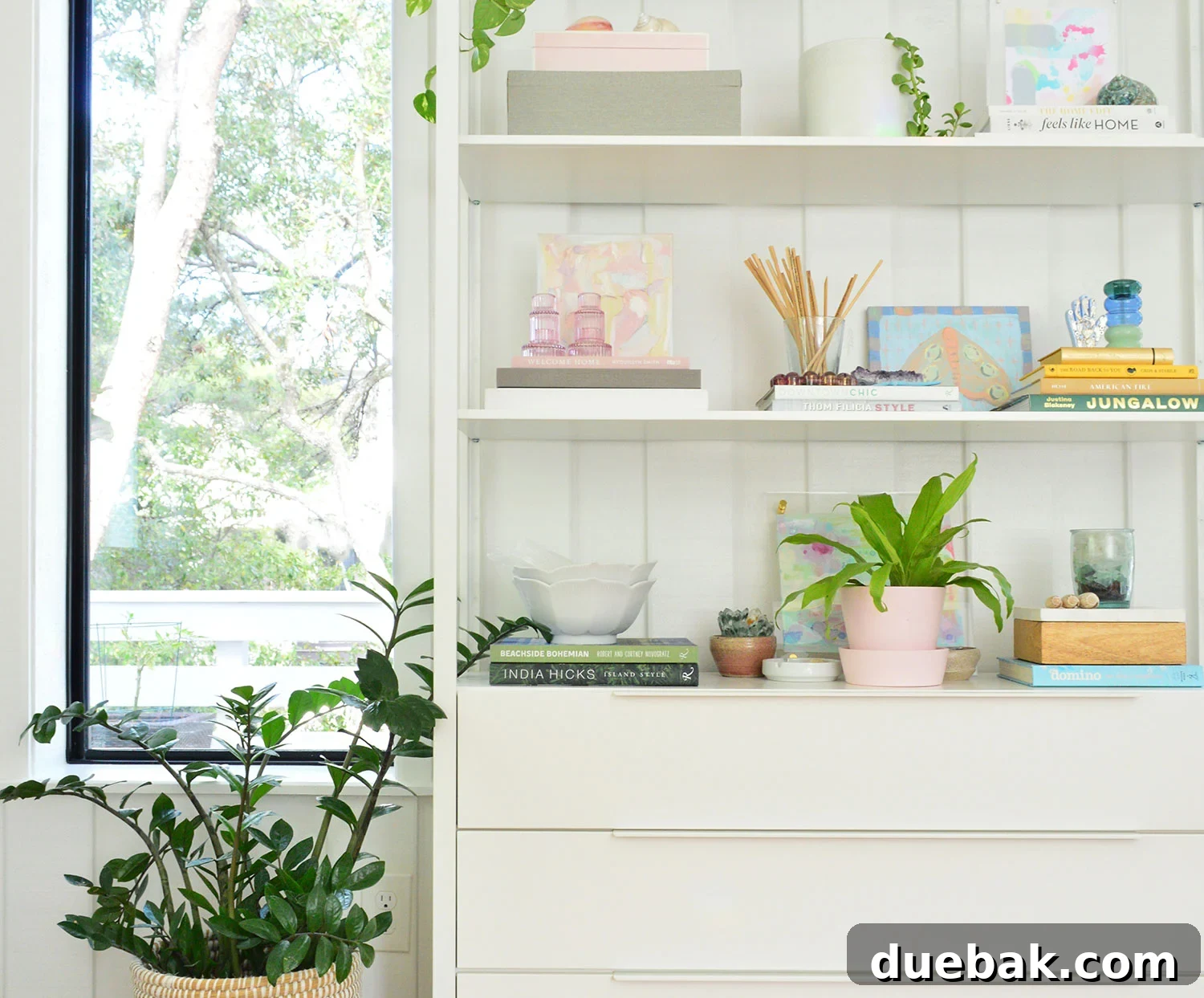
In the quest for a healthier and more inviting home, many of us turn to the natural beauty of houseplants. For years, the idea that these leafy companions can significantly purify our indoor air has been a popular belief, often attributed to pioneering research. While we certainly embrace every opportunity to fill our homes with vibrant greenery, it’s essential to understand the true capabilities and benefits of these cherished plants. This comprehensive guide will delve into the science behind houseplants and air purification, reveal the real advantages they offer, and provide practical strategies for maintaining optimal indoor air quality. Get ready to explore our top recommendations for beautiful, low-maintenance plants that genuinely enhance your living space.
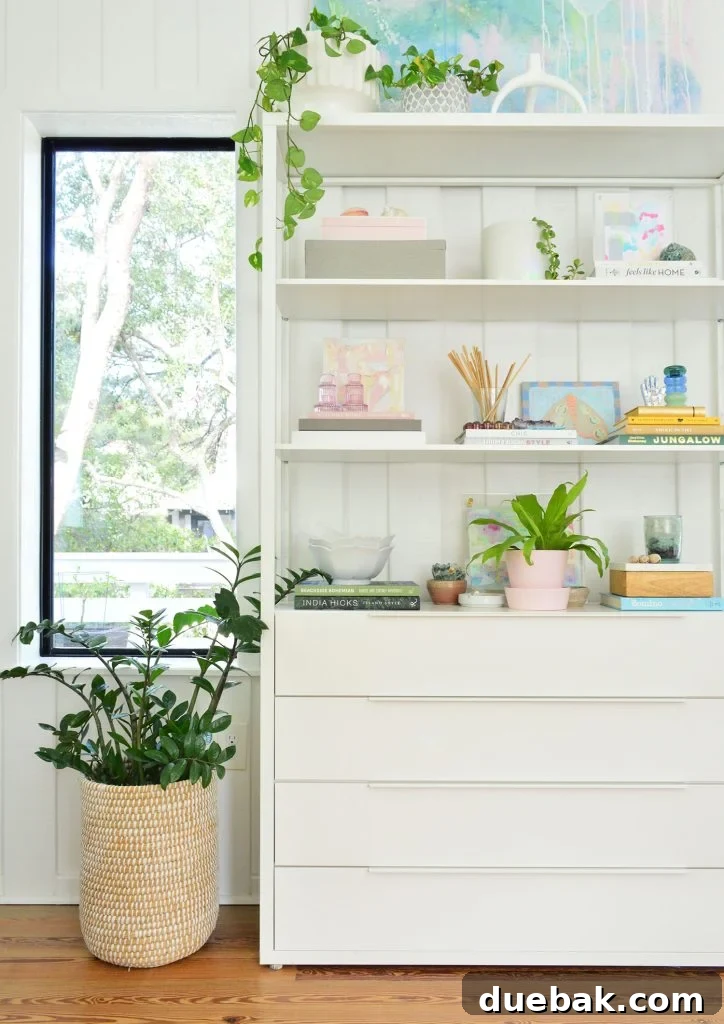
The notion of plants acting as natural air filters has captivated homeowners for decades. Let’s uncover the full story and what you can genuinely expect from integrating more greenery into your home environment.
Unveiling the Truth: Do Houseplants Truly Purify Your Home’s Air?
It’s a common misconception, but one rooted in groundbreaking science: Yes, plants *can* purify the air. Beyond their well-known role in converting carbon dioxide into life-giving oxygen through photosynthesis, many species have a remarkable ability to absorb volatile organic compounds (VOCs). These harmful chemicals, such as benzene, formaldehyde, and trichloroethylene, are commonly found in paints, furniture, cleaning products, and even synthetic fabrics, contributing to indoor air pollution.
The most famous evidence for this phenomenon comes from a pivotal 1989 NASA study. Conducted during a period when scientists were exploring ways to purify air in sealed space stations, this research definitively demonstrated that certain houseplants could effectively remove specific VOCs from a controlled, enclosed environment. This study became a cornerstone for the belief that plants are the ultimate natural air purifiers for our homes.
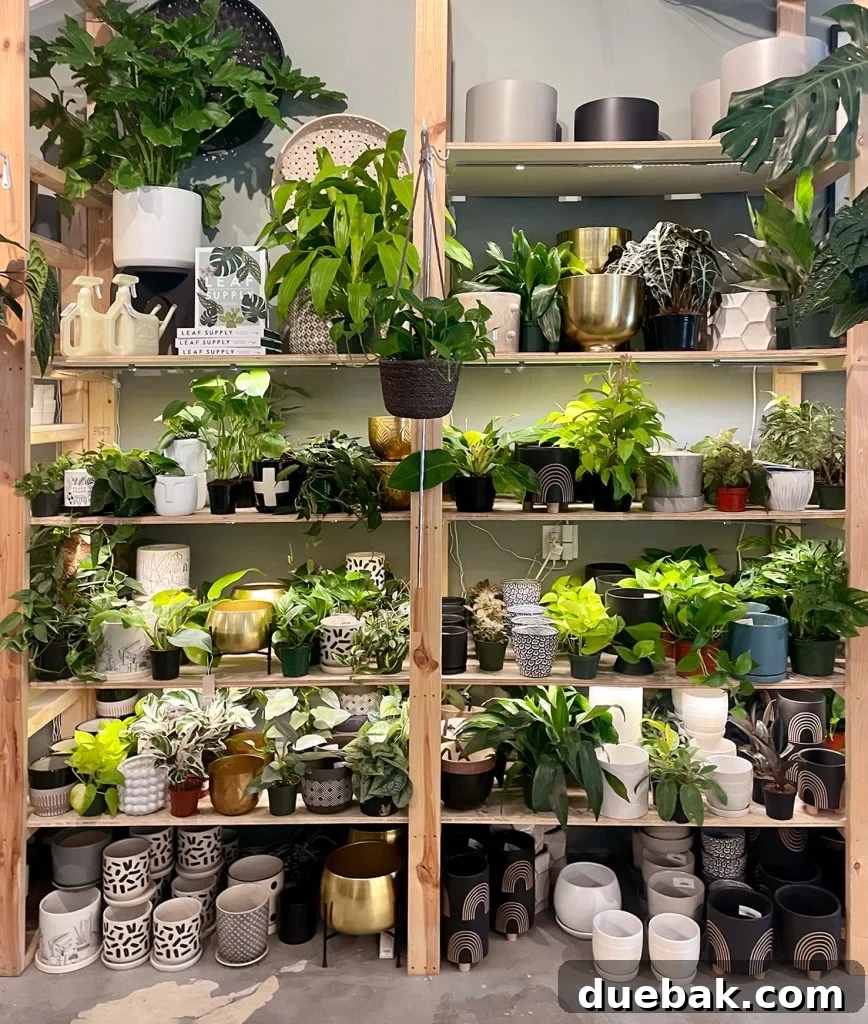
However, the real-world application of these findings is, unfortunately, more complex. The conditions within NASA’s sealed laboratory chambers were far removed from those in a typical home. Houses are not airtight boxes; they experience constant air exchange through opening doors and windows, ventilation systems, and even microscopic cracks. These natural and mechanical ventilation processes are vastly more effective at diluting and removing indoor air pollutants than the average houseplant collection could ever be.
More recent, large-scale studies have re-evaluated the impact of houseplants on indoor air quality in residential settings. Their conclusions are quite eye-opening: to achieve air purification levels comparable to those observed in the original NASA study, a typical home would require hundreds, or even thousands, of plants packed into every room. While this revelation might temper expectations for plants as sole air purifiers, it certainly doesn’t diminish their overall value.
Beyond Air: The Proven Psychological and Wellness Benefits of Houseplants
Despite the nuanced truth about their air-purifying prowess, houseplants remain incredibly beneficial additions to any home. Their value extends far beyond mere aesthetics, offering a wealth of scientifically-backed psychological and well-being advantages that contribute significantly to a healthier and happier living environment. Incorporating plants taps into our innate connection with nature, a concept known as biophilia, which can profoundly impact our mental and emotional states.
Plants Improve Mood
The presence of greenery has a remarkable effect on our emotional landscape. Scientific studies have consistently shown that spending even as little as 20 minutes near houseplants can significantly boost positive emotions and reduce negative feelings. People in rooms adorned with plants frequently report feelings of increased happiness, greater life satisfaction, and a more optimistic outlook. This mood enhancement contributes to an overall sense of peace and contentment within the home.

Plants Reduce Stress
In our increasingly busy lives, finding ways to mitigate stress is crucial. Houseplants offer a simple yet effective solution. One study revealed that engaging in plant care activities could significantly lower stress levels in participants compared to performing a computer task. Furthermore, the mere exposure to plants – even photographs of them! – has been shown to reduce stress in hospital patients, as demonstrated by another study. Even adding plants to a windowless office environment not only decreased stress but also boosted productivity among some test subjects, highlighting their calming influence.
Plants Improve Productivity & Concentration
The positive ripple effects of plants extend to our cognitive functions. Improved mood and reduced stress often lead to enhanced productivity and concentration. A small study involving elementary school students indicated that observing plants in the classroom increased their attentiveness and comfort. Similarly, another research effort demonstrated that plants help combat “attention fatigue” during demanding office tasks. This makes them ideal companions for home offices or study areas, helping to create a more focused and engaging environment.
These compelling benefits provide more than enough justification for embracing houseplants. They are not just decor; they are active contributors to a more harmonious and mentally stimulating home.
Effective Strategies for Superior Indoor Air Quality
While houseplants offer undeniable aesthetic and psychological advantages, relying solely on them for significant air purification in a modern home is not enough. To truly enhance your indoor air quality, a multi-faceted approach is necessary. Drawing on recommendations from experts like the EPA and the American Lung Association, here are proven strategies to ensure the air you breathe at home is as clean and healthy as possible.
Reduce Pollutants Coming In
The most effective way to improve air quality is to prevent pollutants from entering your home in the first place. Consider eliminating or reducing activities known to release harmful substances. Smoking indoors, for example, is a major source of particulate matter and VOCs. Natural gas stoves, while convenient, can release nitrogen dioxide and carbon monoxide. Even seemingly innocuous activities like burning candles or using fireplaces can introduce fine particulate matter and other pollutants into your living space. Pay close attention to products that off-gas VOCs, such as new paints, aerosol sprays, certain cleaning supplies, and even new furniture or clothing. If a new item has a strong “new” smell, it’s often an indicator of VOCs; letting it air out outdoors in the sun can help dissipate these chemicals before bringing it inside.
Open a Window
One of the simplest, cheapest, and most effective ways to refresh your indoor air is by introducing fresh outdoor air. Opening doors or windows for as little as 10-15 minutes a day, even in cooler weather, can significantly improve air quality, as outdoor air is generally cleaner than stagnant indoor air. This natural ventilation helps dilute and flush out accumulated pollutants, allergens, and odors. It’s a free method recommended by health experts worldwide, even during winter months, proving that sometimes the simplest solutions are the best.
Purchase an Air Purifier
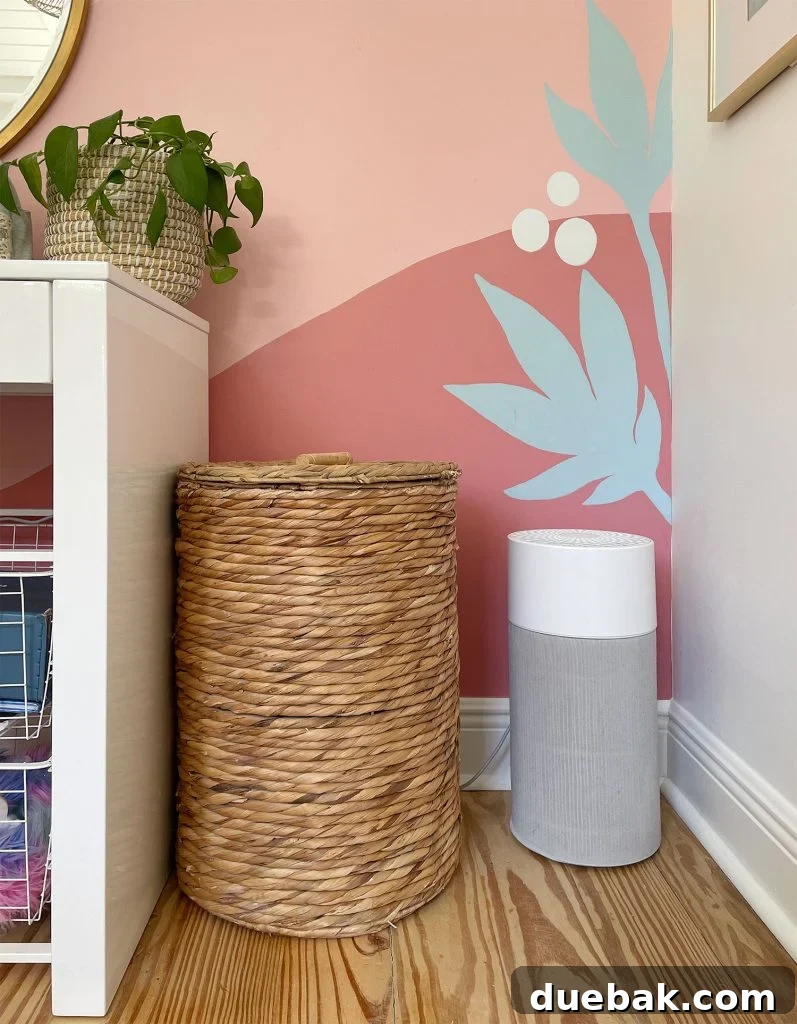
For consistent and powerful air purification, a dedicated home air purifier is an invaluable investment. These devices are specifically designed to trap and remove a wide array of airborne contaminants that plants simply cannot handle in significant quantities. High-quality air purifiers, particularly those with HEPA filters, are workhorses for tackling dust, pet dander, pollen, mold spores, and even smaller particles like smoke and some VOCs. We’ve personally relied on this specific air purifier for years and have multiple units throughout our home, attesting to its effectiveness. You can discover more about why it’s our top choice here.
Keep a Clean House
Regular cleaning is a fundamental step in improving indoor air quality. Dust, pet dander, and other allergens can accumulate on surfaces and become airborne, triggering allergies and respiratory issues. Regularly vacuuming carpets and rugs, dusting surfaces with a damp cloth, and washing bedding are excellent ways to minimize these indoor irritants. Additionally, pay special attention to areas prone to moisture, such as bathrooms, kitchens, and basements. Promptly cleaning up spills and addressing any leaks can prevent the growth of mold and mildew, which release spores that can severely impact air quality and health.
Change Your HVAC Filter
Your home’s heating, ventilation, and air conditioning (HVAC) system plays a crucial role in circulating air, and its filter is the first line of defense against airborne particles. It is typically recommended to change your HVAC filter every 3 months, or even more frequently if you have pets or allergies. A dirty filter can restrict airflow, reduce system efficiency, and, most importantly, fail to adequately trap dust, pollen, and other pollutants. Set a recurring reminder on your phone to ensure timely replacement. We always keep a spare filter on hand, ensuring that as soon as one is changed, the replacement is ready to go, and a new one is ordered.
Test for Radon & Carbon Monoxide
Some of the most dangerous indoor air pollutants are invisible and odorless, making detection impossible without proper tools. Radon is a naturally occurring radioactive gas released from the ground, known to be a leading cause of lung cancer. Our first two homes, for instance, had high levels of radon, necessitating the installation of mitigation systems in our crawl spaces. We highly recommend using a cheap at-home test kit whenever you move to a new location. Equally critical is a carbon monoxide detector. This deadly, odorless gas can result from faulty furnaces, water heaters, or other fuel-burning appliances. These detectors provide vital early warnings, potentially saving lives.
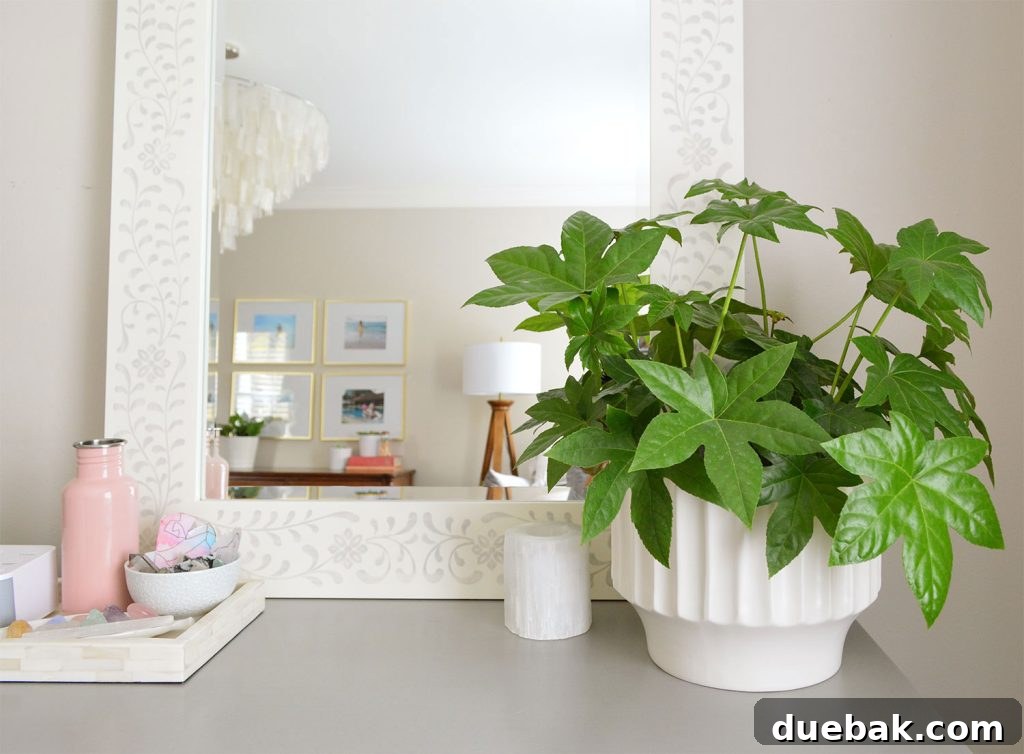
Manage Your Plant Collection Wisely
This might seem counterintuitive in an article about plants, but it’s important to acknowledge that an overgrown or neglected plant collection can actually be detrimental to indoor air quality. While plants offer many benefits, poorly maintained plants can create new issues. Overly wet soil can lead to root rot and foster mold growth, releasing spores into the air. Leaves naturally collect dust, becoming reservoirs for allergens if not regularly wiped clean. And for those with sensitivities, blooming plants can exacerbate allergies. The key is balance: cultivate a plant collection that you can realistically maintain and care for, ensuring they remain healthy and vibrant contributors to your home’s atmosphere rather than potential sources of problems.
Top Houseplants for a Healthier Home Environment
Now that we’ve demystified the air-purifying claims and embraced the myriad psychological benefits of houseplants, let’s pivot back to the joy of selecting beautiful green companions for your home. These plants are chosen not just for their aesthetic appeal and ease of care, but also because many were featured in the original NASA studies, meaning they do indeed contribute, however modestly, to a fresher indoor environment. They are generally low-maintenance, making them perfect for both seasoned plant parents and beginners alike. Here are our favorites, many of which also thrive in low-light conditions.
Dracaena
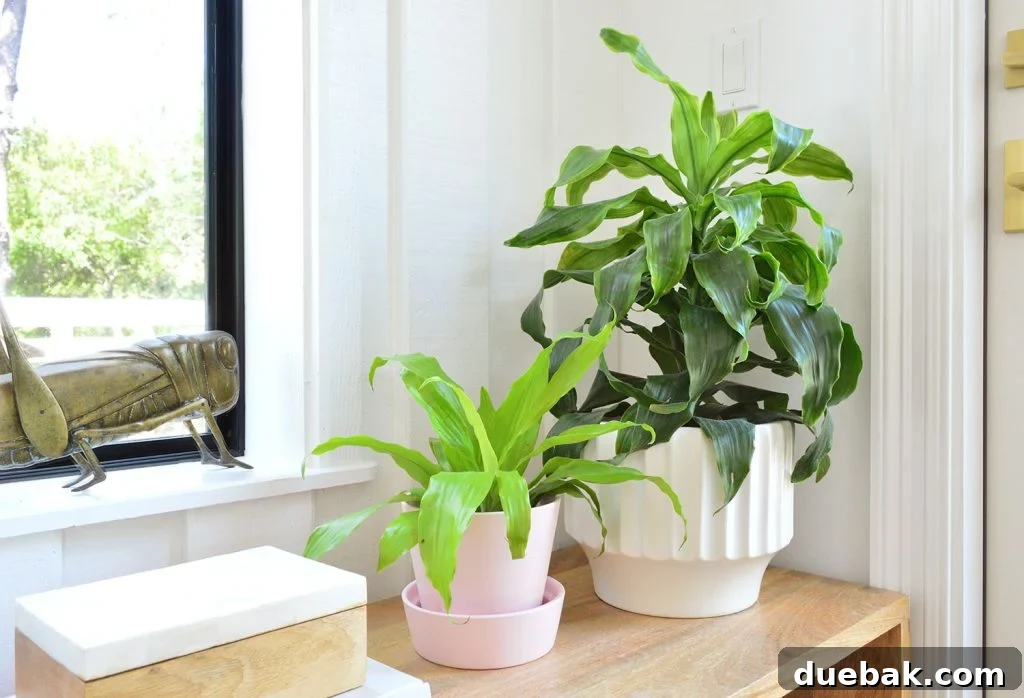
The Dracaena genus encompasses a diverse group of plants that were prominently featured in the infamous NASA clean air study. Among them, the beloved Corn Plant (Dracaena fragrans ‘Massangeana’) is a popular choice, known for its sturdy, cane-like stems and broad, often variegated leaves. Other notable species include the elegant Dragon Tree (Dracaena marginata), with its slender, arching leaves, and varieties of Dracaena deremensis like ‘Janet Craig’ and ‘Warneckii’. We adore Dracaenas for their remarkable ease of care, affordability, and the vibrant green foliage they bring to any room. They are excellent choices for adding a touch of tropical flair with minimal fuss.
Snake Plant
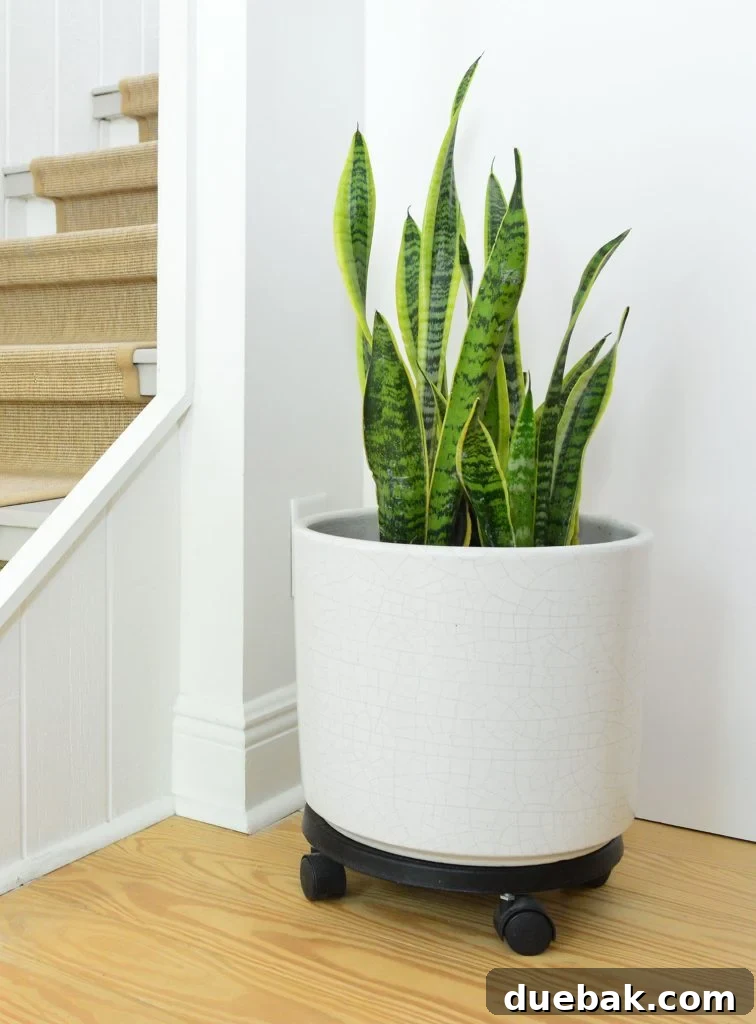
The Snake Plant, scientifically known as Dracaena trifasciata (though NASA listed it by its former genus, Sansevieria), is another exceptionally popular and remarkably low-light tolerant plant. What makes it particularly special is its unique ability to convert carbon dioxide into oxygen during the night, a process uncommon for most plants which primarily perform this during the day. This nocturnal oxygen production has led many plant enthusiasts to place snake plants in their bedrooms, hoping for an overnight boost in air freshness. While the practical impact on overall room oxygen levels is likely minimal, the psychological comfort and the plant’s striking vertical form make it a fantastic choice for any space.
Aglaonema
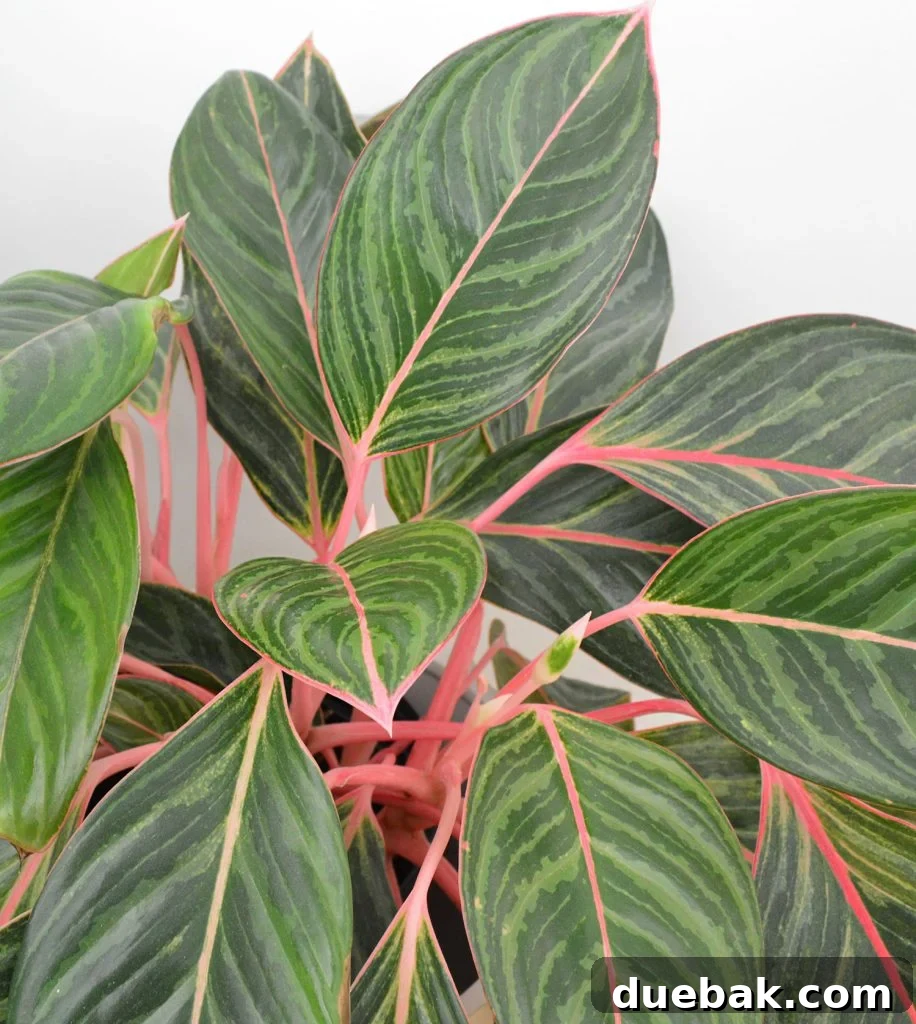
Aglaonemas, often referred to by their common name “Chinese Evergreen” in the NASA study, are among our favorite low-light tolerant plants. Their large, lush tropical leaves come in an astonishing array of bright colors and patterns, ranging from deep greens to vibrant reds and delicate pinks, making them incredibly versatile decor elements. They are remarkably easy to care for, forgiving of occasional neglect, and adapt well to various indoor conditions. While their air-purifying capabilities might not be the primary reason for their popularity, their striking beauty and mood-boosting presence make them invaluable additions to our homes.
English Ivy
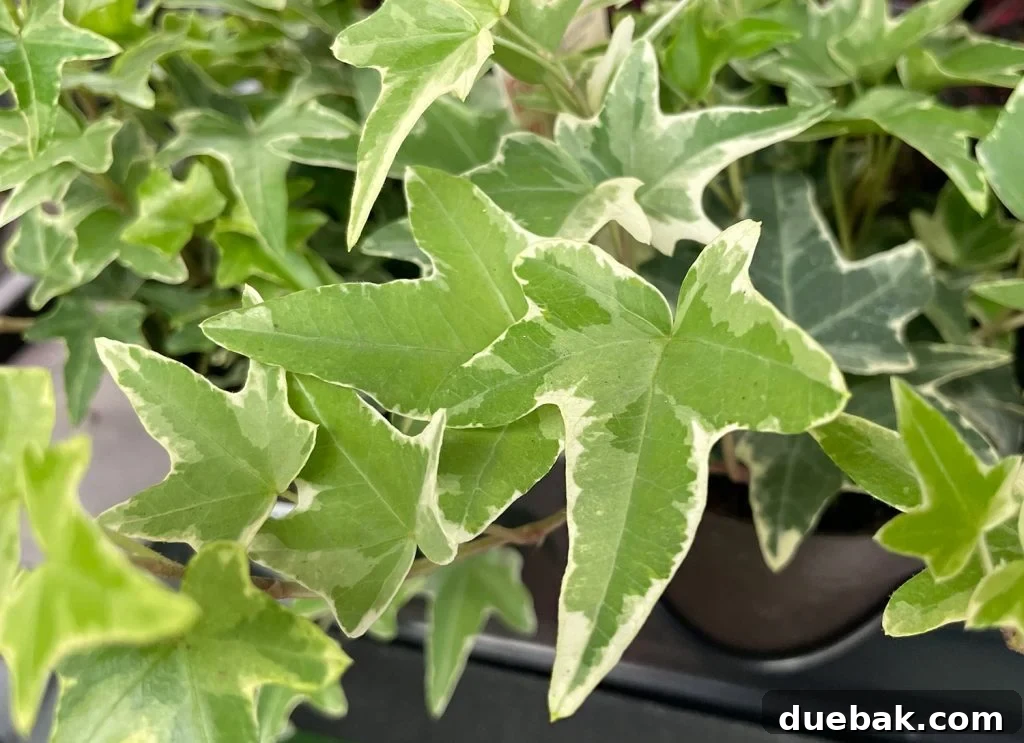
English Ivy (Hedera helix) stands out as one of the few vining plants included in the original NASA study, where it demonstrated impressive pollutant removal rates in the controlled lab environment. This classic plant is celebrated for its delicate lobed leaves and its vigorous trailing habit, making it an excellent choice for hanging baskets, shelves, or even trained to climb small trellises. English Ivy is also highly adaptable and tolerant of a wide range of light conditions, including lower light, which contributes to its reputation as an easy-to-care-for and versatile houseplant.
Pothos
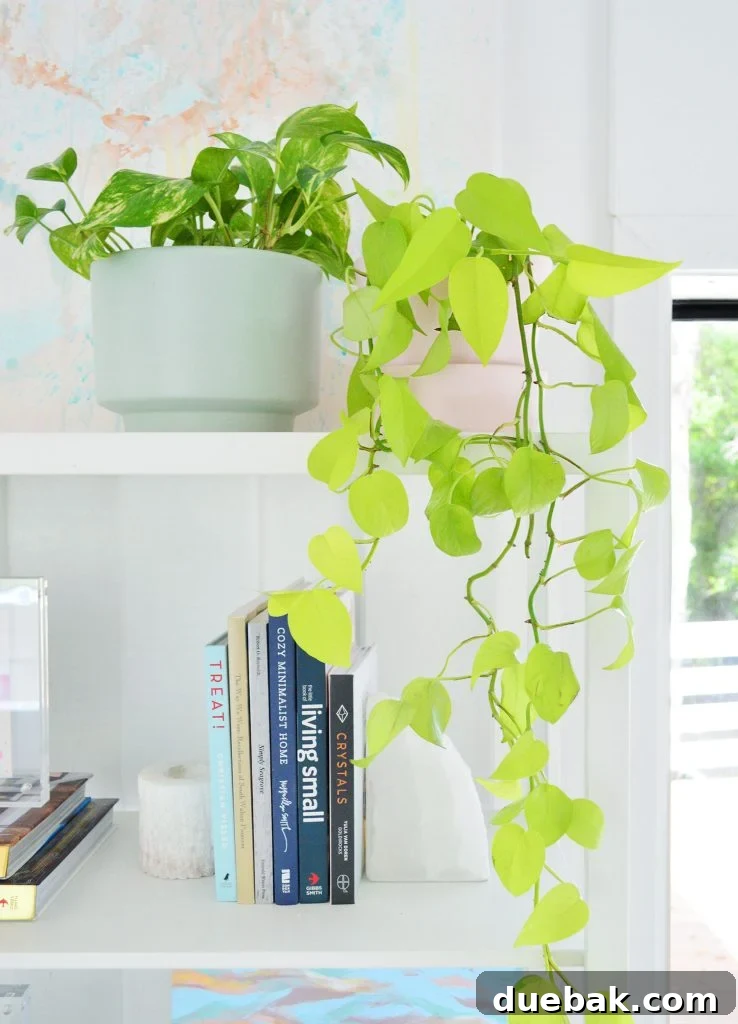
The Pothos, specifically the Golden Pothos (Epipremnum aureum), was another vining plant featured in the NASA study and is, without a doubt, one of our absolute favorite houseplants. Often nicknamed “Devil’s Ivy” due to its incredible resilience and ability to thrive even under less-than-ideal conditions, Pothos varieties are nearly impossible to kill. We have various types of Pothos gracing almost every room in our home, from shelves to bookcases, where their long, trailing vines create a lush, cascading effect. The image above showcases a beautiful Golden Pothos alongside one of our vibrant Neon Pothos plants, highlighting the stunning diversity within this forgiving genus. Their ease of care and striking visual appeal make them a must-have for any indoor plant collection.
Bamboo Palm
For those seeking a more substantial plant that brings a dramatic, tropical presence indoors, the Bamboo Palm (Chamaedorea seifritzii) is an excellent choice. These elegant palms are wonderfully indoor-friendly and can grow up to an impressive 8 feet tall within your home, creating a true statement piece. They are generally larger and more robust than other popular low-light palm varieties, such as the Parlor Palm, offering a fuller, more impactful silhouette. While our location in Florida means we enjoy an abundance of outdoor palms, the Bamboo Palm remains a top recommendation for anyone looking to infuse a vibrant, tropical vibe into their indoor spaces, providing lush greenery and architectural interest.
Spider Plant
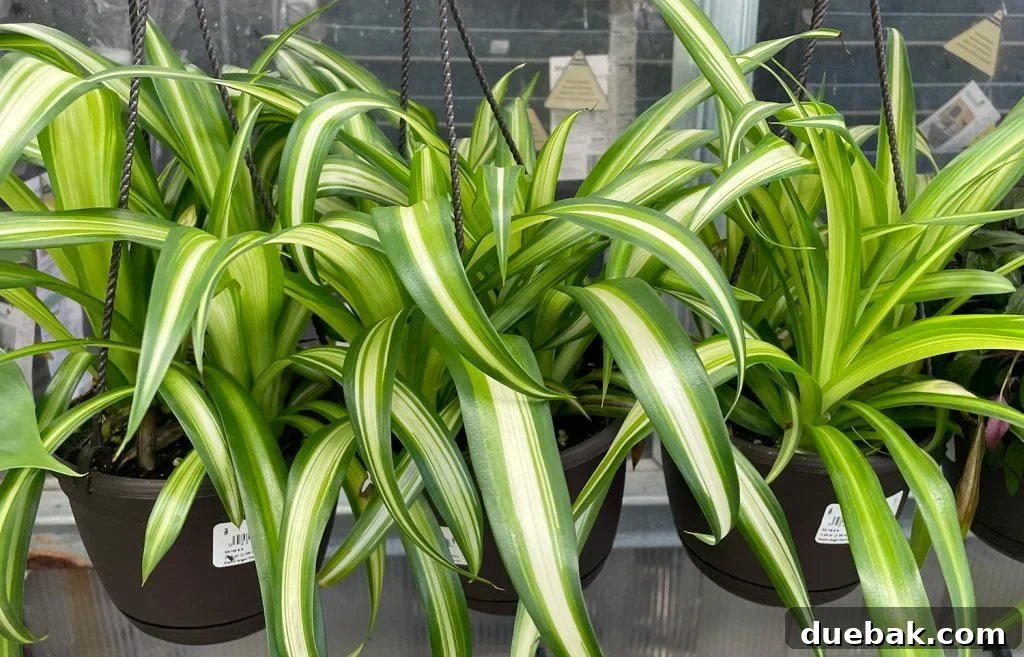
The Spider Plant (Chlorophytum comosum) is a perennial favorite among houseplant enthusiasts, cherished for its distinctive arching, variegated leaves and its prolific production of “spiderettes” or plantlets that dangle charmingly from the mother plant. These small, grassy houseplants are incredibly popular due to their lush appearance and exceptionally easy care requirements, making them ideal for beginners. Spider Plants are perfect for adding greenery to shelves, tabletops, or hanging baskets, offering a beautiful, non-vining alternative to plants like Pothos. Their ease of propagation also means you can readily share these delightful plants with friends and family, expanding your green community.
More Essential Plant Care Guides
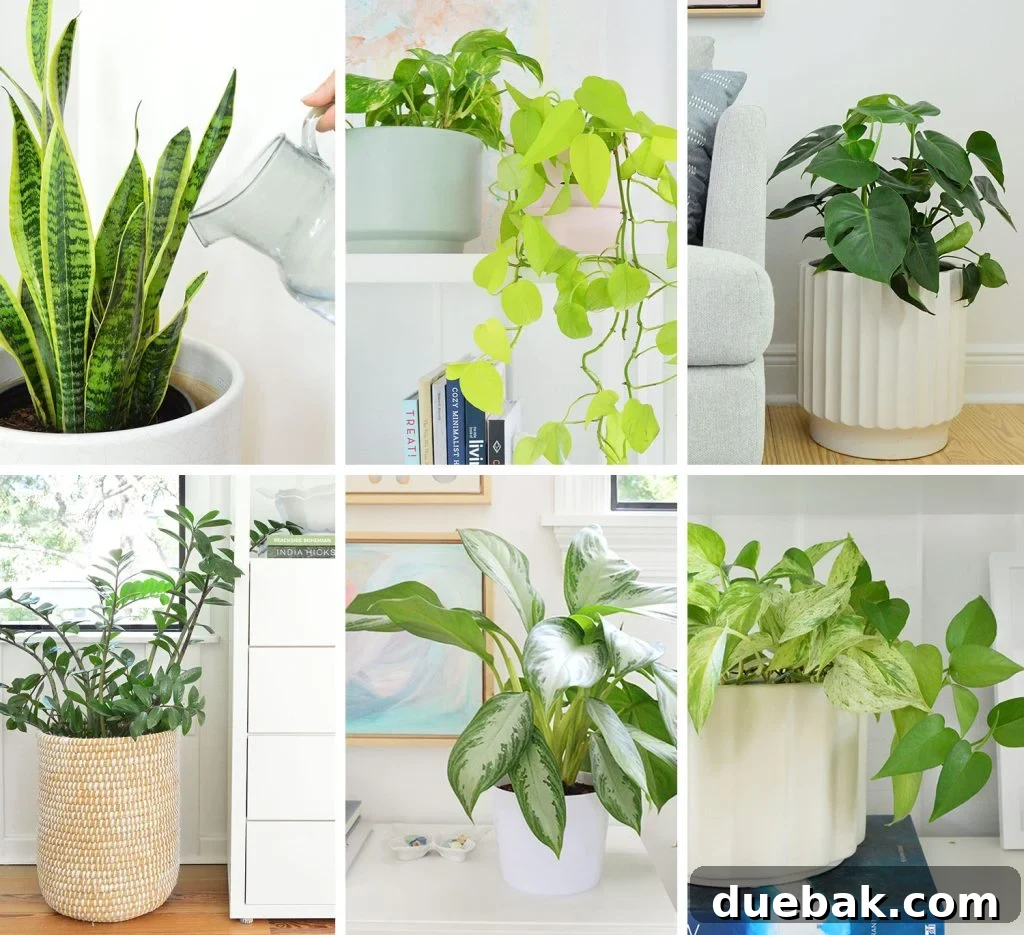
If you’re eager to deepen your knowledge and cultivate an even greener thumb, explore these additional resources and plant care guides. From understanding the best plants for challenging lighting conditions to mastering propagation techniques, these articles offer valuable insights to help your indoor garden thrive:
- Best Low-Light Indoor Plants
- How to Propagate Succulents
- What Is Keiki Paste For Plants?
- Marble Queen Pothos Care Guide
- Neon Pothos Care Guide
- Golden Pothos Care Guide
- Aglaonema Care Guide
- Snake Plant Care Guide
- Fiddle Leaf Fig Care Guide
- Tree Philodendron Care Guide
- How to Build An Easy Plant Shelf
- Make A DIY Wire Trellis
- Protecting Outdoor Plants In A Deep Freeze
*This post contains affiliate links, so we may earn a small commission when you make a purchase through links on our site at no additional cost to you.