
Embarking on a kitchen renovation is an exciting journey, and at the heart of our current design aspirations lies a desire to create a truly captivating focal point. We’ve hinted at our vision for a backsplash, open shelving, and range hood combination in the past, but it’s time to delve deeper into the specifics of this transformative idea. Our ultimate goal is to craft a stunning counter-to-ceiling accent wall, intricately tiled and featuring elegant open shelves alongside a sleek range hood. This design philosophy aims to blend functionality with contemporary aesthetics, turning a practical space into a statement piece within our home. We envision a kitchen that feels both open and inviting, reflecting a modern yet timeless appeal.
Inspiration for this concept often stems from various sources, and a kitchen designed by Sarah Richardson particularly resonates with us, especially concerning the tile choice. While we deeply appreciate the classic charm of white subway tile, our current design plans involve crisp white cabinets. To avoid a monochromatic “whitewash” effect that might feel sterile, we’re actively exploring tile options that offer a subtle deviation from pure white. This could mean a tile with a hint of grey, a textured finish, or even a nuanced shade that complements rather than competes with the cabinet color, ensuring depth and visual interest in the overall scheme. The objective is to achieve a cohesive look that is bright and airy, yet rich in character.
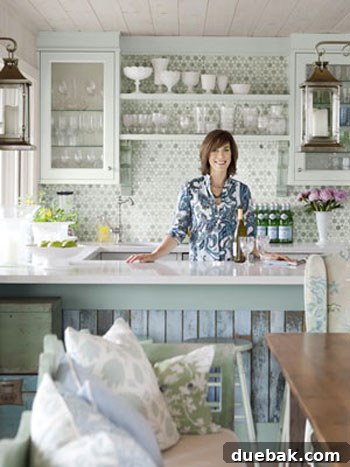
As we articulate these plans, we can almost anticipate the questions swirling in your mind – a sort of “David Blaine-ing” where we predict your thoughts on this bold kitchen design. These are indeed common considerations when contemplating open shelving and a prominent backsplash, and we’ve been asking ourselves similar questions:
- What specific type of tile will grace the accent wall?
- Which style and model of range hood will we integrate?
- What color scheme will our open shelves adopt?
- Will the shelves be elegantly floating or supported by visible brackets?
- And perhaps the most frequently asked question: Won’t open shelves inevitably become dusty and greasy?
Allow us to address these pertinent questions, offering our current thoughts and the research that’s informing our decisions, understanding that some aspects are still evolving:
- **Tile Type:** The exact tile remains undecided. While classic subway tile is a strong contender, we’re also exploring options like zellige tiles for their handmade charm, subtle variations, and textural depth. Other possibilities include a sophisticated vertical stack of rectangular tiles for a more modern edge, or even a very light, large-format tile to minimize grout lines. The goal is a subtle texture or a very muted color that provides warmth and complements the white cabinetry without overwhelming the space.
- **Range Hood Style:** Our ideal range hood is also still being finalized, but functionality combined with a minimalist aesthetic is key. We’re considering sleek chimney hoods in stainless steel or perhaps a custom-paneled hood that blends seamlessly with the cabinetry for an integrated look. The primary focus will be on powerful ventilation to ensure kitchen air quality.
- **Shelf Color:** While not definitively chosen, the most probable color for our shelves will be white, consistent with our cabinets. This approach aims to create a unified and expansive look, allowing the items displayed on the shelves to truly pop and become part of the kitchen’s decor. However, we’re open to exploring light natural wood tones for warmth, depending on other finishes.
- **Mounting Style (Floating vs. Brackets):** At this moment, we are strongly leaning towards floating shelves. This choice contributes to the clean, uncluttered aesthetic we desire for the accent wall. Floating shelves emphasize minimalism and create a visual lightness that aligns perfectly with our vision of an open and airy kitchen.
- **Dust and Grease Concerns:** This is undoubtedly the most common apprehension regarding open shelving, and we’ve thoroughly investigated it. We understand the skepticism, but our findings from real-world experiences suggest these concerns are often overblown when proper design and habits are in place.
It’s crucial to clarify that our kitchen design will not feature open shelving exclusively, replacing all traditional cabinetry. On the contrary, we plan to incorporate ample base cabinets and a selection of closed upper cabinets. This thoughtful combination ensures that everyday essentials and less aesthetically pleasing items can be neatly tucked away, maintaining a streamlined and organized appearance. Our focus for open shelving is specifically on one eight-foot wall above the stove, where the range hood and counter-to-ceiling tile will create a striking focal point. Before fully committing to this idea, we embarked on a bit of “research,” gathering insights from friends who have embraced a similar setup.
We connected with two different couples, both of whom have a wall of open shelves above their stove, complemented by a range hood. Their unanimous enthusiasm for this arrangement was a strong affirmation for us. When we candidly asked about the dreaded issues of grease and steam accumulation, both couples responded with a touch of bewilderment, simply stating, “We have a range hood.” This seemingly obvious answer highlighted a critical point we hadn’t fully appreciated: modern range hoods possess significantly superior suction capabilities compared to the older, often less effective over-the-stove microwave vents. We can attest to this, having had one in our previous home without truly recognizing its limitations. The consensus is clear: when properly utilized during cooking, an up-to-date range hood effectively captures steam, grease, and cooking odors, preventing them from migrating and settling on nearby surfaces, including open shelving.
Beyond grease, the question of dust was another major point of inquiry. Here again, our friends offered reassuring, “no big deal” responses. One couple explained that their open shelves are reserved for items they use with such frequency that dust simply doesn’t have the opportunity to accumulate. For instance, plates and bowls are constantly in rotation – used, washed, returned to the shelf, and then used again in rapid succession. This continuous activity ensures that items don’t sit idly for weeks, becoming “furry” with dust. The other couple, while acknowledging the potential for dust, shared a different perspective: they genuinely love the light, open aesthetic of their kitchen more than they dislike the minimal maintenance required. For them, a quick wipe-down with a duster every few weeks is a small price to pay for the enhanced accessibility and stylish, airy look that open shelving provides.
Further bolstering our confidence, we turned to the online design community, specifically Layla Palmer’s blog, The Lettered Cottage, where she extensively features her own kitchen with open cabinetry. Her insights provided valuable reassurance. We delved into a comprehensive post dedicated to her experience, and a quote near the end perfectly encapsulated her practical approach: “Think you can’t have open cabinets because it’s too dusty where you live? It’s dusty in Alabama too! (cough, cough) We use the dishes in our open cabinets every day though, so they usually don’t have time to grow sweaters. If something does happen to collect a little dust, we just give it a quick rinse before we use it.” This pragmatic outlook aligns with our friends’ experiences, emphasizing that active use is a primary defense against dust buildup.
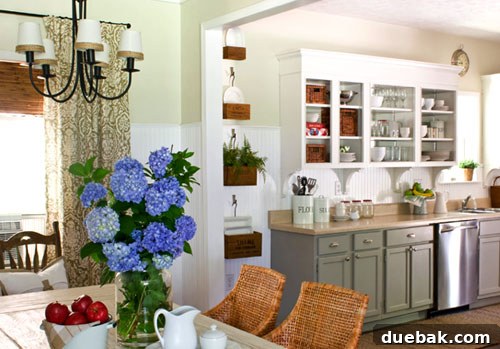
Our pursuit of real-world insights didn’t stop there. As self-proclaimed “design enthusiasts” who perhaps don’t know when to quit, we also gathered feedback from numerous readers who have open shelving in their kitchens. Their diverse experiences offered a rich tapestry of perspectives, overwhelmingly positive and incredibly encouraging:
- “We installed open shelving last September and I don’t regret it one bit. I only get up there and dust about once a month and I just crank up the music and make the most of it. In fact, we’re working on building a third row of shelves because I have so much pretty stuff to put out!” – Betsie, highlighting minimal maintenance and display opportunities.
- “We have three cats and some open shelving. Hasn’t been a problem.” – Caroline, addressing concerns about pets, which often come up with open storage.
- “I have open shelving by default, but I’ve come to like it. It shows off how your dishes match your kitchen, and keeps you accountable to only having what you NEED.” – Carrie, emphasizing the aesthetic appeal and practical benefit of decluttering.
- “I only have open shelving in the kitchen and love it. It doesn’t get as dusty/greasy as you might imagine. I love being able to display all the nice kitchen things I have. I have a separate space for the not so nice stuff. “- Debe, reinforcing the display aspect and the importance of balanced storage.
- “I have open shelving with regularly used items and closed cabinets with rarely used items and the rarely used items in the cabinets are the ones that get the most dusty and need a rinse before use. So it’s not like cabinets keep things that sit around from getting dusty!” – This insightful comment challenges the assumption that closed cabinets are a dust-free haven, pointing out that infrequent use is the real dust magnet, regardless of storage type.
Admittedly, after presenting such a robust collection of positive testimonials, this post might be starting to sound a bit like an infomercial for open shelving. Before you know it, I might be attempting to demonstrate the incredible absorbency of my (hypothetical) Super Shammy, complete with a cheesy pitchman impersonation. But rest assured, that’s not our intention.
The true purpose of sharing our extensive “research” into the world of open shelving is not to convert anyone to our design philosophy. We simply aim to provide an honest, diary-style account of the choices we are making and the considerations guiding our kitchen renovation journey. If open shelving isn’t your preferred aesthetic or practical solution, that’s perfectly understandable – every homeowner’s needs and tastes are unique. We acknowledge that there are undoubtedly individuals who have had less positive experiences with open shelving; however, in our outreach, we happened to encounter an overwhelming number of people who had nothing but great things to say. Ultimately, when it came down to envisioning our ideal kitchen, we realized we simply had to pursue what genuinely resonated with us. Therefore, a thoughtful combination of open shelving for display and accessibility, coupled with closed upper cabinets for hidden storage, perfectly fits our bill.
We solemnly vow to maintain complete transparency throughout this process. If, after a month of daily use, a year of living with it, or even just a day, we discover that our choice of open shelving (or any other design decision, for that matter) proves to be less than ideal, we will absolutely share that experience with you. We’ll be candid about any challenges we face and openly discuss whatever solutions or changes we decide to implement. Furthermore, as soon as we finalize those crucial decisions regarding the specific backsplash tile and the chosen range hood, you’ll be the first to know all the exciting details. Our kitchen transformation is a journey, and we’re thrilled to have you along for the ride.
Pssssst- This morning, I’m also over on BabyCenter, providing an update (as promised) on how our house is evolving to accommodate our growing family, specifically thanks to Clara. Let’s just say we’re adding storage galore to manage all the wonderful toys, blocks, books, and balls that have become a delightful part of our everyday life…