
Mastering Room Photography: Essential Tips for Stunning Real Estate Photos
Q: Do you guys have any tips for photographing your rooms? I’m actually listing my house for sale and thinking of snapping some photos (for memories and also to help with the flier) but I want them to look great. Any and all tricks, tips and suggestions are appreciated! – Leslie
A: Leslie, we completely understand your query. Photographing rooms effectively, especially when preparing a house for sale, can feel like a daunting task. Early in our blogging journey, we faced the same challenges, often resulting in less-than-perfect images. However, through a lot of trial and error, we’ve gathered a collection of simple yet powerful techniques that can dramatically improve your interior photos. You don’t necessarily need expensive equipment or professional expertise; many of these tips can be applied with a basic point-and-shoot camera. In fact, all the ‘after’ pictures on our blog, including our extensive House Tour, were captured with a simple Canon PowerShot SD1100-IS Digital Elph. This compact 8-megapixel camera offers essential features like a macro setting, image stabilization, and crucial for our purposes, a manual mode which allows us to always turn off the flash. This brings us to our first and arguably most important piece of advice for stunning interior photography.
1. Harness the Power of Natural Light and Skip the Flash
When it comes to capturing the true essence and beauty of a room, lighting is paramount. Our number one rule for exceptional interior photography is to maximize natural light and avoid using your camera’s built-in flash. Harsh flash photography often creates unflattering shadows, washes out foreground elements, and leaves the background looking dark and uninviting. Instead, aim to photograph your rooms during the day, preferably on bright, sunny days, though overcast days can also offer soft, even light.
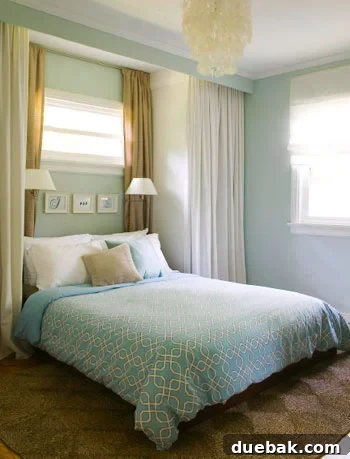
Start by opening all blinds, curtains, and drapes to allow as much natural light to stream into the room as possible. This instantly brightens the space and highlights architectural features. Additionally, turn on all artificial lights – lamps, overhead fixtures, and even accent lighting. The combination of abundant natural light and warm artificial light creates a soft, inviting glow that makes a room feel welcoming, spacious, and lived-in. Be mindful of direct, harsh sunlight; while sunny days are ideal, avoid shooting when the sun is directly hitting furniture or floors, as this can create distracting hot spots and strong shadows. Sometimes, waiting an hour or two for the sun to shift slightly can make a huge difference in achieving that perfect, diffused illumination. This thoughtful approach not only improves the aesthetic appeal but also ensures your real estate photos accurately represent the room’s ambiance, drawing potential buyers in with a professional and inviting look.
2. Meticulous Room Staging: The Pre-Shoot Transformation
Before you even think about picking up your camera, dedicate time to meticulously prepare and stage the room. This pre-shoot transformation is absolutely critical for creating inviting and professional-looking real estate photos. Take a moment to truly *see* the space through the lens of a potential buyer. What needs to be tidied? What elements can enhance its appeal? This step saves immense time in post-production and ensures your home photography is pristine.
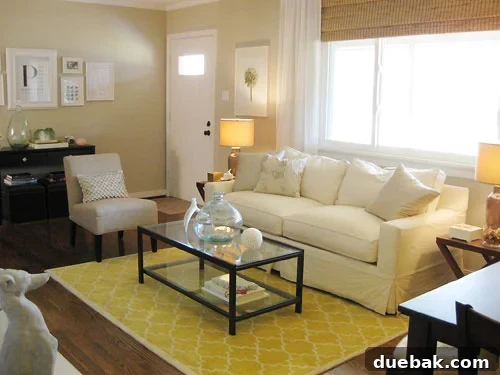
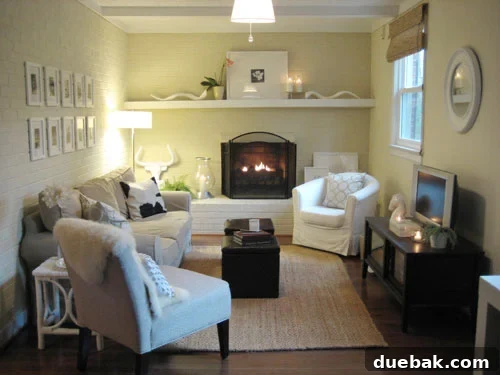
Start by decluttering any extraneous items. This means picking up all kid’s toys, pet accessories, stray papers, and highly personal items that might distract from the room’s features. Fluff pillows on couches and beds, ensuring they look plump and inviting. Make beds neatly with crisp linens. Consider lighting any decorative candles or making a cozy fire in the fireplace (or arranging large pillar candles if a fire isn’t practical). These small, flickering touches of light add a warm, luxurious sparkle – like ‘jewelry’ for your room – creating a subtle “je ne sais quoi” that elevates the overall ambiance. Flat, mashed couch pillows or cluttered surfaces detract significantly from a polished image. Remember, you’re not just taking a picture of a room; you’re capturing a lifestyle and inviting potential buyers to envision themselves in the space. These seemingly minor adjustments before you start snapping photos can profoundly impact the quality of your images and the impression they leave on prospective buyers. A well-staged room translates directly into more engaging and effective house listing photos, helping your property stand out.
3. The Power of a Test Shot: Refine Before You Capture
Don’t dive straight into a full photoshoot. Our third invaluable tip for high-quality room photography is to always take a test shot first. It only takes one quick picture to reveal details you might overlook when viewing the room in person. Your camera’s lens offers a different perspective, often highlighting elements that need adjustment before you commit to a full session, saving you valuable time and effort in the long run.
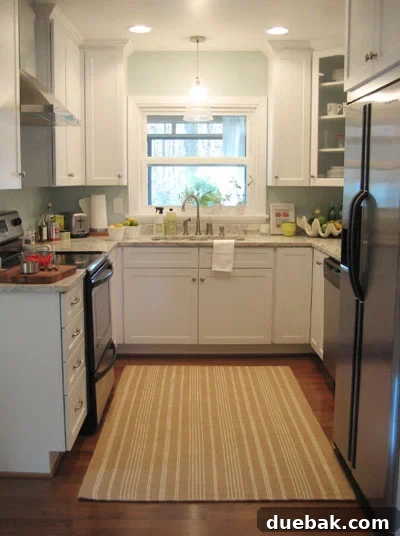
After taking your initial test shot, critically review it on your camera’s screen or even transfer it quickly to a larger display if possible. This crucial “last look” allows you to identify and correct any imperfections or areas for immediate improvement. For instance, you might notice wonky curtains that can be easily straightened on their rod for a more balanced look, or perhaps a bland corner that cries out for a splash of color, easily achieved by swapping out a throw pillow or adding a vibrant piece of art or a lush plant. By addressing these minor issues upfront, you prevent the frustration of reviewing dozens of photos later only to spot countless little things you wish you had changed. This iterative process is a cornerstone of professional interior photography, ensuring every detail contributes positively to your house listing photos. For example, after a test shot of the kitchen shown below, we recognized the opportunity to add a dishcloth draped over the sink and a cutting board with fresh tomatoes. These additions not only added visual interest but also cleverly balanced the red hues present in the artwork to the right of the sink. On a practical note, bowls of fresh, vibrant fruit – like real lemons and limes – make fantastic and inexpensive centerpieces for dining rooms, eat-in kitchens, or even living room coffee tables, especially when staging your house to sell. This thoughtful attention to detail in your real estate photos can truly set your listing apart.
4. Explore Dynamic Angles and Perspectives
Once your room is perfectly staged and lit, it’s time to find the most flattering angles. Our fourth tip emphasizes the importance of working those angles. Don’t be afraid to take a large volume of pictures – sometimes anywhere from 25 to 75 or more – just to capture that one perfect shot, especially for significant “before and after” reveals or critical house listing photos. Experimentation is key to discovering how different perspectives can dramatically alter the perception of a space, making it appear larger, cozier, or more elegant.
Try standing on a sturdy chair or even a small step stool to get a higher vantage point. This perspective can help showcase the entire room layout, capture architectural details, or create a sense of grandeur. Conversely, squatting down slightly can make ceilings appear higher and rooms feel more expansive and inviting. Walk around the entire room, shooting from each corner and the center of each wall. This comprehensive approach allows you to evaluate which viewpoints best highlight the room’s features and overall flow, ensuring you capture its true potential. If you find your hands aren’t steady, particularly when shooting without flash (which often requires a slower shutter speed to gather enough light), consider using a tripod. A tripod ensures crisp, sharp images by eliminating camera shake, which is vital for high-quality real estate photography. By exploring various angles, you can find your room’s “hero shot,” capturing its best features and presenting it in the most appealing way possible to potential buyers.
5. Embrace Both Vertical and Horizontal Compositions
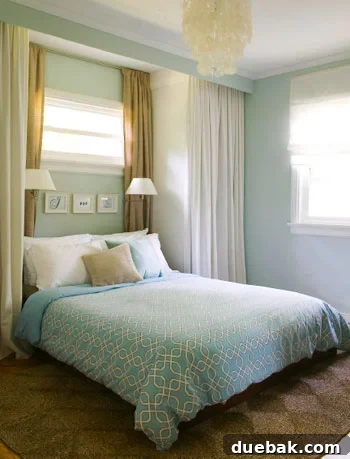
While instinct might tell you to always shoot horizontally to capture a wider view of furniture and space, our fifth tip encourages you to experiment with both vertical and horizontal compositions. You’ll notice a significant number of vertical ‘after’ photos on our House Tour page, and there’s a good reason for it. While horizontal shots certainly offer a broad overview, vertical shots can sometimes present a room in a surprisingly appealing and effective way, especially for specific architectural features or focal points.
The trick is to take a plethora of pictures in both orientations. Often, a specific furniture layout, a tall window, a fireplace, or architectural detail might simply look better when captured vertically. Vertical photography can also make ceilings appear higher, enhancing the sense of spaciousness and elegance, which is a desirable trait for any home buyer. Conversely, wide horizontal shots excel at providing an overarching view, ideal for conveying the overall layout and flow of a larger area or an open-concept living space. We’re consistently surprised by how often vertical shots become our favorites, proving they are definitely worth taking. Don’t limit your creative vision; allow the unique characteristics of each room to guide your choice, or better yet, capture both to offer a diverse and comprehensive visual story of your home for potential buyers, giving them a richer understanding of the space.
6. Define Zones and Highlight Functionality
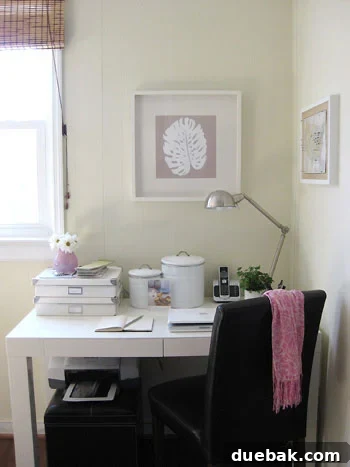
Our sixth essential tip for effective room photography is to think about zones and functionality. It’s tempting to try and cram as much of a room into a single shot as possible, but this can often result in a cluttered, disjointed image that confuses the viewer. Instead, focus on defining specific areas and highlighting their intended purpose, especially crucial for real estate photography where clarity and purpose are key selling points.
For example, if you’re photographing a small office nook cleverly integrated within a larger den, resist the urge to include half of the television or a portion of the seating area in the same frame. Doing so can make the image look busy and dilute the message about the primary function of the space you’re trying to showcase. Instead, take a few steps forward to spotlight that specific office zone. Frame the shot so the desk, chair, and any decorative elements that define it as a functional workspace are the clear, dominant focus. This compositional approach helps potential buyers instantly envision how they might use that particular area, adding tangible value and clarity to your house listing photos. Whether it’s a cozy reading corner, a dedicated dining area, a functional workspace, or a relaxing lounge, isolating and emphasizing these zones creates a more impactful and understandable visual narrative. This thoughtful composition ensures your interior photos effectively communicate the utility, charm, and potential of each distinct area within your home, making it more appealing to a broader audience.
7. Capturing the Beauty in Details with Macro Photography
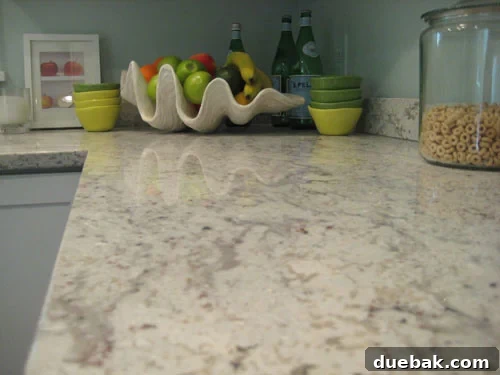
While wide shots showcase the overall space, our seventh tip reminds us that it’s all in the details. Highlighting specific textures, finishes, or unique decorative elements can add depth, character, and perceived value to your home photography. This is where your camera’s “macro” setting truly shines, especially for creating compelling imagery for memories or unique selling points that elevate your real estate listing.
If your camera has a macro mode, utilize it for close-up detail shots. This setting allows you to capture intricate textures, like the weave of a jute rug, the subtle veining in granite countertops, the delicate pattern on a throw pillow, or the craftsmanship of a unique fixture, with remarkable clarity and crispness. You don’t need advanced photographic skills; just ensure your camera is held nice and steady for a sharp image. While macro shots might not be the primary focus for wide room pictures when listing a house, they are incredibly useful for showcasing high-end finishes, unique architectural elements, or special staging pieces that differentiate your property from others. Furthermore, for personal memories, macro photography allows you to perfectly document those cherished arrangements or specific design choices you’ll want to remember long after you’ve moved. These detailed shots can serve as excellent supplementary material for potential buyers, offering a deeper appreciation for the quality and care put into your home and creating a more lasting impression.
8. Practice Makes Perfect: Building Your Photography Skills
Finally, and perhaps most importantly, our eighth tip for mastering room photography is to remember that practice makes perfect. Photography is a skill, and like any skill, it improves with consistent effort and experimentation. Don’t wait until you’re under immense pressure – like needing to snap gorgeous photos to sell your house or document a precious family milestone – to pick up your camera for the first time in months. Consistent engagement is key to building confidence and proficiency.
Instead, make it a habit to regularly experiment with your camera. Spend time clicking away in different rooms, trying various angles, light conditions, and staging ideas. The more you practice, the more familiar and confident you’ll become with your equipment and your eye for composition. Looking back at our own archives from when we started blogging in 2007, it’s evident that our initial photography skills were, shall we say, a work in progress! However, over the course of just a few months, and with continuous practice, we began to hit our stride. Even after more than two years of regularly capturing images for our blog, we’re still learning and striving to get better. This ongoing commitment to practice will ensure that when that imperative moment arrives – whether it’s for compelling real estate photos that command attention or priceless personal memories you’ll treasure forever – you’ll be ready to capture truly stunning images with ease and confidence.
These are our tried-and-true, non-professional, “learn-on-the-job” approaches to interior photography. We hope these tips empower you, Leslie, and anyone looking to enhance their home photography skills, especially for creating impressive house listing photos that attract maximum interest. Remember, your photos are often the first impression potential buyers have of your home, so make them count! Now, we’d love to hear from you! Do you have any additional pointers for Leslie (and us)? What are your go-to tricks for getting the perfect shot? Share your wisdom in the comments below!
Psst- The link to our camera included above is an Amazon Affiliate link.