
The Ultimate Guide to Grout Sealing: Protect Your Tiles and Preserve Your Home’s Beauty
Grout lines are the unsung heroes of your tiled surfaces, providing structural integrity and completing the aesthetic of your floors, shower surrounds, backsplashes, and walls. However, these porous lines are highly susceptible to moisture, dirt, and stains, which can quickly diminish the pristine appearance of your tile work. While professional installation often includes an initial sealing, experts universally recommend regular reapplication of grout sealer. This crucial maintenance step, ideally performed every six months to a year, is vital for maintaining that essential protective barrier, drastically reducing upkeep, and ensuring your tiled areas remain immaculate for years to come. It’s an investment in the longevity and beauty of your home that truly pays off.
Understanding the Power of Sealed Grout: Unveiling the Benefits
The distinction between sealed and unsealed grout is profound. Unsealed grout acts like a sponge, readily absorbing liquids, dirt, and contaminants. This absorption leads to discoloration, mildew growth, and stubborn stains that are notoriously difficult to remove. In contrast, sealed grout creates a non-porous shield on the surface, repelling moisture and dirt before they can penetrate the material. This protective layer ensures that white grout remains brilliantly white, and colored grout retains its original vibrancy, resisting fading and unsightly marks. Beyond aesthetics, sealing grout offers several practical advantages:
- Stain Prevention: It forms an invisible barrier against food spills, soap scum, and other common household stains, making them easy to wipe away.
- Mildew and Mold Resistance: By preventing moisture absorption, sealing significantly reduces the likelihood of mold and mildew proliferation, especially in humid environments like bathrooms and kitchens. This contributes to a healthier living space.
- Enhanced Hygiene: A smoother, sealed surface is easier to clean and disinfect, preventing the accumulation of grime and bacteria in grout lines.
- Aesthetic Longevity: Sealed grout retains its original color and appearance for much longer, preserving the overall look and value of your tiled surfaces.
- Reduced Maintenance: Less scrubbing, fewer harsh chemicals, and quicker clean-ups become the norm, saving you time and effort in the long run.
- Protection for Surrounding Tiles: While often focused on grout, many sealers also offer a degree of protection for certain porous tiles, further safeguarding your entire tiled area.
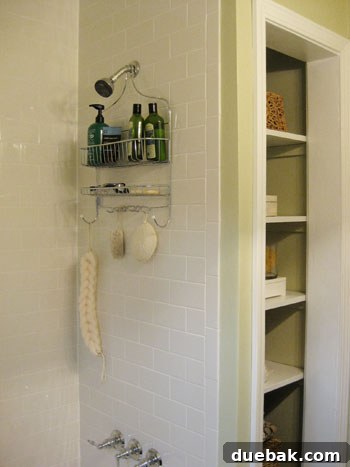
In our own experience, the benefits have been undeniable. Since initially sealing our bathroom grout over five months ago, we haven’t had to scrub the shower grout a single time, nor the floor grout. This impenetrable seal has genuinely helped us achieve the low-maintenance bathroom we envisioned, proving that you don’t have to sacrifice beautiful white subway tile or coordinating white grout for practicality.
When and How Often to Seal Your Grout
While the initial sealing is crucial, consistency is key to long-term protection. Tile experts frequently advise re-sealing grout every six months to a year, depending on the area’s traffic and exposure to moisture. High-moisture areas like shower stalls or kitchen backsplashes might benefit from more frequent sealing, while less-used tiled floors could extend to yearly applications. We learned from multiple professionals the importance of not only thoroughly sealing our bathroom’s floor and wall grout after our major overhaul but also following up with a re-seal approximately six months later. This second application helps ensure complete coverage and builds a robust, thick protective layer, which can be the deciding factor between a quick wipe-down and arduous scrubbing sessions to banish mold and mildew.
Preparing for Success: Essential Steps Before You Seal
Before you embark on your grout sealing journey, remember this golden rule: you can only seal in the condition your grout is currently in. Sealing dirty, cracked, discolored, or mildewed grout will simply lock in those imperfections, offering no benefit to its appearance. Therefore, meticulous preparation is non-negotiable for achieving the best results.
If your grout is less than pristine, a thorough cleaning is in order. Start by scrubbing it vigorously to restore its original glory. For everyday grime, a stiff brush and a pH-neutral cleaner specifically designed for grout can work wonders. For more stubborn stains or mildew, consider using an oxygenated bleach cleaner or a dedicated mildew remover, always following the product’s instructions and ensuring good ventilation. Rinse the area thoroughly afterward to remove all cleaning residue. For grout that is severely stained, crumbling, or extensively cracked, cleaning might not be enough. In such cases, you might need to consider more drastic measures, such as carefully digging out the old grout with a specialized grout knife and re-grouting the affected areas. This process ensures a fresh, clean base for your sealant and can revitalize your entire tiled surface. You can find detailed guides on re-grouting from reputable sources like younghouselove.com or consult with the experts at your local home improvement center.
Step-by-Step Grout Sealing Guide: Achieve Professional Results at Home
With your grout ready, it’s time to apply the sealant. Follow these steps for an effective and long-lasting seal:
Step 1: Declutter and Prepare Your Space
Before applying any sealer, ensure the area is completely clear. This means removing everything from the floor, shower walls, or kitchen backsplash – shower caddies, floor mats, decorative items, appliances, and even shower curtains. The goal is to eliminate any obstacles that could prevent you from reaching every millimeter of grout or risk accidental contact with the sealer. By creating an unobstructed workspace, you can apply the sealant efficiently and thoroughly without worrying about drips or overspray.
Step 2: Ensure Impeccably Clean and Dry Grout
Even if your grout appears clean, it’s crucial to ensure it’s free of dust and debris right before sealing. For our unstained and uncracked grout, a quick pass with a microfiber cloth over the shower walls was sufficient to pick up any stray dust particles. For the floor, thorough sweeping was essential to remove all dust, hair, and fine particulate matter. Remember, any residue sealed into the grout will be there to stay. Furthermore, the grout must be completely dry before applying sealant. Always check the sealant manufacturer’s instructions for specific drying times; typically, this can range from 12 to 72 hours after cleaning. Attempting to seal damp grout will compromise the sealant’s effectiveness and its ability to properly adhere.
Step 3: Selecting the Right Grout Sealer for Your Project
The market offers a wide array of grout sealers, each formulated for specific materials and conditions. When choosing your sealant, read the labels carefully. Some products are designed for specific tile types like marble or granite, while others are optimized for dark-colored grout. Penetrating sealers, which soak into the grout, are generally recommended as they offer longer-lasting protection and don’t change the grout’s appearance. Topical sealers, forming a surface film, are less common for grout and can be prone to peeling. Water-based sealers are easier to clean up and have fewer fumes, while solvent-based sealers often offer deeper penetration and greater durability but require more ventilation. If you’re unsure, don’t hesitate to consult the tile experts at your local home improvement store for recommendations tailored to your specific tile and grout.
For the white subway tiled walls of our shower/tub, we selected a popular sealer from Home Depot, whose description perfectly matched our needs for a strong, clear finish.
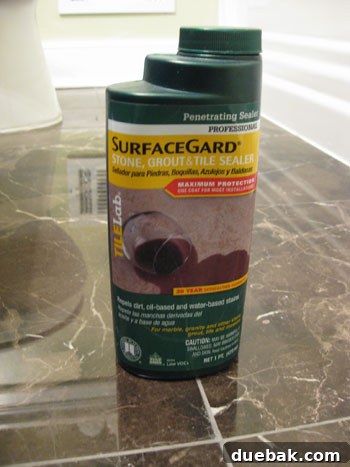
For our precious dark marble floor with mocha grout lines, we opted for a specialty sealer from The Tile Shop. This product not only stated it worked on all surfaces but was specifically formulated for marble, offering us greater peace of mind compared to a general-purpose sealer. While pricier at around $50 (specialty marble sealers typically range from $40-$50), the kit included the sealer, a sponge, a grout brush applicator (useful for thicker grout lines), and a specialized cleaner for marble tiles. We had more than enough for our initial sealing job and ample left for future touch-ups, ensuring long-term protection.
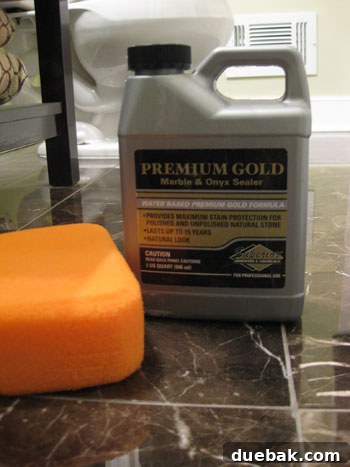
Step 4: Prioritize Ventilation and Safety
Before you begin applying the sealant, open all available windows and turn on any ventilation fans, such as your bathroom fan or kitchen range hood. This is crucial for two reasons: sealants can emit fumes, and proper ventilation ensures a safe working environment. Additionally, many sealers require a specific curing time during which the treated area cannot be walked on or used. By ensuring ventilation is established *before* you start, you won’t have to walk back across freshly sealed floors to open a window or turn on a fan later.
Step 5: Choose Your Preferred Application Method
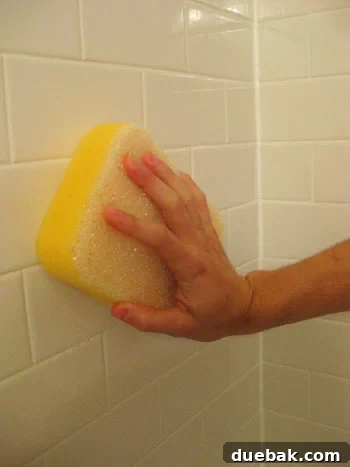
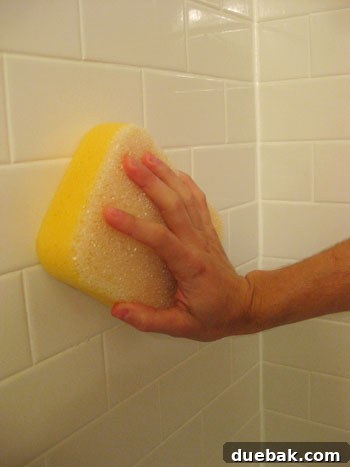
The choice of application method often depends on your grout line thickness and personal preference. A grout sealant applicator brush, resembling a thin wire-bristle nail polish brush, is ideal for precisely tracing individual grout lines, especially useful for very fine lines or intricate patterns. However, we prefer using a sponge for its efficiency, particularly with our thin grout lines. Sponging allows for broader application, ensuring thorough saturation of the grout and offering the added benefit of sealing the tiles themselves. Natural stone tiles like marble and granite are often porous and can greatly benefit from a sealant to prevent staining and moisture penetration. By using a sponge, you effectively seal entire sections of the tiled area, such as a full shower surround or an entire floor, providing comprehensive protection for both grout and tile.
Step 6: Master the Art of Sealer Application
Once you’ve chosen your method, it’s time to apply. If using a sponge, pour a small amount of sealant directly onto the sponge. Work in small, manageable sections to ensure even coverage and to keep track of what areas have been treated. Apply the sealant with firm, consistent pressure, using circular, back-and-forth, or up-and-down motions. The key is to work the sealant deeply into the grout lines and across the tile surface, rather than just gliding over it. You’ll often notice a subtle visual cue: sealed sections of tile may appear slightly wet, and saturated grout lines might darken slightly. This indicates that the sealer is penetrating and doing its job.
Step 7: Timely Removal of Excess Sealer
This step is critical and time-sensitive. Most sealants require excess product to be wiped off within a specific window, typically 5 to 10 minutes after application. Always consult your specific product’s instructions for the precise timing. Failing to remove excess sealer can leave a hazy film on your tiles that is difficult to remove later. We found it effective to work in sections. For example, after sealing one of our three shower walls (which took about seven minutes), we immediately used a clean, dry rag to wipe down that wall before moving on to the next section. We followed this pattern for each subsequent wall. For removal, two passes with a clean, dry rag are usually sufficient: an initial light pass to pick up obvious droplets and then a gentle “buffing pass” to ensure all excess is thoroughly removed and the tile surface sparkles.
Step 8: Allow for Proper Curing Time
After wiping off the excess, the final crucial step is allowing the sealant to cure completely. Curing times vary significantly between products and depend on factors like humidity and temperature. Our shower sealant, for instance, required 48 hours to fully cure before it could get wet. We strategically applied it on a Friday night before a weekend trip, ensuring no interruption to our showering routine. Conversely, our floor sealant only needed 24 hours to fully dry, and could be walked on in just two hours. Always read your product labels meticulously for specific instructions on drying and curing times, as well as any post-application restrictions. While waiting a day or two for a room to be out of commission might seem inconvenient, it’s a small price to pay for months, or even a full year, of pristine grout, free from scrubbing and mildew battles.
Maximizing Longevity: Post-Sealing Care and Maintenance Tips
Once your grout is sealed and fully cured, maintaining its pristine condition is straightforward. To maximize the longevity of your sealed grout, follow these simple care tips:
- Gentle Cleaning: Use pH-neutral cleaners specifically designed for tile and grout. Harsh abrasive cleaners, strong acids, or bleach can degrade the sealant over time.
- Regular Wiping: Promptly wipe up spills, especially in kitchens, and use a squeegee in showers after each use to minimize moisture buildup.
- Avoid Scouring Pads: Abrasive pads can scratch the sealant and reduce its effectiveness. Opt for soft cloths or sponges for cleaning.
- Monitor High-Traffic Areas: Pay closer attention to grout in heavily used areas, as the sealant may wear down faster and require more frequent touch-ups or re-applications.
Frequently Asked Questions About Grout Sealing
Addressing common queries about grout sealing can help clarify any uncertainties:
Q: How often should I reseal my grout?
A: Generally, every 6 months to 1 year is recommended, especially in high-moisture or high-traffic areas. Perform a water bead test: if water soaks into the grout instead of beading up, it’s time to reseal.
Q: What happens if I don’t seal my grout?
A: Unsealed grout is highly porous and will absorb water, dirt, grease, and soap scum, leading to discoloration, stains, and the growth of mold and mildew. This makes cleaning much more difficult and can compromise the integrity and appearance of your tiled surfaces over time.
Q: Can I seal colored grout?
A: Absolutely! Sealing colored grout is just as important as sealing white grout. It helps preserve the color vibrancy and prevents discoloration from dirt and moisture absorption.
Q: Is sealing my tiles necessary too?
A: It depends on the tile type. Glazed ceramic and porcelain tiles are typically non-porous and do not require sealing. However, natural stone tiles (like marble, granite, travertine, slate) and unglazed tiles are porous and highly benefit from sealing to protect against stains and moisture damage. Many grout sealers can also be applied to these types of tiles for comprehensive protection.
Q: How do I clean my grout before sealing if it’s really dirty?
A: For heavily soiled grout, a mixture of baking soda and hydrogen peroxide, or a commercial oxygenated grout cleaner, can be effective. Apply the paste or solution, let it sit for 10-15 minutes, scrub with a stiff brush, and rinse thoroughly. For stubborn mold, a diluted bleach solution (check compatibility with your tile/grout) or a dedicated mold remover might be needed. Always ensure the grout is completely dry before sealing.
Q: Can I apply a second coat of sealer?
A: Some manufacturers recommend a second coat for added protection, especially in high-traffic or wet areas. If you choose to apply a second coat, ensure the first coat has had sufficient time to dry (often 1-2 hours) as per the product instructions before applying the next layer, and remember to wipe off any excess.
Conclusion: Your Investment in a Beautiful, Low-Maintenance Home
Grout sealing is more than just another chore; it’s a fundamental aspect of tile maintenance that safeguards your investment, enhances the aesthetic appeal of your home, and significantly reduces the effort required to keep your tiled surfaces looking their best. By committing to regular sealing, you proactively prevent unsightly stains, resist mildew growth, and ensure your grout lines remain clean and vibrant for years. It’s a small commitment of time and effort for monumental returns in cleanliness, beauty, and peace of mind. Are you overdue for a grout sealing adventure? Share your experiences below – we’d love to hear how sealing has transformed your home maintenance routine!
Update:
We finally created this Shop Our House page to help you hunt down any furniture/accessories that you see in our house, along with all of our paint colors.