
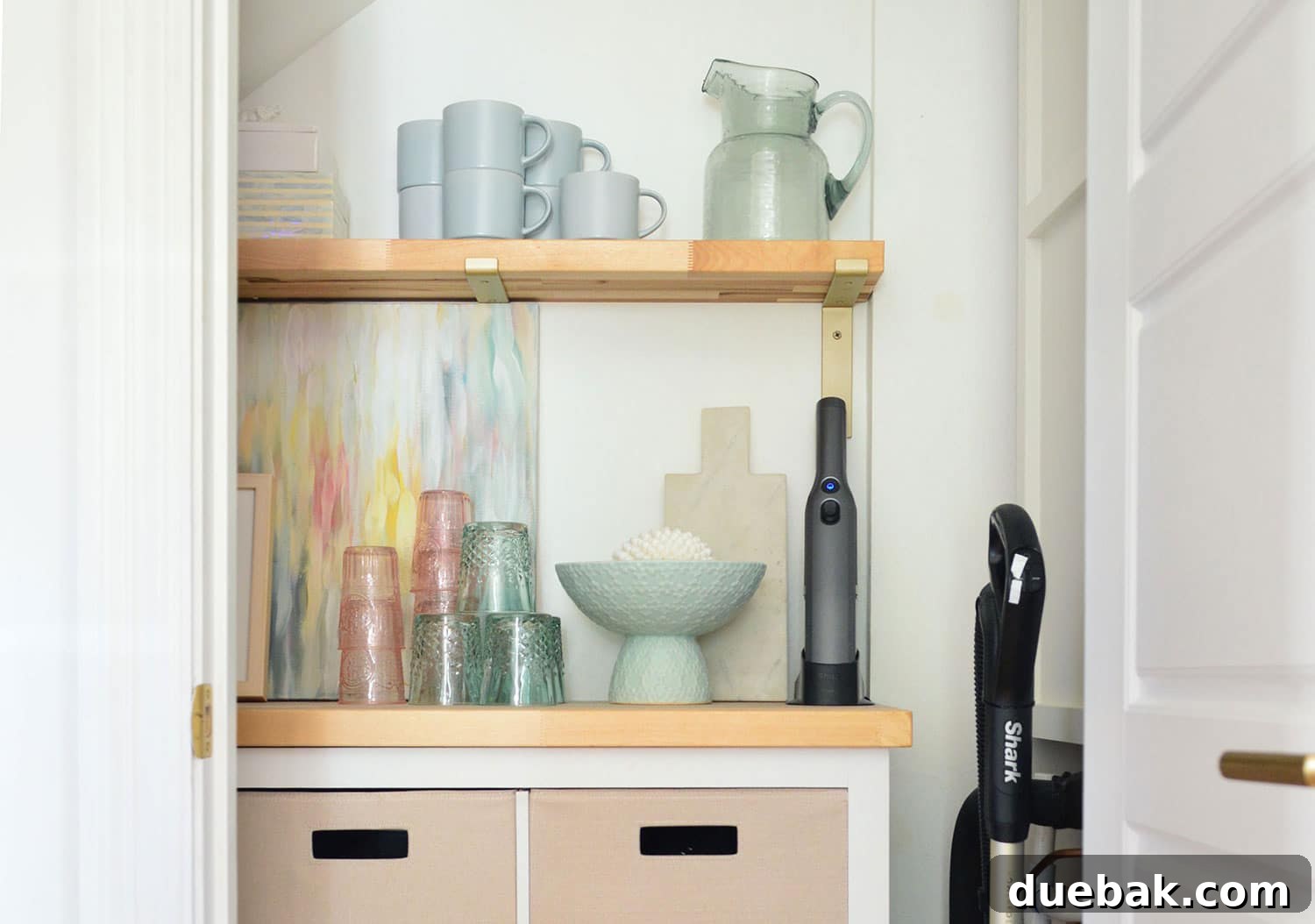
In the realm of home improvement, maximizing every square inch of space is a constant pursuit, especially in smaller homes. Today, we’re thrilled to share a recent project that dramatically transformed one of the most underutilized areas in our house: the utility closet. What once served as a cramped, chaotic home for our water heater and HVAC system has undergone a remarkable metamorphosis, becoming a beacon of smart storage and efficient organization. This isn’t just a minor tweak; it’s a complete reimagining that has unlocked an incredible amount of extra storage in our new kitchen’s footprint, effectively boosting its capacity by an astounding 500%.
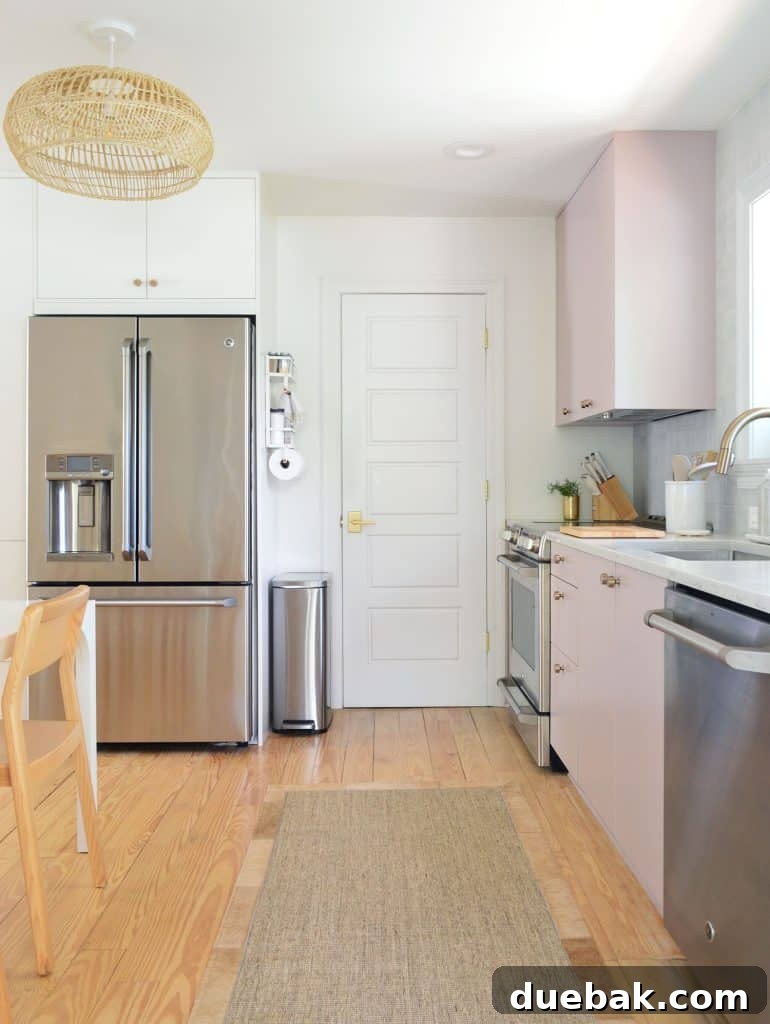
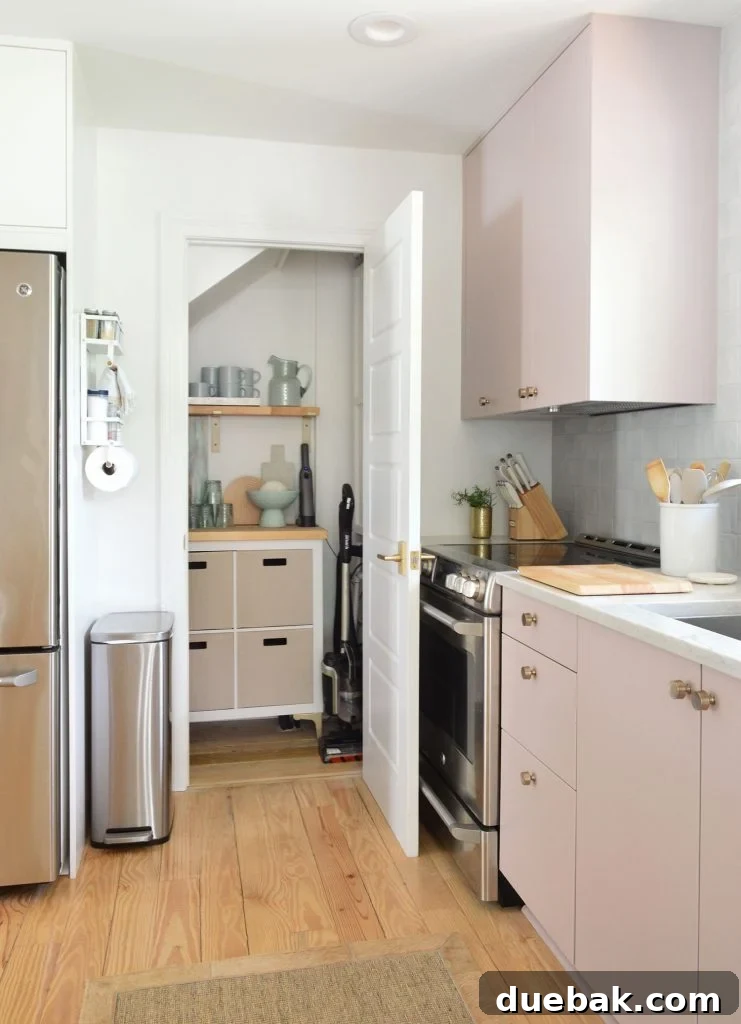
If you’ve been following our journey, particularly our detailed kitchen organization video, you might have already caught a glimpse of this spectacular transformation. But today, we’re peeling back all the layers, providing a comprehensive tour with all the angles and insights into how we managed to turn a “mostly water heater” closet into a versatile storage powerhouse for “so much everything else.” Get ready to discover practical solutions for boosting your home’s storage capacity and making even the most challenging spaces work harder for you.
From Clutter to Potential: The Utility Closet Before Its Grand Makeover
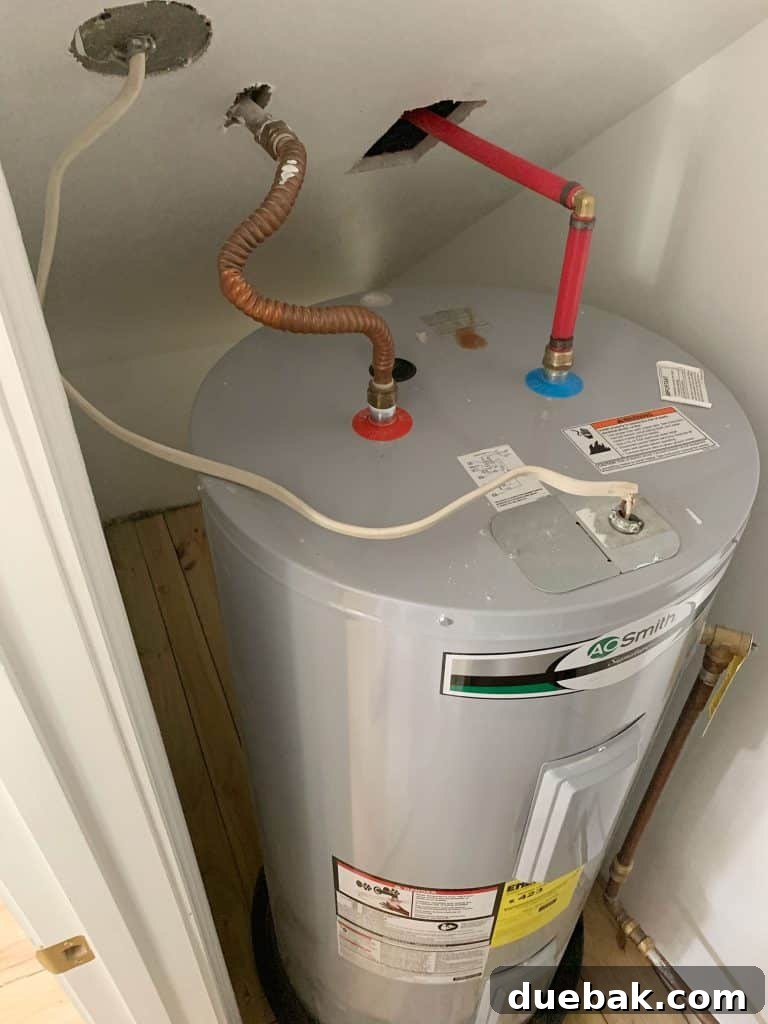
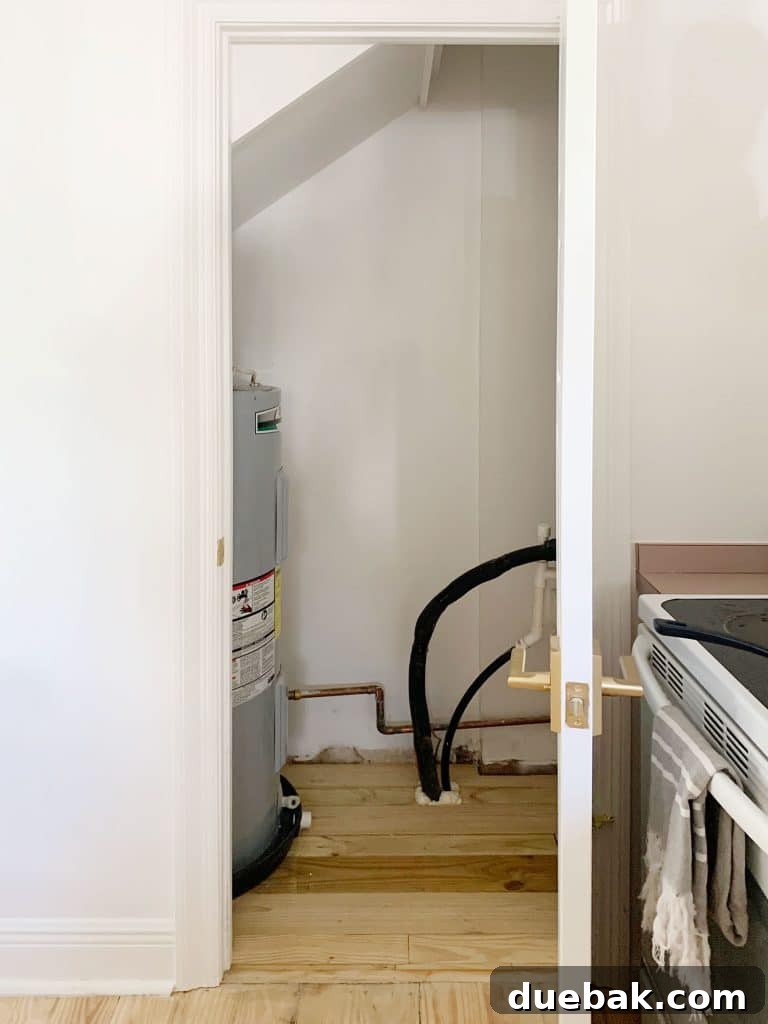
Our utility closet, prior to its renovation, was the epitome of a forgotten space – functional, but entirely uninspired and woefully inefficient. We honestly don’t have many “before” photos, simply because there wasn’t anything visually appealing or noteworthy about it. In a compact home like ours, every nook and cranny must serve a purpose, and this particular closet was tasked with housing essential, albeit unsightly, systems: the HVAC unit and a bulky electric water heater. It was purely utilitarian, designed for function over form, and as a result, offered almost no usable storage.
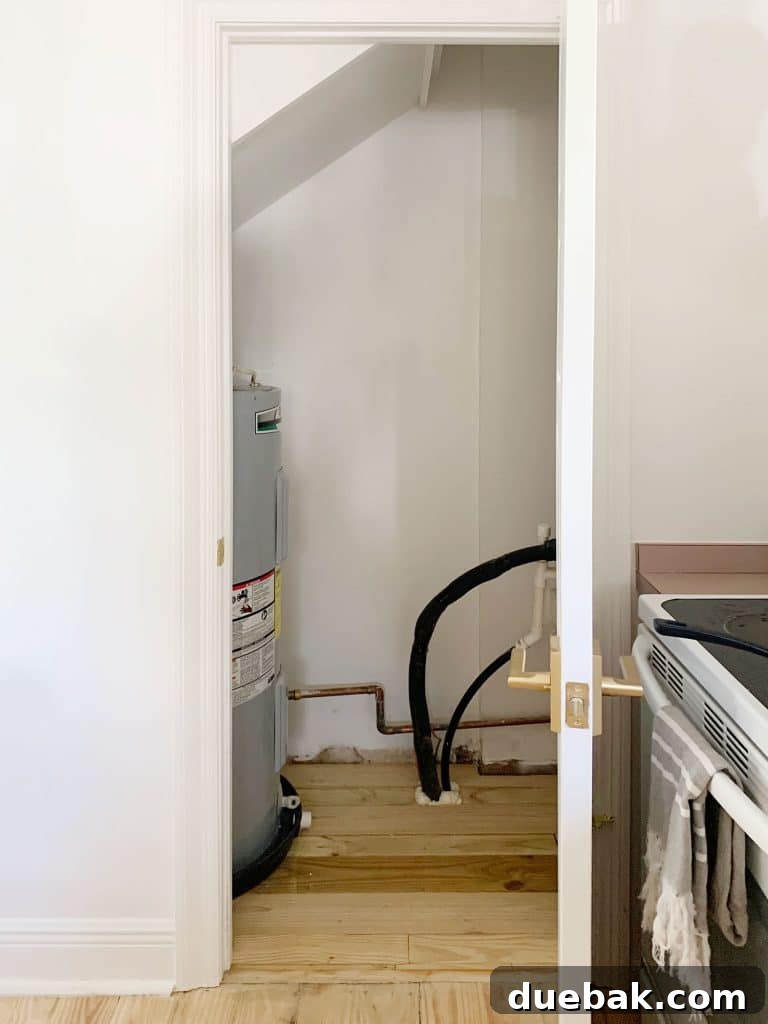
The photo above, taken shortly after we moved in, illustrates the challenge. The HVAC system, identifiable by the thick black tubes on the right of the doorframe, consumed a significant portion of the closet’s width. While the closet itself boasted considerable depth, extending all the way under the stairs, this potential was completely negated by the massive electric water heater. This behemoth of an appliance monopolized more than half of the valuable under-stairs real estate to the left of the doorframe, rendering it utterly inaccessible and unusable for anything beyond its own footprint. It was a classic example of wasted space in a home where every inch counts, a common challenge in small homes seeking clever utility closet organization.
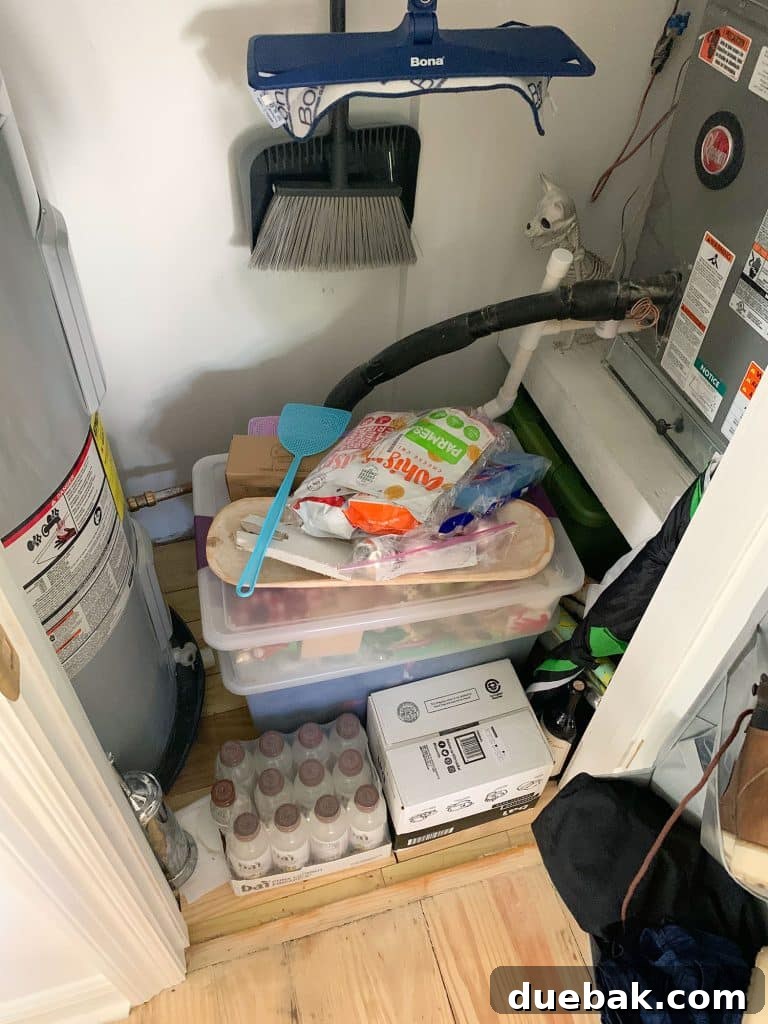
For a brief, chaotic period during our initial days here, the sliver of floor space between the water heater and the HVAC system became a dumping ground for miscellaneous items. You can see it in the image above: an extremely random assortment of bins filled with Christmas decorations and other odds and ends we hadn’t yet found a proper home for. (And yes, that’s a chihuahua skeleton – thankfully, our Halloween decor now resides neatly in a fabric bin in the laundry closet, alongside Easter eggs and pumpkin carving tools. Our Christmas essentials, too, have been relocated to one of the wardrobes in our bedroom.) This snapshot perfectly encapsulates how desperately our home’s organization needed an upgrade from day one, underscoring the need for smart home storage solutions.
The most frustrating aspect of this previous setup was undoubtedly the monumental water heater. It acted as an impenetrable barrier, blocking off a vast and potentially invaluable storage cavity beneath the stairs. In a smaller home, discovering such a large, empty, yet completely inaccessible space is a constant source of agony for any homeowner trying to optimize their living area. The knowledge that perfectly functional storage was just out of reach fueled our determination to find a better solution. This pain point, a lack of efficient under stairs storage, ultimately became the catalyst for the entire utility closet renovation.
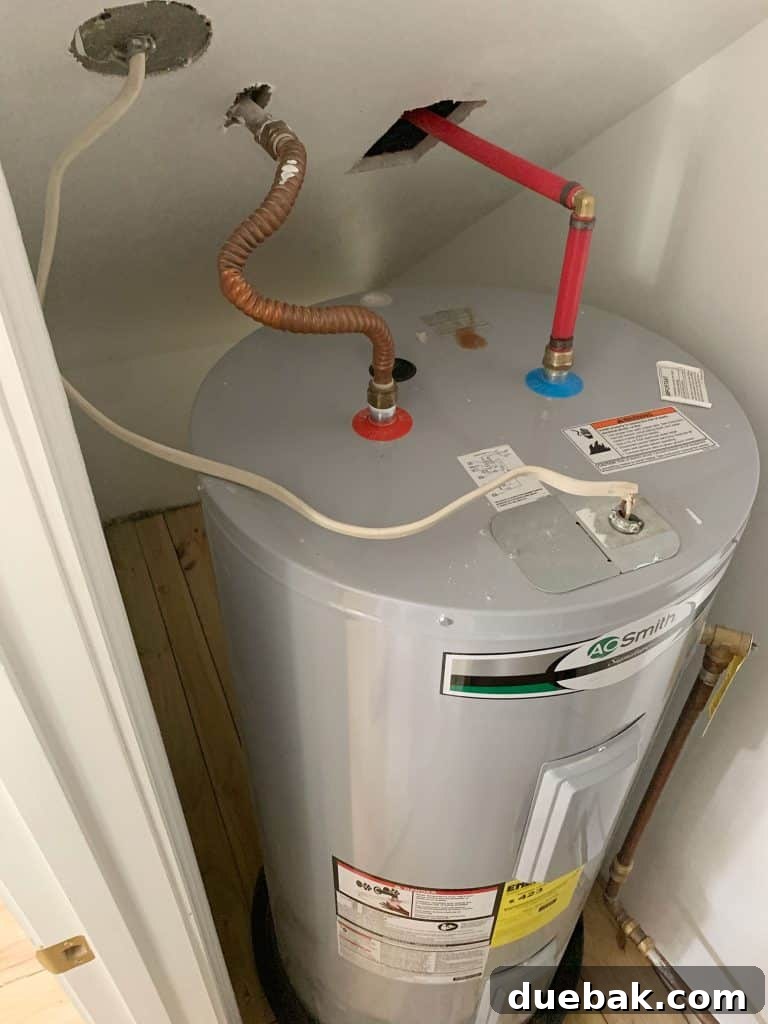
Thus began the first pivotal step in transforming this neglected corner into a highly functional storage haven.
Step 1: The MVP Move – Upgrading and Relocating the Water Heater
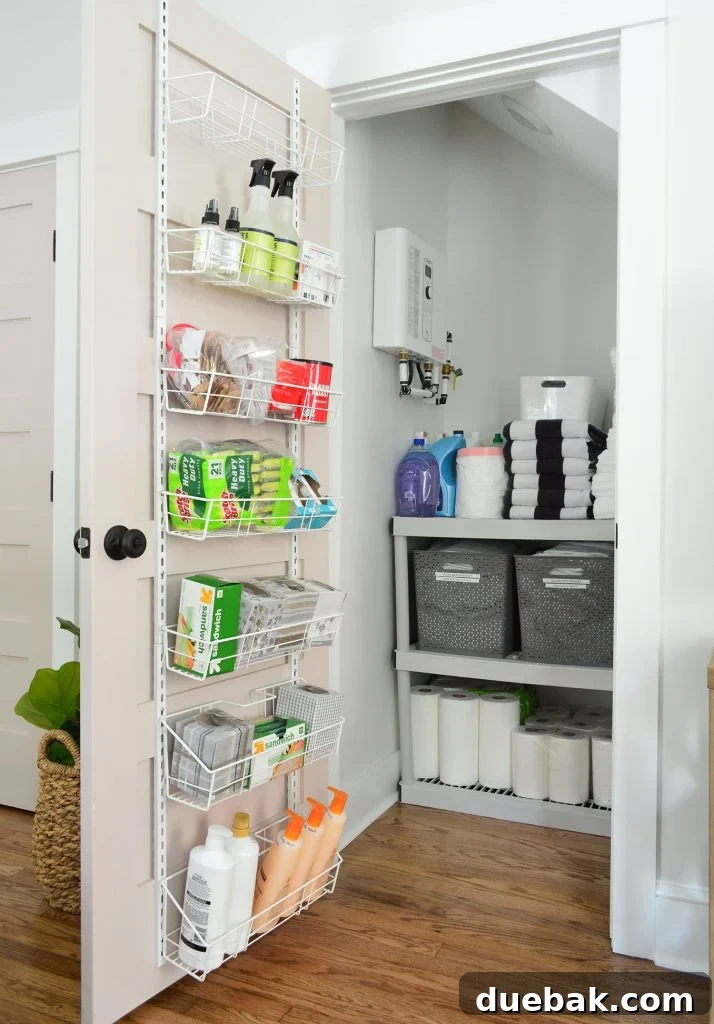
The single most impactful decision in this entire project, truly earning it the title of “MVP,” was the replacement of our old, bulky electric water heater with a modern, energy-efficient tankless model. This wasn’t our first rodeo with tankless units; we’d successfully installed them in our pink beach house and our duplex, so we were already well aware of their space-saving advantages and the benefits of tankless water heater installation. We knew that making this switch would drastically reduce the footprint within the closet and grant us much-needed access to the previously blocked area under the stairs.
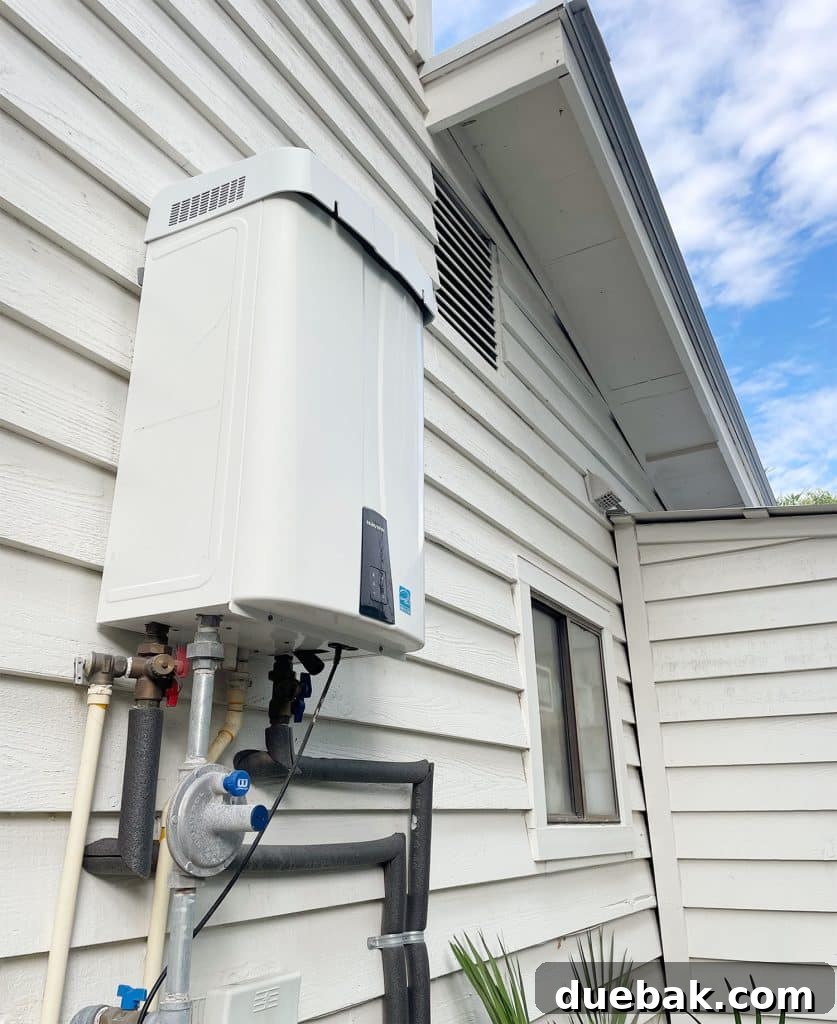
What came as an incredibly pleasant surprise, however, was learning that tankless water heaters are commonly installed on the exterior of homes in our Florida region. As relative “Florida novices,” this was a game-changer! “Thar she blows,” indeed – our new tankless unit now sits discreetly mounted to the siding on the back of our house, right outside the utility closet. This location is strategically chosen for all our “ugly” but essential home equipment, including pool machinery, the gas meter, and our generator, all neatly tucked away behind a tall gate where they remain out of sight and out of mind.
This single, transformative move yielded dual benefits: not only did we gain a more energy-efficient water heating system, but we simultaneously unlocked an astonishing amount of previously inaccessible storage space. The entire cavity beneath the stairs, once a frustrating void, was now entirely at our disposal. For anyone who has ever downsized or lives in a compact home, gaining such significant square footage is nothing short of a dream come true – it’s practically our love language, providing essential under stairs storage ideas for small spaces.
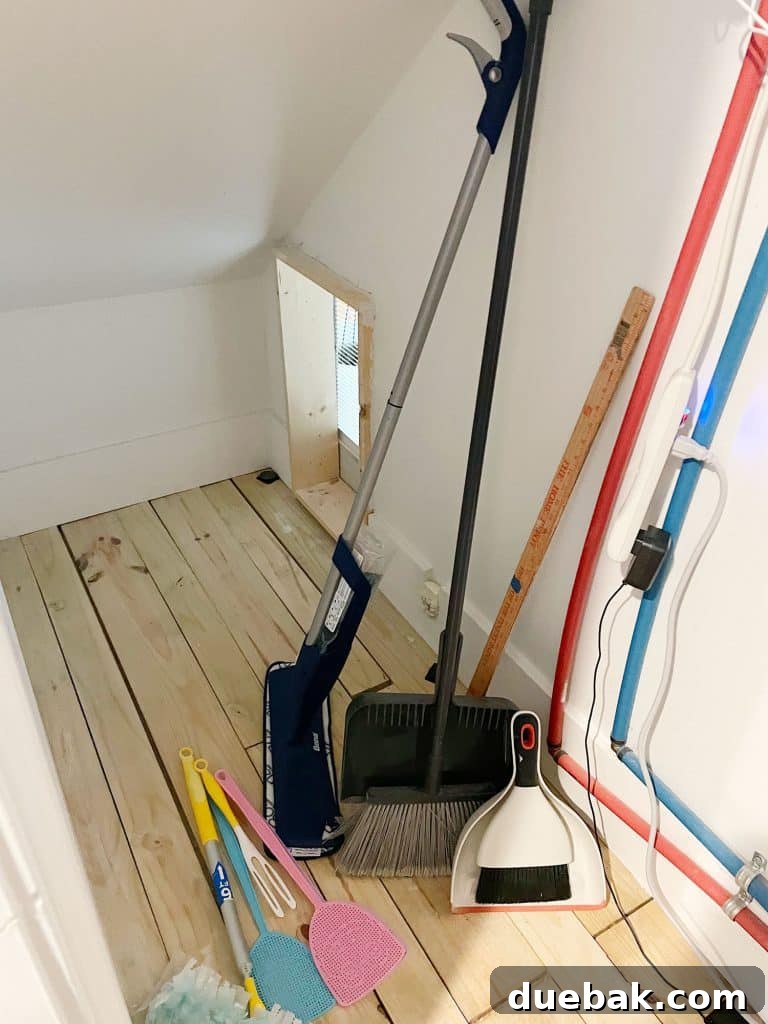
With this newfound space, we were eager to put it to good use. However, our initial attempts were, admittedly, a bit haphazard. We adopted a “slapdash approach,” hanging some wire shelves to organize tools and miscellaneous supplies, and simply placed larger items directly into the newly accessible under-stairs area. This period of trial and error, though lacking in photographic evidence (there was nothing to highlight visually, as it quickly became clear it wasn’t working!), was crucial. We quickly realized that wire shelves, while offering some verticality, were too shallow and flimsy for the diverse array of items we intended to store, and the overall “chaotic vibe” was far from our long-term vision for decluttering tips. The image below is actually a rare screenshot from one of Sherry’s insurance-mandated “house spin” videos – a tip we picked up from Shavonda. The theory is that if you have a recent video recording of every corner of your home, you have a solid reference for your insurance carrier should anything happen while you’re away, ensuring you’re fully reimbursed for lost items.
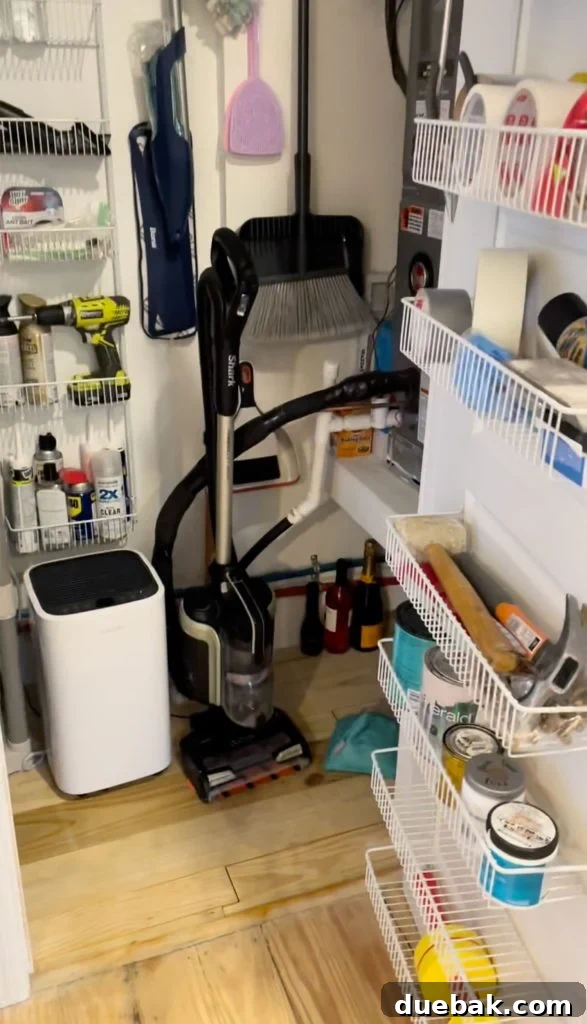
We lived with this temporary setup for a while, acknowledging its imperfections but also refraining from rushing into another suboptimal solution. As our kitchen renovation progressed and our overall design vision crystallized, we gained much-needed clarity on how this bonus utility space could best serve our needs. It became clear that shallow wire shelving was definitely not part of the ultimate plan for effective storage solutions. Before we could introduce a more aesthetic and functional storage system, however, there were still some literal obstructions in our way.
Step 2: Clearing the Path – Rerouting Pipes and Wires for Optimal Space
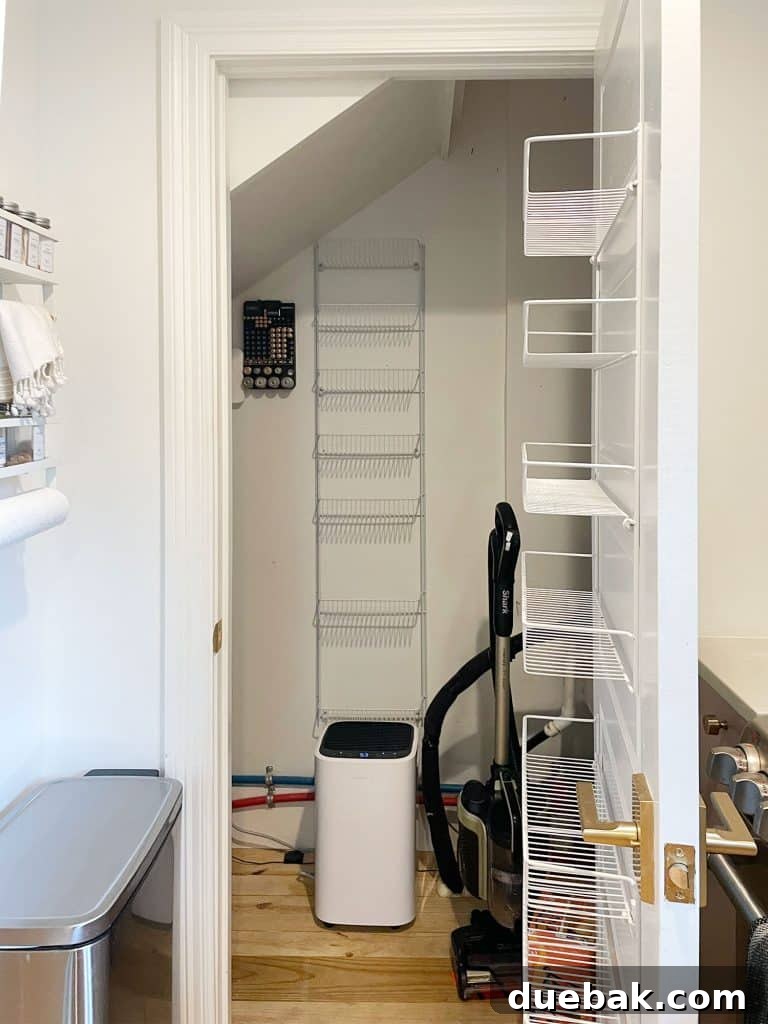
Even with the water heater relocated, the utility closet still presented challenges in the form of various wires, tubes, and pipes. These essential but intrusive elements prevented us from fully realizing our vision for the space and strategically placing new storage solutions. To achieve a truly clean and maximized layout, we invested approximately $280 to bring in two sets of professionals to expertly reroute these systems, a critical step in any home renovation project aimed at decluttering.
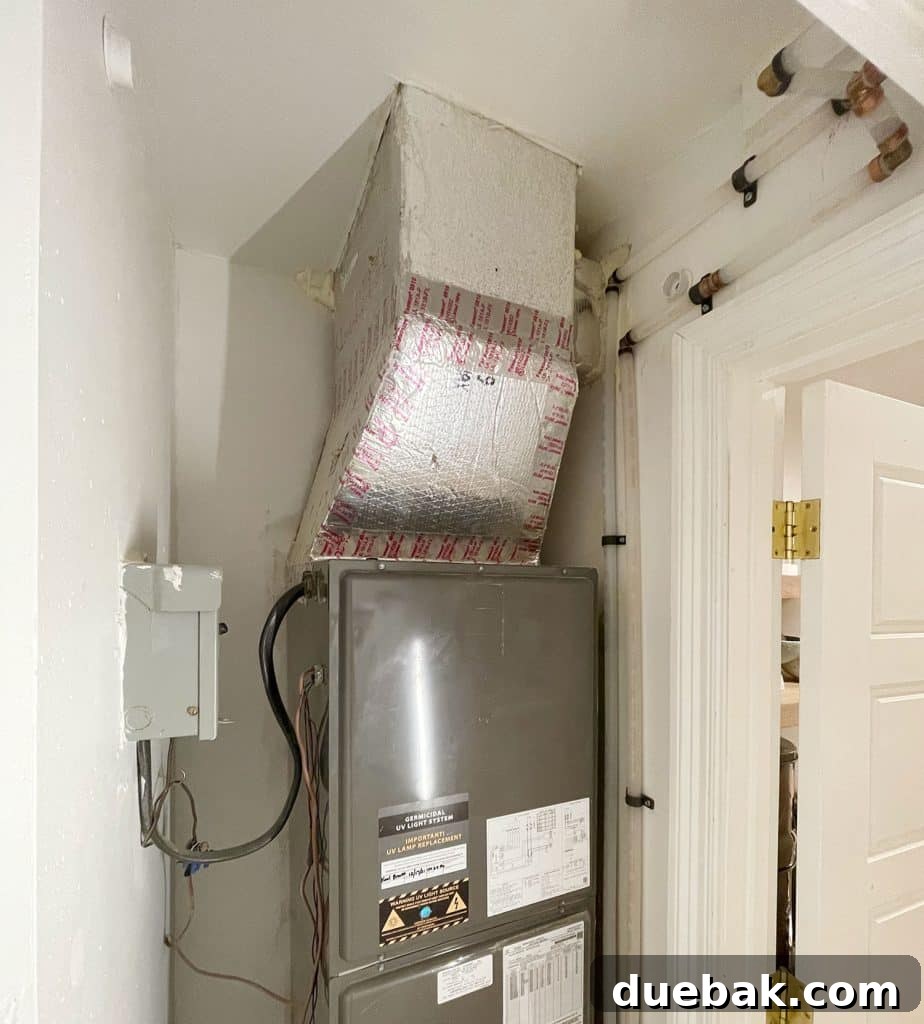
First, our trusted HVAC specialists meticulously rerouted the thick black tubing and white pipe connected to the HVAC system. Their goal was to hug these lines as tightly as possible against the right-hand wall, ensuring they no longer arced widely into the main closet area. This seemingly small adjustment made a significant difference in opening up vertical and horizontal space. It’s critical to stress the importance of professional help for HVAC modifications; never attempt to alter these complex systems with a handyman or as a DIY project unless you possess expert knowledge. We always rely on a highly skilled HVAC technician for any changes, as maintaining a comfortable home temperature is absolutely paramount.
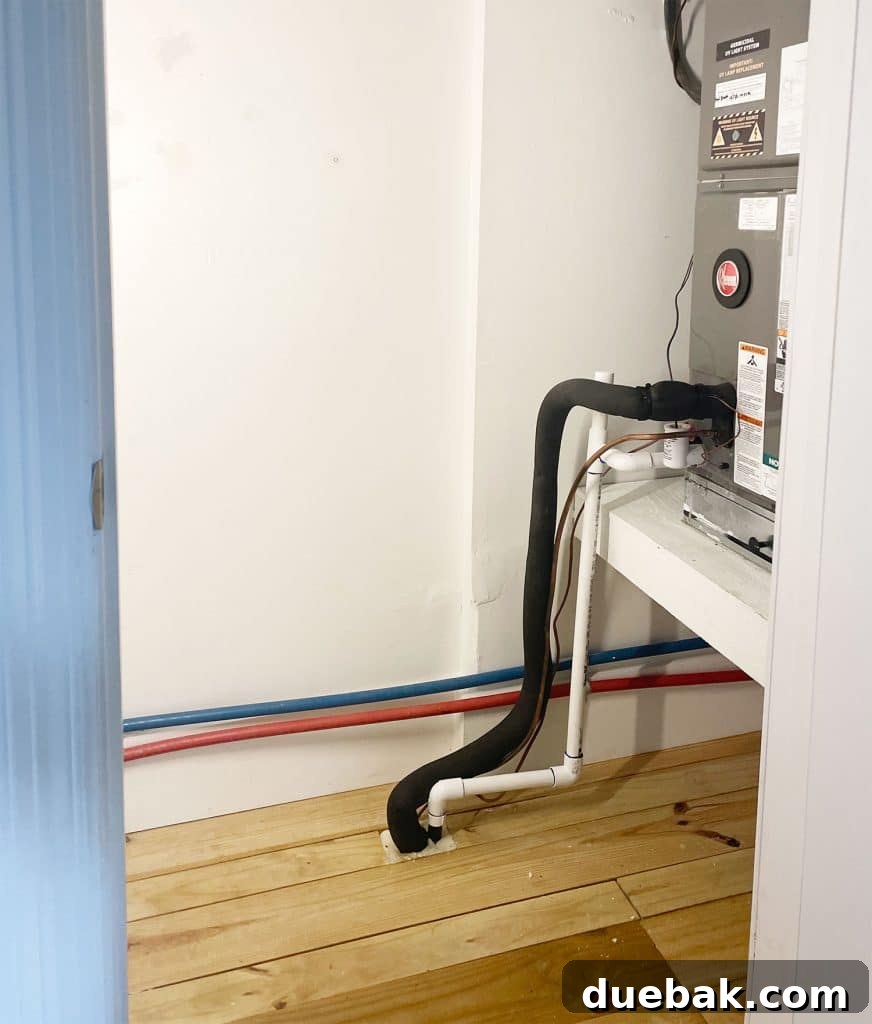
Later that same day, our favorite plumber arrived to re-route the water lines that feed our newly installed tankless water heater. By carefully moving these lines, we completely eliminated their obstruction of the back wall. Ingeniously, we managed to hide them entirely behind the doorway molding, so they are now completely invisible from the kitchen. Observe the original blue and red water lines running above the baseboards in the previous photo – they’ve now been stealthily integrated behind the doorframe, appearing as those discreet clear tubes in the image below. This careful planning ensured that every surface was optimized for future storage, leaving no exposed plumbing to detract from the clean aesthetic, a key aspect of maximizing small space storage.
With all major obstructions removed and the walls cleared, we were finally ready to embark on the most enjoyable part of the transformation: introducing the actual storage solutions that would bring this utility closet to life.
Step 3: Elevating Storage – Customizing a Cube Organizer with Style and Function
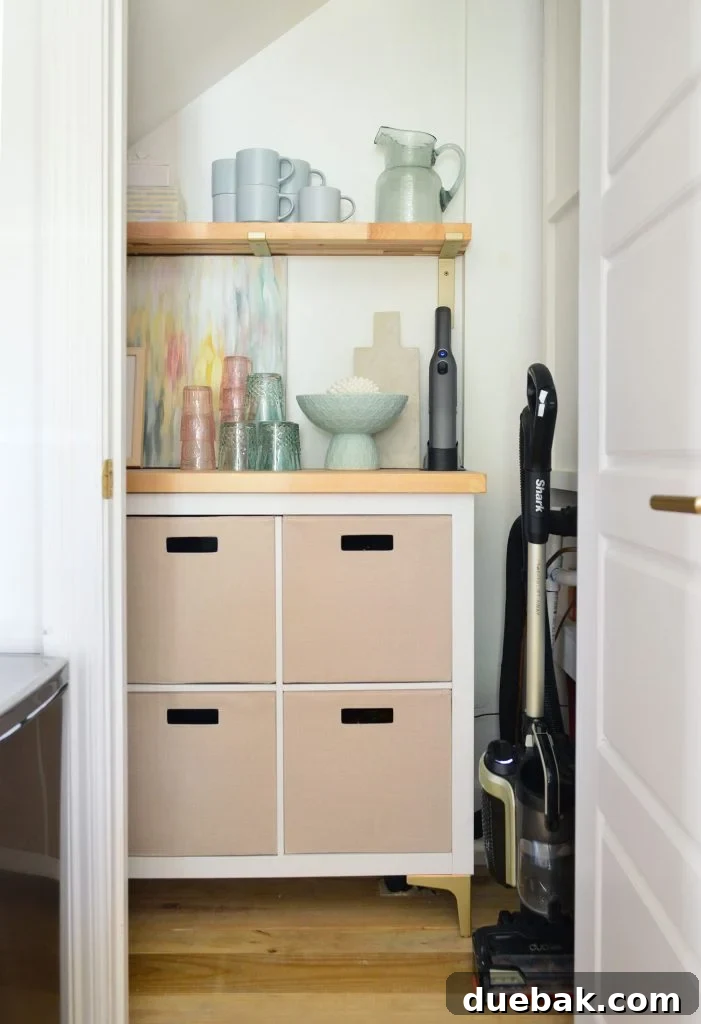
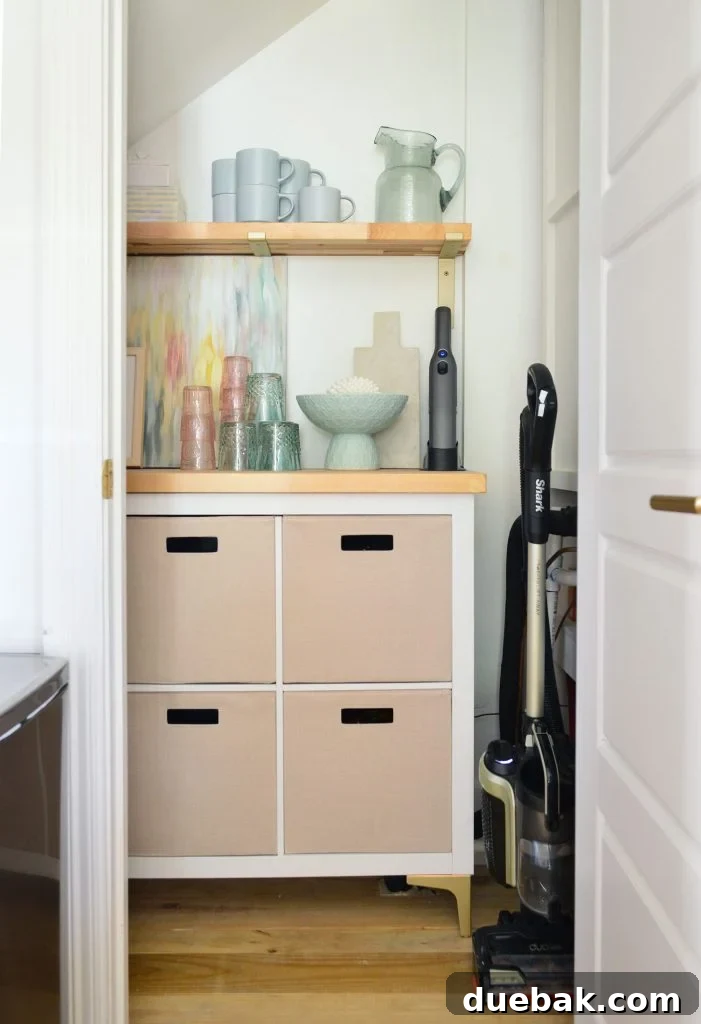
Brace yourselves, because this is where the utility closet truly begins its exciting evolution! Having cleared the space and meticulously planned our approach, we moved beyond the basic and inefficient wire shelving to implement a robust and aesthetically pleasing storage system. Our core choice was a versatile cube shelf organizer, a popular and adaptable solution for many homes. However, we weren’t content with just a standard look; we elevated its design to be far “less-than-basic” by incorporating thoughtful custom touches.
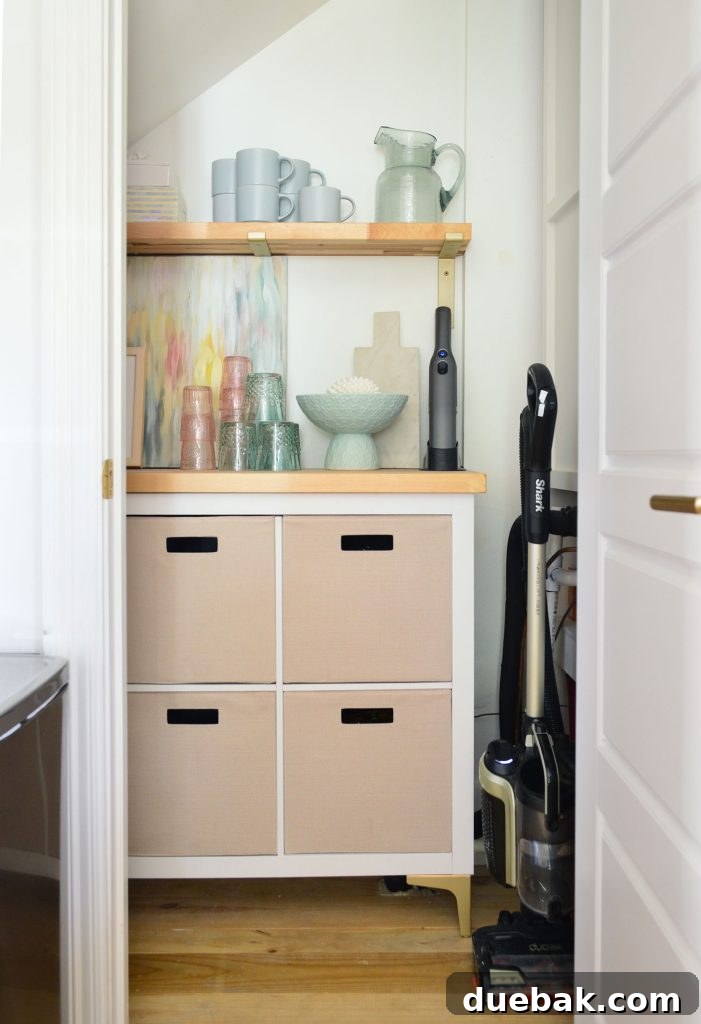
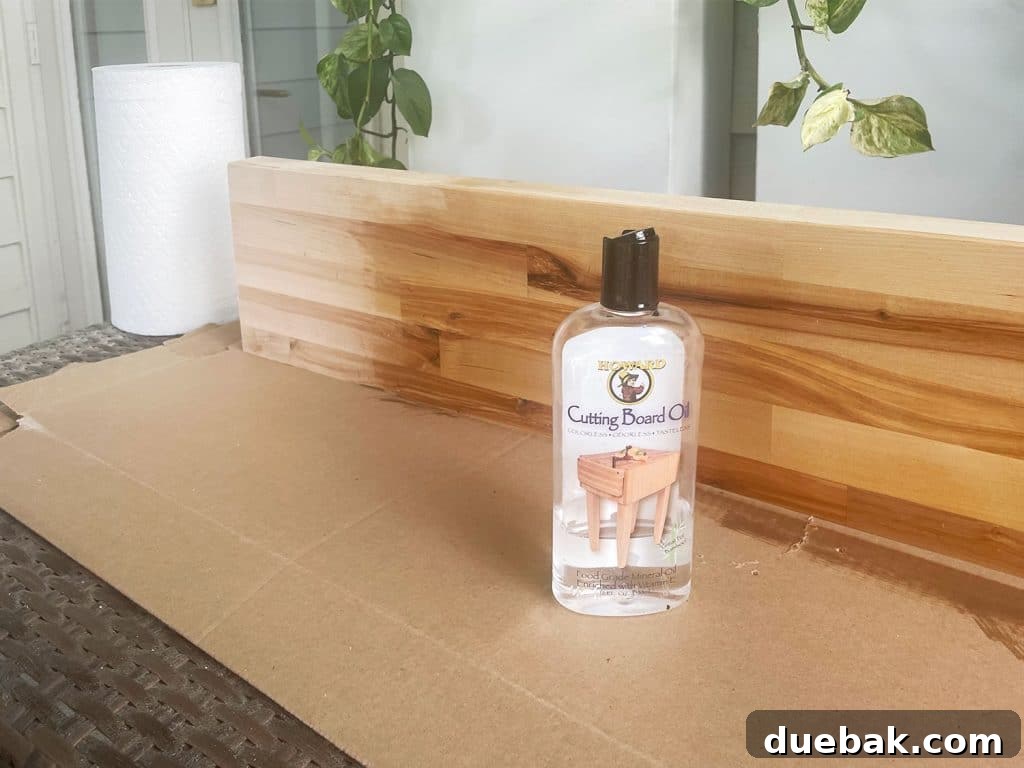
To give the cube organizer a more furniture-like feel and a touch of sophistication, we added elegant 5-inch brass furniture legs. But the true game-changer was topping it with a custom-cut piece of butcher block counter. We meticulously cut the butcher block to size, ensuring a perfect fit, and then sealed it with two coats of cutting board oil. This oil not only protects the wood but also enhances its natural warmth, drying to a slightly lighter, beautiful finish once fully absorbed. The result is a durable and stylish countertop that adds significant functionality and visual appeal to the closet, offering a practical DIY storage solution.
Given that four of the eight cubes are visible when the closet door is open, we opted for matching taupe fabric bins. These bins are not just aesthetically pleasing; they are absolute storage workhorses, concealing a remarkable amount of items and instantly creating a tidier, more organized appearance. The impact on reducing visual clutter and achieving efficient utility closet organization is truly thrilling.
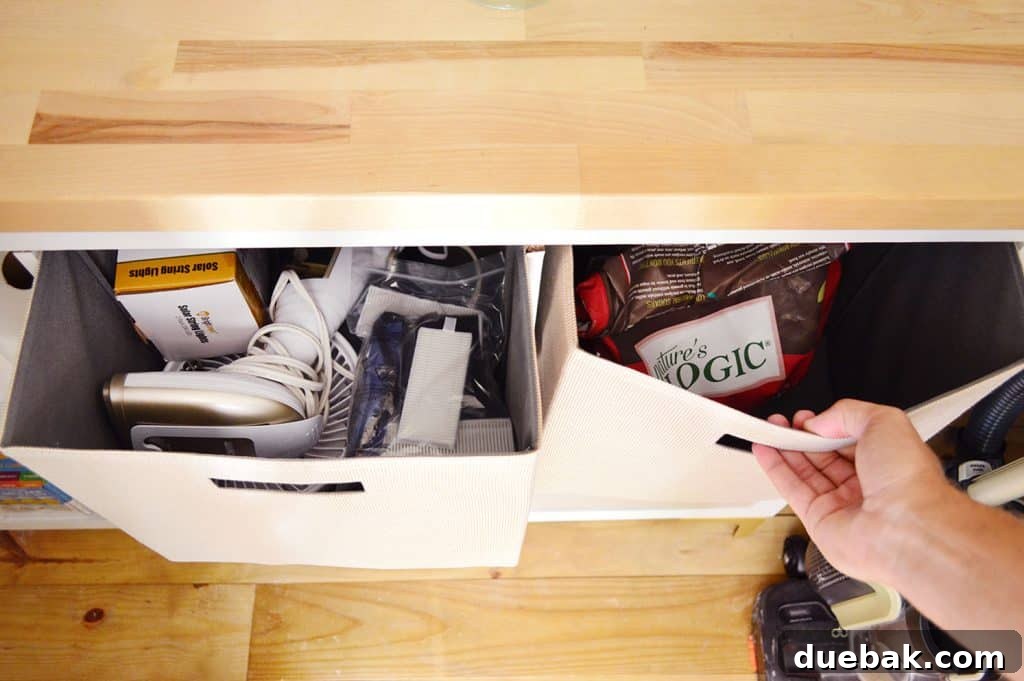
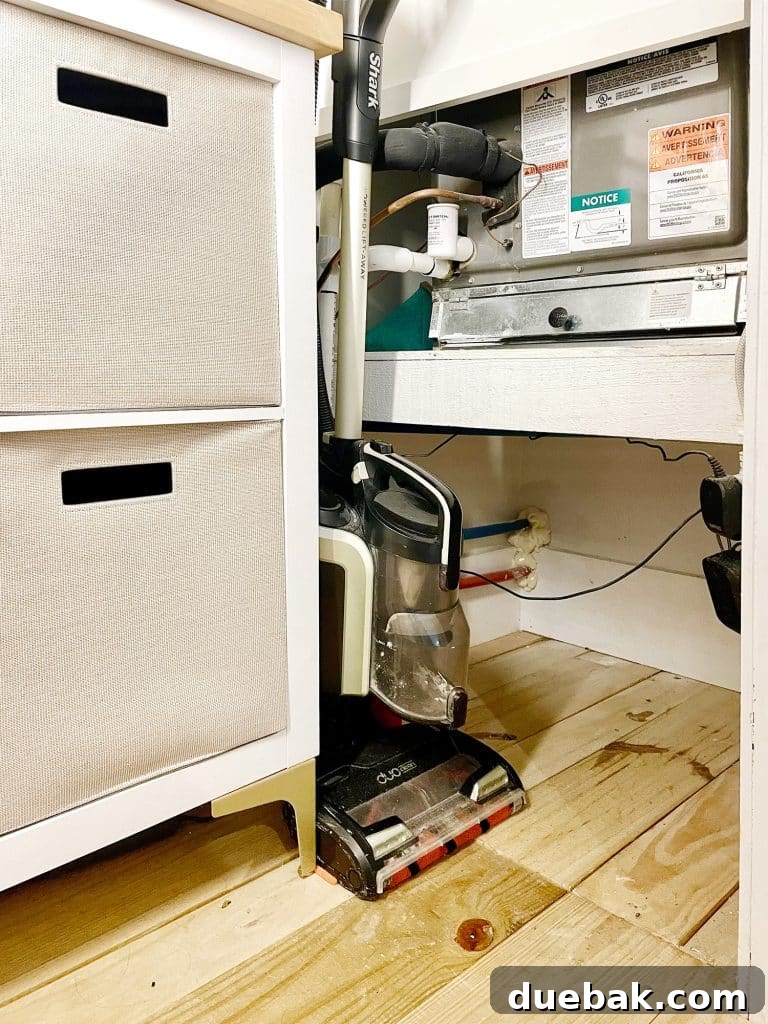
The functionality of these bins is diverse and highly practical. One bin is dedicated to dog food and treats, keeping pet supplies neatly contained. Another houses our garment steamer and various vacuum attachments, preventing them from tangling or getting lost. A third bin contains an assortment of random but essential household items, such as spray paint, caulk, and our trusty caulk gun. This systematic approach is exponentially more pleasurable and efficient than attempting to balance these items precariously on shallow wire shelves, which, incidentally, never could have accommodated our bulkier dog food bags anyway. It’s a testament to effective storage solutions for small spaces.
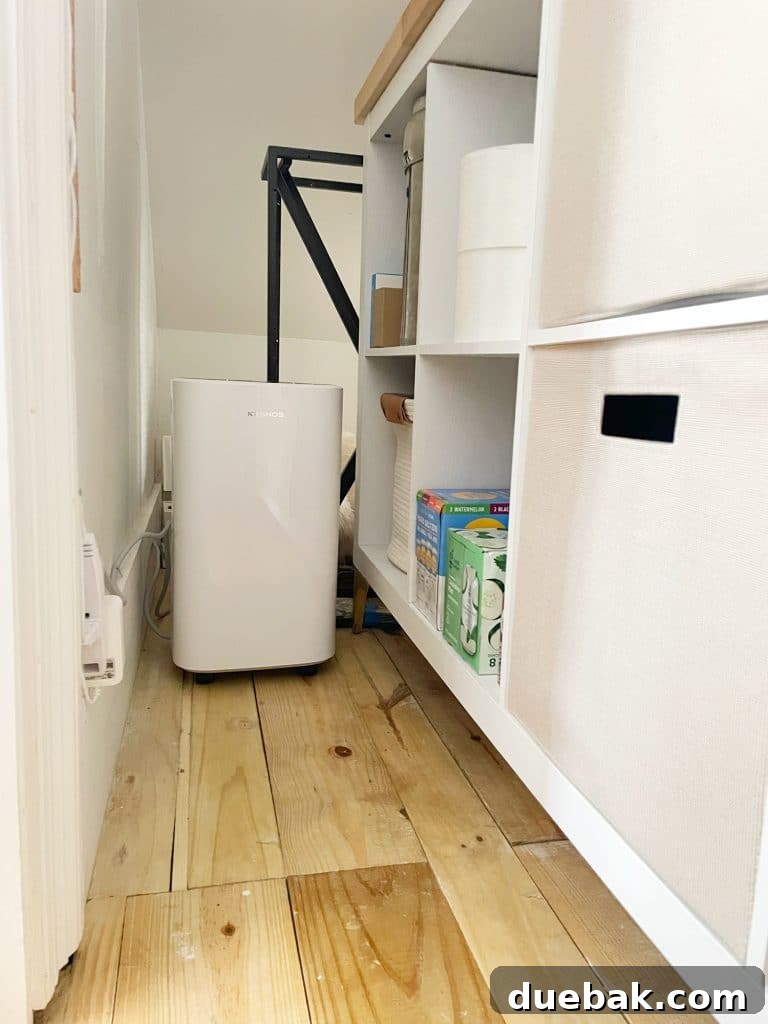
The remaining four cubes were left open and bin-less, providing flexible storage for a smorgasbord of items. This includes overflow beverages, extra toilet paper, emergency supplies, and even our Berkey water filter. Many have asked about the Berkey since it’s no longer on our kitchen counter. The answer lies in the final stages of our kitchen renovation, where we finally ran a dedicated waterline to our refrigerator. This new feature provides on-demand, filtered, always-cold water, along with ice – a luxury we’d gone without for over two years. The fridge also dispenses hot water for tea, which has been nothing short of life-changing. If this were an episode of MTV Cribs, I’d probably spend ten minutes enthusiastically showcasing our amazing new refrigerator and its role in our kitchen organization!
Nevertheless, our Berkey remains a cherished possession. While we primarily use the fridge for daily filtered water, the Berkey is invaluable as an emergency preparedness tool. Its exceptional filtration capabilities – it can literally make pond water potable – make it essential for situations like hurricanes or other unforeseen events, which are always a consideration in Florida. We’ve dedicated one open cube specifically to hurricane supplies, where the Berkey sits alongside a crank radio, a solar-powered charger, and various flashlights, ensuring we’re always prepared for any eventuality.
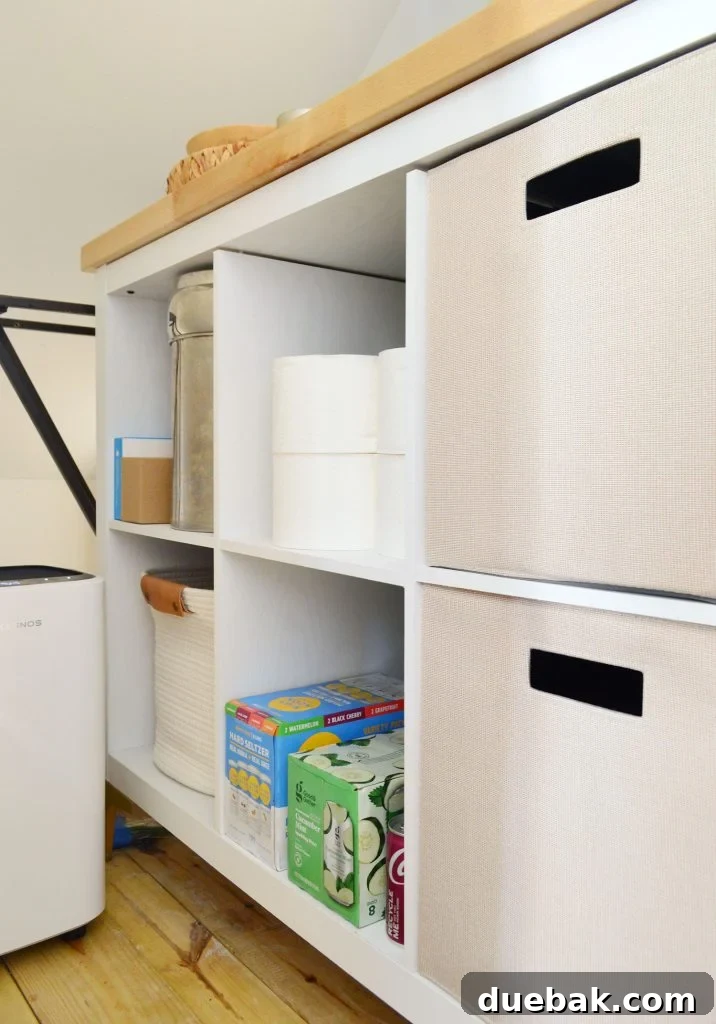
Beyond the cube storage shelf, there’s still additional floor space available in the deep under-stairs section for larger, less frequently accessed items. You might also spot a dehumidifier running, a common sight in humid Florida homes. Strategically placed between the intake vent and our HVAC unit, it actively helps to dehumidify the entire house, contributing to a more comfortable and healthy indoor environment.
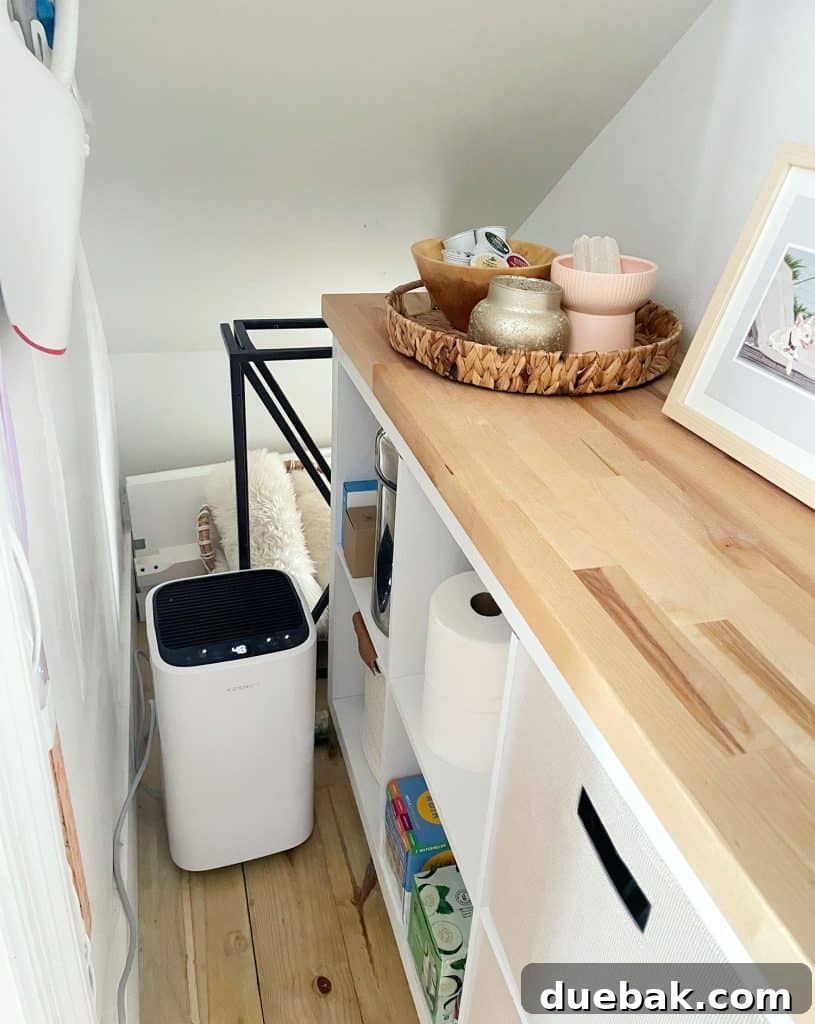
To truly appreciate the transformation, let’s revisit the “before” view from this exact angle. The contrast is dramatic, showcasing the incredible potential that was once hidden behind a massive water heater. This significant difference underscores the power of smart planning and thoughtful renovation for small space storage.
Step 4: Enhancing Verticality – Adding a Stylish Floating Shelf
While the customized cube organizer already provided an abundance of storage, we found ourselves with a leftover piece of butcher block after cutting the countertop to size. Recognizing an opportunity to further enhance the space and capitalize on vertical storage, we decided to incorporate a matching floating shelf. This addition, though not strictly necessary for immediate storage needs, contributes significantly to both the functionality and aesthetic cohesion of the utility closet.
Creating this simple yet effective shelf involved using sturdy metal shelf brackets. To ensure a harmonious design, we spray-painted these brackets with Rust-Oleum’s Sunlit Brass, perfectly matching the hue of the furniture legs we added to the cube storage below. In fact, we realized the original brass legs had a slightly more orange tone, so we applied the same Sunlit Brass paint to them as well, achieving a seamless and cohesive brass accent throughout the space, a fine example of DIY storage shelves.
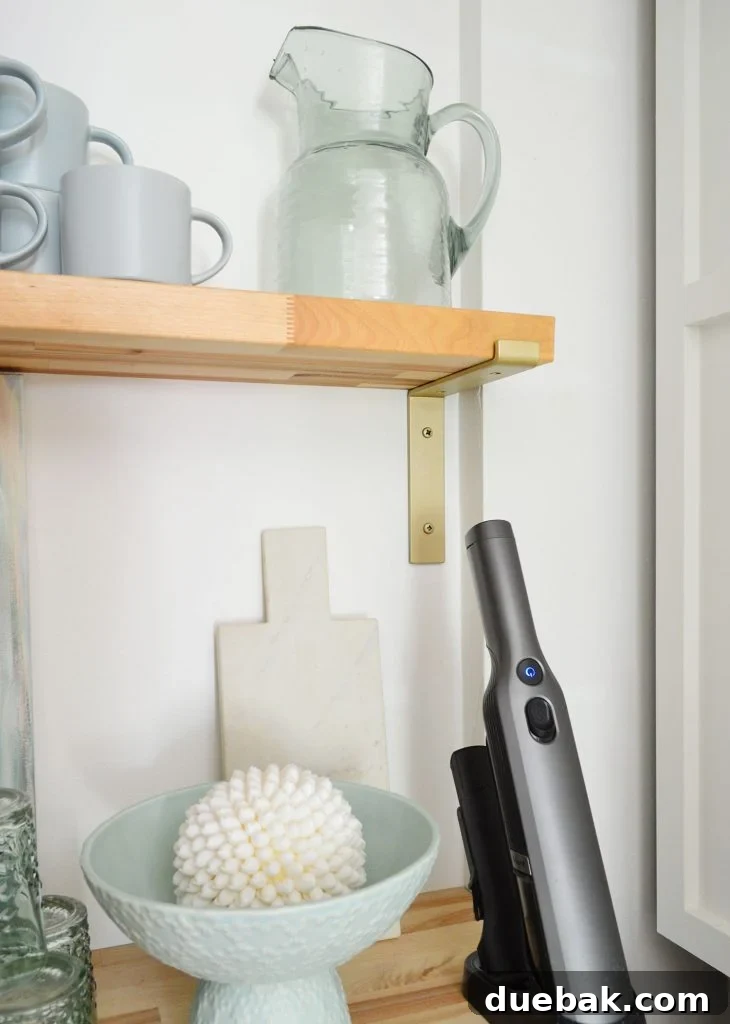
Both the new floating shelf and the butcher block countertop now hold a thoughtful selection of functional items. This includes easily accessible mugs and extra cups for guests, a practical pitcher Sherry uses to water her extensive collection of plants, and a convenient handheld vacuum that’s always within reach for quick clean-ups, even for the kids. Beyond pure utility, Sherry also seized the opportunity to add a few decorative elements. This closet has truly evolved from a forgotten, underutilized space into something akin to a stylish pantry or even a bonus bar area, radiating a level of sophistication we deeply appreciate. It’s proof that even the most utilitarian spaces can be transformed into aesthetically pleasing and highly efficient zones through creative utility closet organization.
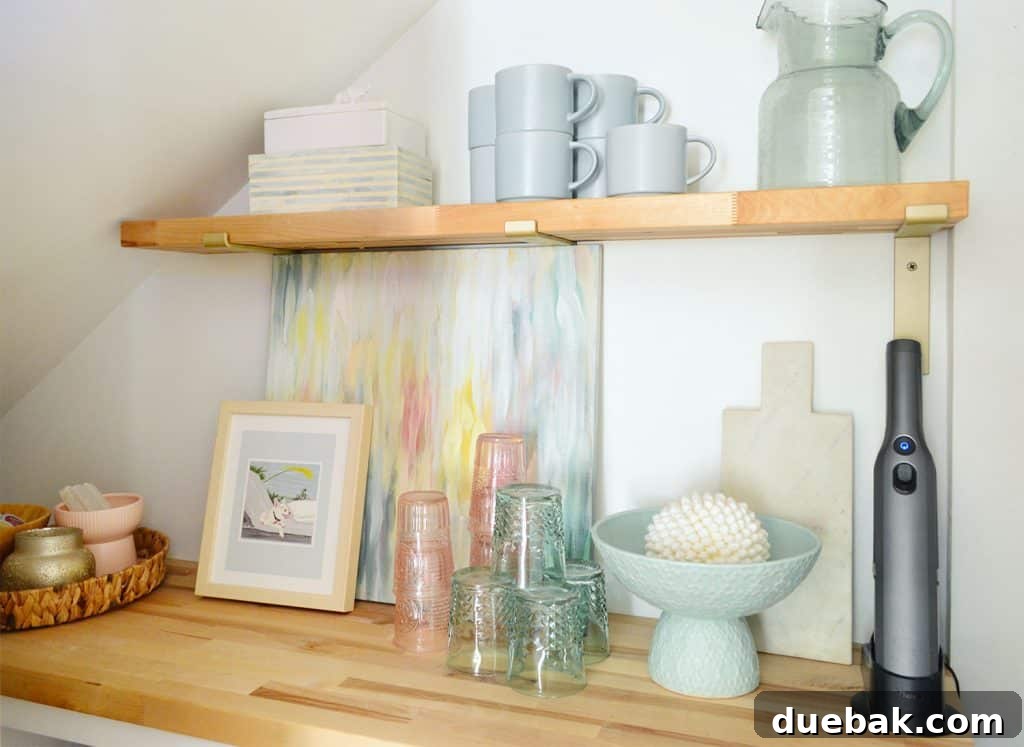
Indeed, even framed illustrations of your beloved dog and elegant vases can find a happy home in a closet when space is utilized intelligently. It’s all about living your best, most organized life! If you’re inspired to explore more shelving possibilities for your home, our comprehensive post featuring 16 easy DIY shelf projects offers a wealth of ideas to get you started on your own home improvement journey.
Step 5: Masterful Concealment – Covering the HVAC Unit for a Clean Look
Having invested so much effort into enhancing the functionality and aesthetics of our utility closet, one major eyesore remained: the imposing and purely utilitarian HVAC unit. It stood starkly next to our newly spruced-up storage area, disrupting the otherwise clean and organized vibe. We knew we couldn’t leave it exposed, but any cover needed to be both aesthetically pleasing and fully functional, allowing easy access for maintenance. And so, an idea was born to artfully conceal the “ugly” in our home renovation.
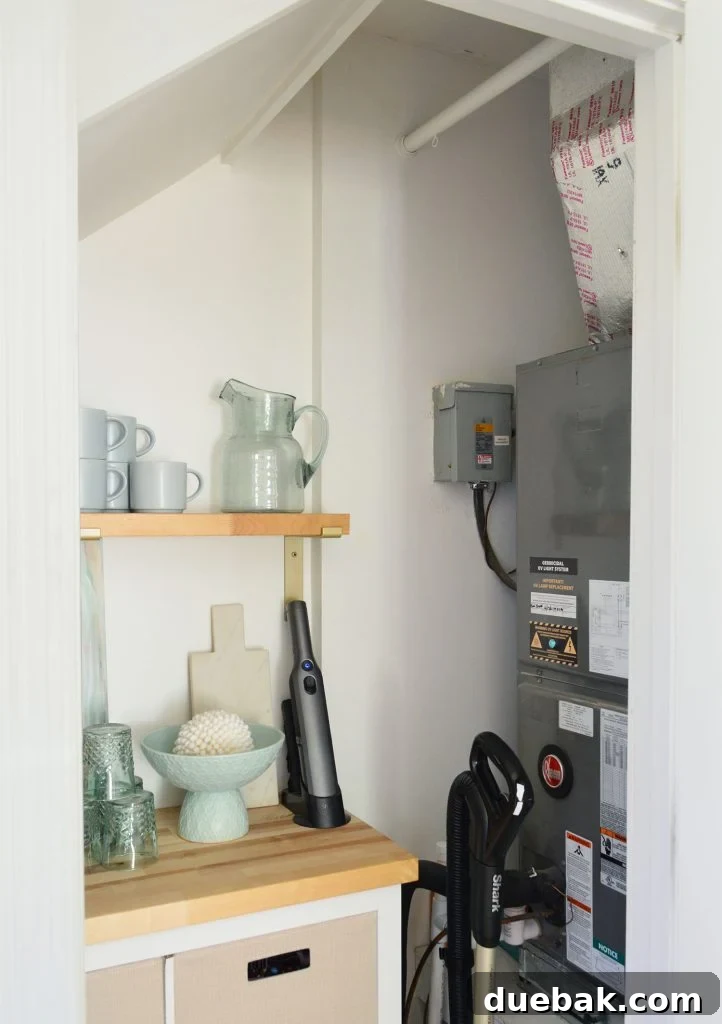
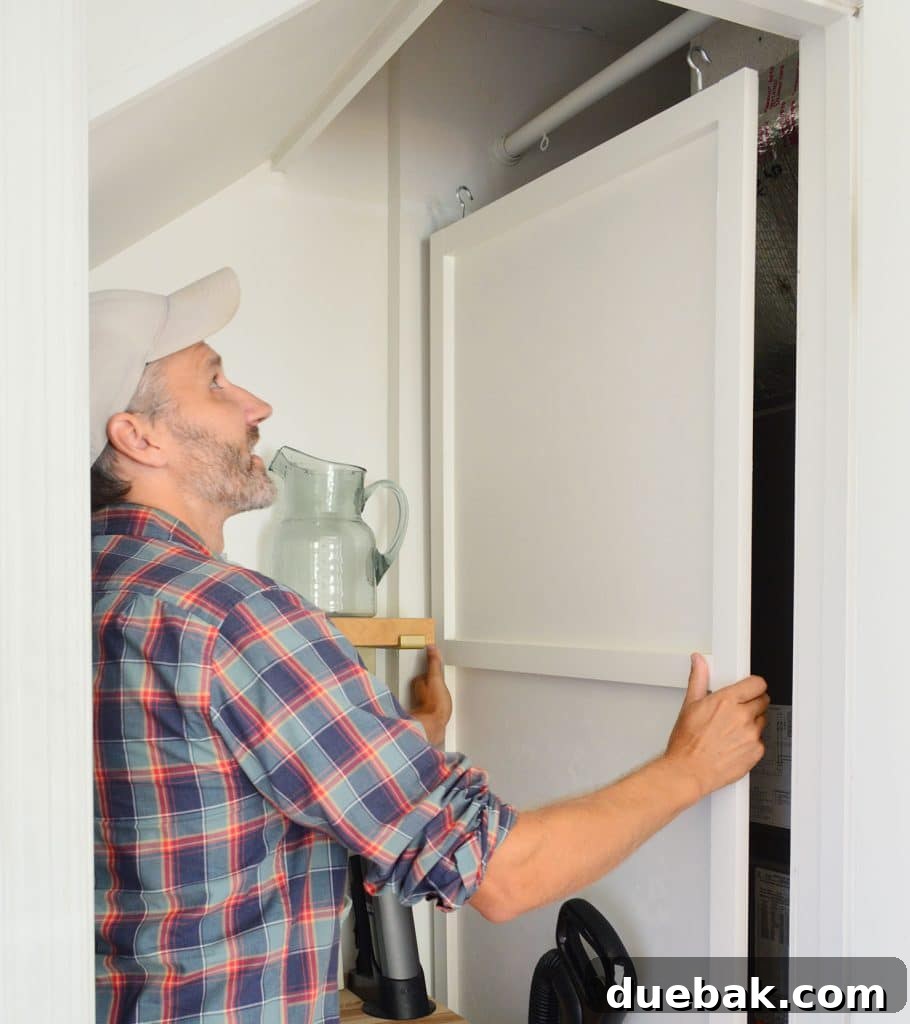
Our solution was to construct a simple, elegant cover panel using a sheet of thin plywood. We carefully trimmed its edges with 1×2-inch boards to give it a finished look and then painted the entire panel in the same soothing wall color, Sherwin Williams Pure White (SW 7005). This strategic choice allows the panel to blend seamlessly with the surrounding walls, virtually disappearing into the background and creating an illusion of expanded space.
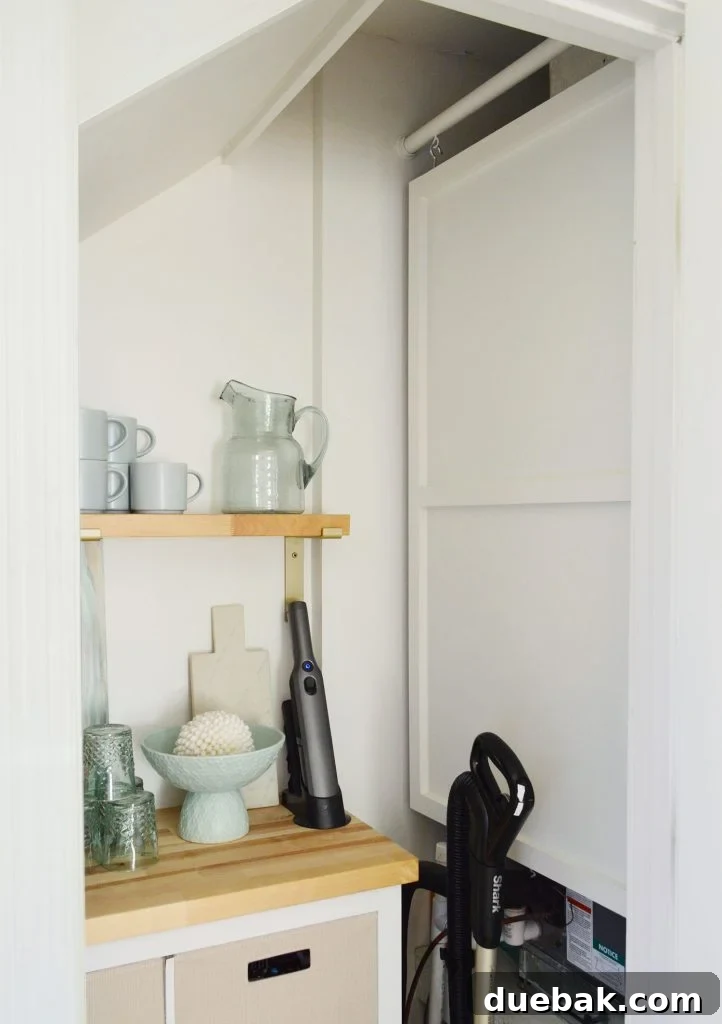
The ingenuity of this design lies in its hanging mechanism. The entire panel is suspended from a series of eye hooks, which are screwed into a basic wooden closet rod we installed near the ceiling. This clever system means that whenever the HVAC unit requires servicing or maintenance, the panel can be effortlessly lifted off the rod and removed, providing technicians with full and unhindered access. It’s a perfect blend of form and function, addressing both aesthetic concerns and practical needs for a truly smart home organization system.
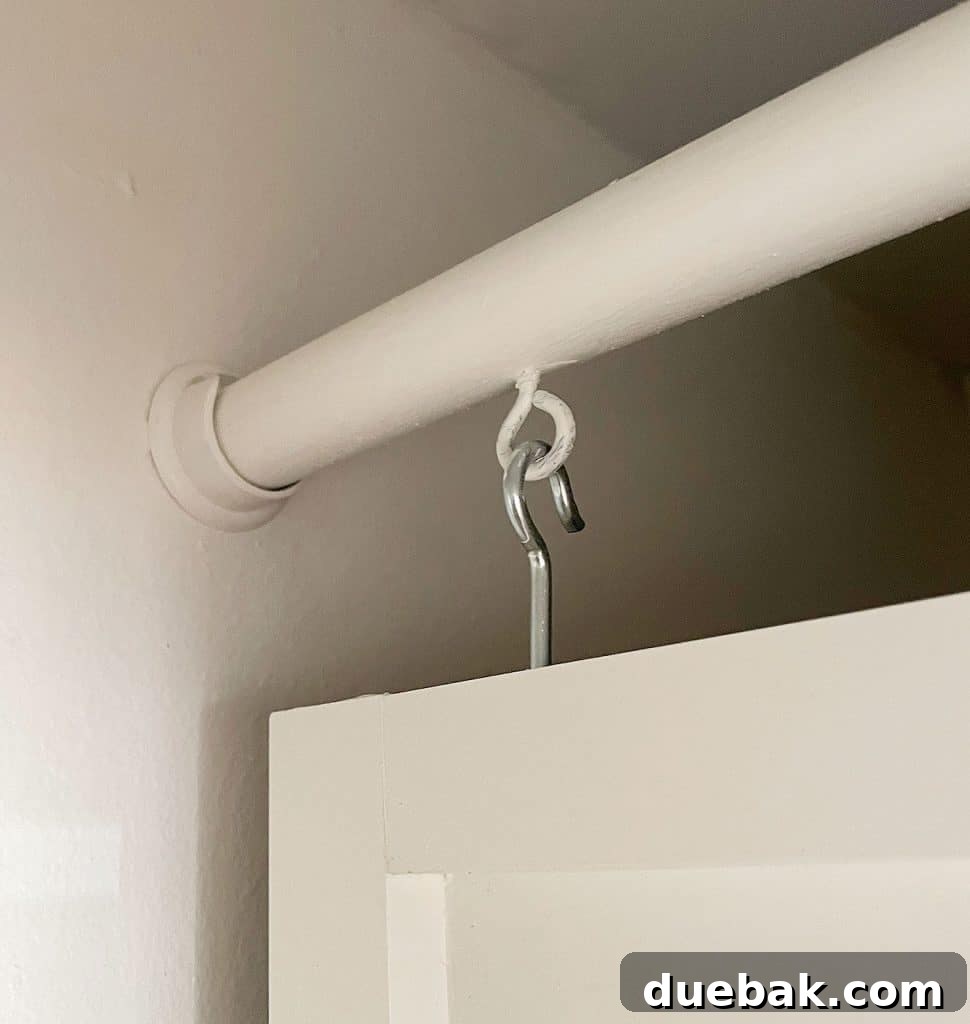
As you can see, lifting the panel is a straightforward task, ensuring that routine check-ups or repairs are never complicated by the cover. Furthermore, because the HVAC unit’s intake vent is located at the bottom, our panel design ensures absolutely no compromise to airflow, which is crucial for the system’s efficiency. Changing the filter is also a breeze and can be done without even needing to take the panel down, demonstrating the thoughtful consideration put into every detail of this DIY concealment project.
The impact of this custom-built cover panel is surprisingly profound. The closet now feels significantly less like a purely utilitarian space and more like an integrated, intentional part of our home. It retains all its essential functions while presenting a much cleaner, more appealing facade – a testament to how creative solutions can transform even the most overlooked corners into valuable elements of a well-organized home.
Step 6: Maximizing Every Surface – Utilizing Hidden Walls for Essential Tools
The final touch in our utility closet transformation involved harnessing the power of often-overlooked spaces: the inner walls. Opposite the elegant cube shelf and to the immediate left of the doorway, we found the perfect vertical real estate to corral some of the last remaining, frequently used household items. This includes practical necessities like a dustpan, various cleaning wands, and even a trusty fly swatter – you know, the kind of “sexy stuff” that every home needs but rarely finds a stylish home for, highlighting the importance of efficient storage solutions.
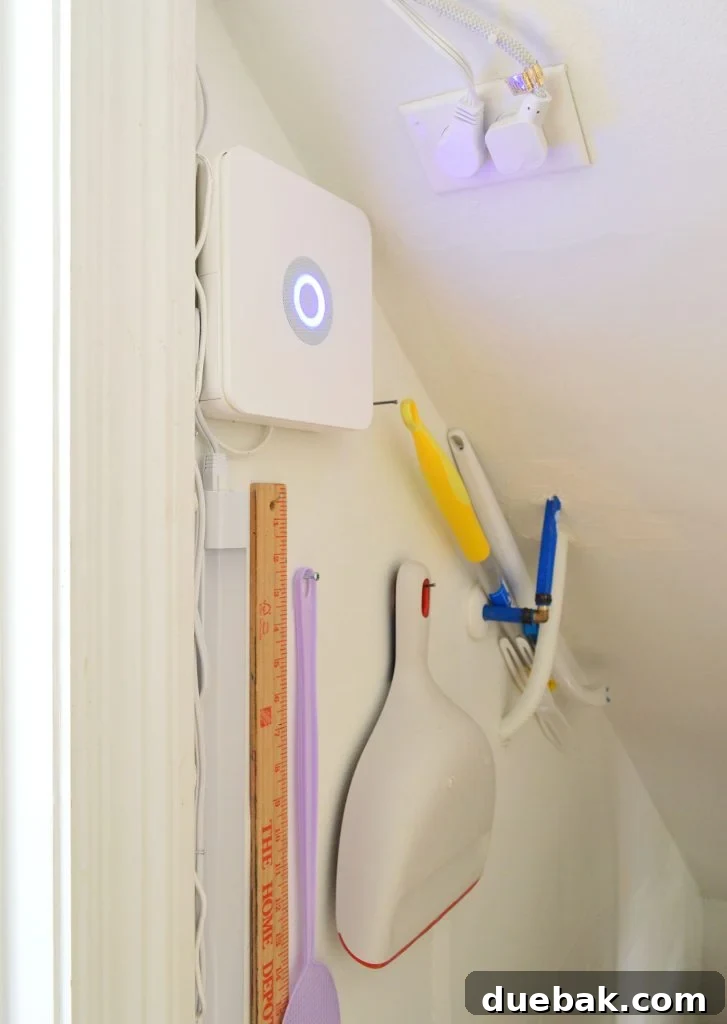
Beyond optimizing tool storage, we also addressed a crucial element for any small, enclosed space: lighting. We installed a 24-inch under-cabinet light vertically along the door molding. This strategically placed light fixture provides ample illumination, transforming what could easily be a dark and gloomy closet into a bright, functional space. It simply plugs into a standard outlet, an electrical convenience we gained when the water heater was removed (power had already been run to that spot). The light offers two brightness settings – a gentle 50% for subtle illumination or a robust 100% for when you need maximum visibility. Even at 50% brightness, as shown below, it provides plenty of light to comfortably navigate and utilize the entire closet, a key aspect of effective utility closet organization.
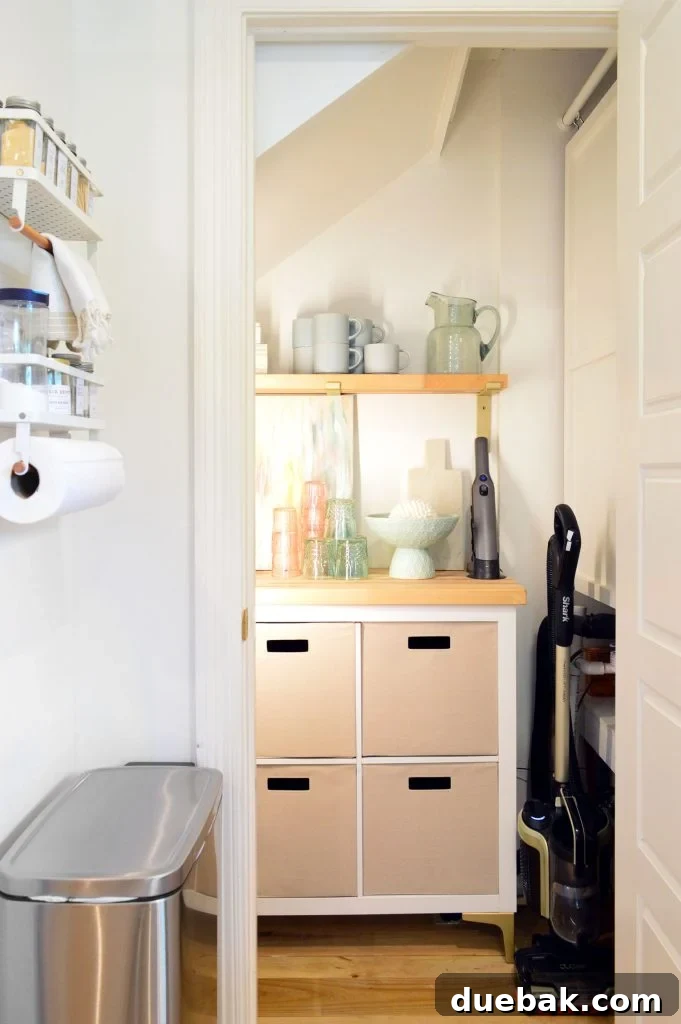
And so, that completes the story of how we transformed an unassuming utility closet – a space that initially offered an incredibly limited patch of accessible floor space, dominated by a large appliance, as shown below:
…into a truly remarkable storage solution, giving it quite the “glow up” that is both functional and beautiful. This home improvement project showcases how even the smallest spaces can be dramatically improved with thoughtful planning.
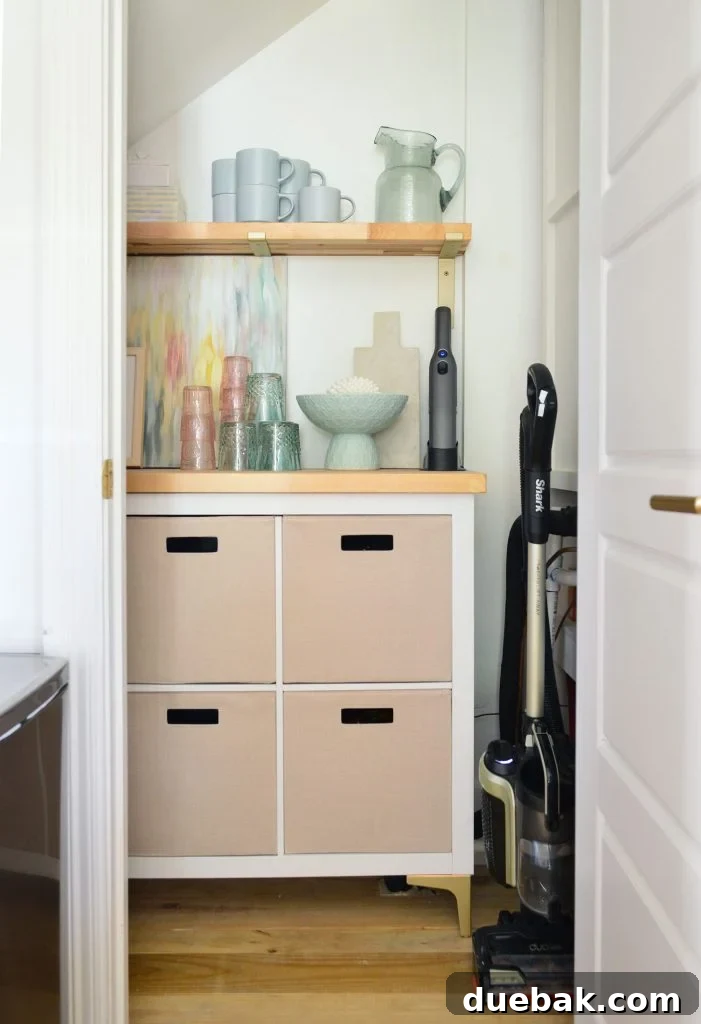
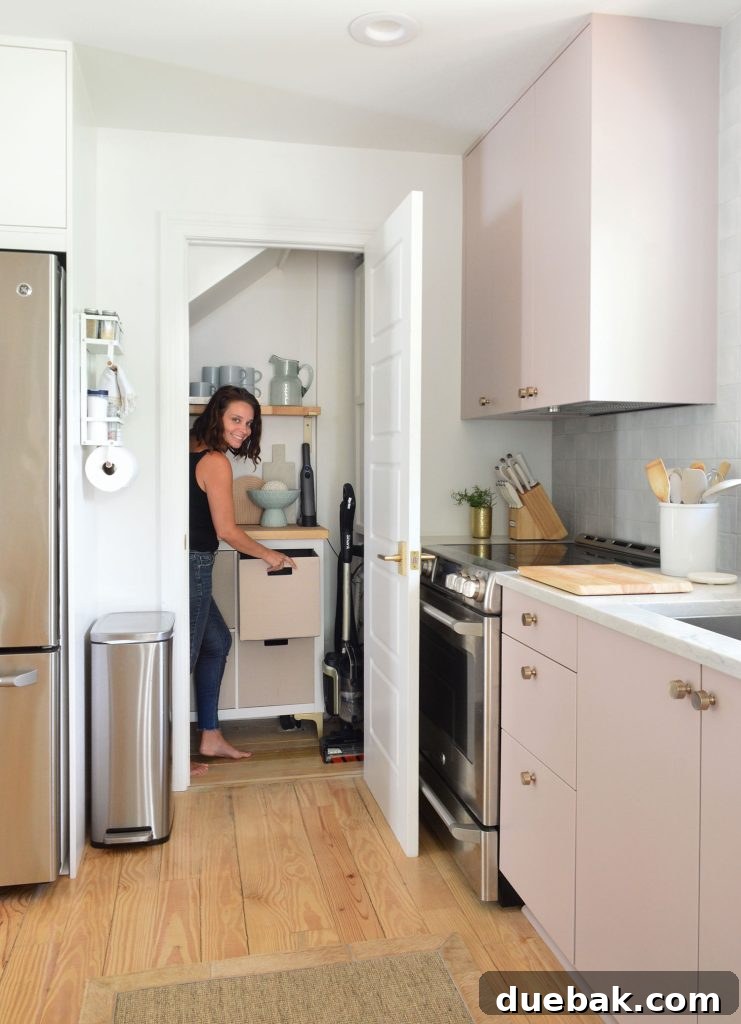
As a P.S. – I know from photos that the closet can appear incredibly shallow, but rest assured, it’s far more spacious than it looks. Both of us can easily stand fully within the closet, navigating all the way to the back corner to retrieve items stored there. The depth created by relocating the water heater is truly substantial, offering excellent small space storage.
To further illustrate its true dimensions, here is Sherry, who is 5’2″, standing comfortably inside the closet.
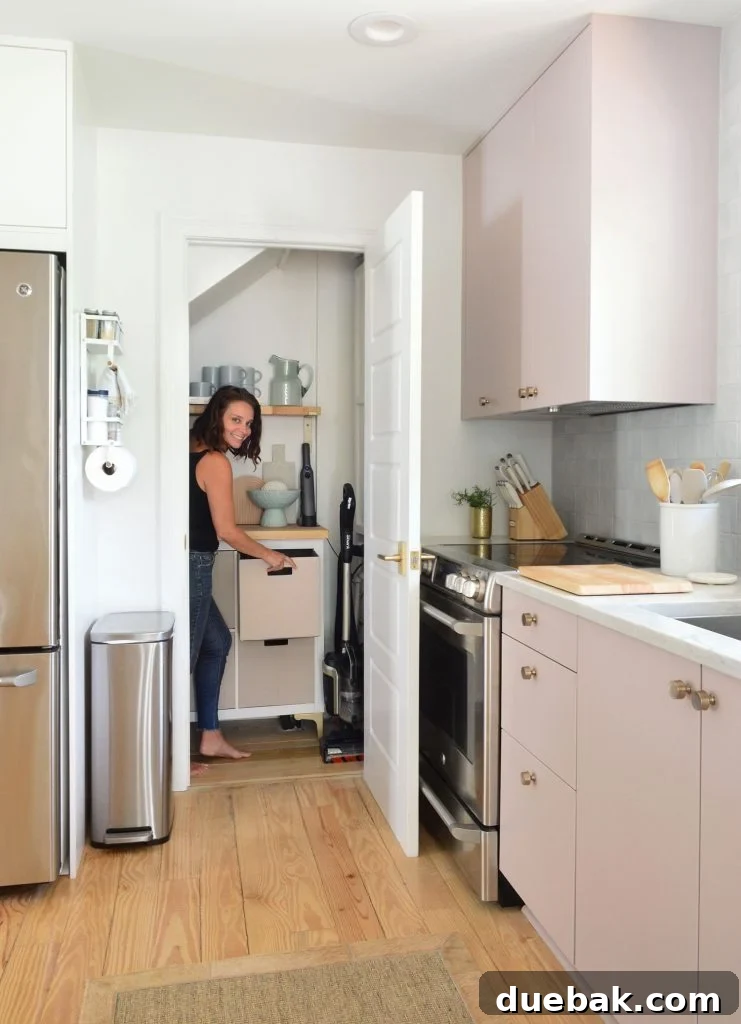
And since Sherry’s height might not fully convey the sense of space, I’ll re-share this picture where you can clearly see me, a taller individual, standing fully inside the closet (note the doorframe in front of me) as I remove the HVAC panel. It’s quite thrilling, isn’t it? I can stand in that spot without hitting my head, though both of us do need to duck slightly to access the very back of the closet, as the ceiling slopes down – a typical characteristic for storage areas located under stairs. This is a small compromise for such a significant gain in usable space, perfect for under stairs storage ideas.
One final note about the black upright vacuum, as I anticipate questions. We sadly broke our much-loved Shark Navigator, a vacuum we’ve raved about countless times (it was entirely our fault, not the vacuum’s!). At the time of its demise, it was temporarily unavailable, so we reluctantly purchased a Shark ION P50 – but I must warn you, don’t make the same mistake. The Shark Navigator remains, and always will be, our top recommendation for a cordless vacuum (we’re so relieved it’s back in stock!). Sherry wishes we had waited. I will concede, however, that since the arrival of Eufy, our trusty robotic vacuum, we rarely use a “real” upright vacuum anymore, save for tackling the stairs – a task we sometimes even accomplish with our handheld vacuum, because that’s just how efficient we’ve become with our decluttering tips and smart home organization.
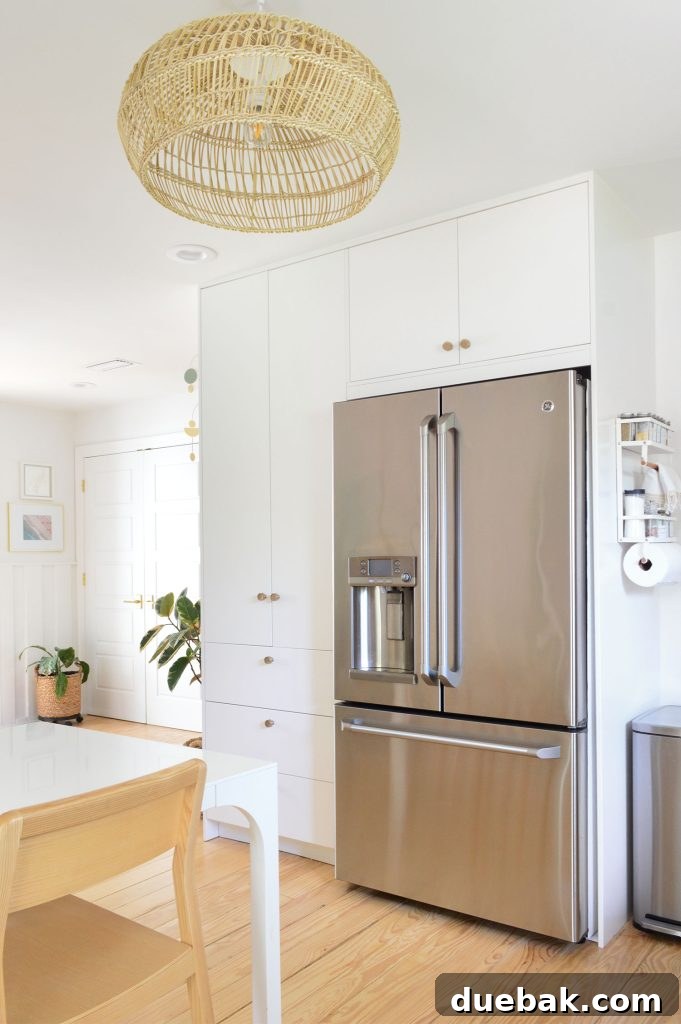
For a complete deep dive into our extensive kitchen renovation, including a detailed cost breakdown, be sure to visit this comprehensive post. And if you’re curious to see how our entire kitchen is meticulously organized, with all doors and drawers thrown open for a full tour, you can find all the details right here in this dedicated article.
*This post contains affiliate links, meaning we may earn a small commission when you make a purchase through links on our site at no additional cost to you. We only recommend products we genuinely love and use ourselves, aligning with our commitment to practical and effective home improvement.