
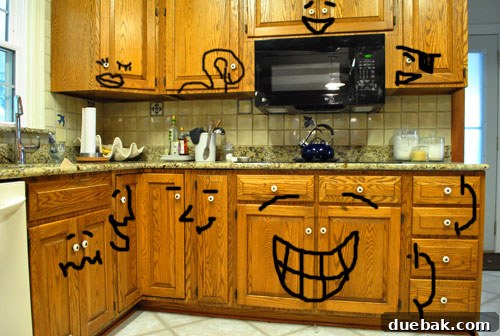
There’s a peculiar charm, and sometimes a slight unease, when inanimate objects in our homes seem to take on a life of their own. For us, it’s the kitchen knobs. With their simple, rounded forms and strategic placement, they often appear to be observing our every move. It’s an uncanny sensation, one that turns everyday kitchen hardware into silent, watchful companions.
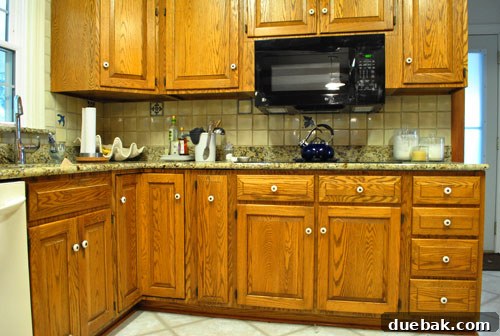
Perhaps you don’t immediately share this perception, but once you’ve spent enough time gazing at them, especially over countless morning coffees and late-night snacks, a transformation begins. The metallic gleam becomes a glint in an eye, the screw a pupils, and suddenly, your kitchen cabinet hardware isn’t just functional; it’s profoundly expressive. For us, after weeks of this subtle surveillance, they’ve started to look a little something like this:
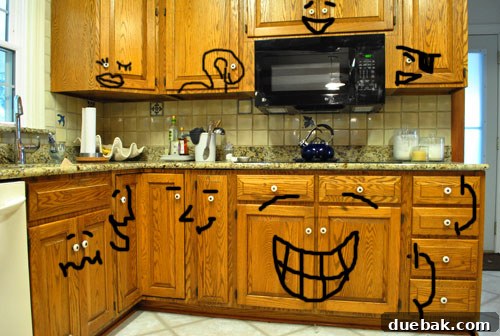
The pirate, with his knowing smirk and singular eye, has become a particular favorite. This phenomenon, known as pareidolia, where the brain perceives familiar patterns like faces in random stimuli, is a delightful quirk of human perception. It transforms the mundane into something memorable, adding a dash of personality to even the most utilitarian elements of our home.
Beyond the Whimsy: The Unsung Hero of Kitchen Design
While our kitchen knobs might inspire a chuckle, their role in home aesthetics and functionality is no laughing matter. Kitchen knobs and pulls are often the final touch, the jewelry of your cabinets, capable of defining the entire mood and style of your kitchen space. They are small details with immense impact, influencing everything from the ergonomic feel of opening a drawer to the overall design narrative of your culinary haven.
Choosing the right kitchen hardware goes far beyond simply picking something that looks nice. It involves a thoughtful consideration of style, material, finish, durability, and how each piece contributes to the cohesive flow of your home’s interior design. Whether you’re embarking on a full kitchen renovation or just seeking a quick, budget-friendly update, understanding the nuances of cabinet hardware is key to achieving a truly personalized and functional space.
Exploring the Diverse World of Kitchen Cabinet Hardware
The market for kitchen knobs and pulls is vast and varied, offering endless possibilities to match any design aesthetic. Understanding the different categories can help homeowners make informed choices that elevate their kitchen’s appeal.
Styles to Define Your Space
- Modern & Contemporary: Characterized by clean lines, geometric shapes, and often minimalist designs. These can include sleek bar pulls, discreet finger pulls, or simple, unadorned knobs that emphasize functionality and understated elegance. Materials like brushed stainless steel, chrome, or matte black are common.
- Traditional & Classic: Evoking a sense of timeless elegance, traditional hardware often features ornate details, decorative carvings, or classic shapes like cup pulls and decorative knobs. Popular finishes include antique brass, oil-rubbed bronze, and polished nickel, complementing kitchens with raised panel cabinetry and rich wood tones.
- Farmhouse & Rustic: For a cozy, lived-in feel, farmhouse hardware often incorporates natural textures and distressed finishes. Bin pulls, wrought iron knobs, and ceramic hardware with vintage patterns are excellent choices, pairing well with shaker cabinets, apron sinks, and open shelving.
- Industrial: This style embraces raw materials and utilitarian design. Think chunky bar pulls, exposed screw heads, and dark metals like matte black or steel. Industrial hardware works best in kitchens featuring concrete countertops, exposed brick, and metallic accents.
- Transitional: Blending elements of both traditional and modern styles, transitional hardware offers versatility. It often features simple forms with a touch of elegance, providing a balanced look that can adapt to evolving tastes.
Materials and Finishes: The Touch and Feel
The material and finish of your kitchen hardware not only contribute to its aesthetic but also affect its durability and maintenance. Popular choices include:
- Stainless Steel & Chrome: Offering a sleek, modern look, these metals are highly durable and easy to clean. Stainless steel has a brushed finish, while chrome is typically polished and shiny.
- Brass & Bronze: These materials add warmth and character. Brass can be polished for a high-shine gold look, or brushed/antique for a more subdued, vintage appeal. Bronze, particularly oil-rubbed bronze, offers a deep, dark finish that can hide fingerprints and wear beautifully over time.
- Ceramic & Glass: Perfect for adding a pop of color or a touch of vintage charm, ceramic and glass knobs come in a myriad of designs, from intricate patterns to smooth, colorful spheres.
- Wood: For a natural, organic feel, wooden knobs and pulls can complement a variety of styles, from rustic to Scandinavian. They can be stained, painted, or left natural to showcase their grain.
- Matte Black: A contemporary favorite, matte black hardware provides a striking contrast against lighter cabinetry and blends seamlessly with darker palettes, offering a sophisticated and bold statement.
Selecting the Perfect Hardware: A Practical Guide
When it’s time to choose, consider these factors:
- Match Your Kitchen’s Style: Ensure your hardware complements the existing or desired aesthetic of your kitchen. Modern hardware in a traditional kitchen can feel disjointed, and vice versa.
- Consider Functionality and Ergonomics: Think about how you use your cabinets daily. Are the pulls easy to grasp? Do the knobs provide a comfortable grip? If you have young children or family members with mobility challenges, this is especially important.
- Durability and Maintenance: High-traffic areas like the kitchen require hardware that can withstand frequent use and cleaning. Choose materials and finishes known for their resilience and ease of maintenance.
- Budget: Hardware prices vary widely. Determine your budget early on, but remember that investing in quality pieces can pay off in the long run.
- Mix and Match? While consistency is often key, don’t be afraid to mix different types of hardware (e.g., pulls on drawers, knobs on doors) or even different finishes if done thoughtfully to create visual interest.
- Installation: Consider the existing holes if you’re replacing hardware. Standard hole spacing for pulls is common, but custom sizes may require more effort. Knobs generally require a single hole.
The Transformative Power of a Simple Switch
One of the most appealing aspects of kitchen hardware is its ability to instantly refresh a space without the expense or disruption of a full renovation. A simple swap of knobs and pulls can dramatically alter the perception of your cabinets, breathing new life into an outdated kitchen or adding a finishing touch to a newly designed one. It’s a DIY project that most homeowners can tackle in an afternoon, offering immense satisfaction and tangible results.
This attention to detail transforms a kitchen from merely functional to truly personal. It’s about creating a space that not only works well but also feels like an extension of your individual style and character. And sometimes, it’s about acknowledging the playful side, the quirky observations that make a house a home.
Bringing It Back to the Quirky Charm
Speaking of quirky observations, our cabinet knobs continue their silent vigil. They’ve even started to remind us of that famously catchy Geico commercial, creating an internal soundtrack every time we reach for a cup. It’s almost as if our kitchen has developed its own personality, thanks to a few innocent pieces of hardware and a healthy dose of imagination.
For an enhanced experience of what we mean, we highly recommend playing the Geico commercial below while looking at the “pirate” image above. It truly elevates the whole sensation, turning a simple kitchen interaction into a moment of amusing contemplation:
Now, we can barely eat breakfast without singing “Somebody’s watching meeeeeeee.” It’s a whimsical reminder that design isn’t just about aesthetics; it’s about the stories we tell and the feelings we evoke, even from the smallest elements. So, next time you’re in your kitchen, take a moment to really look at your knobs and pulls. What do they say to you? What personality do they bring to your culinary canvas?