
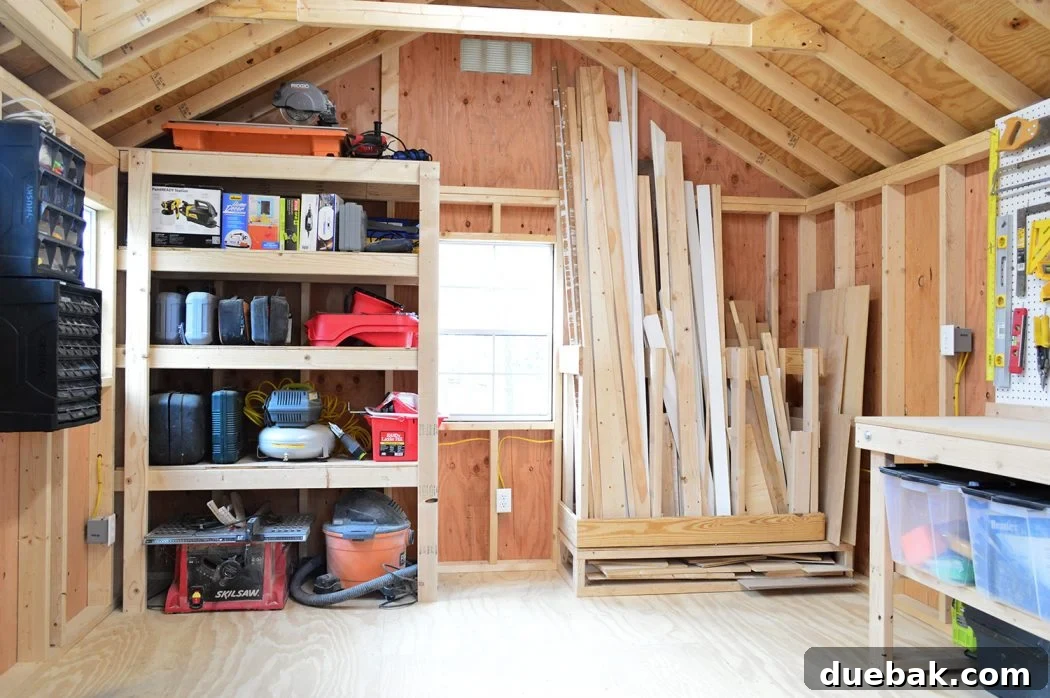
DIY Scrap Wood Storage: An Easy & Functional Organizer for Your Workshop or Shed
Tired of tripping over an ever-growing mountain of lumber scraps in your garage or workshop? We certainly were! That’s why creating an efficient and practical scrap wood storage system became a top priority for our new shed. Even better, we challenged ourselves to construct this organizer using as much of our existing scrap wood as possible. This comprehensive guide will walk you through the steps to build your own simple, yet highly functional, storage solution for your collection of leftover lumber, transforming chaos into order.
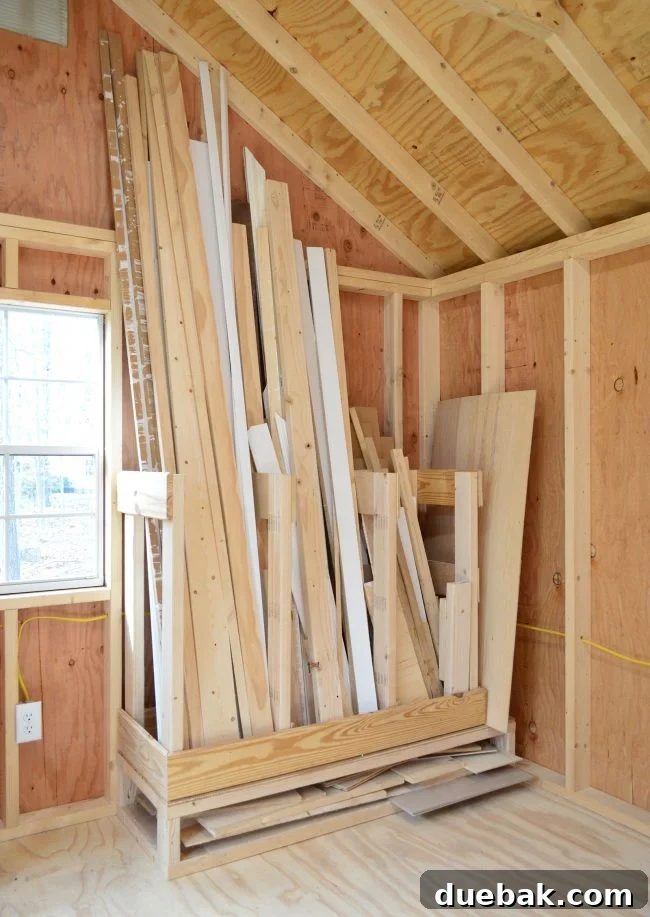
While this isn’t necessarily the most aesthetically elaborate scrap wood storage system you’ll find online (and the wood-on-wood tones can make it a little hard to discern in photos), its true beauty lies in its unparalleled functionality. It’s a monumental improvement over the sprawling, unmanageable pile that once dominated our garage, providing a dedicated home for every piece of salvaged lumber.
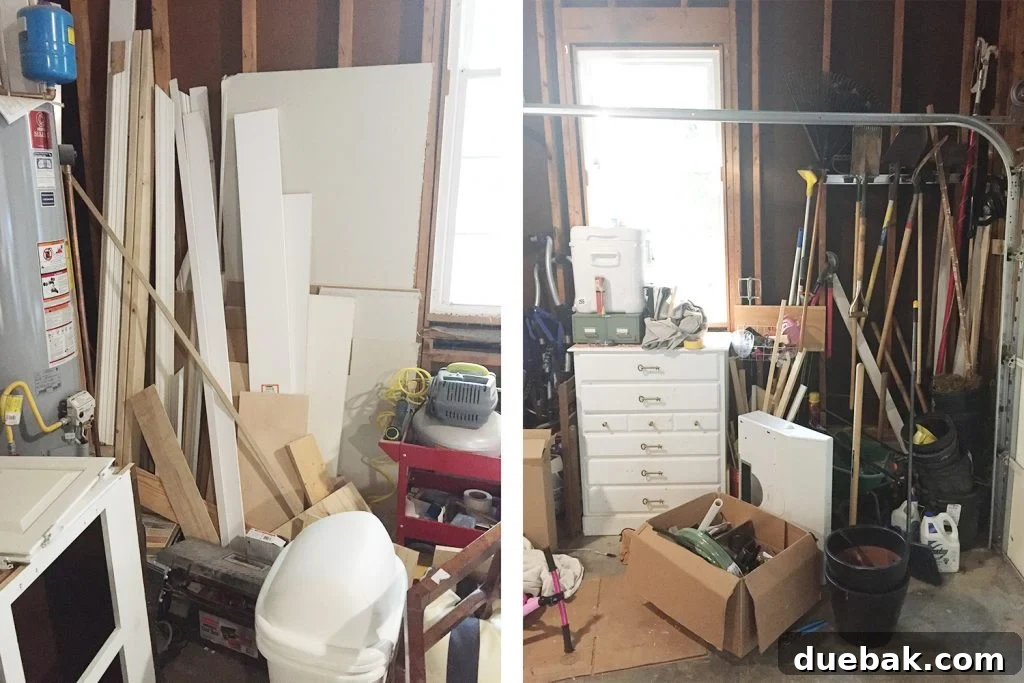
Step 1: Assessing and Categorizing Your Scrap Wood Pile for Optimal Design
Before diving into construction, the most crucial first step is to thoroughly assess your existing scrap wood collection. We began by relocating every piece of lumber from its chaotic garage heap into the new shed. This allowed us to get a complete overview of the situation – a diverse mix of long boards, shorter molding pieces, and various sizes of plywood panels. This initial assessment revealed that a “one-size-fits-all” approach wouldn’t work. Instead of trying to sort by material type or intended use, which can be overly complex for a varied collection, we opted for a more practical and adaptable system based primarily on size and length.
Understanding the variety in your wood inventory – from slender trim pieces to bulky plywood offcuts – is vital for designing an organizer that truly meets your needs. This prevents the common mistake of building a generic storage unit that quickly becomes overwhelmed by an unaccommodating assortment of materials. By categorizing based on dimensions, you can create dedicated compartments that maximize space efficiency and allow for easy retrieval, saving valuable time during future projects.
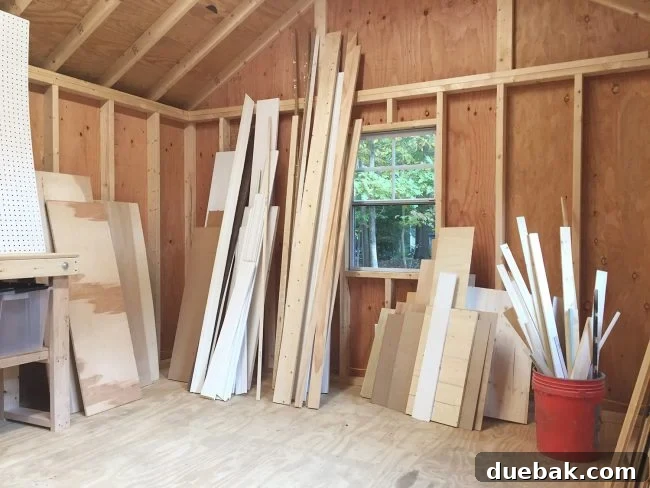
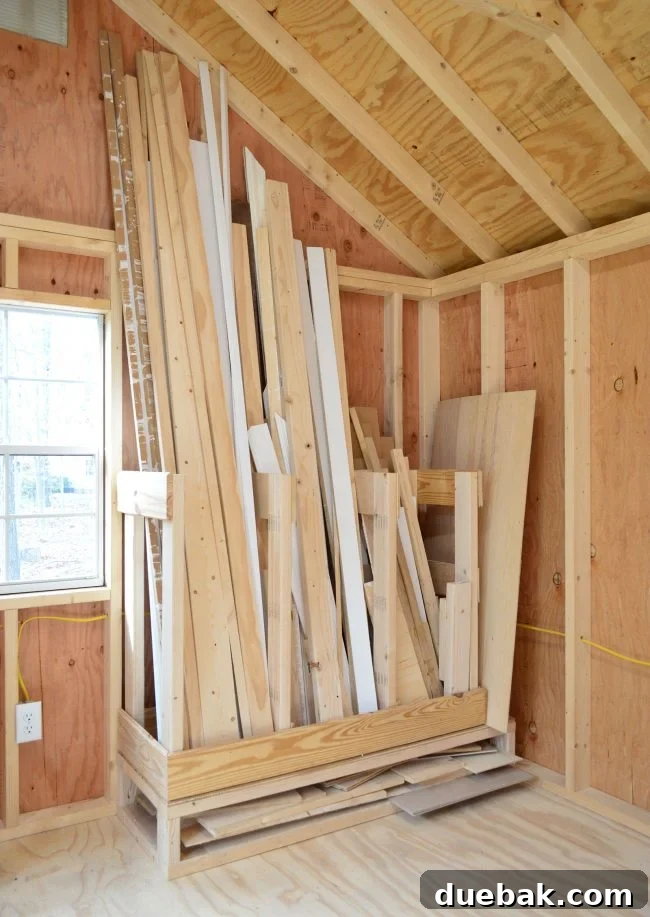
Many scrap wood storage systems I encountered on platforms like Pinterest leaned towards intricate designs – often featuring elaborate spinning mechanisms or fold-out components. While impressive, our goal was to maintain simplicity and maximize the use of our existing scraps in the build itself. We firmly believe that the best solutions are often the most straightforward and resource-efficient. We did invest in a few new 2x4s to ensure structural stability, but beyond that, our mission was to corral our existing lumber without purchasing significant new materials. Below, you’ll see the final product, and then we’ll detail the construction journey.
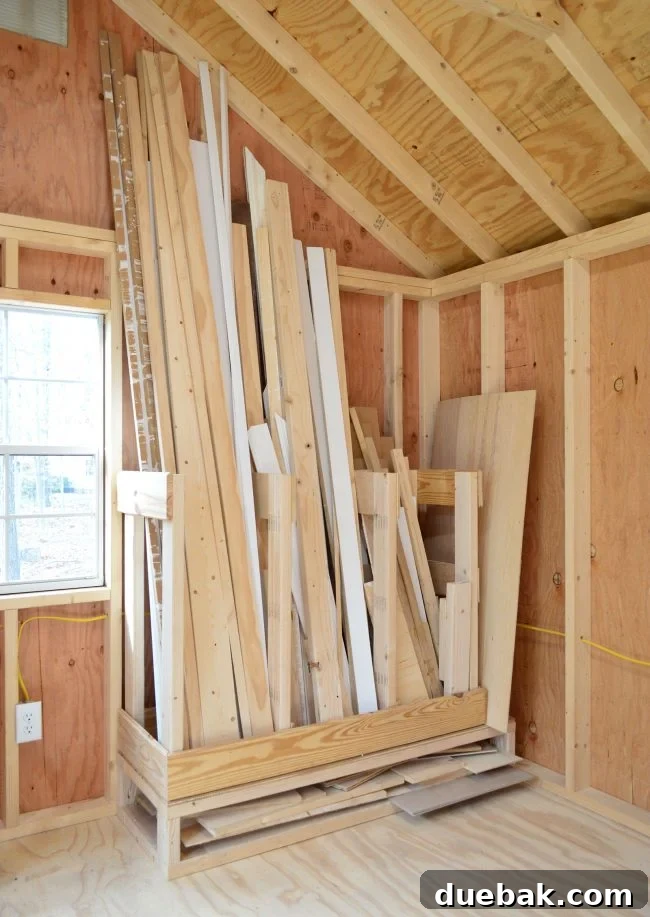
Step 2: Constructing a Sturdy Base for Flat Panel Storage
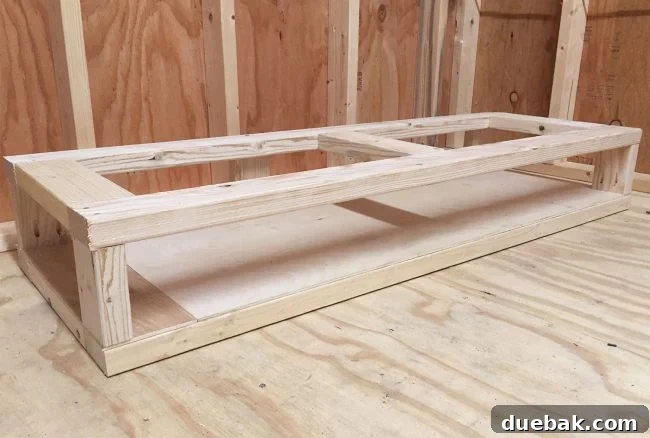
The foundation of any effective storage system is a robust and stable base. For the flat storage area at the bottom of our organizer, we constructed two identical rectangular boxes using 2x4s. The precise dimensions of these boxes were dictated by the available space in our shed – specifically, the corner area situated beyond a side window. This highlights a critical design principle: always tailor your dimensions to your specific environment and the volume of wood you anticipate storing. You can easily adjust the lengths and widths of your base units to suit your individual needs, whether you have a small workshop nook or a large dedicated shed space.
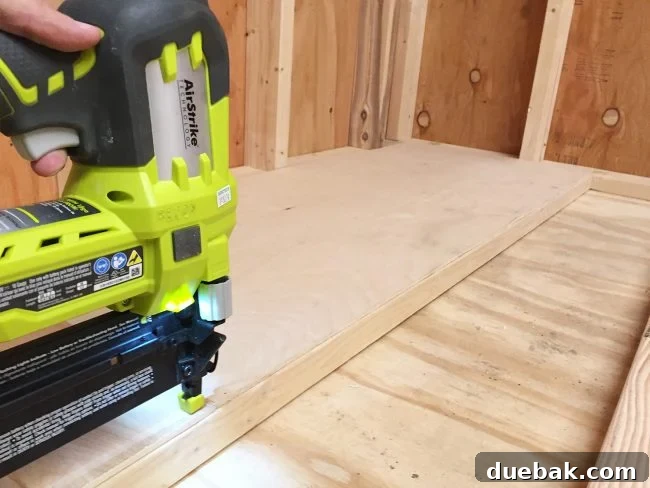
To ensure strong, durable joints for these base rectangles, we utilized a pocket hole jig. This method creates incredibly secure connections that are essential for supporting substantial weight. Once the two rectangular frames were assembled, we secured thin plywood scraps over their tops to create a solid, continuous bottom platform. For this, we brought out our nailer, quickly and efficiently attaching the plywood panels. This platform is perfect for storing flatter pieces of plywood, larger offcuts, or even smaller boxes of hardware, keeping them neatly contained and easily accessible without risking slippage or damage from direct contact with the floor.
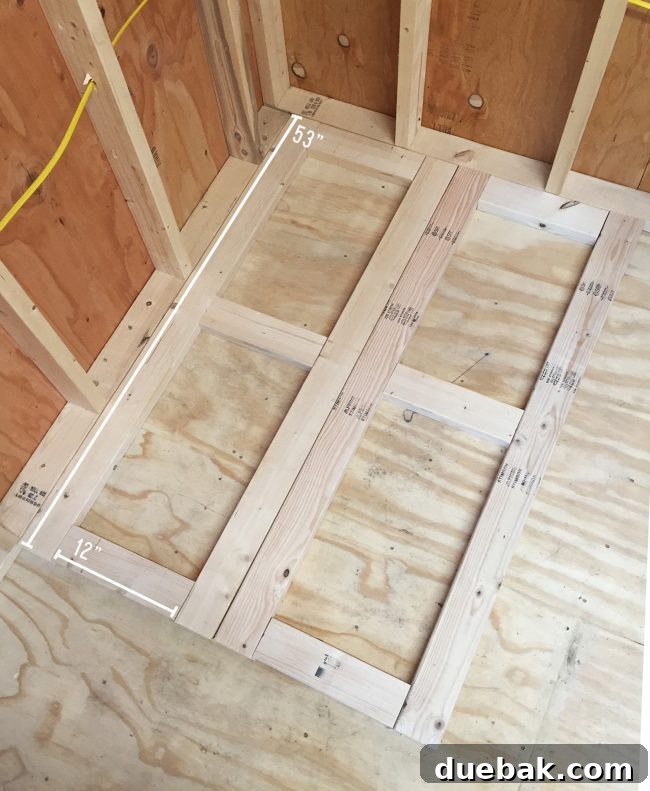
When selecting plywood for the base platform, even scraps can work, but consider the type of wood you’ll be storing. If you anticipate heavy loads, a slightly thicker plywood (like 1/2″ or 3/4″) will offer greater long-term durability and prevent bowing. Always ensure your base is perfectly square and level before proceeding to the next steps, as this will impact the overall stability and alignment of your entire storage unit.
Step 3: Crafting a Functional Low Storage Cubby for Smaller Offcuts
With the base securely in place, the next phase involved creating a low-level cubby – an invaluable compartment for smaller, flatter pieces of wood, thin panels, or even short lengths of trim. To achieve this, we cut several short “posts” from more 2x4s. These posts were strategically positioned and screwed along the side and back edges of the bottom platform, again using the reliable pocket hole method for strong, hidden fasteners. The front side of this cubby was deliberately left open, providing effortless access to slide pieces in and out, enhancing the user-friendliness of the system. This design prevents the frustration of rummaging through a cluttered pile and instead offers an organized, front-loading solution.
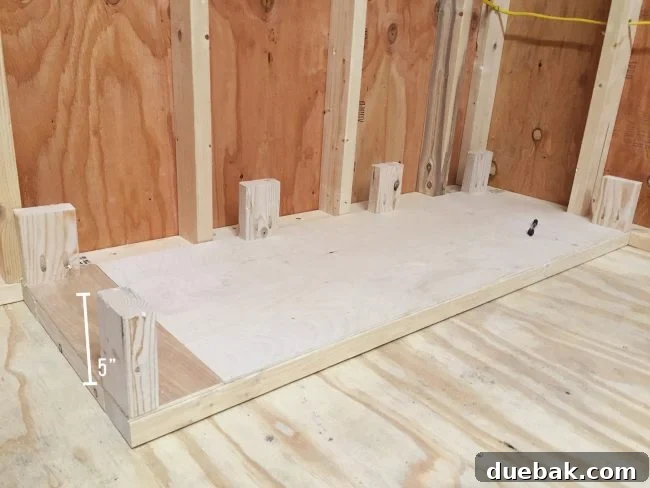
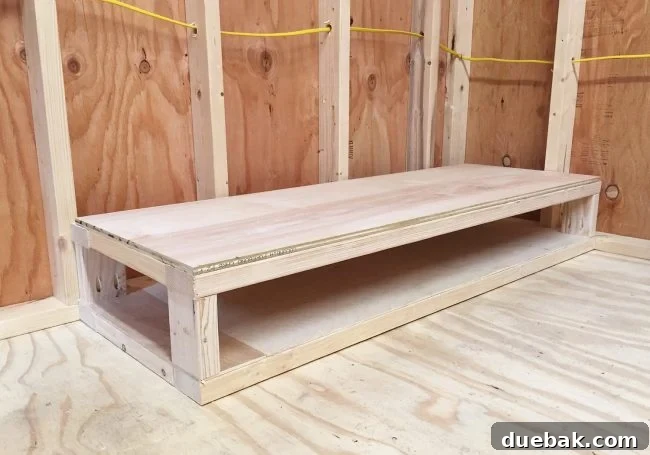
After the posts were firmly attached, we secured another platform directly on top of them. This second platform effectively creates the ‘ceiling’ of the low cubby and the ‘floor’ of the next storage level. We achieved this by screwing directly through the top platform into each underlying post, ensuring a robust and stable connection capable of bearing significant weight. This multi-tiered approach dramatically increases the storage capacity within a compact footprint, making the most of vertical space.
To enhance the durability and load-bearing capacity of this second platform, we then nailed a thicker 1/2-inch piece of scrap plywood on top. This heftier top shelf serves multiple critical functions: it not only adds substantial structural support to the entire organizer but, more importantly, it is better equipped to withstand the considerable weight of the various wood pieces that will eventually be stacked and stored on it. This foresight in material choice ensures the longevity and reliability of your DIY storage solution, preventing sagging or structural fatigue over time even with heavy loads of lumber.
Step 4: Implementing Vertical Dividers for Upright Lumber Storage
With the lower flat storage and cubby complete, the next crucial step was to add vertical dividers – the backbone of an efficient system for organizing longer pieces of wood. We cut eight three-foot pieces of 2×4 to serve as these upright posts. Each post was meticulously secured to the base platform using pocket holes, ensuring a strong and stable connection. The chosen height of three feet provides ample support for common lengths of scrap lumber, allowing pieces to lean safely without toppling over.
To further enhance the stability and rigidity of the entire structure, we then nailed a perimeter frame around both the top and bottom of these vertical dividers. This framing acts as a crucial bracing element, distributing weight and preventing any lateral movement, especially when the unit is fully loaded. It effectively ties all the vertical posts together, transforming individual posts into a cohesive, unyielding unit.
A key design consideration here was to leave the top front section of this perimeter frame open. This open design is deliberate, allowing for easy access to lean longer pieces of wood into each designated cubby from the front. However, it’s absolutely vital to include the bottom front piece of this frame. This lower front brace serves as a critical stop, preventing the leaned wood from slipping out the front and maintaining the integrity of the organized compartments. Without it, your carefully sorted lumber could easily slide forward and collapse, defeating the purpose of the organizer. This detail ensures both organization and safety in your workshop.
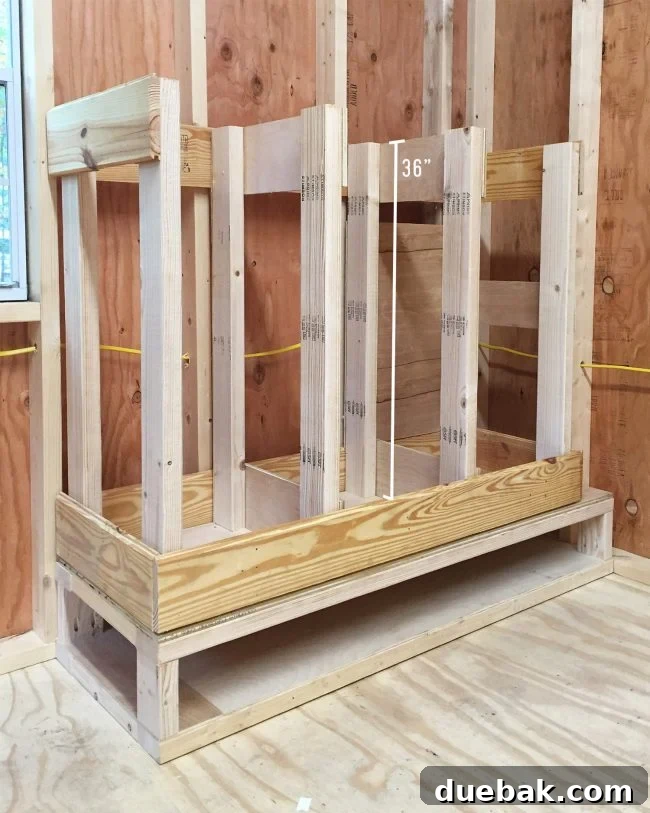
Consider the average length of your typical scrap wood when determining the height of these dividers. While three feet worked for our collection, you might adjust this based on your own inventory. Taller dividers are suitable for longer boards, while shorter ones might suffice if your scraps are predominantly shorter. The beauty of this DIY design is its adaptability.
Step 5: Integrating Backing and Specialized Compartments for Small Pieces and Panels
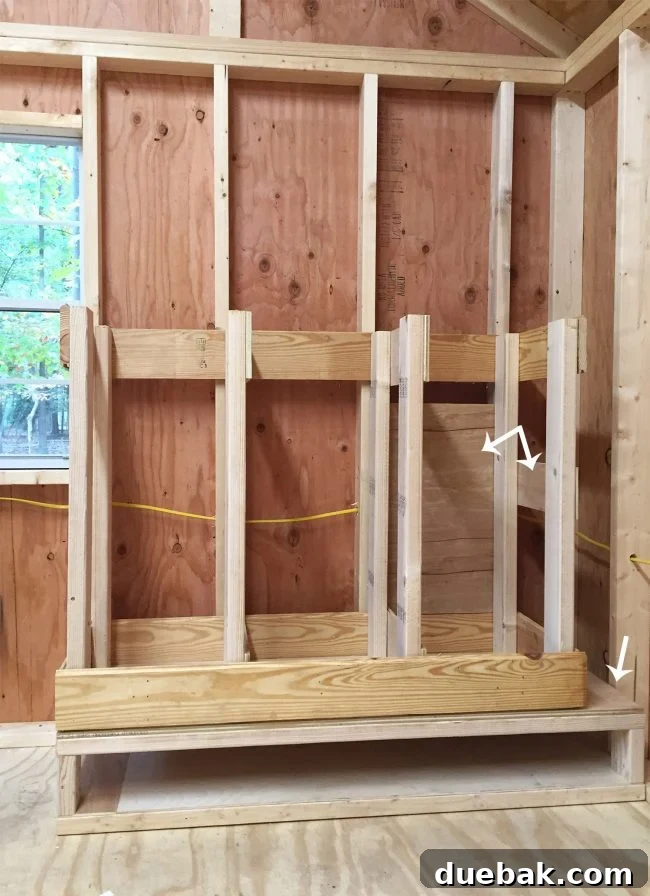
As you can observe from this detailed angle, we made a conscious decision to add extra backing and side pieces to the far right compartment of the organizer. This section was specifically designated for storing the smallest and most irregular pieces of wood. The backing is essential here, as it effectively prevents these tiny offcuts, blocks, and oddly shaped scraps from falling through the gaps between the larger vertical dividers or slipping out the back. This simple addition ensures that even the most diminutive pieces of wood have a secure and contained home, preventing them from getting lost or creating additional clutter.
Furthermore, we intentionally left a strategic gap on the far right side of the entire organizer, directly against the shed wall. This open space is designed to accommodate large, flat pieces of plywood or other substantial panels. These larger sheets can be effortlessly slid into this gap, resting vertically against the wall, keeping them out of the way but still easily accessible. This thoughtful compartmentalization addresses the diverse storage needs of a comprehensive scrap wood collection, from the smallest offcuts to the largest panels.
The materials for these backing pieces can, and ideally should, come from your own scrap pile. Thin plywood, hardboard, or even thicker cardboard can be used, depending on the anticipated load and the desired level of durability. The goal is simply to create a physical barrier. This step truly maximizes the utility of every inch of the organizer, demonstrating how a customized approach can tackle specific storage challenges effectively.
Step 6: Filling Your Organizer and Embracing Efficient Woodworking!
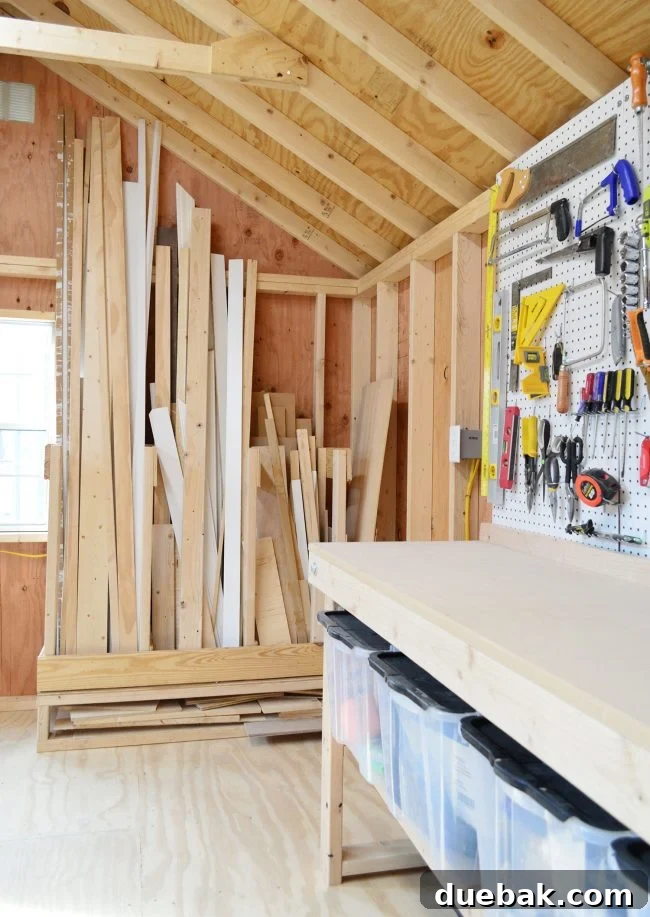
Here’s that satisfying “after” shot once more! While the organizer might appear a bit fuller than we initially envisioned, the transformation in functionality is undeniable. The immediate benefit is profound: locating specific pieces of wood is no longer a treasure hunt. Everything is now consolidated in one designated spot, intuitively organized by length and size. This immediate accessibility has already translated into fewer impromptu trips to the hardware store for small cuts and a greater reliance on our readily available leftover scraps.
This shift isn’t just about tidiness; it’s about efficiency, cost savings, and sustainability. By making your scraps visible and organized, you empower yourself to quickly find the perfect piece for your next project, reducing material waste and encouraging a more resourceful approach to woodworking. No longer will suitable pieces lie forgotten under a mountain of other offcuts, destined for the waste bin.
One final enhancement we might consider is adding a small basket or bucket, mounted securely to the wall or the side of the organizer. This would be a perfect spot to toss in those truly tiny leftover blocks, pencil-sized offcuts, or even smaller pieces of kindling. These minuscule scraps often prove incredibly handy for tasks like propping up items during painting or spray-painting, preventing them from sticking to tarps or cardboard underneath. They also serve as excellent shims or spacers. And yes, it’s a humorous acknowledgment that many woodworkers, including ourselves, often struggle with the compulsion not to throw any wood away. The first step, as they say, is admitting you have a problem – and the second step is building an amazing organizer for it!
Building this scrap wood organizer is more than just a storage project; it’s an investment in your woodworking efficiency and a step towards a more sustainable workshop. By utilizing materials you already possess and designing a system tailored to your specific needs, you’ll not only declutter your space but also foster a more creative and resource-conscious approach to your craft. Embrace the organized chaos and let your scrap wood inspire your next project!