
Mastering Emergency Preparedness: Your Ultimate Home Survival Kit Audit
Life is inherently unpredictable. While we all hope for tranquility, unforeseen events – from severe weather and natural disasters to power outages and other emergencies – can strike at any moment. The memories of past crises, whether witnessed firsthand or from afar, serve as powerful reminders of the importance of readiness. For many, dates etched in history evoke a profound sense of reflection, prompting us to consider not just the past, but how we can proactively shape a safer future. It’s with this solemn yet forward-thinking mindset that we embark on a crucial journey: assessing our home’s emergency preparedness.
Recently, a project focused on emergency preparedness highlighted a startling truth: many of us don’t actively consider what steps we can take around our homes to prepare for a potential disaster. While the concept might seem daunting, establishing a well-stocked emergency supply kit is a fundamental first step towards peace of mind. Inspired by this realization, we decided to conduct our own detailed audit of our household’s emergency provisions. The goal? To identify strengths, uncover critical gaps, and ultimately, empower ourselves and our readers to build a more resilient household. Join us as we meticulously review our emergency supply kit, item by item, offering insights and practical advice along the way.
The Foundation of Readiness: Water and Food Supplies
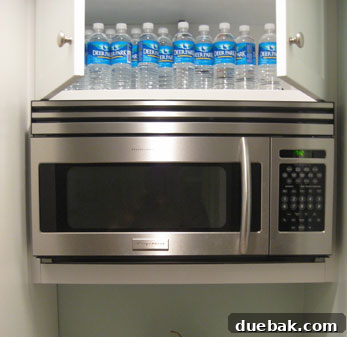
To evaluate our readiness, we referred to the suggested Emergency Supply Kit list available on resources like MakeAPlan.org. These guidelines provide an excellent framework for what every household should consider. The very first, and arguably most critical, item on any emergency checklist is water. The standard recommendation calls for at least three gallons per person, per day, for a minimum of three days. This accounts for both drinking and basic sanitation needs. Upon auditing our own supply, we felt reasonably confident. We had previously invested in a large case of bottled water, specifically for this purpose, and stored it safely out-of-reach in the kitchen. While we’ve dipped into it a couple of times for minor disruptions, our reserves remain strong. Considering the quantity and foresight, we’d give ourselves a solid B+ in this category. However, continuous rotation and checking expiration dates are essential for maintaining optimal quality.
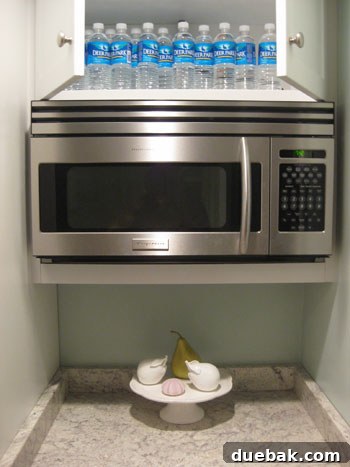
Following water, food naturally takes precedence. Experts recommend a minimum three-day supply of non-perishable food items. This includes canned goods, dried fruits, energy bars, and other staples that require no refrigeration or cooking. Unfortunately, this is where our audit revealed a significant weak point. In our household, maintaining a three-day supply of non-perishables beyond a day or two after our regular grocery trip is a rare feat. Our pantry tends to reflect immediate needs rather than long-term readiness. This clearly indicates a need to consciously stock up on more canned food and other shelf-stable items. The good news? We do possess a reliable manual can-opener, a small but absolutely essential tool for accessing many emergency food items. Given the substantial room for improvement in our actual food stock, we’d assign ourselves a C for this crucial category.

One area where we confidently earned top marks was in securing a five-day supply of pet food. As pet owners, ensuring the well-being of our furry family members during a crisis is paramount. Our dog, Burger, a light eater at a mere 8 pounds, always has a full canister of his specialized kibble. The strategic reason behind this abundance is logistical: the pet store that carries his specific food isn’t conveniently located, so we always stock up significantly during each visit. This habit, driven by convenience, inadvertently translates into excellent emergency preparedness for our pet. Since his five-day supply takes up minimal space, it’s an easy win for us. We proudly give ourselves an A+ for Burger’s emergency rations.

Power, Light, and Communication: Staying Connected When Off-Grid
In any emergency, maintaining access to information and light is critical, especially during power outages. This brings us to the importance of a battery-powered radio. Initially, I was ready to award ourselves an A+ in this category, recalling a radio in our guest room. However, a quick check revealed a grim reality: the batteries in our plug-in-with-battery-backup radio were completely dead, rendering the battery function useless. This sudden discovery felt like a plummet to an F. The lesson here is clear: backup systems are only reliable if their backups are maintained and functional.

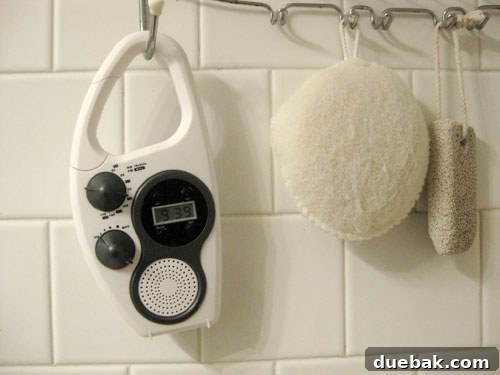
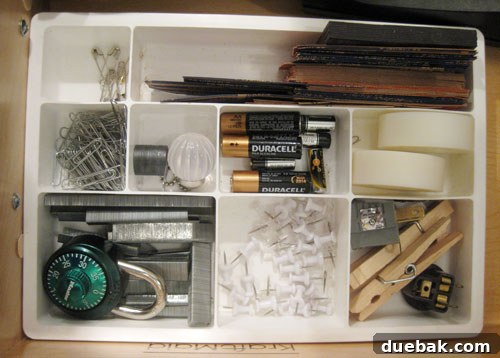
But hope, and functionality, were not lost! A moment of clarity reminded me of our trusty shower radio, which is, in fact, entirely battery-operated. This small, often overlooked appliance, would serve as a vital source of information during a power outage. Furthermore, a quick rummage through a kitchen drawer confirmed that we also had a stash of spare batteries. This discovery immediately boosted our grade significantly. Having both a functional battery-powered radio and the necessary back-up batteries puts us firmly back into the A territory for communication access.
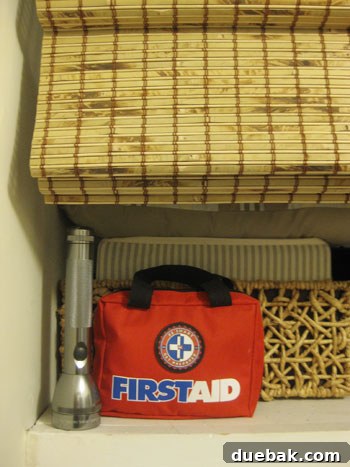
While having spare batteries for the radio is excellent, the situation with our flashlight revealed another common oversight. We do have a flashlight conveniently located, which is a good start. However, the critical flaw lies in the complete absence of spare batteries specifically for it. A flashlight without backup batteries is only as useful as the charge it currently holds, which can deplete rapidly in an extended emergency. This lapse means we’d have to scramble or potentially cannibalize batteries from other devices, which is far from ideal in a stressful situation. For this reason, we’ll have to give ourselves a B- on the flashlight front. It’s a quick fix that highlights the importance of matching battery types and quantities to specific devices within your kit.
Health, Safety, and Essential Extras: Beyond the Basics
Safety extends beyond basic needs, encompassing immediate medical care and fire suppression. We were initially tempted to give ourselves a standing ovation for having both a fire extinguisher and a legitimate first aid kit readily available. However, in full transparency, our “human” first aid kit is technically a Pet First Aid Kit. While designed for animals, it surprisingly contains many of the essential items humans might need for minor injuries – bandages, antiseptic wipes, gauze, and even small scissors – albeit in smaller quantities or sizes. This resourceful improvisation means we wouldn’t be entirely without medical supplies, but it’s certainly not ideal for a comprehensive range of human injuries. Given its multi-purpose utility but specialized origin, we’ll assign it a B-. This highlights the need for a dedicated, robust first aid kit tailored for human use, complete with pain relievers, prescription medications, allergy medicines, and any specific medical supplies family members might require.
Crucial Additions to Consider for Your Kit
Beyond these foundational elements, a truly comprehensive emergency supply kit should include several other vital items that often get overlooked:
- Copies of Important Documents: Keep copies of identification, insurance policies, birth certificates, and financial records in a waterproof, portable container. Digital copies on an encrypted USB drive are also wise.
- Cash: ATMs and credit card machines may not work during power outages. Keep a supply of small bills.
- Multi-Purpose Tool: A versatile tool with pliers, screwdrivers, and a knife can be incredibly useful for various tasks.
- Whistle: For signaling help, especially if you are trapped.
- Dust Masks: To filter contaminated air or protect against debris.
- Plastic Sheeting and Duct Tape: For sheltering-in-place or sealing broken windows.
- Garbage Bags and Plastic Ties: For sanitation, waste disposal, and makeshift shelters.
- Wrench or Pliers: To turn off utilities (gas, water) if necessary. Ensure family members know how to do this safely.
- Local Maps: Paper maps are essential if GPS and cell service are down.
- Extra Clothing and Blankets: For warmth and protection, especially in colder climates.
- Matches or Lighter: In a waterproof container, for starting fires (if safe and appropriate) or lighting candles.
- Personal Hygiene Items: Toilet paper, moist towelettes, soap, feminine hygiene products, hand sanitizer.
- Prescription Medications and Medical Supplies: A week’s supply of essential medications, along with any necessary medical equipment like inhalers or insulin.
- Cell Phone Chargers and Power Bank: Keep devices charged for as long as possible. A solar charger is also a great addition.
- Entertainment: Books, cards, or small games can help maintain morale, especially for children, during stressful waiting periods.
Beyond the Kit: A Holistic Approach to Disaster Readiness
While an emergency supply kit is paramount, true preparedness extends beyond a box of essentials. It involves a holistic approach that integrates planning, knowledge, and practice. Developing a family communication plan is crucial. This includes designating an out-of-state contact person whom all family members can reach, as local phone lines may be overwhelmed. Knowing evacuation routes from your home and community, and practicing them, can save precious time during an actual emergency. It’s also vital to understand where and how to shut off utilities – gas, water, and electricity – in your home, as this can prevent further damage or hazards. Staying informed about local alerts and weather conditions through various channels, not just your primary mobile device, ensures you receive timely warnings and instructions. Regularly reviewing and updating your emergency plan, perhaps twice a year, ensures it remains relevant to your family’s evolving needs and local risks.
Your Preparedness Journey: An Ongoing Commitment
Reflecting on our own home’s basic Emergency Supply Kit, we’d estimate our overall grade to be somewhere around a B. This audit has been incredibly insightful, highlighting both our preparedness strengths and critical areas for improvement. It’s a stark reminder that readiness isn’t a one-time task but an ongoing commitment. So, how do your home and family stack up? Have you recently done an emergency planning exercise or gathered supplies? Do you have any other invaluable “be-prepared” tips or overlooked essentials you’d like to share?
Empowering yourself with knowledge and resources is the first step. You can find more comprehensive guidance and official recommendations from government agencies such as Ready.gov or MakeAPlan.org. We encourage you to explore these sites, learn more about localized risks, and adapt their advice to your specific circumstances. Feel free to pass along anything else you learn on the subject, as collective knowledge strengthens community resilience. While our deepest wish is that all of you are ready for any emergency, here’s hoping that none of us find ourselves actually experiencing one anytime soon.
P.S.: If you’re in the Washington D.C. area, we highly recommend checking out Capitalert.gov. This system, part of a project I worked on, provides free emergency alerts directly to you via text message or email from your local government. Knowing how to receive critical local information instantly is a cornerstone of modern emergency preparedness.