
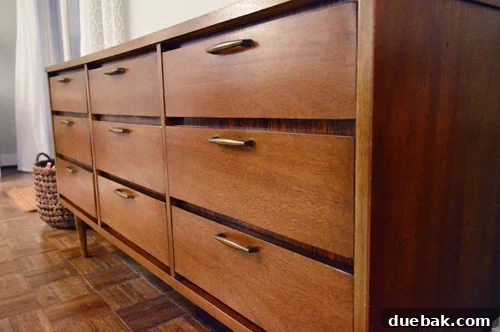
DIY Media Cabinet Makeover: Hide Cables & Restore Wood Finish
Every home deserves an entertainment space that is both functional and aesthetically pleasing. Often, older media cabinets, while brimming with character, struggle to accommodate modern electronics seamlessly. Visible cable boxes, tangled wires, and faded wood can detract significantly from an otherwise charming piece. We recently embarked on a mission to revitalize a thrift store media cabinet, starting with a thorough cleaning that removed years of grime and eliminated persistent musty odors. Our next challenge was two-fold: ingeniously hide the cable box within one of its drawers while ensuring full functionality, and meticulously restore the wood to its original luster, sealing in its rich color and shine. This comprehensive guide will walk you through our entire DIY journey, revealing how we combined clever technology with tried-and-true restoration techniques to achieve a stunning transformation. Get ready to banish cable clutter and bring your vintage furniture back to life!
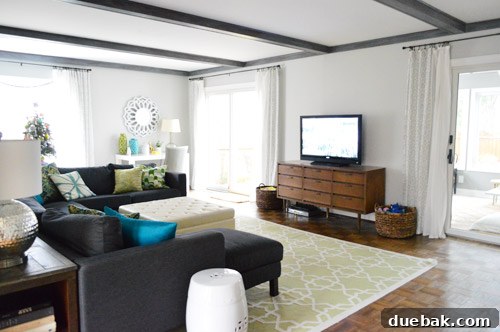
Part 1: Creating an Invisible Entertainment Hub – Hiding Your Cable Box
The Modern Dilemma: Integrating Electronics into Vintage Furniture
One of the most common dilemmas when incorporating contemporary media devices into an older furniture piece is managing the bulk of the equipment and the inevitable tangle of associated cables. Our primary goal was to neatly tuck away the cable box, keeping it completely out of sight, yet fully operational. This required thoughtful planning for both proper ventilation and seamless remote control access. Without adequate airflow, enclosed electronics can quickly overheat, which can significantly shorten their lifespan and lead to frustrating performance issues. Furthermore, traditional remote controls rely on a direct line of sight to function, making a closed drawer seemingly problematic. However, with a few clever modifications, we successfully managed to overcome these challenges, proving that form and function can indeed coexist beautifully.
Strategic Ventilation: Ensuring Optimal Performance and Longevity
To proactively prevent any overheating issues, ensuring ample ventilation for the cable box was absolutely paramount. We devised a system to create a series of large holes in the back of the top middle drawer, as well as in the corresponding section of the cabinet’s permanent back panel. This design allows hot air to naturally escape from the enclosed drawer, safely dissipating through the back of the entire unit. For this crucial task, we utilized a robust 1 3/4-inch drill bit – a spade bit or a hole saw, which are expertly designed for cutting clean, large-diameter holes in wood with minimal effort.
- Choosing the Right Tool: A large spade bit or a hole saw (e.g., 1 3/4-inch diameter) is essential for creating generously sized ventilation openings that allow for efficient airflow.
- Strategic Hole Placement: To promote natural convection (where hot air rises), we carefully placed holes at both the top and bottom of the drawer’s back panel, and in the matching area of the cabinet’s rear panel.
- Safety Protocols: Always prioritize safety by wearing appropriate safety glasses when operating power tools. Ensure the drawer and cabinet panel are securely clamped or held to prevent any movement during drilling.
- Effective Drilling Technique: Apply steady, even pressure throughout the drilling process. If you’re drilling through a finished surface, applying masking tape beforehand can significantly minimize splintering and ensure a cleaner cut.
The drilling process demanded precision, and due to the inherent low light conditions inside the drawer, we relied on a flashlight to illuminate our work area. Despite the challenging lighting for photography, the holes were successfully drilled, establishing an efficient pathway for continuous airflow. We then replicated this ventilation pattern meticulously on both the left and right sides of the drawer’s back panel and the unit’s rear, thereby ensuring comprehensive air circulation around the cable box from all angles.
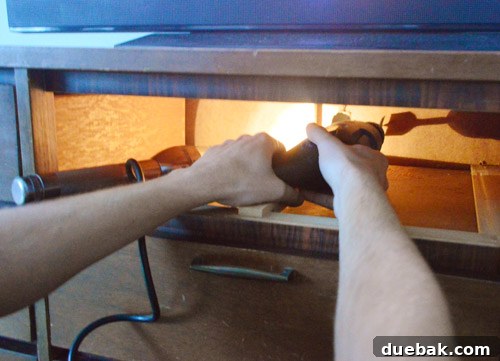
With one side of our “Project Ventilation” complete, we had successfully established a robust and effective airflow system. This meticulous planning ensures that even when the drawer remains closed for extended periods, heat build-up will not be a concern. Furthermore, the top of the drawer was designed to be open, which further aids in heat dissipation, allowing any residual warmth to escape upwards and away from the enclosed electronic device.
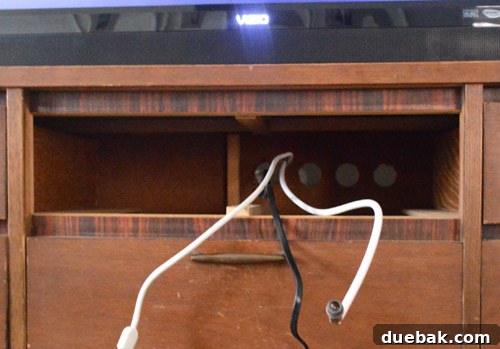
The Magic of IR Extenders: Seamless Remote Control Without Line of Sight
Once the crucial ventilation was meticulously in place, the next significant hurdle was ensuring uninterrupted remote control access. How does one control a cable box that is discreetly hidden inside a closed drawer? The elegant solution to this modern problem lies in an ingenious device known as an IR extender. After connecting the cable box and neatly sliding it into its new, concealed home, we could simply close the drawer, completely hiding the device from view. The true beauty of this setup is that we are no longer required to keep the drawer open during use, which perfectly maintains the clean, minimalist aesthetic of the refurbished cabinet.
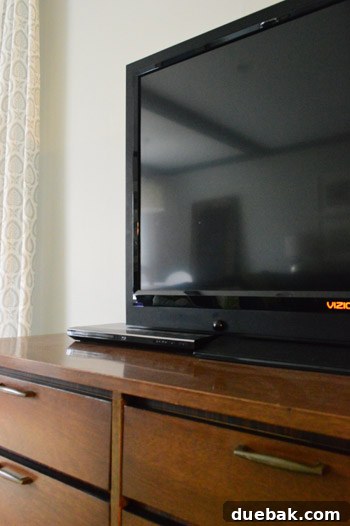
You might be wondering where this “magical” device is located. It is designed to be incredibly discreet! If you look closely at the image above, you’ll spot a small, black, dome-shaped receiver, approximately an inch in width, strategically placed in an inconspicuous spot on the front of the TV. This subtle placement ensures it’s virtually invisible yet perfectly functional.
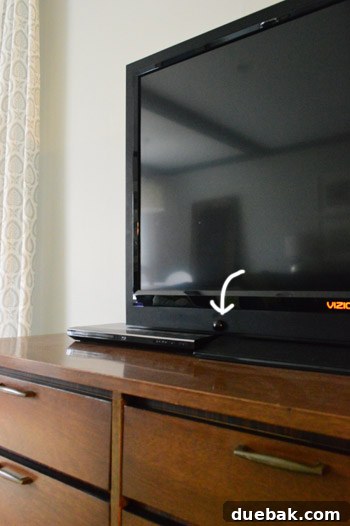
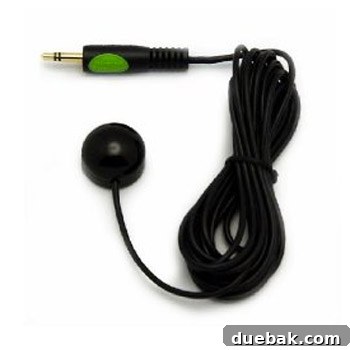
This unassuming little component is, in fact, the intelligent heart of the entire IR extender system. We acquired our specific model from Amazon for an incredibly reasonable $15.99. Given its overwhelmingly positive reviews, it proved to be an absolute bargain. This simple yet effective solution spared us from the need to undertake more drastic and potentially damaging modifications, such as cutting into the drawer front or installing complex, visible hinges. The operational principle of an IR extender is remarkably straightforward:
- Receiver Placement: The small, round receiver (the black dome) is carefully positioned in a discreet yet accessible location, typically on the front frame of your TV or media stand. This is its “listening post,” where it detects the infrared signals emitted by your remote control.
- Signal Relay: When you point your remote control towards the receiver, it efficiently captures the infrared signal.
- Wired Connection: A thin, unobtrusive wire extends from the receiver, subtly snaking around to the back of the cabinet, where it connects to the cable box (or any other IR-controlled device) hidden inside. The extender unit then precisely translates the received signal and transmits it directly to your concealed electronic device.
In a word: it’s genius! We have consistently found it to be just as reliable and responsive as directly pointing the remote at the cable box itself. When this seamless remote access is combined with our meticulously planned ventilation system, we have encountered absolutely zero overheating issues. Even after leaving the drawer closed for an entire week, opening it reveals no accumulated heat or stuffiness, unequivocally confirming the exceptional effectiveness and reliability of our custom setup.
Part 2: Breathing New Life into Wood – Restoring the Media Cabinet’s Finish
Beyond Basic Cleaning: The Art and Science of Wood Restoration
With the cable management conundrum expertly solved and the electronics neatly hidden, our full attention shifted to the profound aesthetic revival of the media cabinet itself. As mentioned previously, the cabinet had already undergone an initial, thorough cleaning and de-grime process. Now, the paramount goal was to restore its lost luster, deeply nourish the dry, aged wood, and provide a durable, long-lasting protective seal. This multi-step restoration process was carefully designed to bring out the inherent, natural beauty of the wood grain and grant this charming vintage piece a renewed, vibrant lease on life.
Preparing Your Workspace for Optimal Wood Restoration
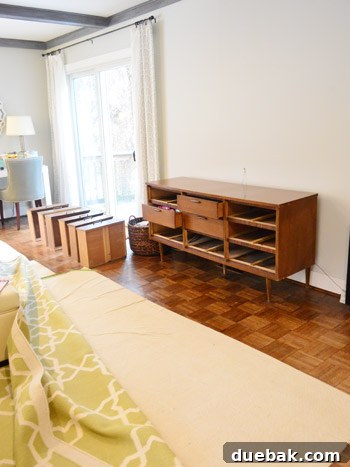
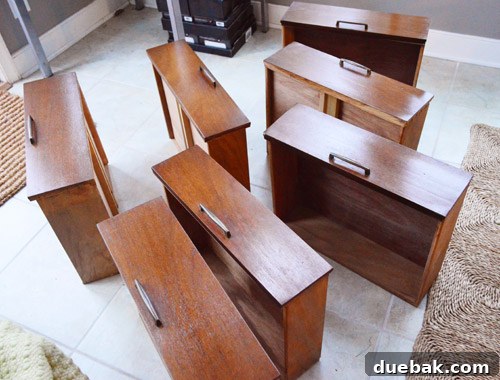
Before enthusiastically diving into the intricate restoration work, proper and meticulous preparation of the workspace is absolutely key to success. We began by carefully removing all the drawers from the cabinet and gently rolling back the rug in our sunroom. This deliberate action provided us with an ample and unobstructed space to work on the individual components, preventing any potential clutter and allowing full access to each part. Furthermore, it protected the surrounding area from any accidental spills or fine dust generated during the process. A well-lit, clean, and adequately ventilated space, such as a sunroom, garage, or dedicated workshop, is always ideal for any serious wood finishing project.
Choosing the Right Restoration Products: An Unbeatable Duo
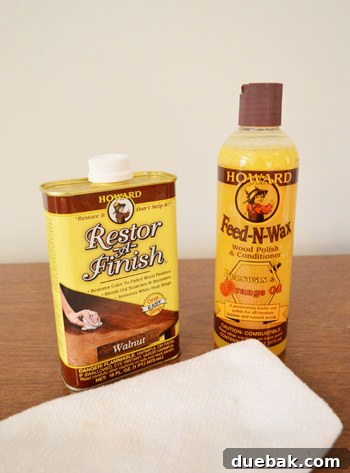
For this specific restoration project, we consciously opted for two highly-praised and widely recommended products renowned for their remarkable results on tired wood furniture: Howard Restor-A-Finish and Howard Feed-N-Wax. We were pleased to find both readily available at our local Home Depot. These particular products are frequently recommended for use in tandem due to their powerful synergistic effects, which maximize their individual benefits:
- Howard Restor-A-Finish: This exceptional product is specifically formulated to restore the original color and luster to existing wood finishes without the need for stripping or sanding. It works by expertly blending out minor scratches, blemishes, and areas of fading, effectively rejuvenating the wood’s overall appearance and depth.
- Howard Feed-N-Wax Wood Polish & Conditioner: A proprietary blend of natural beeswax, carnauba wax, and nourishing orange oil, Feed-N-Wax actively “feeds” the wood, deeply conditioning it to enhance its natural beauty and protect it. It imparts a protective, soft, and inviting luster, perfect for long-term care and maintenance.
The strategic combination of these two potent products offers a powerful one-two punch for revitalizing weary wood, effectively diminishing minor imperfections, and sealing the surface for significantly enhanced durability and a lasting, beautiful shine.
Assessing the Damage: A Critical Look Before the Transformation
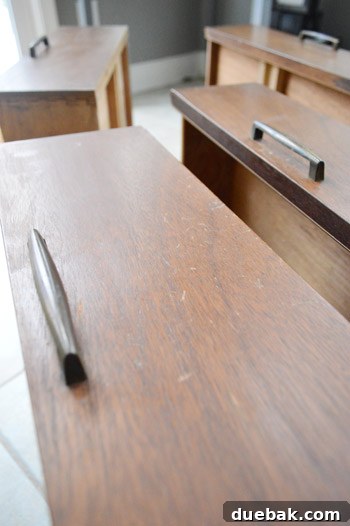
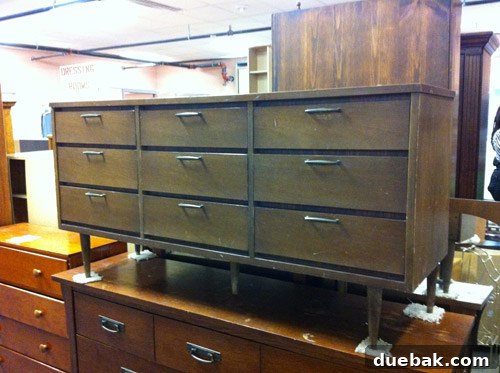
Prior to applying any restoration products, it is crucial to conduct a thorough assessment of the wood’s current condition. Our cabinet drawers, despite having been meticulously cleaned, still visibly exhibited clear signs of age and wear. The wood appeared noticeably dry, lacking any significant depth in color, and was unfortunately marred by numerous small dings and superficial scratches within its existing finish. These imperfections, while seemingly minor when viewed individually, collectively diminished the cabinet’s overall appeal and perceived value. This detailed observation of the “before” state is absolutely critical, as it allows one to fully appreciate the dramatic and rewarding transformation that is about to unfold.
Bringing Back Rich Color and Luster with Restore-A-Finish
The initial and most impactful step in our wood restoration process involved applying Howard Restor-A-Finish. Using a clean, soft rag, we generously rubbed the product onto each individual drawer and the main cabinet frame, meticulously following the precise directions provided on the bottle. The instructions for this product are refreshingly straightforward: “rub it on and wait 30 minutes.” The immediate difference upon application was truly astonishing and profoundly satisfying. The dry, previously dull wood seemed to eagerly drink up the penetrating finish, instantly regaining a remarkable richness in color and a vibrant, renewed luminosity. It was akin to witnessing a parched desert landscape miraculously transform into a lush, thriving oasis; the myriad small dings and superficial scratches visibly seemed to melt away, and the wood’s inherent natural grain became dramatically more pronounced, inviting, and beautiful. This product truly excels at deeply moisturizing and unifying the wood’s overall appearance, preparing it perfectly for the subsequent stages of restoration.
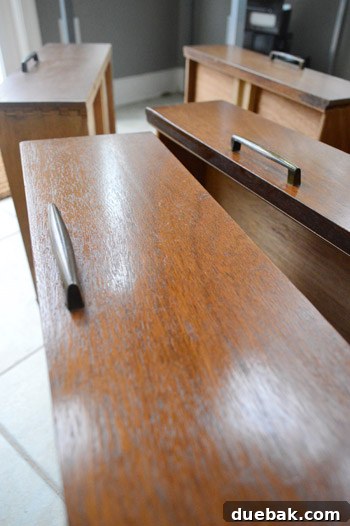
While the Restor-A-Finish performed wonders on the surface-level imperfections and significantly improved the overall hydration of the wood, some of the more substantial chips and deeper gouges still remained faintly visible. These more pronounced blemishes necessitated a slightly different, more targeted approach to achieve a truly flawless and seamless finish.
Tackling Deeper Imperfections: The Clever Magic Marker Trick
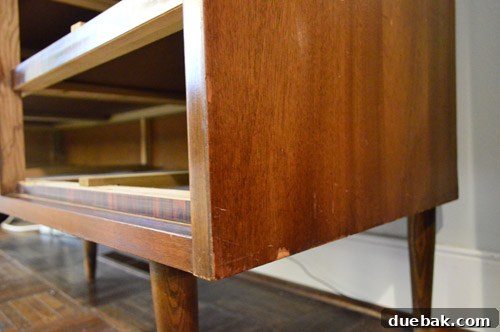
For those particularly stubborn, deeper chips that defied the restorative power of the finish alone, we turned to an unconventional yet remarkably effective tool: a simple brown magic marker. Yes, you read that correctly – sometimes the most ingenious DIY solutions can be found in the most unexpected places, perhaps even in a child’s art drawer! The critical trick here is to carefully select a marker that very closely matches the newly restored tone of the wood. This incredibly low-cost solution is fantastically efficient for quickly and subtly camouflaging deeper damage that a restorative finish alone cannot fully address. It’s an instant visual repair that makes a significant difference.
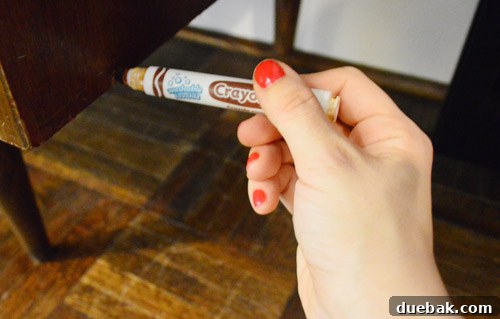
The application process for this “magic marker trick” is incredibly straightforward: carefully rub the tip of the brown magic marker directly into the larger chips or gouges, then immediately and gently blend the applied color with your finger. This rapid blending action is crucial as it prevents the marker from drying too dark or creating harsh, distinct lines, allowing it to seamlessly merge with the surrounding wood grain. The remarkable result is a dramatically less noticeable chip – a true “Chip-Be-Way-Less-Obvious” transformation, if you will! It’s a quick fix that yields surprisingly professional-looking results.
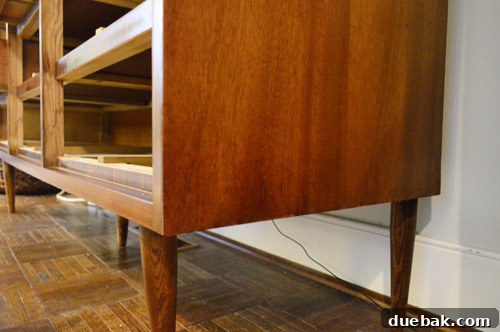
Sealing and Protecting with Howard Feed-N-Wax
After allowing the Restor-A-Finish to fully penetrate and dry for the recommended 30 minutes, it was time to apply the crucial final protective layer: Howard Feed-N-Wax. This exceptional product not only imparts a beautiful, soft, and inviting sheen but also deeply conditions and seals the wood, providing vital protection against future dryness, minor abrasions, and everyday wear. Finding myself short on clean rags at this precise moment, an old white sock proved to be an excellent and surprisingly effective substitute, working absolutely like a charm for the application. It goes to show that resourcefulness is a key component of successful DIY projects!
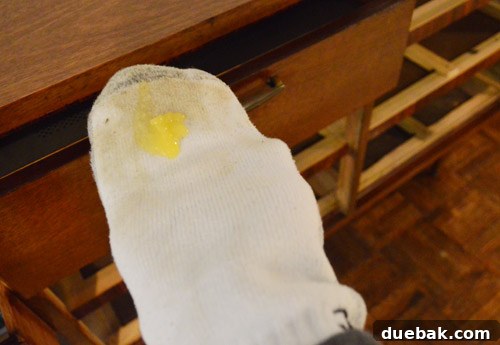
To apply, we generously coated both the wood drawers and the main frame of the cabinet with the wax, ensuring a consistent and even layer across all surfaces. We then allowed it to sit undisturbed and soak in for another 30 minutes, providing ample time for the wood to absorb the nourishing oils and protective waxes. Finally, using a fresh, completely clean rag (or, in my resourceful case, another clean sock!), we meticulously buffed away any excess wax, revealing a gorgeously smooth, lustrous, and impeccably protected surface. The overall transformation was truly remarkable, endowing the cabinet with a rich, deep glow that felt both classic in its elegance and wonderfully refreshed in its presentation.
The Grand Reveal: A Transformed Entertainment Hub
With all the meticulously restored drawers carefully slid back into their proper places, our media cabinet stood magnificently reimagined. It was no longer merely a tired, overlooked piece of furniture; it had been reborn as a vibrant, highly functional, and aesthetically pleasing centerpiece for our home’s entertainment area. The profound richness of the restored wood finish shone beautifully, perfectly complementing the cabinet’s elegant mid-century lines. More importantly, the discreetly hidden cable box and seamless remote control access meant a definitive end to unsightly wires and perpetually open drawers, collectively contributing to a remarkably clean, sophisticated, and uncluttered look that truly elevates the entire space.
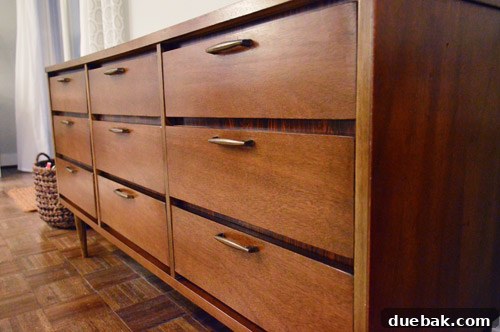
This entire project vividly highlights the incredible power of DIY and the immense potential often hidden within second-hand finds. This particular cabinet, which cost us a mere $59 (a fantastic deal even after a generous $20 markdown!), was inexplicably overlooked by countless shoppers at the thrift store. Yet, with just a bit of vision, some honest elbow grease, and the application of the right restoration products, its inherent beauty was brought magnificently to the forefront. It stands as a powerful testament to the fact that with a little dedicated effort and creativity, you can transform an ordinary object into something truly extraordinary, perfectly tailored to your home’s unique needs and discerning style.
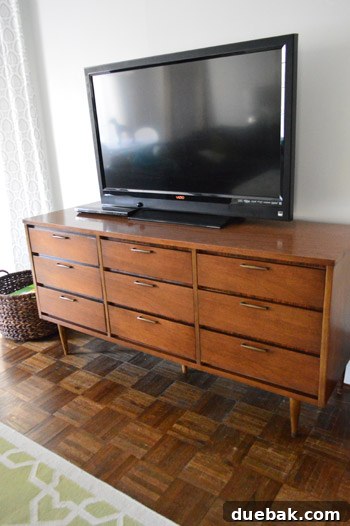
Taking a well-deserved moment to appreciate the journey, it truly is incredible to reflect on how far this humble cabinet has come from its initial, uninspiring beginnings. That initial $59 investment has ultimately yielded a finished piece that not only looks but also functions as if it cost significantly more. The fact that it sat unclaimed long enough to be discounted simply goes to show that not everyone possesses the eye to see the profound potential hidden in unpolished gems. But for those willing to roll up their sleeves and embrace the DIY spirit, the rewards, both tangible and personal, are truly immense and deeply satisfying.
Your Turn: Share Your DIY Furniture Upgrade Journey!
We sincerely hope our detailed media cabinet makeover inspires you to confidently tackle your very own furniture transformation projects. There’s an immense and unique satisfaction in taking something old or neglected and giving it a brand new purpose and renewed beauty. What exciting DIY furniture upgrades are you currently working on in your home? Have you discovered any ingenious cable management solutions that you swear by, or perhaps tried your hand at comprehensive wood restoration using popular products like Restor-A-Finish and Feed-N-Wax? We would absolutely love to hear about your personal experiences with IR extenders – it truly is a remarkably sweet piece of machinery that elegantly solves a common modern household problem. Please feel free to share your invaluable tips, clever tricks, and triumphant project stories in the comments section below! Your insights could inspire countless other DIY enthusiasts.