Living without a functioning kitchen is an experience that quickly transcends novelty and descends into a frustrating test of patience and resourcefulness. What might initially seem like a minor inconvenience – a temporary disruption to daily life – rapidly transforms into a central challenge, impacting everything from meal planning to simple hydration. The familiar comfort of a dedicated space for culinary activities, complete with running water, ample counter space, and proper storage, is suddenly stripped away, leaving behind a void that profoundly alters the rhythm of home life. It’s a sentiment many homeowners undergoing renovations or facing unexpected household issues can relate to: the initial excitement of transformation slowly gives way to the arduous reality of navigating a vital part of your home in its unfinished state.
There are days when the thought of venturing out for another restaurant meal or relying on ubiquitous takeout becomes an exhausting prospect. Even the simplest act of deciding what to eat, let alone preparing it, feels like an Olympic-level challenge when your kitchen is merely a collection of disassembled cabinets and exposed plumbing. This particular evening was one such moment of collective lassitude. The idea of donning shoes, facing traffic, and making another dining decision felt overwhelmingly burdensome. Instead, a peculiar resolve settled over us: we would cook. We would embrace the challenge, confront the limitations, and attempt to conjure a meal from the skeletal remains of what was once our kitchen. It was an act of defiance against the inconvenience, a determined effort to reclaim a small piece of normalcy.
Our chosen culinary adventure? Chocolate chip pancakes. A deceptively simple dish that, under normal circumstances, would be a joyous, leisurely affair. In our current counter-less and sink-less environment, it required a significant pivot in strategy and a generous dose of improvisation. The top of a sturdy, yet-to-be-installed cabinet became our primary workspace – a makeshift counter where ingredients were laid out, batter was mixed, and the promise of a sweet breakfast-for-dinner hung in the air. The process itself, surprisingly, was relatively straightforward. The joy of flipping perfectly golden pancakes, dotted with melting chocolate chips, offered a brief, triumphant respite from the surrounding chaos. More importantly, it provided a crucial confirmation: our stovetop, after almost three months of lying dormant amidst the dust and disarray, still functioned beautifully, sparking to life as if it had never been away. This small victory, a perfectly cooked batch of pancakes, felt like a significant milestone in our renovation journey.
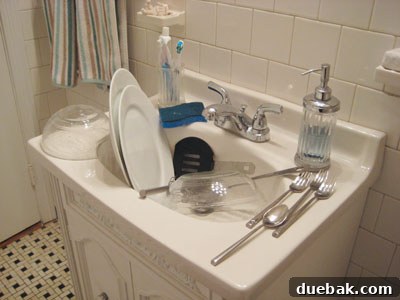
However, the ephemeral satisfaction of a delicious meal quickly faded as the inevitable task of clean-up loomed. This is where the true frustration of a non-functional kitchen truly asserts itself. Without a dedicated sink, the process of washing dishes transforms from a routine chore into an elaborate, multi-step ordeal. Every pot, pan, and utensil, every plate and glass, becomes a testament to the missing convenience. The reality of having to carry greasy pans and sticky plates to the bathroom, attempting to scrub them clean in a sink designed for personal hygiene rather than culinary residue, is profoundly uninspiring. The cramped space, the awkward angles, and the constant fear of splashing soapy water onto clean towels or delicate toiletries create an almost comedic, yet deeply annoying, tableau. Let’s just say that battling stubborn pancake batter in a bathroom basin doesn’t exactly ignite a passionate desire to play chef again anytime soon. It’s a vivid reminder that while improvisation can get you through the cooking, it’s the aftermath that truly tests your resolve.
Navigating life during a kitchen renovation extends far beyond the mere act of cooking and cleaning. It encompasses a complete re-evaluation of daily routines, meal preparations, and even social interactions. For many, the kitchen is the heart of the home, a central gathering place where families connect, stories are shared, and sustenance is prepared with love. Its absence creates a ripple effect, forcing households to adapt in creative and often challenging ways. From making do with limited appliances like slow cookers and microwaves to meticulously planning every single meal to minimize mess and maximize efficiency, the temporary kitchen existence becomes an intricate dance of resourcefulness and strategic thinking. It’s about more than just food; it’s about maintaining a sense of normalcy and comfort amidst the transformative chaos.
One of the key strategies for surviving a kitchen-less period is developing a robust temporary kitchen setup. This often involves repurposing other areas of the home, such as a dining room corner, a laundry room, or even a garage, into a functional albeit temporary food preparation zone. Essential items become paramount: a sturdy folding table can serve as a versatile counter space, while a portable induction cooktop can replace a traditional range. A coffee maker, toaster oven, and perhaps a small portable refrigerator or cooler become indispensable allies. The goal is to create an efficient workflow, even if it’s a scaled-down version of your ideal kitchen. Organization is critical; clear containers, accessible shelving, and a designated spot for every utensil, no matter how humble, can prevent valuable time from being wasted searching for misplaced items.
Meal planning during a renovation also takes on a new dimension. Forget elaborate multi-course dinners or complex recipes requiring numerous pots and pans. This is the era of one-pot wonders, sheet pan dinners, and no-cook meals. Think about simple pasta dishes, hearty salads with pre-cooked proteins, or quick stir-fries using microwaveable rice. Breakfasts might lean towards cereals, overnight oats, or the occasional treat like our chocolate chip pancakes – provided the clean-up isn’t too daunting. The emphasis shifts from culinary artistry to practical sustenance. Batch cooking, where larger quantities of food are prepared at once to minimize daily cooking efforts, can be a game-changer. It not only saves time but also reduces the frequency of those dreaded clean-up sessions in the bathroom sink.
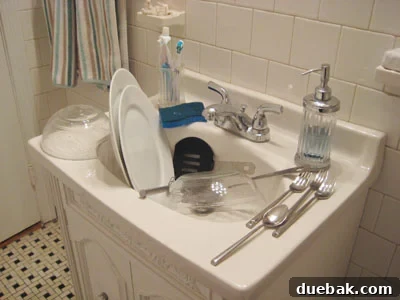
The clean-up aspect truly remains the Achilles’ heel of any temporary kitchen setup without a dedicated sink. To mitigate this, a “two-bucket” system often proves invaluable: one bucket filled with hot soapy water for washing, and another with clean water for rinsing. A portable drying rack, perhaps one that folds away when not in use, can be a lifesaver. Some homeowners even invest in a small, portable camping sink with a hand pump, which can make the process significantly less cumbersome. For truly dire days, embracing disposable plates, cups, and cutlery can offer a much-needed reprieve, though it’s important to balance convenience with environmental considerations. Wipes and paper towels become indispensable for quick surface clean-ups, preventing grime from accumulating and making the eventual deep clean less daunting. Maintaining hygiene is paramount, especially when food preparation areas are unconventional. Regular sanitization of surfaces and diligent hand washing remain non-negotiable.
Beyond the practicalities, there’s a significant psychological component to enduring a kitchen renovation. It tests patience, creativity, and the ability to find humor in challenging situations. There will be days of exasperation, moments when the sheer inconvenience feels overwhelming, and times when the progress seems excruciatingly slow. It’s crucial to remember that this phase is temporary. Visualizing the beautiful, functional kitchen that awaits at the end of the journey can provide a powerful source of motivation. Celebrating small victories, like the successful stovetop test or a particularly delicious improvised meal, helps to maintain morale. Allowing for occasional indulgences, such as ordering takeout without guilt, can also prevent burnout. Communication with household members about expectations and shared responsibilities is vital to ensure everyone feels supported throughout the process.
Ultimately, surviving a kitchen renovation without a fully functional kitchen transforms into an unexpected journey of self-reliance and adaptation. It forces you to appreciate the conveniences you often take for granted and to discover innovative solutions to everyday problems. While the memory of washing dishes in the bathroom may never quite fade, it will eventually be overshadowed by the joy and satisfaction of stepping into a brand-new, beautifully appointed kitchen. The challenges endured during the renovation period will not only make you cherish your finished space even more but will also equip you with an invaluable arsenal of practical skills and a newfound appreciation for the simplest things, like a working sink and a spacious countertop. The light at the end of the renovation tunnel is indeed bright, promising a return to culinary normalcy and the effortless pleasure of a truly functional home.