Mastering Seed Starting: Your Ultimate Guide to Growing Herbs, Vegetables, and Flowers from Scratch
Embarking on the journey of growing your own plants from seed is one of the most rewarding aspects of gardening. It’s a venture that offers immense satisfaction, incredible variety, and significant cost savings. This year, we decided to dive headfirst into this delightful challenge, aiming to cultivate a vibrant assortment of herbs, vegetables, and flowers right from tiny seeds. Inspired by countless success stories, even those by novice gardeners, and the sheer accessibility of modern seed-starting kits, we felt an undeniable pull to give it a try. The moment we spotted a compact, all-inclusive greenhouse kit at our local Home Depot, we knew it was time to take the plunge into the world of propagation.
The Smart Start: Unveiling the Jiffy Greenhouse Kit
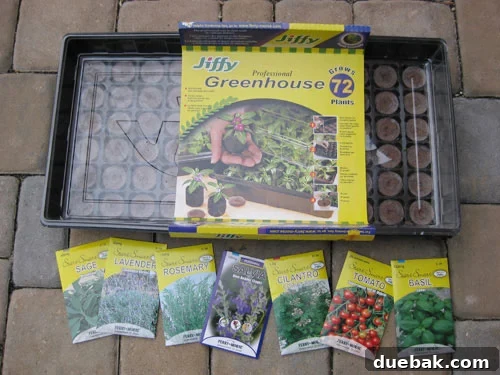
Our chosen tool for this exciting endeavor was a remarkably affordable Jiffy greenhouse contraption, priced at a mere $6.99. This kit promised a streamlined approach to seed starting, making it ideal for beginners. To complement our miniature greenhouse, we carefully selected a variety of seeds, each packet costing just $1.59. Our ambitious selection included fragrant sage, soothing lavender, aromatic rosemary, vibrant salvia, culinary cilantro, garden-staple tomato, and versatile basil. With these seven packets of seeds, we had the potential to grow a staggering 72 individual plants, all for a total investment of only $18.12. This breaks down to an incredible 25 cents per potential plant, not to mention the added value of a reusable greenhouse tray. This cost-efficiency alone makes seed starting an incredibly attractive option compared to purchasing established seedlings from a nursery, which can often cost several dollars per plant.
Why Start Seeds Indoors? The Abundance of Benefits
Beyond the undeniable cost savings, starting seeds indoors offers a plethora of advantages:
- Wider Variety: Seed catalogs offer an almost endless selection of plant types, colors, and disease resistances that you simply won’t find in local garden centers.
- Early Start: You can get a head start on the growing season, especially in regions with shorter summers, allowing plants to mature and produce earlier.
- Control Over Conditions: From soil composition to watering schedules and light exposure, you have complete control over your plants’ initial environment, ensuring a strong, healthy start.
- Personal Satisfaction: There’s an immense sense of accomplishment and connection to nature that comes from watching a tiny seed transform into a thriving plant under your care.
- Organic Control: If you’re aiming for an organic garden, starting from seed ensures your plants are raised without synthetic pesticides or fertilizers from day one.
A Seamless Start: The “Idiot-Proof” Planting Process
The beauty of this particular Jiffy greenhouse setup lies in its simplicity. The entire process felt incredibly straightforward, even for first-time seed starters. Here’s a detailed breakdown of how we brought our little garden to life:
Step 1: Hydrating Your Peat Pellets
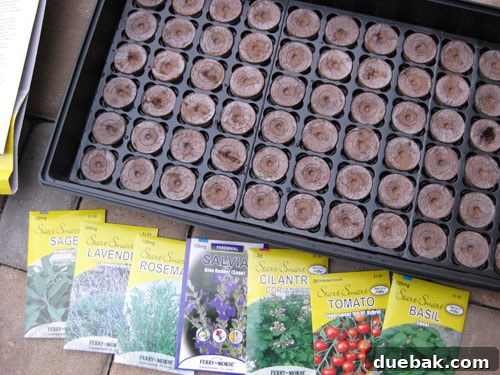
The kit comes with compressed peat pellets, which are essentially dehydrated soil. The first step is to fill the bottom of the plastic tray with approximately two quarts of warm water. The warmth of the water helps the peat pellets absorb moisture more efficiently and rapidly, encouraging faster expansion. As the pellets soak up the water, you’ll witness a fascinating transformation: they swell from small, quarter-sized disks into robust, two-inch-deep cylinders of nutrient-rich growing medium. It’s important to give them ample time to fully expand, ensuring they are thoroughly saturated before proceeding.
Step 2: Planting Your Precious Seeds
Once the peat pellets are fully expanded and moist, it’s time to plant. Gently pull back the fine netting that surrounds the top of each pellet, exposing the soft, expanded peat. Using a finger or a small stick, create a shallow indentation, a “little hole,” in the center of the pellet. This is where your seeds will rest. For most seeds, placing one to three seeds per pellet is a good practice. This accounts for potential germination failures and allows you to thin out the weaker seedlings later, ensuring only the strongest survive. We carefully dropped our chosen seeds into their respective pellets, ensuring even distribution.
Step 3: Covering and Creating the Ideal Microclimate
After placing the seeds, gently fluff a small amount of the peat back over them, just enough to lightly cover the seeds. The general rule of thumb is to cover seeds to a depth roughly twice their diameter. For very tiny seeds, a light dusting is sufficient. Once all your “babies” are tucked in, place the clear plastic dome securely on top of the tray. This dome acts as a mini-greenhouse, trapping humidity and creating a warm, consistent environment crucial for germination.
Nurturing Your Future Garden: From Seed to Sprout
With the planting complete, the next phase is all about creating the right conditions for germination and the initial growth of your seedlings.
Optimal Placement and Initial Care
The greenhouse needs to be placed in a warm location, but critically, away from direct sunlight. While warmth is essential for germination, direct sun can quickly overheat the enclosed environment and dry out the pellets. We found a perfect spot atop the dresser in our guest bedroom—a cozy corner that received indirect light and maintained a steady, comfortable temperature. We decided to exercise patience and resisted the urge to constantly check on our progress. For the first four days, we left the greenhouse undisturbed. On the fifth day, we returned to gently sprinkle a bit more warm water over the tops of all the pellets, ensuring they remained adequately moist.
The Magic of Germination: Witnessing First Signs of Life
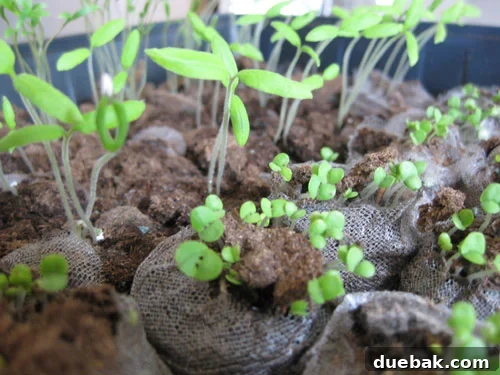
It was shortly after this initial re-watering that the true magic began to unfold. Whether it was the passage of four to five days, the consistent warmth and humidity within the dome, or the additional sprinkle of water that provided the final push, tiny, delicate seedlings slowly but surely began to emerge from the peat pellets. The sight of these first green shoots pushing through the soil is truly exhilarating and a testament to nature’s incredible resilience.
Identifying Your Young Plants: The Importance of Labeling
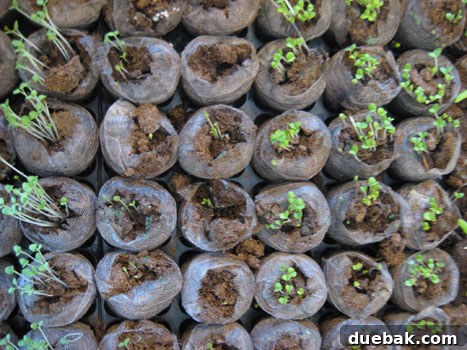
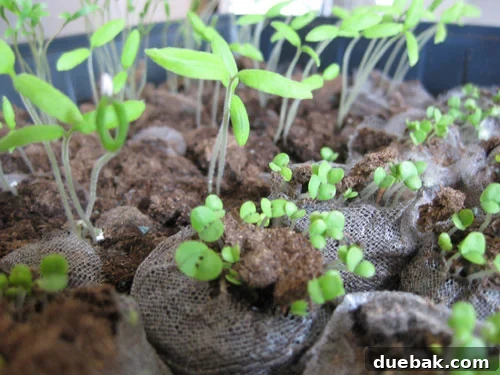
As the seedlings started to grow, accurate identification became paramount. We were delighted to see a happy little cilantro sprout reaching for the light, with our tomato seedlings peeking up right beside it. Just out of frame to the right, some beautifully lush basil was also making its grand entrance. To avoid any confusion down the line, we diligently sketched out the layout of our rows on a piece of paper, carefully labeling each section. For example, “Row 1: Cilantro, Row 2: Tomatoes,” and so on. This simple step proved invaluable, as many young seedlings can look surprisingly similar!
Beyond Germination: Growing Healthy Seedlings
Once your seeds have germinated, the work isn’t over. Proper care during this crucial seedling stage will determine the strength and vitality of your mature plants.
Essential Care for Thriving Seedlings
- Light: After germination, seedlings require plenty of light to grow strong and prevent “legginess” (stretching thinly towards a light source). While indirect light was fine for germination, now they need brighter, consistent light. A south-facing window can work, but supplemental grow lights (LEDs are energy-efficient) are often ideal, placed just a few inches above the plant tops.
- Watering: Keep the peat pellets consistently moist, but not waterlogged. Overwatering can lead to damping-off disease, a fungal issue that causes seedlings to collapse. Underwatering causes wilting and stress. A spray bottle can be used for gentle watering, or you can water from the bottom by adding water to the tray.
- Temperature: Most seedlings prefer temperatures between 65-75°F (18-24°C). Avoid extreme fluctuations.
- Air Circulation: Once seedlings emerge, it’s good practice to periodically lift the dome for a short period each day to allow for some air circulation. This helps prevent fungal diseases and strengthens the young stems.
Preparing for the Great Outdoors: The Hardening-Off Process
The seedlings, accustomed to the sheltered, consistent environment of the greenhouse, cannot be immediately transplanted directly into the garden. They need a period of gradual adjustment known as “hardening off.” This process helps them acclimate to the harsher outdoor elements, such as wind, direct sunlight, and fluctuating temperatures.
The Jiffy packaging itself provided excellent tips for this crucial step, which we made sure to keep for reference. The basic idea is to slowly introduce your seedlings to the outdoor environment. Start by placing them outside in a sheltered, shady spot for a few hours each day, bringing them back indoors at night. Over a period of one to two weeks, gradually increase their exposure to sunlight and wind, and extend the time they spend outdoors. This slow introduction builds resilience, ensuring they don’t suffer from “transplant shock” when they finally take up permanent residence in your garden beds. So far, following these steps, our seedlings are thriving and growing stronger by the day!
Join the Seed Starting Community: Share Your Expertise!
Our journey into seed starting has been incredibly rewarding so far, proving that with a little guidance and a simple kit, anyone can experience the joy of growing their own plants from scratch. If our experience encourages you, we urge you to grab a greenhouse kit of your own and embark on your personal gardening adventure! For those who prefer a more DIY approach, alternatives like Katie’s innovative egg carton method offer another excellent starting point.
We are constantly learning and growing alongside our plants. If you’re a more seasoned seed-starter with tried-and-true tips, clever tricks, or invaluable advice for cultivating healthy herbs, bountiful vegetables, or stunning flowers from seeds, we would absolutely love to hear from you! Please share your wisdom in the comments below. Every piece of advice helps our little garden, and countless others, flourish and reach its full potential. Happy gardening!