

Granite countertops bring unparalleled elegance and durability to any kitchen or bathroom. Their natural beauty, unique patterns, and impressive resilience make them a top choice for homeowners. However, like any natural stone, granite possesses a porous nature, making it susceptible to absorbing liquids and, consequently, prone to staining. The mere thought of a stain on pristine granite can be a source of immediate distress, turning a beautiful surface into a canvas for anxiety. But don’t fret! The good news is that most common granite stains are not permanent and can be effectively removed with simple household items and a bit of patience. Our own experiences, including battling a particularly stubborn blueberry stain, confirm that regaining your granite’s flawless appearance is entirely achievable. This comprehensive guide aims to demystify granite stain removal, providing you with the knowledge and confidence to tackle virtually any blemish, restoring your countertops to their original glory.
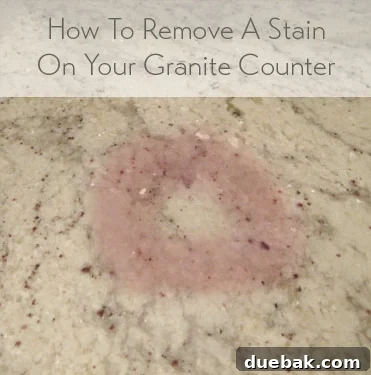
We distinctly recall the moment we discovered a vibrant, bright pink stain marring our brand new granite counters, courtesy of a forgotten blueberry container. The sight was undeniably alarming, turning our excitement into immediate worry. If you’re reading this, chances are you’re facing a similar predicament – a blotch or discoloration on your beautiful stone that seems insurmountable. Take a deep breath. This article is your ultimate resource, designed to guide you through a straightforward, effective process to eliminate those unwelcome marks without the need for specialized equipment or professional intervention. Let’s transform that distress into relief as we embark on this journey to pristine granite.
Understanding Granite: Beauty, Durability, and Porosity
Granite is an igneous rock formed from magma, composed primarily of quartz, feldspar, and mica. This unique mineral composition gives it remarkable hardness and durability, making it resistant to scratches and heat. However, the presence of tiny, interconnected pores throughout its structure makes it susceptible to staining. When unsealed or improperly sealed, these microscopic openings can absorb liquids – from spilled coffee and cooking oil to wine and even plain water – leading to discoloration. The key to successful granite care lies in understanding this porosity and taking proactive measures, alongside knowing how to effectively treat stains when they inevitably occur. While seemingly intimidating, addressing granite stains is often less complex than imagined, requiring the right approach and commonly available items.
Essential Tools and Materials for Granite Stain Removal
You don’t need an arsenal of expensive, specialized cleaners to combat granite stains. In fact, many effective solutions can be found right in your pantry or under your sink. Before you rush to the store, gather these fundamental household items. They are safe, readily available, and incredibly effective when used correctly.
- Soft Cloths or Paper Towels: Essential for blotting fresh spills and wiping away cleaning solutions. Microfiber cloths are ideal for gentle yet effective cleaning.
- Liquid Bleach: Highly effective for organic stains like coffee, tea, fruit juices, and wine. Its oxidizing properties break down color molecules.
- Baking Soda: A versatile and gentle abrasive, baking soda is the cornerstone for creating effective poultices to draw out oil-based and other deep-set stains.
- Hydrogen Peroxide: A milder alternative to bleach, hydrogen peroxide is excellent for light-colored granite and can be used in poultices for a variety of stain types, particularly those from water-based organic substances.
- Plastic Wrap or Plastic Bag: Crucial for covering poultices or liquid applications. This prevents the solution from drying out too quickly, allowing it to penetrate and lift the stain effectively.
- Dish Soap or pH-Neutral Multi-Surface Cleaner: Used for general cleaning, rinsing, and ensuring no residue is left after stain treatment. Always opt for pH-neutral formulas to protect your granite’s sealant.
- Rubber Gloves: Always wear gloves when handling cleaning agents like bleach or hydrogen peroxide to protect your skin.
- Masking Tape (Optional): Useful for securing plastic wrap over a poultice, especially if you need to leave it for an extended period.
The Universal Method for Tackling Stubborn Granite Stains
While specific cleaning agents may vary depending on the stain type, the fundamental process for removing most stubborn stains from your granite countertops follows a consistent, easy-to-follow pattern. This general approach minimizes scrubbing and maximizes the cleaning agent’s ability to lift the stain naturally.
- Step 1: Immediate Action – Blotting and Initial Cleanup: As soon as you notice a spill or stain, act quickly. Use a clean, soft cloth or paper towel to gently blot (do not wipe or scrub) as much of the liquid or substance from the surface as possible. This prevents the stain from spreading or penetrating deeper into the granite’s pores.
- Step 2: Choose Your Weapon – Selecting the Right Cleaning Agent: Based on the type of stain (organic, oil-based, water-based, etc.), you will select the most appropriate cleaning solution, which we will detail in the following sections.
- Step 3: The Poultice Principle – Applying the Solution and Covering: Whether it’s a direct liquid application or a paste (poultice), apply a generous layer directly onto the stain. Immediately cover the treated area tightly with plastic wrap or a plastic bag. This creates a seal that prevents the solution from evaporating, allowing it to remain active and work its magic by drawing the stain out of the granite.
- Step 4: Patience is Key – The Waiting Game: This is often the hardest part, but also the most critical. The cleaning agent needs time to penetrate the stone and absorb the stain. Depending on the severity and age of the stain, this could range from a few hours to overnight, or even several days for extremely stubborn marks. Avoid the urge to peek or disturb the covering prematurely.
- Step 5: The Reveal – Cleaning Up and Rinsing: Once the waiting period is over, carefully remove the plastic covering. Gently scrape off any paste residue with a plastic scraper (avoid metal). Clean the entire area thoroughly with a damp cloth and a mild, pH-neutral dish soap or multi-surface cleaner. Rinse thoroughly with clean water to remove all traces of the cleaning agent and dry the surface completely.
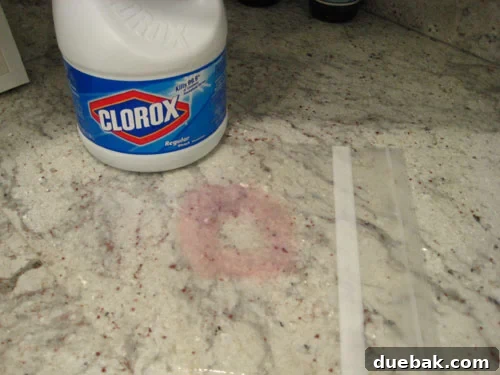
This process, while requiring a measure of patience, demands almost zero scrubbing or “elbow grease.” The cleaning agents and the poultice method do all the heavy lifting, making it a surprisingly effortless endeavor once you understand the steps.
Targeting Specific Stains: Detailed Methods
Method 1: Vanquishing Organic Stains with Bleach or Hydrogen Peroxide
Organic stains are typically caused by food items such as coffee, tea, wine, fruit juices (berries are notorious!), ketchup, and even some inks or dyes. These stains often appear as a discoloration ranging from light brown to deep purple or red. For these types of stains, an oxidizing agent like liquid bleach or hydrogen peroxide is your most effective solution.
Our personal encounter with a massive, bright pink blueberry stain that had festered for four days on our newly installed granite counters was initially devastating. We were convinced it was a permanent fixture. However, referring to the granite care instructions provided by our installer, liquid bleach was recommended. Here’s the simple yet incredibly effective method we employed:
- Pour Bleach or Hydrogen Peroxide: Carefully pour a small amount of full-strength liquid bleach directly onto the stained area. If your granite is lighter in color or you’re hesitant about bleach, hydrogen peroxide is an excellent, slightly gentler alternative. Ensure adequate ventilation in the area when working with bleach.
- Cover with Plastic: Immediately cover the treated spot with a piece of plastic wrap or a plastic freezer bag. This prevents the bleach from evaporating too quickly, allowing it to penetrate deeply and break down the stain. You can tape down the edges of the plastic to create a secure seal.
- Monitor & Remove: For our blueberry stain, we were astonished to see it disappear in less than two hours! This meant we didn’t even need to leave it overnight. For other stains, you may need to let it sit for several hours, or even up to 24 hours. Check periodically without disturbing the seal if possible.
- Clean & Reseal: Once the stain has vanished, remove the plastic and thoroughly clean the area with a damp cloth and pH-neutral soap, then rinse with clean water and dry. Because powerful oxidizers like bleach and hydrogen peroxide can slightly degrade the granite’s sealant, it is highly recommended to reseal the treated area afterward to restore its protective barrier.
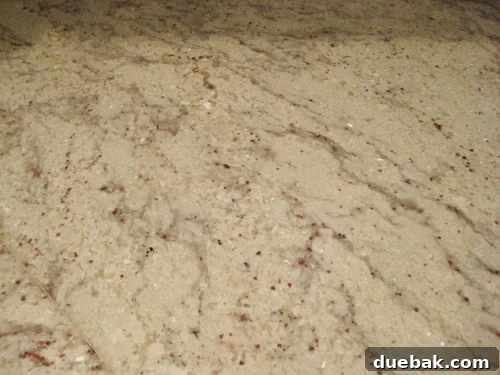
While applying bleach to your new counters might feel a bit daunting, the results can be truly transformative. For general cleaning, always dilute bleach to 1/4 or 1/2 strength. Full-strength application should be reserved specifically for stain removal on properly sealed granite. Always wear gloves during application.
For non-organic stains like permanent marker or ink, acetone (pure acetone, not nail polish remover which contains oils and other chemicals that can harm granite) can be effective. Regardless of the solution, it’s always prudent to test any strong cleaner in an inconspicuous area of your granite first to ensure it doesn’t cause any adverse effects, especially if you are unsure of your granite’s sealing status or its specific type.
Important Caution: Avoid Vinegar and Other Acids on Granite
A crucial rule for granite care is to steer clear of acidic liquids like vinegar, lemon juice, ammonia, and harsh bathroom cleaners. These substances can cause a chemical reaction called “etching” on the granite’s surface. Etching degrades the minerals in the stone, resulting in dull spots, changes in color, and a roughened texture that is difficult, if not impossible, to reverse without professional help. Always opt for pH-neutral cleaners specifically designed for natural stone.
Method 2: Drawing Out Oil-Based and Other Stains with a Baking Soda Poultice
For oil-based stains (grease, cooking oil, butter, cosmetics) or general discoloration that doesn’t respond to bleach, a baking soda poultice is an incredibly effective solution. A poultice works by creating a paste that, when applied and allowed to dry, slowly draws the stain out of the porous stone. It’s a method that relies on absorption and time.
- Create the Paste: Mix two tablespoons of baking soda with one tablespoon of water to create a thick, peanut-butter-like paste. For oil-based stains, water is often sufficient. For a broader range of stains, particularly those with a water-based component or unknown origin, hydrogen peroxide can be substituted for water to enhance its stain-lifting power.
- Apply Thick Layer: Apply a generous, quarter-inch thick layer of the baking soda paste directly over the entire stained area. Ensure the paste extends slightly beyond the edges of the stain.
- Cover Securely: Cover the poultice tightly with plastic wrap or a plastic bag. Seal the edges with masking tape if necessary to prevent the paste from drying out prematurely. The goal is to keep the paste moist so it can continually draw the stain upwards.
- Allow to Dry Completely: This is where patience is truly tested. The poultice needs to remain on the stain until it completely dries out, which could take several hours, overnight, or even up to a few days for deep-seated stains. As the paste dries, it absorbs the staining agents from the granite.
- Scrape Off, Clean, Rinse: Once the poultice is completely dry and has hardened, carefully scrape it off using a plastic scraper or a wooden spatula to avoid scratching the granite. Do not use metal tools. Clean the area thoroughly with a damp cloth and pH-neutral soap, then rinse with clean water and dry. If a faint trace of the stain remains, you may need to repeat the process.
Method 3: Eliminating Stubborn Water Stains and Mineral Deposits
It might seem counterintuitive, but water—especially hard water—can indeed leave unsightly stains on porous granite, particularly around faucets, sinks, and frequently wet areas. These stains can manifest as darkened spots, white scaly build-up (limescale), or dull rings. Addressing them early is crucial to prevent deeper penetration or potential etching from mineral deposits. Here are several techniques, moving from mild to more aggressive, to tackle water stains:
- Thoroughly Dry the Area: First and foremost, ensure there is absolutely no standing water. Use a soft, absorbent cloth to dry the area completely. Sometimes, simply drying the area and allowing it to air out for a while can lighten superficial water marks.
- Scrub with Mild Soap and Microfiber Cloth: For light water spots, a gentle scrub with a pH-neutral dish soap and a microfiber cloth can often do the trick. Work in small circular motions, then rinse and dry.
- Baking Soda and Hydrogen Peroxide Poultice with a Stiff-Bristled Brush: For slightly more stubborn water marks or light mineral deposits, mix a small amount of baking soda with hydrogen peroxide to form a paste. Apply this paste to the stain and gently scrub with a stiff-bristled nylon brush or an old toothbrush. The gentle abrasive action of baking soda combined with the oxidizing power of hydrogen peroxide can lift many water-based discolorations. Rinse well.
- Apply a Baking Soda Poultice and Cover Overnight: For deeper water stains that have darkened the granite, create a thicker baking soda paste (as described in Method 2) using either water or hydrogen peroxide. Apply it generously, cover with plastic wrap, and let it sit overnight or until completely dry. This draws the embedded moisture and minerals out of the stone.
- Carefully Use a Razor to Scrape Off Limescale Build-up: If you have significant, hardened limescale or mineral deposits, a razor blade can be used with extreme caution. Hold the razor at a very low angle (almost flat against the surface) and gently scrape in one direction. Go slowly and apply minimal pressure to avoid scratching or etching your granite. This method is best for removing surface build-up rather than stains within the stone itself.
Once the area is clean and dry to your satisfaction, it is highly advisable to apply a fresh granite sealer. This will help prevent future water penetration and the recurrence of unsightly water stains and mineral build-up.
Proactive Granite Care: Preventing Stains Before They Happen
While knowing how to remove stains is empowering, the best defense is a good offense. Implementing simple preventative measures into your daily routine can significantly reduce the likelihood of stains and extend the life and beauty of your granite countertops.

Regular Sealing: Your First Line of Defense
Granite countertops are typically sealed upon installation, but this sealant is not permanent. It wears down over time, especially in high-use areas. Most granite should be re-sealed every 12 to 18 months. Lighter-colored granites tend to be more porous and may require more frequent sealing. To test if your granite needs resealing, drop a few water droplets onto the surface. If they bead up, your seal is good. If they absorb into the stone and darken the surface within a few minutes, it’s time to reseal. You can easily find DIY granite sealers, or opt for a convenient 2-in-1 cleaner and sealer for routine maintenance, providing an added layer of protection with every wipe-down.
Immediate Spill Cleanup: The Golden Rule
The vast majority of granite stains occur because spills are left to sit. Make it a habit to wipe up any spills – whether it’s coffee, wine, cooking oil, fruit juice, or even plain water – as soon as they happen. Blot, don’t wipe, to prevent spreading. Be particularly vigilant with highly pigmented or acidic liquids, as they can penetrate quickly or cause etching. A quick wipe-down after meal prep or cooking can catch any unnoticed drips or splashes, preventing them from turning into stubborn stains.
Protecting Surfaces: Barriers and Buffers
Minimize direct contact between staining agents and your granite. Always use coasters under glasses and mugs, especially for hot beverages or cold drinks that sweat. Place trivets or hot pads under hot pots and pans to prevent thermal shock, and use cutting boards for all food preparation. These simple barriers protect against heat, scratches, and, most importantly, spills from food, oils, and other substances.
Mindful Habits: Reducing Risk Factors
Evaluate your daily habits. While activities like meal preparation are essential on your countertops, consider moving “risky” tasks elsewhere. For instance, pour wine over the sink, use permanent markers away from the granite, and store potentially staining foods (like our infamous blueberries or bottles of cooking oil) in non-porous containers or on trays. Designate specific areas for tasks that might involve staining agents, and protect these areas with large cutting boards or silicone mats.
Daily Cleaning with pH-Neutral Products
Regular, gentle cleaning is essential for maintaining granite. Use a soft cloth and a pH-neutral cleaner specifically formulated for natural stone. Avoid abrasive cleaners, scouring pads, and harsh chemicals, as these can scratch the surface or strip away the sealant, leaving your granite vulnerable. A simple routine of daily cleaning helps remove surface grime and minor spills before they have a chance to set in.
When to Call a Professional
While the methods outlined in this guide are effective for most common granite stains, there are instances where professional intervention might be necessary. If you’ve tried the recommended techniques multiple times without success, if the stain is unusually large, extremely old, or from an unknown source, or if you notice any etching or damage to the stone itself, it might be time to consult a professional stone restoration specialist. They possess advanced knowledge, specialized equipment, and stronger poultice formulations that can tackle the most challenging issues without risking further damage to your valuable countertops.
Honestly, our experience of successfully removing that hideous blueberry stain instilled a newfound appreciation for our granite countertops. The revelation that a significant, vibrant stain could sit for days and then completely vanish in mere hours has significantly reduced any anxiety we once felt about occasional oil splatters or wine spills. It transformed our initial fear into confidence, showcasing the stone’s impressive resilience.
The ultimate takeaway from this journey is clear: if you’re considering granite but are apprehensive about its susceptibility to stains, rest assured that it is far more durable and forgiving than you might imagine. With the right knowledge and a proactive approach to care, your granite countertops will remain a stunning and practical centerpiece in your home for years to come.
*This post contains affiliate links, so we may earn a small commission when you make a purchase through links on our site at no additional cost to you.