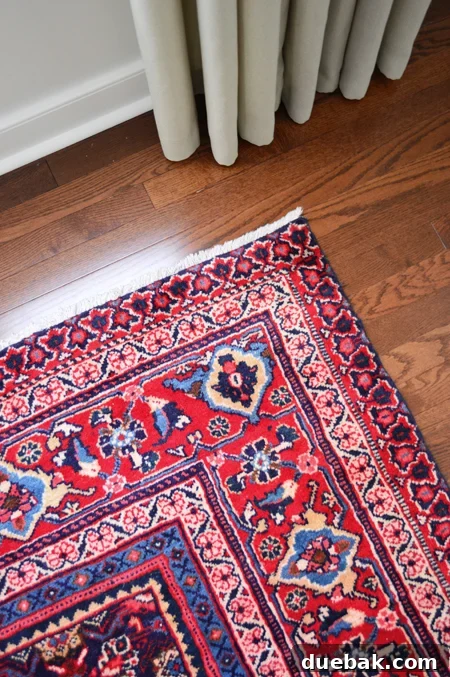
Navigating the world of rugs can often feel like a complex journey. From deciphering the ideal size and material to choosing a design that truly speaks to your home’s aesthetic, and even understanding the best ways to care for your investment, the process can be daunting. Many of us have made common rug-buying mistakes – opting for something too small, too cheap, too trendy, or simply the wrong material – only to be left feeling frustrated and hesitant to try again. But fear not! Having traversed the winding path of rug ownership for over a decade, making almost every possible misstep along the way, we’re here to share our hard-won wisdom. Consider this your comprehensive guide to selecting, styling, and maintaining the perfect area rug that will elevate your space and stand the test of time.
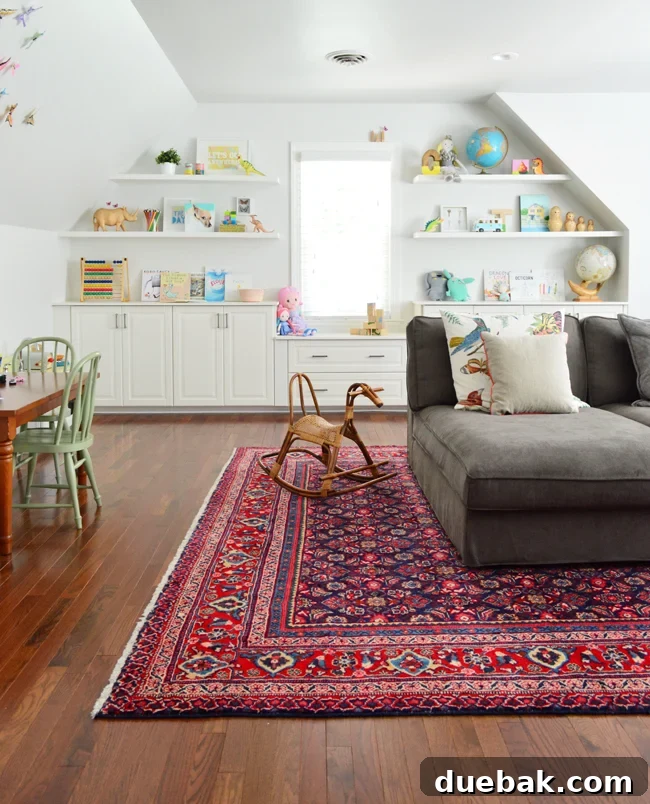
Choosing The Right Rug Size: Go Big or Go Home
When it comes to area rugs, our mantra is simple: **the bigger, the better**. A common mistake homeowners make is choosing a rug that’s too small for their space. A tiny rug can make a room feel disjointed, choppy, and even smaller than it is. Conversely, a generously sized rug has the power to transform a room, making it feel more expansive, cohesive, and inviting. Imagine a rug that anchors your furniture, creating a sense of unity and warmth.
Ideally, you want your rug to fill a significant portion of the room, leaving just a foot or two of bare floor around the perimeter. This creates a border effect, distinguishing the rug from wall-to-wall carpeting and giving the room a polished, finished look. For instance, a 10 x 14-foot rug beautifully fills a 13.5 x 18-foot bedroom, adding softness, texture, and pattern without feeling cramped or overwhelming. It’s an optical trick that makes the entire space appear larger and more thoughtfully designed.
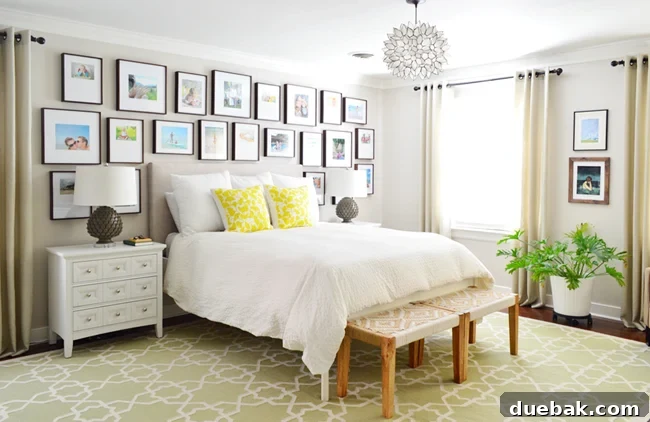
(This exact rug is still for sale in the same colorway here)
In larger rooms or open-concept layouts, a wall-to-wall rug might not be practical or budget-friendly. In such cases, the rug’s primary function is to **define distinct functional areas** and “connect” your furniture. For example, in an open living room that flows into a kitchen, a 9 x 12-foot rug can clearly delineate the seating zone. By ensuring that the front legs of major furniture pieces – like your sofa, armchairs, and coffee tables – rest on the rug, it creates a grounded and cohesive arrangement. This visual anchoring prevents furniture from appearing to “float” aimlessly in a vast space, fostering a sense of intimacy and purpose within each zone. Properly sized area rugs are indeed the unsung heroes of open-plan living, visually structuring and harmonizing your home’s flow.
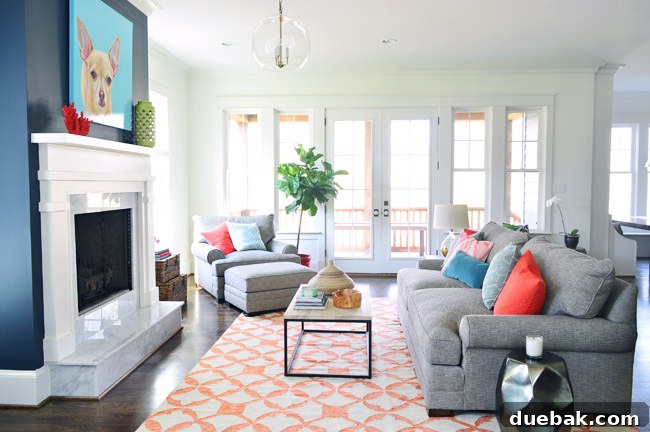
(They no longer make this rug in orange, but here it is in turquoise)
Choosing a Rug Design: Pattern for Practicality and Panache
While solid-colored rugs have their place for adding subtle texture or a calming foundation, we’ve found that **patterned rugs are often the superior choice** for busy homes. Beyond simply adding visual interest and character to a room, a well-chosen pattern is incredibly forgiving, expertly concealing the inevitable wear and tear, not to mention stray cookie crumbs, pet hair, and tiny paper clippings that accumulate with children and pets. They allow your home to be lived in without constantly stressing over every little imperfection.
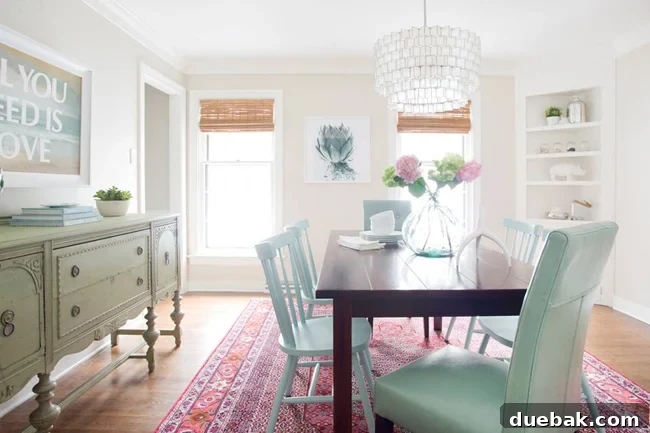
Our long-standing favorites are **traditional Persian and Turkish rugs**. Over the years, we’ve carefully sourced several large, intricate beauties for high-traffic areas like our living room, bonus room, and dining room. Their complex, timeless patterns and rich, deep colors are not only visually captivating but also remarkably adept at hiding daily grime. These rugs are, for us, the ultimate jackpot: they are durable, beautiful, and incredibly practical. Despite their vibrant appearance, they often act as a neutral element in a room, seamlessly layering with various decor styles and color palettes. Their versatility means they can often be swapped between rooms and still look perfectly at home. Just exercise caution when pairing them with heavily patterned sofas or curtains, where too many competing designs could create visual clutter.
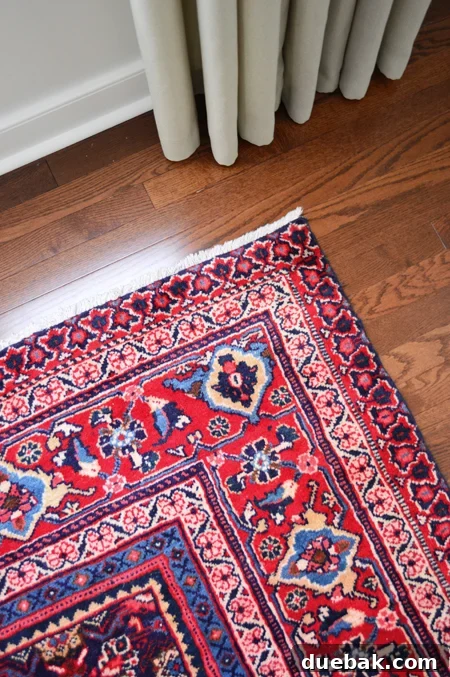
(Find a similar rug here)
Second to traditional patterns, we adore **smaller-scale geometric designs** for their similar wear-hiding prowess. The denser or more varied the geometric pattern, the more effectively it will camouflage crumbs, dirt, and minor spills. We learned this lesson firsthand in our previous kitchens, where light-colored, subtly patterned rugs quickly showed every speck of cooking splatter or dusty footprint, looking dingy far too soon. Our current kitchen runner, while still neutral in tone, features a high-contrast, tighter diamond pattern that’s far more forgiving. It’s a testament to how the right pattern scale and contrast can make a huge difference in daily upkeep and long-term appearance. Ultimately, finding a rug design that aligns with your family’s lifestyle and crumb-sitch is key to long-term satisfaction.
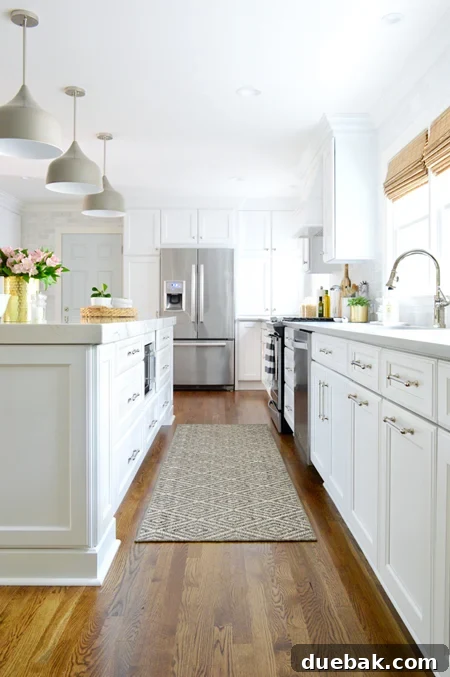
(Here’s the exact kitchen runner we have)
Whether choosing traditional or geometric, we generally opt for an **all-over, repeating pattern that’s small to medium in scale**. This means avoiding rugs with a single large medallion in the center or a sprawling, high-contrast, asymmetrical graphic. While such statement rugs can be striking, they often prove harder to integrate into a room, becoming too visually demanding and complicating furniture arrangement. Moreover, their bold nature can sometimes feel less timeless than a classic, more understated repeating pattern. For example, we’ve had a lower-contrast trellis-inspired rug in our home for over five years, and its subtle, consistent pattern means we’re nowhere near tiring of it.
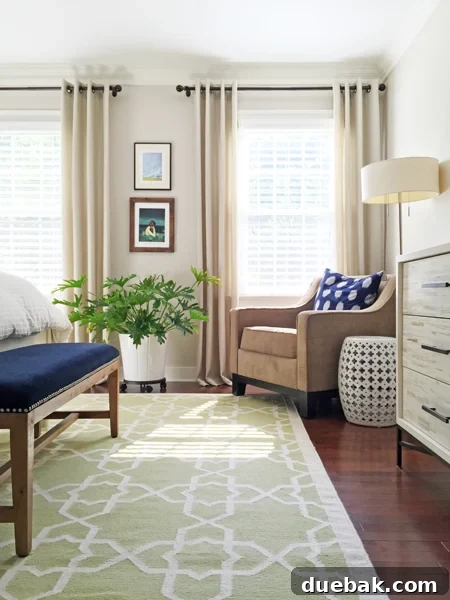
(Here’s the exact bedroom rug we have)
With countless pattern and color options available, making a final decision can still be challenging. Our go-to trick involves gathering photos of your top contenders – whether snapped in-store or saved online – and then scrolling through them on your phone, first quickly, then more slowly. You can also pin them all to a Pinterest board to view them collectively. This allows you to observe details often missed in person, such as subtle differences in borders, variations in color vibrancy, or discrepancies in pattern scale. These visual comparisons can highlight a subconscious preference or quickly eliminate an option that doesn’t quite fit, helping you make a confident choice that you’ll love for years to come.
Choosing The Right Rug Material: Natural Fibers for Longevity and Comfort
Our unwavering preference is for **100% natural material rugs**. We consistently seek out thick, plush 100% wool rugs, soft 100% cotton flat weaves (always paired with a rug pad for extra cushioning and stability), and durable natural fiber rugs like sisal or jute. The sisal runner in our kitchen, for instance, comes with a rubber backing to prevent slips, proving that natural doesn’t mean sacrificing practicality. We generally steer clear of rugs that are a mix of multiple materials – such as 90% one fiber and 10% another. Our past experiences with blends have shown them to be less resilient, often prone to fading, staining, shedding, and even unraveling over time. Research suggests that mixed fiber compositions can sometimes be an indicator of lower quality materials, like olefin, acrylic, or polypropylene, which may not feel as luxurious underfoot or wear as gracefully. While synthetic options can be budget-friendly for temporary solutions or outdoor spaces, for primary indoor rugs, we firmly advocate for natural fibers.
(Find a similar rug here)
Our preference for natural materials is rooted in two key factors: **comfort and durability**. Firstly, the tactile experience is unparalleled. Wool is incredibly plush, offering a luxurious, soft landing underfoot and excellent insulation. Cotton is wonderfully soft and, for smaller rugs, often machine washable, making it highly practical. Even certain jute or sisal weaves can be surprisingly pleasant to walk on, far from the scratchy textures some might imagine. Our kitchen runner, for example, is made from high-quality sisal that feels great and can be hosed off outside.
Secondly, natural fibers excel in **durability and longevity**. These materials are inherently designed to withstand the test of time. Our antique wool Persian and Turkish rugs, for instance, have been cherished for decades and remain remarkably robust, proving their enduring quality. Beyond their resilience, natural fibers are also surprisingly easy to keep clean. While we’re cautious not to jinx ourselves, we’ve yet to encounter a stain on our wool, cotton, or jute rugs that we couldn’t successfully remove – even a persistent Sharpie mark! This inherent stain resistance allows us to confidently place our most valuable wool rug in a high-risk area like the dining room, where wayward meatballs are an occupational hazard, without constant worry.
Rug Cleaning & Care: Simple Steps for Lasting Beauty
Maintaining the beauty and longevity of our cotton and wool rugs is surprisingly straightforward. Regular maintenance is key, and it primarily involves frequent vacuuming. For any spills or accidents, our approach to spot cleaning is consistent and effective: **act quickly and dab, don’t rub**. We start by dabbing the affected area with a clean cloth and plenty of water to lift the spill. If a tougher stain persists, we’ll reach for a very mild, pH-neutral soap, such as Dr. Bronner’s or Mrs. Meyer’s, applied sparingly to the cloth, not directly to the rug. So far – and we’re knocking on wood as we say this – this method has successfully removed every type of stain we’ve encountered, from marinara sauce and red wine to jelly and beyond!
For our robust sisal kitchen runner, cleaning is even simpler. We frequently take it outside for a good shake to dislodge loose dirt and crumbs. For specific spots or a more thorough clean, we’ve been known to hose it down outdoors and allow it to air dry completely in the sun before bringing it back inside. This makes it an incredibly low-maintenance and durable option for a high-traffic, spill-prone area like the kitchen.
We’ve also experienced unexpected success with tougher stains. After a notorious marker incident (which shall remain unnamed), a simple stain-lifting Tide pen came to the rescue on one of our rugs. To our astonishment, the mark vanished completely, leaving the rug looking as pristine as the day we bought it. These experiences reinforce our confidence in the inherent resilience and cleanability of natural fiber rugs, making them a practical choice for any home, even those with active children and pets.
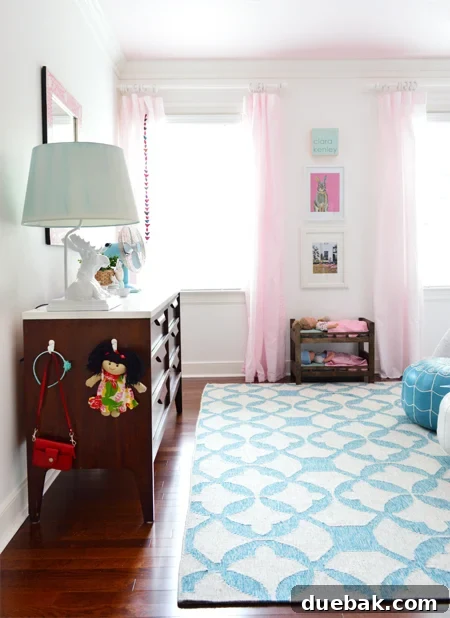
(This is the exact rug we bought, seen above)
Where We Shop For Rugs: Diverse Sources for Unique Finds
The marketplace for rugs today is vast and varied, ranging from charming local boutiques and specialty rug dealers to large online retailers, decor chains, big box stores, and even artisan marketplaces like Etsy. This abundance of options is a fantastic development, primarily because **we actively avoid buying all our rugs from a single source**. Relying on one vendor can inadvertently lead to a “one-note” look, making your home feel like a showroom catalog rather than a curated reflection of your unique style. While the choices can be overwhelming, we’re here to share the diverse sources where we’ve had the most success over the years.
Lately, our go-to for **traditional rugs** has been a local gem, Amir Rugs, recommended by a friend. You might find a similar specialist in your area by searching for “traditional Turkish Persian rugs [your city].” These establishments often boast an immense inventory of rug types and sizes, including many non-standard dimensions, and offer surprisingly great prices if you’re willing to explore. Our typical approach involves walking in, clearly stating our desired size range and budget upfront. This immediately directs the sales team to appropriate piles for us to browse. The stacks of rugs can be incredibly high, sometimes requiring a special rolling staircase to view patterns from above. It often takes two strong individuals to meticulously flip through rug after rug until a design catches our eye. At that point, we snap a photo and continue the hunt. Once we’ve exhausted the relevant piles, we review all our liked options on our phone, select our top contender, and pull it aside. Many reputable local dealers will even allow you to take your favorite rug home overnight to see it in your actual space – an invaluable option that has saved us from ill-fitting purchases and solidified perfect choices for our living room, dining room, and bonus room.
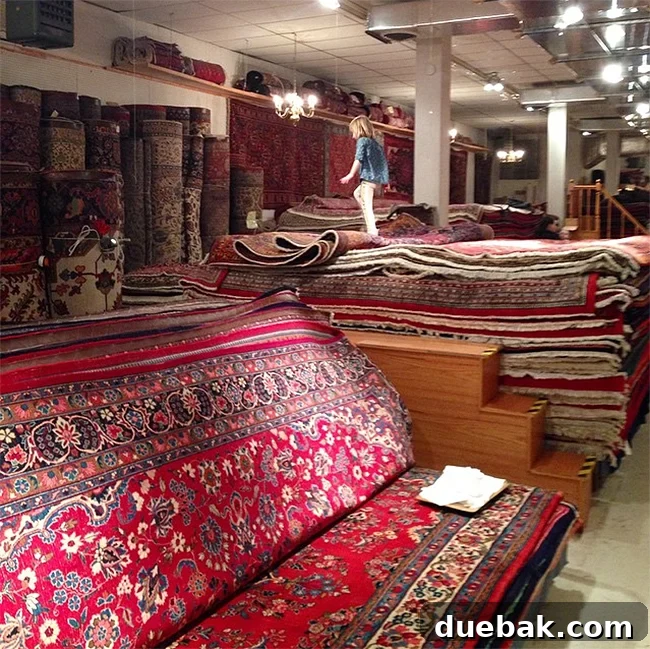
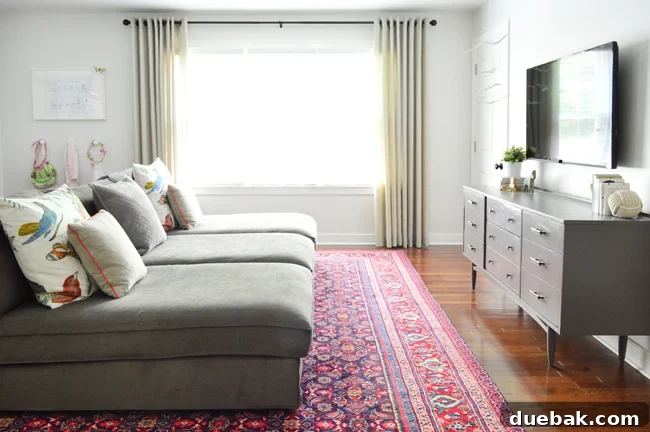
(Find a similar rug here)
If a specialized local shop isn’t an option, many other retailers, both online and brick-and-mortar, offer fantastic selections. While we always prefer to see and feel rugs in person – as texture and thickness are crucial factors difficult to assess solely from a screen – we’ve found success at a wide range of stores. These include higher-end decor retailers like West Elm, Ballard Designs, Dash & Albert, and Pottery Barn, as well as online giants like Wayfair, Overstock, and Joss & Main. One of our perennial favorites for unique finds at incredible prices is HomeGoods.
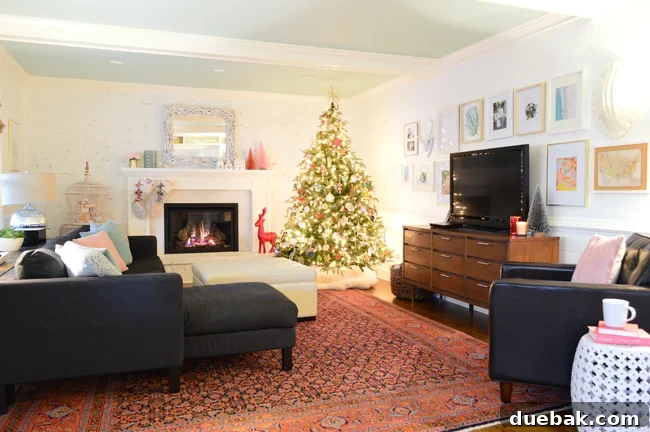
(Find a similar rug here)
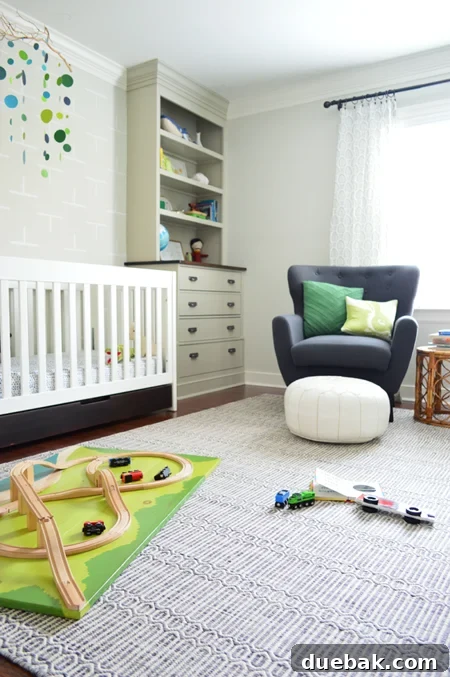
(We found this rug years ago at HomeGoods, but here’s a similar one)
HomeGoods is especially valuable for bargain hunting, particularly if you need a fairly standard size and have the patience for a multi-week search. It might involve visiting a couple of local stores once a week for a few weeks, but the potential savings – often hundreds of dollars – make the effort well worthwhile for the right find. Of course, popular big-box retailers like Target and Ikea also offer stylish options. However, Target’s size selections can sometimes be limited, and some of Ikea’s designs are so ubiquitous they risk feeling less unique. That said, we do have a soft spot for their classic black and white striped flat-woven rug!
What We Spend On Rugs: Investing in Long-Term Value
The cost of a quality rug, especially a large one, can be a significant investment. It’s not uncommon to see 8 x 10-foot or larger wool rugs priced at $2000 or more. For many years, our approach has evolved from “cheaping out” to a philosophy of **”buy it well, so you only have to buy it once.”** We no longer settle for temporary solutions or rugs that don’t properly fit or aesthetically enhance a space. Instead, we prioritize spending more for a design and material that we truly love and that promises lasting durability. This means no compromises and no buying simply because something is inexpensive.
We’ve been fortunate to acquire our large traditional rugs from local shops, where negotiation is possible. This allowed us to purchase three substantial rugs (our bonus room and living room rugs are both 10 x 14 feet!) for around $900 each. While certainly not a small sum, considering how much we adore them and their expected lifespan, we wouldn’t have hesitated to spend twice that. It’s tough for our budget-conscious selves to admit, but these rugs are genuinely exceptional, and we’ve seen similar sizes with price tags upwards of $3000 elsewhere.
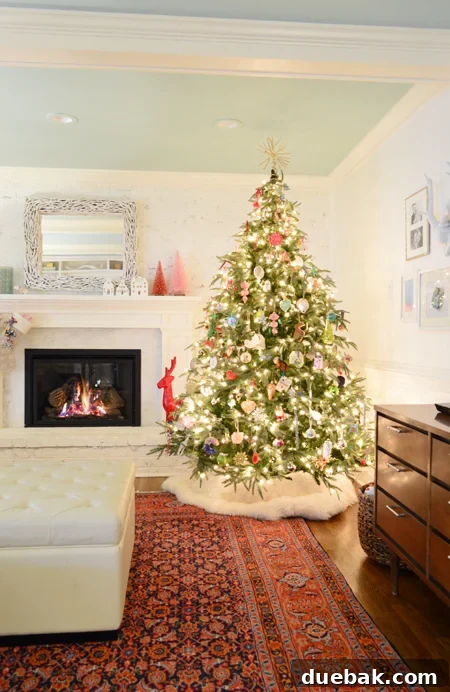
(Find a similar rug here)
After years of living with these rugs, being consistently happy with them, and realizing their immense value, we are far less reluctant to invest significantly in a rug if it means avoiding the cycle of constant re-buying. Since moving into our current home almost four years ago, every single rug we’ve purchased has remained in place and is still actively in use – a personal record! The “mistake” rugs from our previous homes served their purpose by teaching us what we *didn’t* love, and by being resold on Craigslist, allowed us to reinvest that money into rugs that truly brought joy and lasting style.
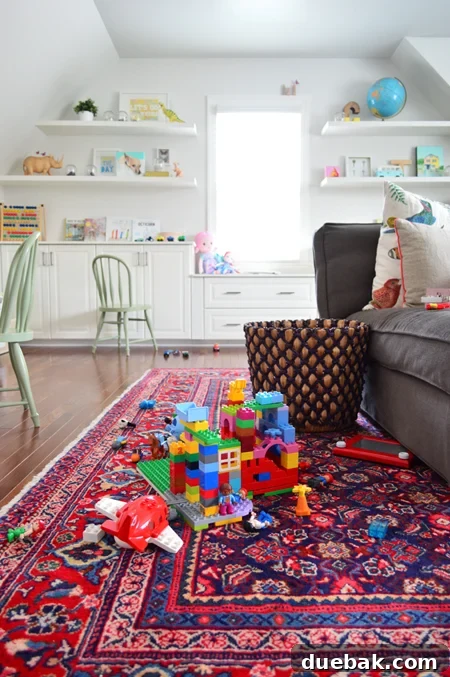
(Find a similar rug here)
Being willing to spend more doesn’t mean we abandon the pursuit of a good deal. When negotiating is an option, as in local shops, our number one tip is simple yet powerful: politely ask, **”Is that your best price?”** Then, master the art of silence. Resist the urge to fill the void with chatter or undercut yourself by saying, “It’s beautiful, no worries if you can’t come down.” Just smile and wait. Often, if the price is flexible, you’ll be rewarded with a nice discount – we’ve saved as much as $200 simply by asking! You can also bolster your case by reminding the salesperson of previous purchases, as we did when buying our third rug from Amir Rugs. It never hurts to ask!
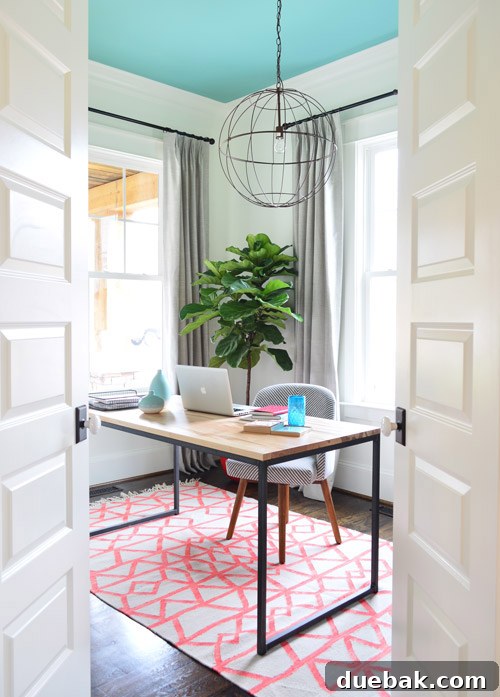
(Find a similar rug here or here)
When negotiation isn’t an option, such as with online orders, smart shopping strategies still apply. Always search for discount codes, check the retailer’s homepage for ongoing specials (like “10% off when you spend $200 or more”), or sign up for their newsletters for introductory offers. In larger brick-and-mortar stores like West Elm or Pottery Barn, simply ask a salesperson if any sales or coupons are available; they often have promotions they’re happy to apply. Another invaluable online trick is to Google the name of the rug to see if the same item is sold more affordably elsewhere, perhaps with better pricing or free shipping. Unless you’re buying an exclusive design from stores like Pottery Barn or Anthropologie, it’s highly likely that platforms like Overstock, Wayfair, or even Amazon carry the exact same item, often under the same name. This strategy also allows you to read more reviews across different sites, boosting your confidence before making a purchase.
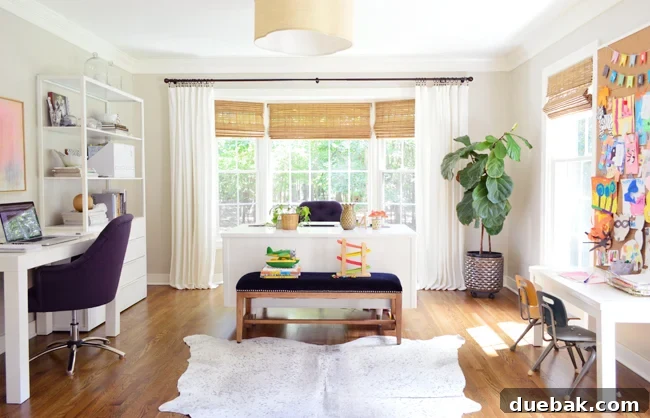
(This is the exact rug we bought, pictured above)
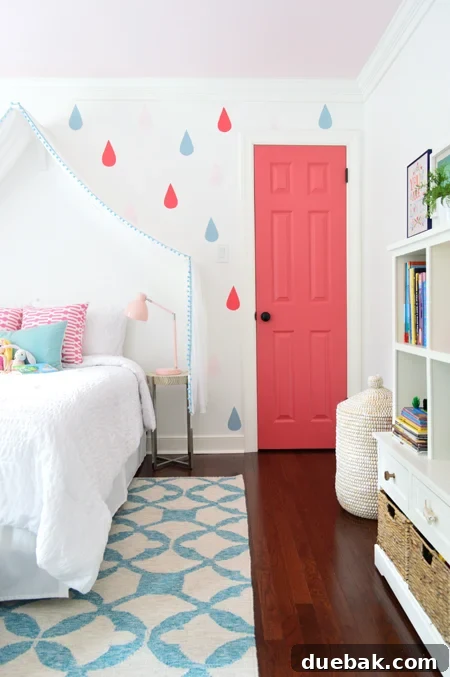
(This is the exact rug we bought, seen above)
Rugs Over Carpet: Adding Style and Definition
A frequently asked question concerns placing rugs over existing carpeting, and our answer is a resounding **YES!** This can be a brilliant design move to add warmth, define zones, introduce texture and pattern, and even protect high-traffic areas of your existing carpet. Take, for example, Hudson’s bedroom, which already had wall-to-wall cream carpeting. We chose a light, 8 x 10-foot patterned cream and blue rug that harmonized beautifully with the existing carpet. Laying it directly on top instantly added visual interest and broke up the large expanse of plain cream, making the room feel more playful, adding depth, and infusing it with appealing texture and color. This approach allowed us to refresh the space without the cost and hassle of removing the existing carpet.
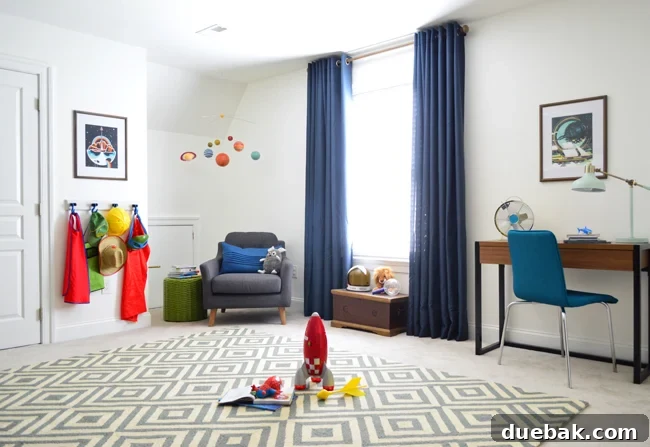
(Find a similar rug here or here)
However, we didn’t get it perfectly right on the first attempt! Our initial choice for this space was a super bold green and blue patterned rug. Only after rolling it out did we realize it clashed rather than blended with the existing cream carpet. Its stark contrast unfortunately drew attention to the rug as an isolated “island” floating in the middle of the room, making the space feel boxy and fragmented. This experience taught us a valuable lesson: when layering a rug over existing carpet, it’s often smarter to choose a rug that complements the background. Harmonious colors and patterns will integrate more seamlessly, helping the room feel expansive and open rather than visually chopped up. Additionally, using a non-slip rug pad, even over carpet, is advisable to prevent the rug from shifting or bunching.
Current Favorites
We know that sometimes all the guidelines in the world still leave you wanting to see some beautiful rugs! So, based on all our tips and preferences, here are some current favorites that exemplify great design, material, and versatility:
1 / 2 / 3 / 4 / 5 / 6 / 7 / 8 /9 / 10 / 11 / 12
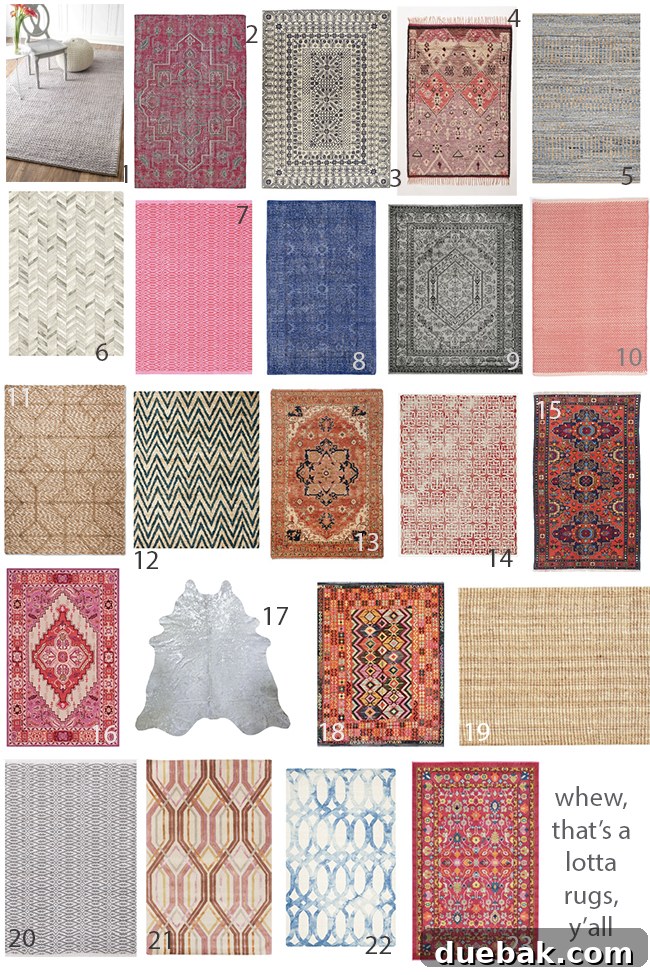
13 / 14 / 15 / 16 / 17 / 18 / 19 / 20 / 21 / 22 / 23
Choosing the right rug is more than just a decor decision; it’s an investment in the comfort, style, and functionality of your home. By understanding the importance of size, selecting patterns that balance aesthetics with practicality, opting for durable natural materials, and employing smart shopping and care techniques, you can confidently navigate the rug-buying process. We hope these insights, born from years of experience and a few past mistakes, empower you to find the perfect rug that you’ll cherish for many years to come. Happy rug hunting!
Psst. If you’re looking for paint colors & sources for all of the furniture/accessories in our house, this page has those deets.
*This post contains affiliate links*