
The Ultimate Guide to Kitchen Countertop Selection: Navigating Your Options with Confidence
Embarking on a kitchen renovation project often brings with it a whirlwind of decisions, and perhaps none are as daunting as selecting the perfect countertops. With an overwhelming array of materials, finishes, and price points, it’s easy to feel lost in a sea of options. This comprehensive guide aims to simplify that journey, sharing insights gained from personal experience and expert advice to help you make an informed choice that balances aesthetics, functionality, and longevity for your home.
Choosing the right kitchen countertops is more than just a stylistic decision; it’s an investment in your home’s value and your daily comfort. Countertops are the workhorses of your kitchen, enduring spills, heat, and daily wear and tear. Therefore, selecting a material that aligns with your lifestyle, budget, and design vision is paramount. Let’s dive into the world of countertop materials, exploring their pros, cons, and what to consider when making your final decision.
Demystifying Countertop Materials: A Closer Look at Your Choices
Our own countertop quest began by swiftly narrowing down the field. Here’s a detailed breakdown of the materials we considered and why some were quickly eliminated, while others piqued our interest, leading us to discover innovative solutions.
Laminate Countertops: The Budget-Friendly Option
For many homeowners, laminate countertops are a popular choice due to their affordability and vast selection of patterns and colors. Made from layers of plastic-coated particleboard, laminate can mimic the look of natural stone, wood, or solid colors. They are non-porous, making them easy to clean and generally resistant to stains. However, our desire for a significant upgrade steered us away from laminate. Having previously lived with laminate surfaces, we yearned for a more natural, substantial feel that laminate simply couldn’t provide. While they are a practical and cost-effective solution for many, their susceptibility to heat damage, scratches, and the difficulty of repair meant they didn’t align with our long-term vision for a high-quality kitchen.
- Pros: Highly affordable, wide range of designs, easy to clean, non-porous.
- Cons: Susceptible to scratches and heat, difficult to repair, can look less premium, feels “plastic-y” to some.
Natural Stone: The Timeless Allure of Marble
The beauty of natural stone, particularly Carrera marble, is undeniable. Its classic white background with elegant gray veining instantly elevates any kitchen to a level of timeless sophistication. We were captivated by marble’s exquisite aesthetics in our inspiration kitchens, envisioning its soft, luxurious appeal in our own space. However, the reality of marble’s characteristics quickly presented significant challenges. Marble is notoriously porous, making it highly susceptible to etching from acidic liquids (like lemon juice or wine) and staining from oils or dark pigments. Even with diligent sealing, it requires careful maintenance to preserve its pristine appearance. More critically, the cost of high-quality marble, often exceeding $100 per square foot, pushed it well beyond our budget constraints. While stunning, its high maintenance requirements and premium price tag ultimately led us to rule it out.
- Pros: Exquisite natural beauty, unique veining, timeless aesthetic, increases home value.
- Cons: Very expensive, porous and prone to staining/etching, requires regular sealing and careful maintenance, relatively soft and prone to scratches.
Natural Stone: The Durability and Grandeur of Granite
Granite has long been a benchmark for durable and luxurious kitchen countertops. Each slab of granite is a unique piece of natural art, offering a diverse palette of colors and patterns formed over millions of years. Initially, we approached granite with some hesitation, based on common perceptions regarding its potential for staining and the need for frequent sealing. Traditional granite, while robust, can indeed be somewhat porous, necessitating annual sealing to protect against moisture and stains. This maintenance routine, though straightforward, can be a recurring hassle and expense for homeowners. However, our research, guided by expert insights, soon revealed that not all granite is created equal, and advancements in stone technology have significantly enhanced its practical appeal.
- Pros: Extremely durable, highly heat and scratch resistant, unique natural patterns, adds significant value to a home.
- Cons (traditional): Can be porous and require annual sealing, some patterns might feel busy, heavy and requires professional installation.
Engineered Stone: The Consistency and Versatility of Quartz & Solid Surface Options
In our quest for a durable, low-maintenance, and aesthetically pleasing alternative to natural stone, we turned our attention to engineered stone options. This category includes popular choices like Quartz (e.g., Silestone, Cambria, Caesarstone) and solid surface materials (e.g., Corian, DuPont Zodiaq). These materials are manufactured using a blend of natural minerals (typically quartz crystals for engineered quartz) and resins, offering remarkable consistency, non-porous surfaces, and superior stain resistance compared to many natural stones.
Our trusted advisor was particularly enthusiastic about products like DuPont Zodiaq. She highlighted its innovative manufacturing process, which allows for a wide range of natural-looking color options, mimicking the intricate patterns of real granite or marble while providing the unparalleled durability and consistency of an engineered material. The promise of a non-porous surface that wouldn’t require sealing and offered robust resistance to stains and scratches was incredibly appealing.
However, the true test came when we viewed these options in person. Despite the promising descriptions and beautiful online images, many of the engineered stone samples, especially those in lighter color palettes designed to emulate Carrera marble, left us feeling underwhelmed. We found that a significant number of them, even among the Zodiaq collection, still exhibited a subtle synthetic or “plastic-y” feel that was difficult to overlook. While some darker engineered stone samples presented a more convincing, stone-like appearance, our small kitchen space demanded a light-colored countertop to maintain an open and airy feel. Regrettably, none of the options we encountered managed to convincingly replicate the specific white and gray veining or the authentic depth of Carrera marble – not even close.
- Pros: Non-porous (highly stain-resistant), consistent patterns/colors, very durable, low maintenance (no sealing required), wide range of design options.
- Cons: Can lack the unique depth of natural stone, can feel synthetic to some, may be susceptible to high heat damage (depending on brand), can be expensive.
Key Considerations for Countertop Selection
Beyond the material type, several critical factors should guide your countertop decision. Understanding these will help you narrow down your choices and ensure your final selection is perfect for your home.
Budgeting for Your Dream Kitchen
Countertop costs vary dramatically depending on the material, thickness, edge profiles, and complexity of installation. Laminate remains the most budget-friendly, while premium natural stones like marble and some high-end quartz brands can be significantly more expensive. Setting a realistic budget early on will prevent frustration and help you focus on viable options.
Durability and Maintenance: A Lifestyle Match
Consider how you use your kitchen. Are you a passionate home chef who frequently spills and chops? Do you have children who might be less careful? Some materials, like quartz and certain granites, offer superior resistance to stains, scratches, and heat, making them ideal for busy households. Others, like marble, demand a more delicate approach and regular maintenance. Evaluate the time and effort you’re willing to invest in upkeep.
Aesthetics and Kitchen Style
Your countertops play a pivotal role in defining your kitchen’s overall aesthetic. Do you envision a modern, minimalist look, or a warm, traditional ambiance? The color, pattern, and finish of your countertops should harmonize with your cabinetry, flooring, and backsplash. Lighter countertops can make a small kitchen feel larger and brighter, while darker shades can add drama and sophistication. Remember the advice from our kitchen designer: often, combining white cabinets with stark white countertops can create an overly sterile, “blah” effect. Introducing subtle variations in tone or pattern can add much-needed depth and interest.
Viewing Samples in Person
While online research is invaluable, there is no substitute for seeing and touching samples of your chosen materials in person. Lighting conditions in your home can dramatically alter the appearance of a countertop. What looks perfect online might appear different in your kitchen. Always bring samples home to see how they look against your cabinetry and in various lighting throughout the day.
Our Breakthrough: Discovering Stonemark Granite’s Blanc Noir
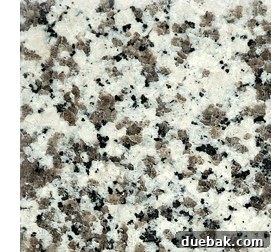
Just as we began to feel discouraged by the synthetic appearance of engineered stone alternatives, we stumbled upon a true game-changer: Stonemark Granite’s Blanc Noir. This discovery truly marked the turning point in our countertop search, embodying the perfect blend of natural beauty, cutting-edge technology, and surprising affordability.
The Blanc Noir granite immediately caught our eye. It offered a beautiful, light-colored base, but with just enough subtle variation and speckling to prevent it from being a stark, monolithic white. This was precisely what our kitchen designer, Nancy, had advised against: the “white cabinets + white countertops = blah” scenario. Blanc Noir provided that crucial visual interest and warmth without sacrificing the brightness we desired for our compact kitchen.
Even more compelling was the innovative technology behind Stonemark Granite. Nancy, our incredibly knowledgeable kitchen designer, effectively calmed all our lingering fears about granite’s durability and maintenance. She highlighted Stonemark’s advanced factory sealing process, which provides a remarkable 15-year stain prevention warranty. This was a significant revelation, as it meant these granite slabs would never require the annual resealing that traditional granite often demands – a costly, time-consuming, and frankly, annoying chore that homeowners typically face every 365 days. The promise of genuine, natural granite with virtually maintenance-free stain protection was incredibly attractive.
Adding to our delight, we learned that Blanc Noir fell into the “least expensive” category of granite. This was an unexpected victory! We had anticipated that a premium, technologically enhanced natural stone would come with a premium price tag. Yet, this particular Stonemark Granite option was priced comparably to, or even less than, many of the engineered stone (solid surface) alternatives we had previously considered. This unexpected value made our decision even easier, proving that it is possible to achieve both superior quality and affordability.
The Final Decision and Anticipation
With all our criteria met – natural beauty, advanced durability, low maintenance, and excellent value – we officially fell in love with Stonemark Granite’s Blanc Noir. Our decision was made with absolute confidence, and we officially purchased the slabs two weeks ago. Now, the countdown begins as we eagerly await the delivery and installation of our new cabinets, which will pave the way for our stunning new countertops to be installed. The vision for our dream kitchen is finally coming to fruition!
Expert Tips for Your Own Countertop Journey
For those embarking on their own countertop selection journey, and perhaps without the invaluable guidance of a “Sherry” or “Nancy” at your disposal, here are some practical tips:
- Leverage Online Resources: Websites like Lowe’s (and others from reputable home improvement stores or design blogs) offer excellent pro/con lists for various countertop materials. They can be a great starting point for understanding basic characteristics.
- Consult with Professionals: Don’t hesitate to speak with kitchen designers, cabinet makers, and countertop fabricators. Their experience and knowledge can save you time, money, and potential headaches.
- Visit Showrooms: Experience materials firsthand. See how different lighting affects their appearance and get a feel for their texture.
- Gather Samples: Take home samples and live with them in your kitchen for a few days. Observe them under different lighting conditions and against your existing or chosen cabinetry.
- Ask About Warranties and Maintenance: Understand the long-term commitment for each material. What kind of warranty does it come with? What are the specific cleaning and sealing instructions?
- Consider the Overall Kitchen Flow: Think about how the countertops will integrate with your existing appliances, flooring, and wall colors.
Remember, your perfect countertop is out there. With thorough research, careful consideration of your needs, and a bit of patience, you too can find a surface that beautifully combines functionality and style for years to come. Our journey, culminating in the discovery of a truly innovative granite, stands as a testament to the fact that sometimes, the best solutions are found by looking beyond initial assumptions and embracing new technologies.
PS: While Stonemark Granite is primarily available at Home Depot, always cross-reference information and consider all options. For comprehensive pro/con lists of different counter materials, Lowe’s website offers an excellent resource for independent research.
Image courtesy of Stonemark