Mastering Space Planning: 5 Essential Methods for Optimal Room Flow and Functional Design
Are you struggling to create a living space that feels both inviting and functional? Do you find yourself constantly rearranging furniture, only to feel like something is still amiss? You’re not alone. Many homeowners grapple with the challenge of effective space planning, often falling into the trap of filling every available inch of a room. This common design dilemma can lead to cluttered, overwhelming environments that lack the comfort and visual appeal you desire.
We recently received an insightful question from a reader, Threadbndr, who perfectly articulated this struggle: “I need help with space planning! Just your tip in the comment section of Ania’s design dilemma to ‘let the room breathe’ made me realize that I’m so guilty of filling every available inch of wall space. I need to edit some rooms! I’d love to get a post on space planning and room flow somewhere down the line!”
This is an excellent question and a topic we’ve been eager to address in detail. Threadbndr’s query references a previous piece where a reader asked for suggestions on what to place in a specific, tight corner of a room, between a desk (#10) and a bookcase (#3) from a mood board:
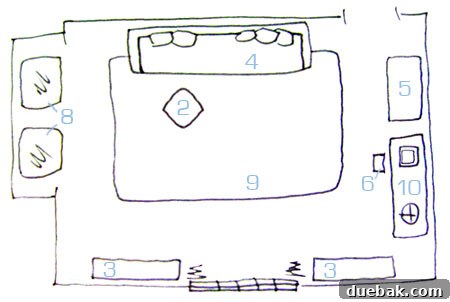
Our response then, and it remains a foundational principle of effective interior design, was: “Ania could always pop a potted plant into that corner (we love a crisp white Ikea planter with something green and leafy) but we tend to like keeping spaces that tight blissfully bare. Otherwise there’s something lining the entire perimeter of the room every 12 inches or so, which can look a lot less airy and open than leaving a few spaces like that for the room to breathe.”
This brings us to our first and perhaps most crucial space planning tip: **resist the urge to fill every bare corner and every linear foot of wall space with furnishings and accessories.** Sometimes, the most impactful design choice is to embrace negative space. Keeping certain areas open for flow not only prevents a room from looking cluttered and chaotic but also enhances the overall sense of spaciousness and tranquility. An open perimeter allows the eye to travel freely, making the room feel larger and more inviting. This concept of “letting the room breathe” is fundamental to creating harmonious and functional living environments.
However, when it comes to truly mastering your room’s layout and creating a comprehensive floor plan, like the sketch above, a more structured approach is often required. We’ve distilled our expertise into five specific, tried-and-true methods that can help you pin down the best furniture and accessory arrangement for any space. These techniques offer practical ways to visualize and refine your interior design ideas without the heavy lifting. Let’s dive into these effective strategies to optimize your home’s flow and functionality.
Method #1: Graph Paper – The Precision Planner
Our first recommended floor planning method is the classic **graph paper**. This humble tool is a surprisingly powerful asset for experimenting with countless room layouts with zero commitment. It allows you to visualize different furniture arrangements without breaking a sweat or your back. We’re seasoned users of this technique; in fact, we’ve even created a detailed how-to video demonstrating its effectiveness. You can watch the video below or find more basement planning details here. With graph paper, you can easily create scaled models of each room in your house and meticulously play around with furniture placement until you discover a layout you absolutely adore. This method is particularly beneficial for complex rooms or when dealing with oddly shaped spaces, as it offers a precise, bird’s-eye view of your design before any physical effort is expended. It helps you accurately assess scale, clearances, and the overall balance of a room, ensuring every piece fits harmoniously.
Method #2: Sketching – The Creative Visionary
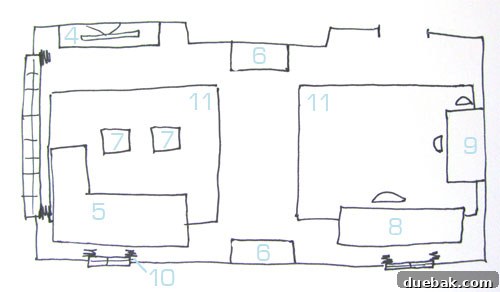
Next up is **sketching**, a more artistic and less numerically demanding approach than graph paper. While it may not offer the exact precision of scaled drawings, its greatest advantage lies in its ability to unleash creativity and help you uncover a myriad of floor plan ideas you might never see by simply standing in the room. There’s something uniquely liberating about drawing multiple options from an aerial perspective. This act of putting pen to paper allows your brain to explore possibilities far beyond what you might perceive by just looking around the physical space. Sketching helps you visualize how different furniture groupings will interact, where pathways will naturally form, and how light might fall. Even without precise measurements, it offers a crucial mental rehearsal for your design. More importantly, this method is a true back-saver; you can sketch the sofa against every wall in the space, test various orientations for dining tables, or experiment with different bedroom layouts, all from the comfort of your chair. This process helps you hone in on the most promising arrangements, saving you the arduous task of physically moving heavy furniture multiple times. It’s about leveraging your imagination to avoid unnecessary physical labor, allowing you to refine your vision with ease. You can see more information about a specific floor plan using this method right here, demonstrating its practical application.
Method #3: Blue Painter’s Tape – The Real-World Preview
The third method, and one that consistently elicits excitement, is using **blue painter’s tape**. This approach is incredibly simple yet profoundly effective. We are huge proponents of using painter’s tape to outline where a piece of furniture could be placed directly on the floor. This allows you to get a tangible feel for the flow and proportions of a new arrangement without having to actually move any heavy items. It’s particularly invaluable before making a significant purchase. For example, before you order that new buffet online, take ten minutes to tape off its dimensions on your dining room floor. This simple act will immediately reveal if the piece will crowd your dining table, obstruct a doorway, or simply overwhelm the space. It’s an instant, real-world preview that can prevent costly mistakes and buyer’s remorse.
We leveraged this very method during our own kitchen renovation. We were transitioning our kitchen’s floor plan from an L-shaped arrangement:
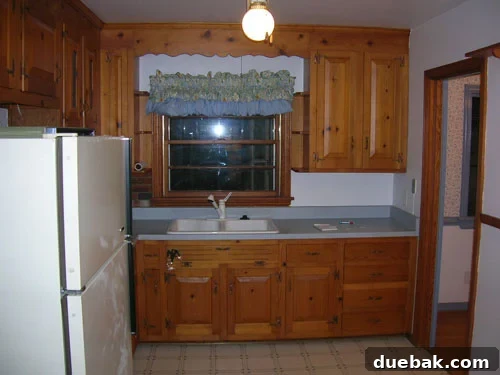
…to a more functional U-shaped design:
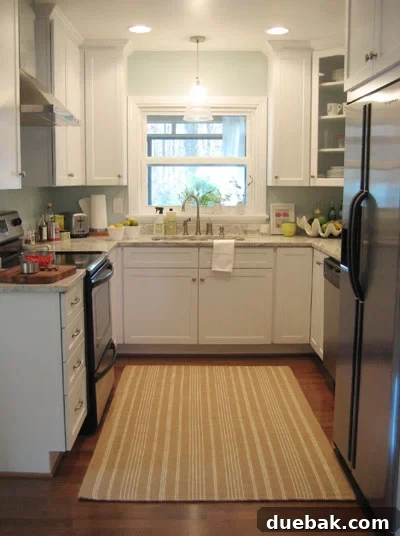
While computer renderings of the new layout were helpful, nothing compared to the experience of physically standing in the space, with the proposed cabinets and appliances taped out on the floor. This allowed us to literally “walk through” the new floor plan, confirming where pathways would be, assessing counter space, and ensuring the overall layout felt comfortable and spacious. It instantly eased our nerves about the potential for the kitchen to feel cramped. Those ten minutes spent sticking down blue tape were incredibly worth it, providing peace of mind and validating our design choices.
Method #4: Floorplanner.com – The Digital Designer
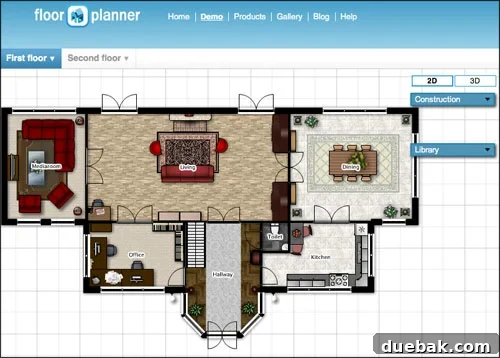
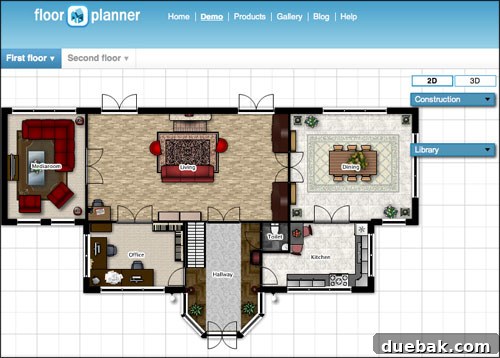
For those who prefer a digital approach, **floorplanner.com** is an invaluable resource. We have frequently relied on this free and remarkably user-friendly online platform to lay out rooms and mentally construct how a space might look before committing to any changes. This powerful tool provides another vantage point, allowing you to design and experiment with countless floor plan options without lifting a single piece of furniture. You can easily drag and drop furniture, add walls, windows, and doors, and even view your creations in 3D. It’s an excellent way to test different design concepts, explore color palettes, and get a realistic sense of scale and proportion. For anyone looking for a no-fuss, interactive way to plan their space, floorplanner.com offers an intuitive interface that makes professional-grade interior design accessible to everyone. It saves time, effort, and provides a comprehensive visual understanding of your potential room transformation.
Method #5: Furniture Sliders – The Effortless Re-Arranger
Finally, we come to **furniture sliders**. While we generally advocate for planning to avoid the dreaded furniture shuffle, sometimes there’s simply no substitute for physically shifting a few pieces to see precisely how everything will look in a new configuration. This is where furniture sliders become your best friend. Investing a few dollars in these simple yet ingenious tools can save you significant aches and pains. They are reusable, making them a fantastic addition to your home toolkit for every room. Designed to glide seamlessly on both hardwood flooring and carpet, these sliders make one-person furniture arranging entirely possible. No more waiting for help to move heavy sofas, dressers, or entertainment units. This newfound independence means you can experiment with layouts on a whim, making them perfect for surprising your household with a refreshed look. Indeed, John has often come home to discover many new layouts here at Casa Petersik, all thanks to the magic of furniture sliders. They empower you to be spontaneous and flexible with your furniture arrangement, constantly refining your space until it feels just right.
Bringing It All Together: Your Guide to a Harmonious Home
So there you have it: five effective ways to approach space planning, along with our essential reminder that every room truly likes to breathe. Remember to resist the temptation to fill every corner and every expanse of wall with tiny tables, plant stands, or other accessories that can detract from an airy, open effect. Prioritizing open space creates a sense of calm and makes your home feel more inviting and larger.
Beyond these methods, don’t forget the power of **area rugs**. Large area rugs are fantastic for defining “floating” furniture arrangements, especially when you pull pieces away from the wall to create zones within a larger open concept space. A well-placed rug can anchor furniture that might otherwise feel unfinished or restless, effectively creating a “room within a room” and providing a cohesive foundation for your design. This simple addition can drastically improve room flow and visual harmony.
If you’re still feeling stuck in the space planning department, we encourage you to scroll back through some of our more recent Design Dilemmas. These posts often feature sketched floor plan ideas and solutions to common layout challenges that you might be able to adapt and implement in your own house. The possibilities for transforming your living space are endless, and with these tools and tips, you’re well-equipped to create a home that is both beautiful and highly functional.
But what about you? Do you have any other ingenious floor planning tips or favorite room layouts that you swear by? We’d love to hear your insights! Share your wisdom and creative solutions in the comments below – let’s inspire each other to design spaces that truly enhance our daily lives.