
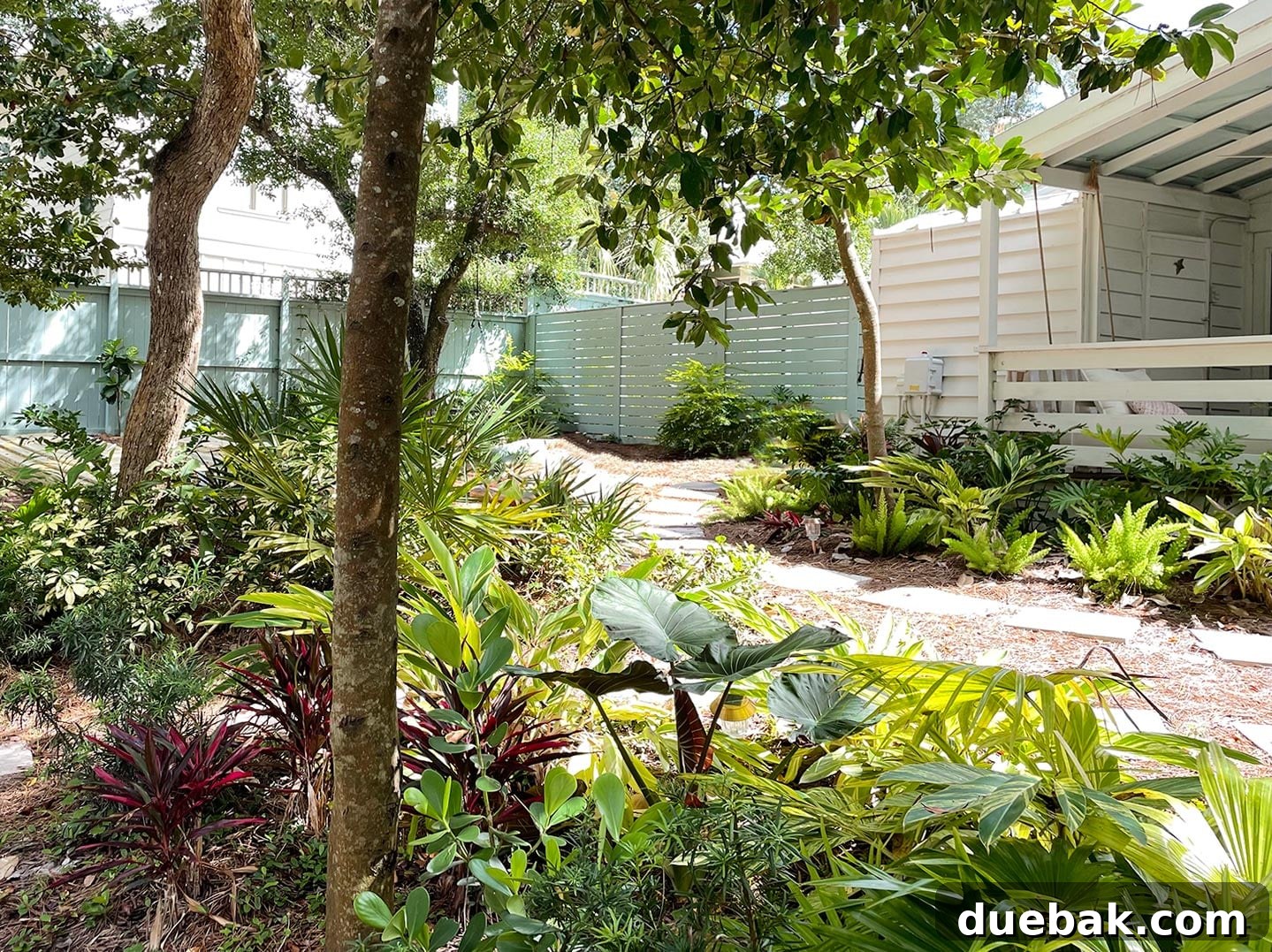
Last month, an unprecedented arctic blast descended upon Florida, bringing shockingly frigid temperatures that redefined our understanding of “winter” in the Sunshine State. We experienced three consecutive nights with temperatures plummeting into the low 20s, bottoming out at an astonishing 18 degrees Fahrenheit. For many of our outdoor plants, accustomed to much milder conditions, this was an extreme challenge. In the three winters we’ve spent here, we only recall one other instance of temperatures dipping to 32 degrees, and even then, conditions quickly rebounded to our more typical lows of around 45 degrees within hours. This recent deep freeze has been widely described as a “once-in-a-century event” for Florida, making it the ultimate test for our subtropical landscaping. This comprehensive guide outlines the detailed steps we took to protect our beloved plants, highlighting what worked best and what proved less effective in the face of such an extraordinary cold spell.
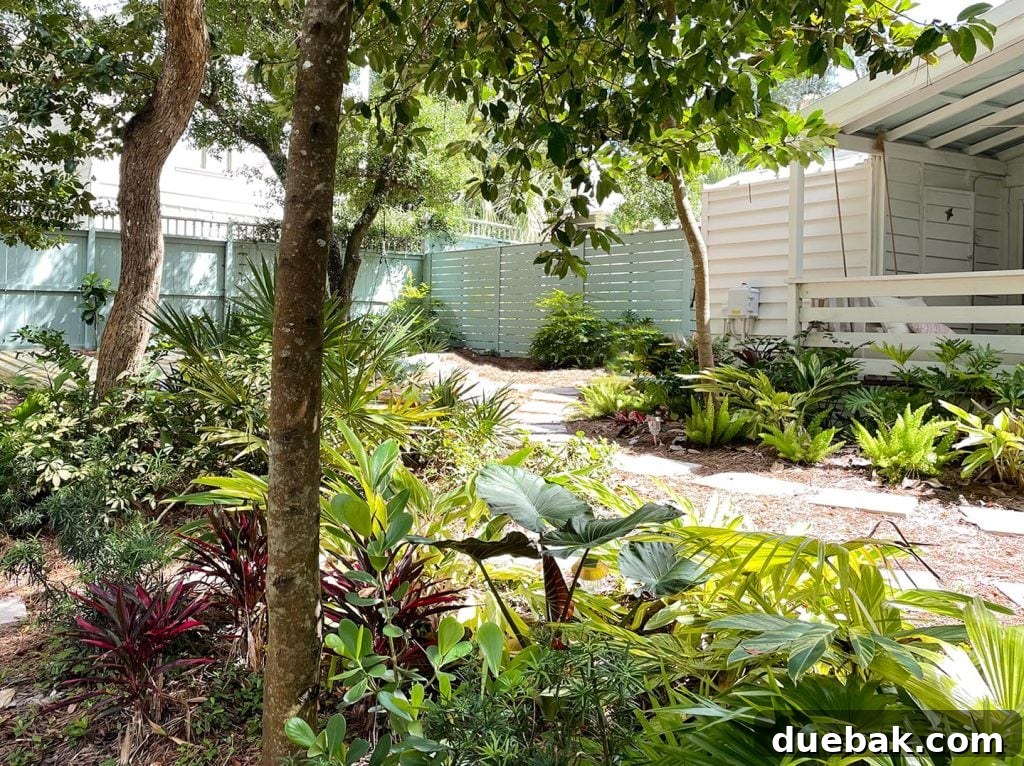
While extreme cold weather events rightly focus our attention on safeguarding people, pets, and essential infrastructure like pipes, plants often emerge as the fourth crucial “P” on the checklist for freezing weather preparedness. Having invested considerable time, effort, and resources into creating a beautiful and thriving landscape, we felt it was absolutely worthwhile to protect what we could. Proactive measures, even if requiring some initial effort, promised to save us significant time and money by preventing the need to replace numerous plants that would otherwise succumb to the cold without a little intervention. Our goal was not just to save money, but to preserve the beauty and life we’ve cultivated in our outdoor spaces.
Understanding Plant Vulnerability: The First Step in Freeze Protection
The initial and most critical step in effective plant protection is to identify which plants are most vulnerable to the forecasted temperatures. While most plants are naturally suited to your specific USDA growing zone, an abnormally severe and prolonged cold snap—especially for three or four consecutive days—can push even zone-appropriate plants beyond their limits. Before this “hard freeze,” we diligently researched the “cold tolerance” or “cold hardiness” of each outdoor plant we owned. This focused research provided an excellent starting point, allowing us to prioritize our efforts toward plants most at risk, while understanding which ones might weather the storm with minimal assistance. For instance, we discovered our resilient saw palmettos required no special care, but our delicate foxtail ferns would definitely need our attention.

Pro Tip: If you’re unsure of your plant’s name, technology can help! Your iPhone camera can often identify plants for free, or consider using a dedicated plant identification app like PictureThis for more detailed information. Knowing your plants by name is key to understanding their specific needs.
Tip 1: Relocating Plants Indoors for Ultimate Protection
Without a doubt, the most reliable method to shield your plants from freezing temperatures is to bring them indoors into a warmer, protected environment. This method offers a nearly 100% success rate. Naturally, this is often easier said than done. Many plants are deeply rooted in the ground, too heavy to lift, or simply too large to fit comfortably inside your home. However, small to medium-sized potted plants, hanging baskets, and even some container-grown shrubs are ideal candidates for temporary indoor relocation. You’ll need to assess what is practical and feasible for your living space and the size of your plant collection.

As illustrated in our accompanying photos, our outdoor spaces are home to a substantial collection of potted plants. Some might consider our efforts to bring so many indoors quite ambitious, especially given our relatively small home and the fact that this freeze coincided with our Christmas celebrations. Nevertheless, we were determined. We carefully laid out tarps near less-frequented doorways and strategically crammed as many pots as possible onto them. The tarps served a dual purpose: protecting our floors from stray dirt and preventing water damage from any residual moisture draining from the pots (a common feature of outdoor containers). While it caused minor inconvenience for a few days, this method proved to be the single most effective strategy, yielding a 100% success rate for the plants we moved inside.

By bringing a multitude of pots indoors, we estimate we saved over $500 in potential plant replacements. This effort was unequivocally worth it, even if it meant deploying a dolly to carefully transport our sizable Fiddle Leaf Fig from the front porch directly into our kitchen. Surprisingly, it didn’t look entirely out of place, although it did make accessing the laundry closet a bit more challenging!

If relocating plants to your heated living space isn’t an option, moving them to a more protected, unheated area like a garage, basement, or attic can still provide crucial insulation. Potted plants are particularly susceptible to cold because their root systems, unlike those in the ground, lack the natural insulation of surrounding earth. Furthermore, placing them out of direct wind exposure significantly minimizes heat loss, giving them a much better chance of survival. Always check for pests before bringing plants indoors, even temporarily, to avoid introducing unwanted guests to your home.
Tip 2: Insulating with Pine Straw or Mulch
For plants that must remain outdoors, your primary objective is to maximize their natural warmth and insulation. A highly effective technique involves applying a generous layer of fresh mulch, particularly around the base of your plants and throughout your garden beds. Mulch acts as an insulating blanket, trapping air around the plant – especially when using lightweight materials like straw or pine straw – thereby protecting them from sharp temperature drops. Beyond insulation, mulch also helps retain soil moisture, and remarkably, wet soil possesses a greater capacity to retain heat than dry soil. This makes watering your mulched plants before a freeze an often-overlooked but crucial step.
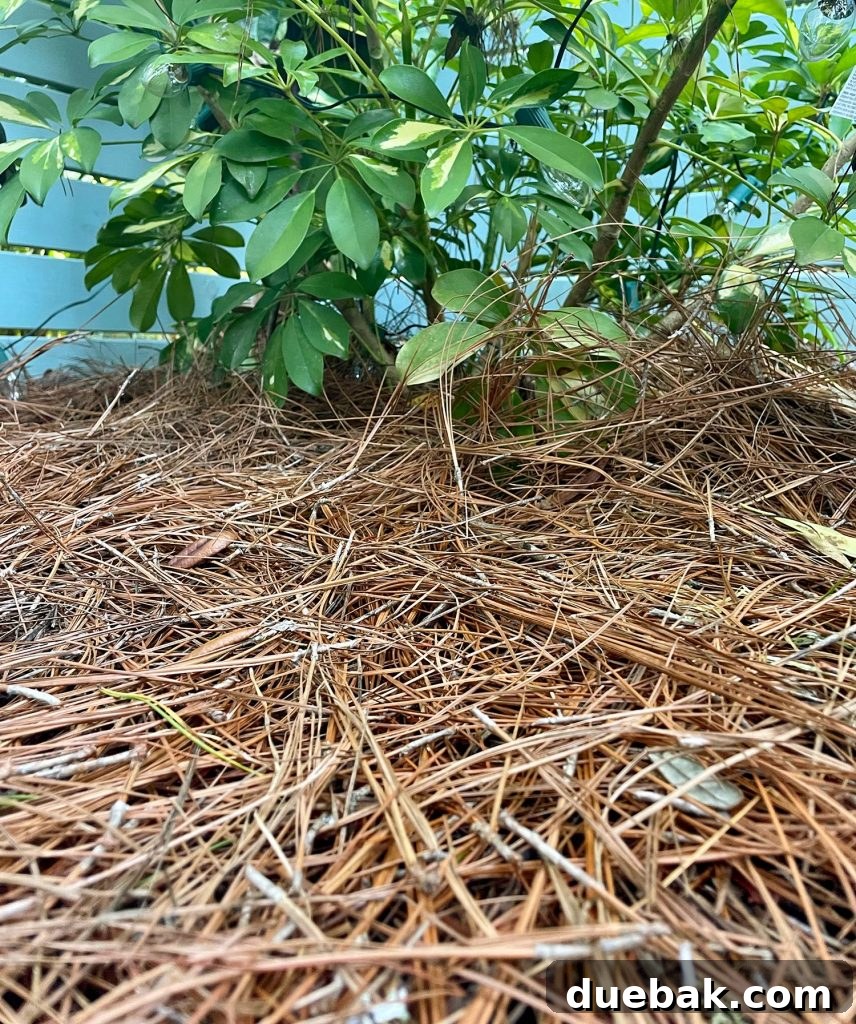
Implementing mulching requires some investment of time, effort, and money. Fortunately, we had already planned to refresh our yard with new pine straw in anticipation of holiday guests, aiming for a pristine, well-maintained look. The added cold protection was a welcome bonus! This serendipitous timing allowed us to protect many plants effectively. As mentioned, an excellent piece of advice we received from numerous local garden centers, which surprised us initially, was to thoroughly water all freshly mulched plants before the cold front arrives. The principle is simple yet powerful: moist soil conducts and retains heat more efficiently than dry soil, essentially acting as a thermal battery. So, don’t hesitate to give your plants a good drink before the freeze hits.
Tip 3: Covering Plants with Breathable Fabric
Many gardeners are familiar with the sight of plants draped in blankets, towels, or sheets. This popular method aims to trap a pocket of warm air around the plant, much like a blanket insulates a human body. Instead of body heat, it retains the residual warmth emanating from the plant and the surrounding soil. While we anticipated that this method might not be entirely foolproof given the extremely low forecasted temperatures, we reasoned that even saving half of our covered plants would make the effort worthwhile. We gathered several expert tips to maximize the success of this covering strategy, which we’re eager to share with you.

Choose Breathable Fabric Over Plastic
It might seem counterintuitive, but using a breathable fabric that allows for some air circulation around the plant was the unanimous top recommendation from local nurseries and online plant specialists alike. We consistently encountered warnings that plastic sheeting or plastic bags could, in many scenarios, be more detrimental than providing no protection at all. Plastic traps moisture against plant tissues, leading to more severe freeze damage and potential rot. Consider how uncomfortable you would feel wrapped in plastic versus a cozy fabric. The same principle applies to your plants. Therefore, readily available items like old bedsheets, blankets, or towels are excellent, breathable solutions you might already have on hand.
Landscape Fabric: An Effective Alternative to Frost Blankets
Since our supply of spare sheets was limited, we initially purchased several dedicated Frost Blankets as soon as the severe forecast emerged. A few days later, attempting to acquire more, we found stores completely sold out. Thankfully, a knowledgeable associate suggested that landscape fabric – the type typically used to suppress weeds – is made from a similar permeable material, making it a viable and effective substitute. We observed that landscape fabric tended to be slightly thinner than the specialized frost blankets but was also more budget-friendly. In the end, both materials appeared to perform comparably in protecting our plants.

Ensure Full Ground Coverage: Avoid the “Lollipop” Effect
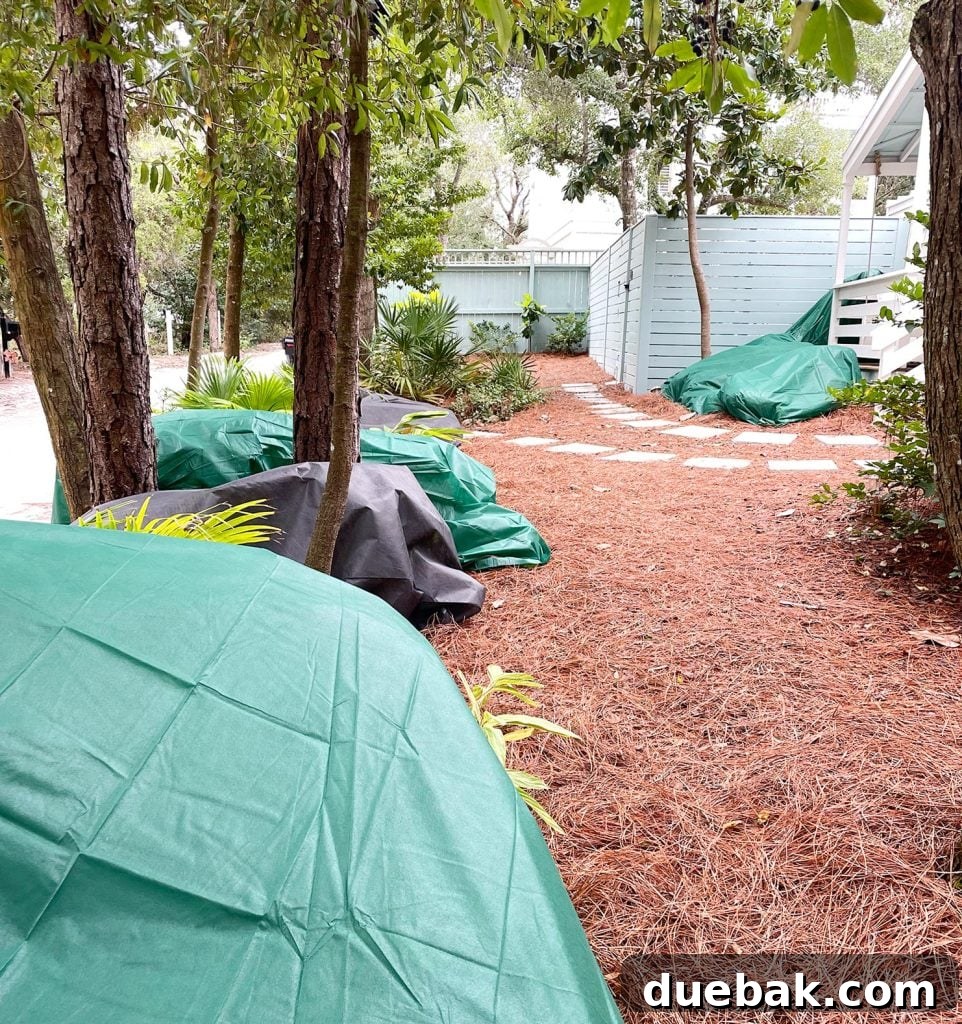
For maximum effectiveness, ensure your covers extend all the way to the ground. The soil beneath your plants is a significant source of retained heat, which the blanket is designed to trap. Simply wrapping the leafy canopy, creating a “lollipop” shape, is far less effective as it isolates the plant from this ground warmth. When covering bushes or small trees, visualize creating “ghosts” where the fabric makes continuous contact with the ground on all sides, enveloping the plant entirely. Furthermore, don’t forget to secure your covers using garden stakes or landscape pins, especially if windy conditions are anticipated, to prevent them from blowing away and exposing your plants.
Tip 4: Introducing an Ambient Heat Source
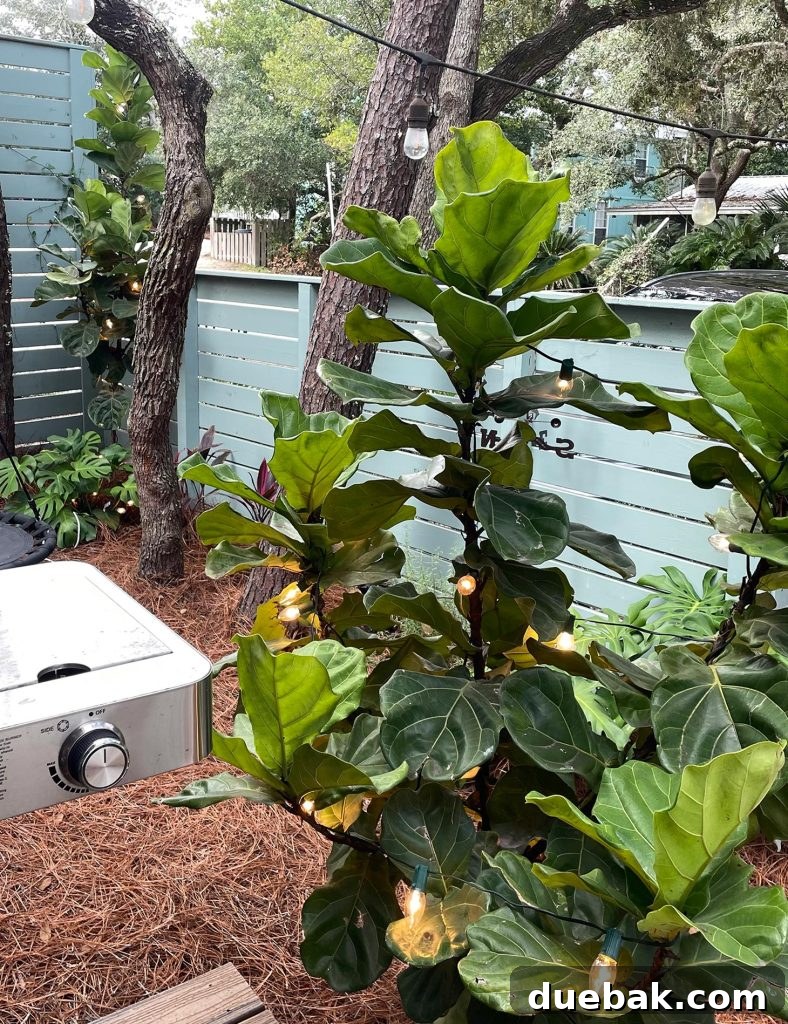
To further enhance the warming effect of your plant covers, you can strategically introduce an additional heat source beneath them. We received a fantastic tip suggesting that wrapping incandescent Christmas lights around your plants or weaving them through your plant beds is an excellent way to generate subtle, ambient heat. It’s crucial to note that modern LED lights will not work for this purpose as they produce very little heat. However, old-fashioned incandescent bulbs, particularly the larger C9 bulbs, are known to emit enough warmth to be effective. Exercise caution to avoid overloading your electrical breakers with too many strands. Here’s a glimpse of what our setup looked like before we draped the frost blankets over them.
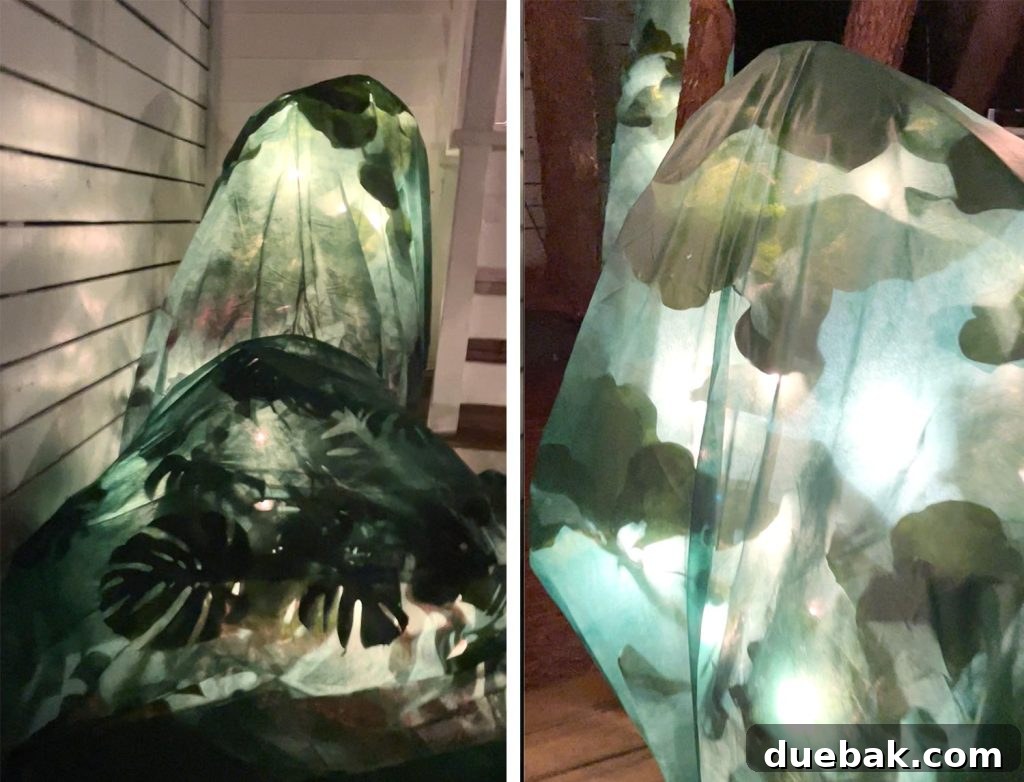
And this image captures the eerie yet beautiful glow once the frost blankets were placed over the illuminated plants. It certainly created a unique, almost spooky ambiance!
Another technique we’ve heard about involves filling milk jugs with hot water and strategically placing them near plants. This method operates on the same principle of introducing radiant heat. However, it seemed significantly more labor-intensive, requiring frequent reheating and replacement of the water. Given that our freeze event occurred over Christmas weekend, we were fortunate to find plenty of discounted C9 incandescent bulbs at local stores, snagging four boxes for the price of one – a much more convenient and cost-effective solution for us at the time.
Assessing the Aftermath: How Our Plants Fared
After diligently implementing all the protective measures described above, we would love to report that our landscaping emerged from the cold snap looking as vibrant and healthy as it did last fall (see our autumn landscape here). Regrettably, this is not the case. Despite our best efforts, many of our plants – particularly the tropical varieties – simply aren’t engineered to withstand the extreme, sustained “hard freeze” we endured for three consecutive days. The sheer intensity and duration of the cold proved to be a formidable adversary for many.
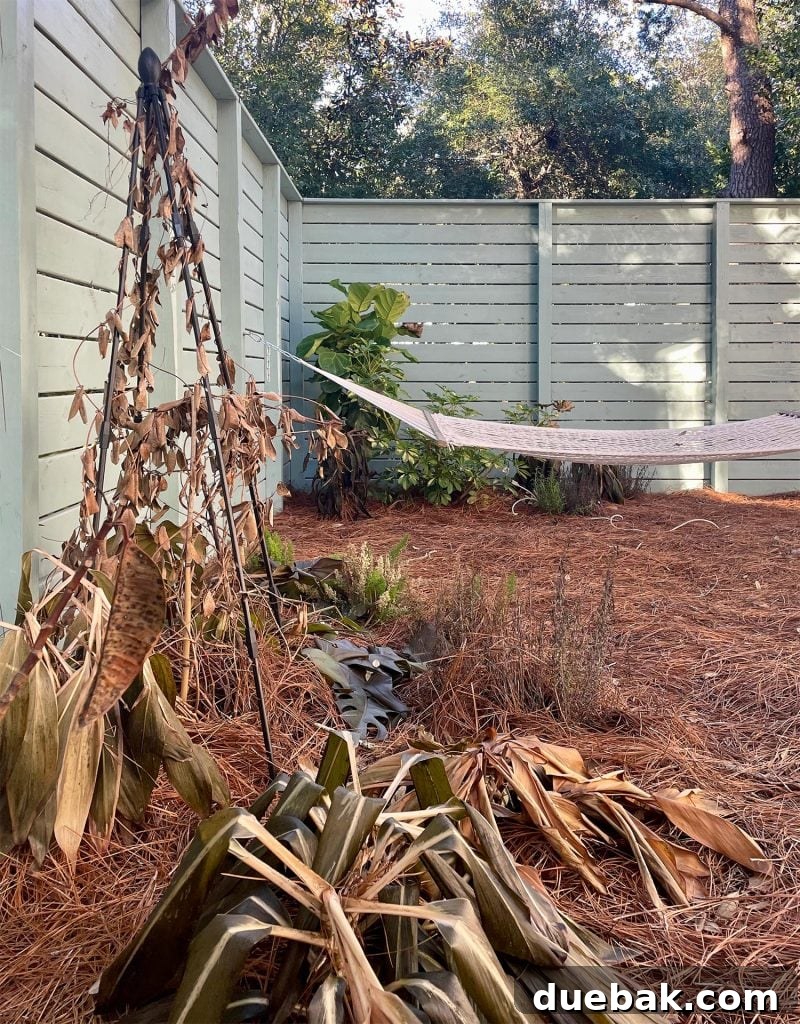
We wish we could offer a definitive conclusion like “blankets always work” or “C9 bulbs are miraculous every time,” but our results were too varied to draw such clear-cut statements. Some covered plants thrived, appearing pristine upon uncovering, while others unfortunately did not. There’s a strong possibility that many, if not all, of our covered plants may still recover, as their bases and root systems seem largely unaffected, with only the leaves showing damage (often, leaves will regrow if the roots and stem are healthy). However, their current appearance is far from ideal. We promise to provide updates on their progress as the warmer months approach. What we can definitively state, once again, is that bringing plants inside yielded a 100% success rate, making it the most reliable protection method.

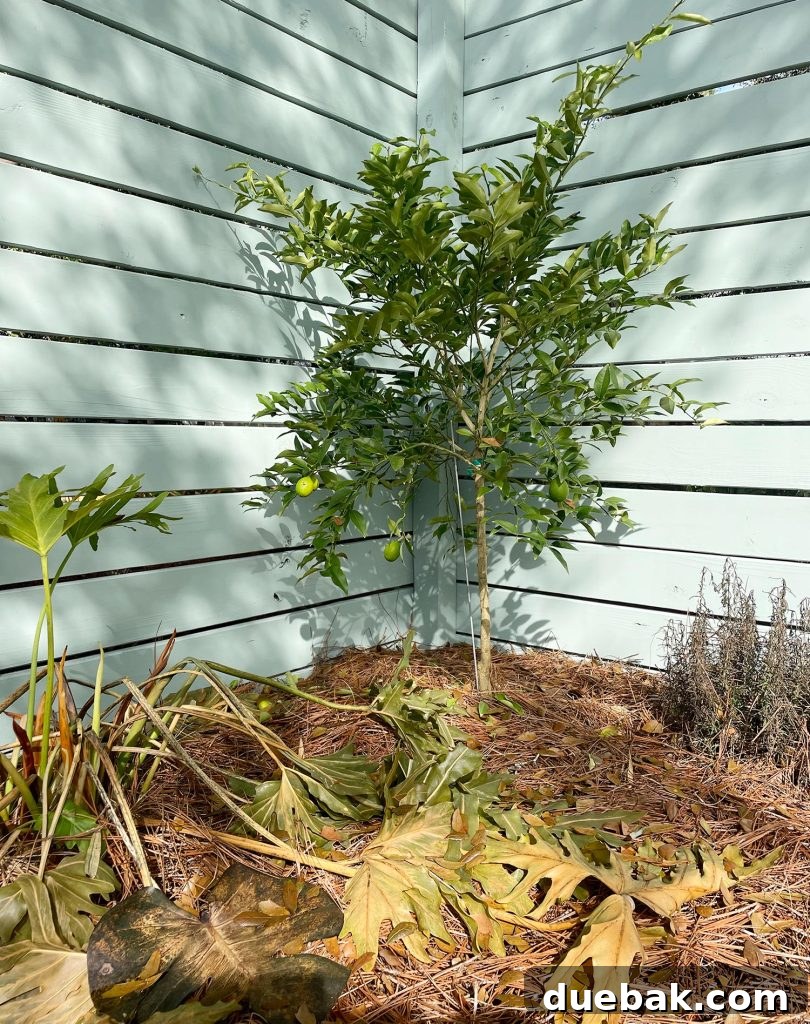
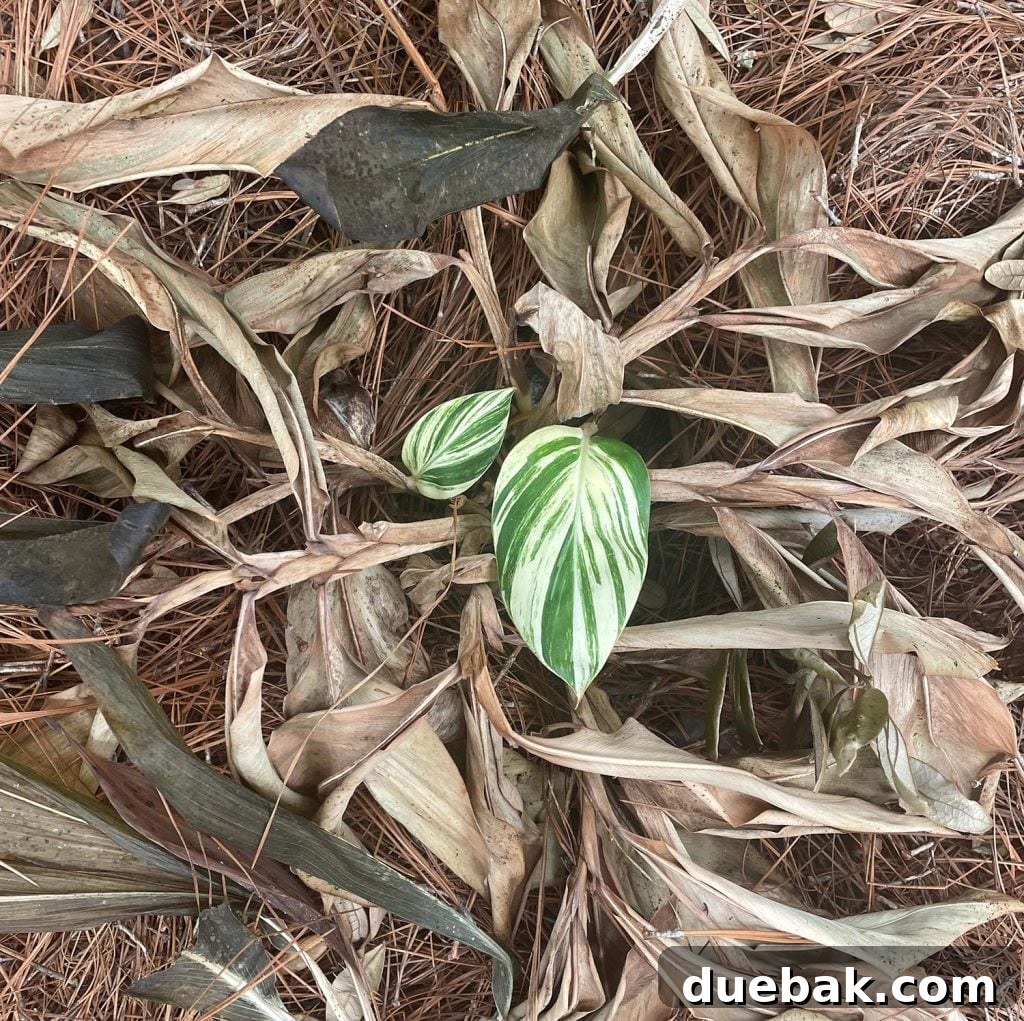
We attribute much of this “varied result” to specific plant species and their micro-climates within our yard. For example, one of our lime trees appears completely unharmed (pictured below), while its counterpart is nearly entirely covered in brown, withered leaves, having dropped all its fruit. Both were mulched and covered, but neither had C9 bulbs. Our best hypothesis is that the thriving lime tree benefited from being in a sheltered corner, protected by two converging fence lines that acted as effective windbreaks. Most of our more delicate tropical plants, such as monsteras, elephant ears, and gingers, became entirely limp. In contrast, our philodendrons fared reasonably well, retaining a few healthy-looking leaves and already exhibiting new, vigorous growth sprouting from their bases.
We also have several Fiddle Leaf Figs planted directly in the ground, as we’ve historically had better success growing them outdoors in Florida than indoors. Over the past three winters, they have flourished outside. For this deep freeze, we brought our largest potted fig inside and for the in-ground specimens, we applied mulch, covered them, and even wrapped them with Christmas lights. The outcome? One fig emerged completely unscathed (bottom right in the image below), and surprisingly, it was the smallest and most recently planted of the entire group. In fact, the entire bed where it was situated performed remarkably well. This leads us to wonder if it occupied a warmer, more sheltered corner of our yard, once again benefiting from a windbreak formed by two fences.
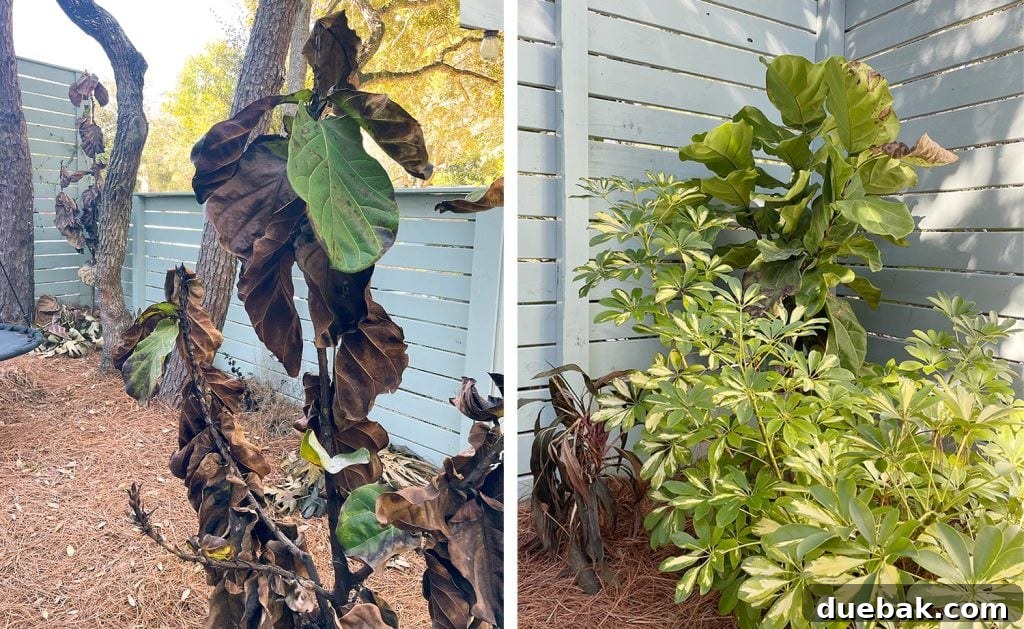
The only reason we remain optimistic about the bleak appearance of our other figs is our past experience. We once had a Fiddle Leaf Fig that appeared completely dead indoors – it dropped all its leaves and became a lifeless stick. Upon moving it outside, it miraculously regrew into a super huge and healthy tree. We are holding onto that hope for our current figs and will certainly keep you updated on their recovery. So, while it’s challenging to draw definitive conclusions about the efficacy of each protective method at this stage, it feels safe to say that the effort was not in vain, and we harbor high hopes for a strong rebound for many of our plants come springtime. (*crosses all fingers and toes for a speedy recovery*)
The Silver Lining: Hope for Freeze-Damaged Plants
As we’ve touched upon, for plants exhibiting limp leaves or brown foliage, all hope is certainly not lost. There’s a profound distinction between a dead leaf and a dead plant. Therefore, just because many of our leaves are browned and wilted doesn’t automatically mean the entire plant is a goner. Often, these plants simply require time to shed their damaged bits and generate new growth once warmer weather consistently returns. In fact, in the approximately three weeks since the freeze, some of our plants have already started to display encouraging signs of new life, proving their incredible resilience.
This remarkable capacity for recovery leads us directly to our final, and perhaps most crucial, piece of advice: resist the urge to immediately prune after a freeze.
Tip 5: The Patience Principle – Don’t Prune Right Away
As tempting as it is to immediately tidy up the seemingly dead plants in our yard, numerous gardening experts (both from our online research and local conversations) strongly advise waiting. They contend that plants will ultimately recover more effectively if pruning is delayed. While specific recommendations might vary slightly between plant species, here are some overarching reasons to keep your pruning shears stored away for now:
Prevent Accidental Removal of Healthy Growth
Immediately after a freeze, it’s virtually impossible to accurately determine which parts of a plant are truly dead. Some damage might not manifest visually for several days, while other plants that appear severely damaged may surprise you by bouncing back quickly. Furthermore, many plants won’t show new growth until the warmth of spring truly sets in. Just as you wouldn’t judge a deciduous tree’s health by its bare branches in winter, it’s best to wait until plants naturally begin to green up. This patience will give you a much clearer understanding of which plants (or sections of plants) genuinely failed to survive, preventing you from prematurely cutting away viable, living tissue.
Dead Leaves Offer Residual Protection
Until your area is well past its last possible frost date, there remains a risk of another unexpected cold snap. The seemingly dead or damaged material on your plants can still provide a valuable layer of insulation to the underlying living parts. Removing this protective layer too soon exposes the plant’s core to potential further damage from subsequent cold fronts and harsh winds, diminishing its chances of full recovery.
Avoid Undue Stress on Recovering Plants
Following a freeze event, a plant dedicates all its available resources to its fundamental survival and the health of its core structure. This is precisely the biological response you want to encourage. Pruning branches or removing leaves too prematurely can inadvertently trigger a new growth response, which might divert critical resources away from the plant’s primary recovery efforts. Moreover, any new, tender growth stimulated by early pruning would be exceptionally vulnerable to damage if another cold front were to pass through the area, creating a detrimental cycle.
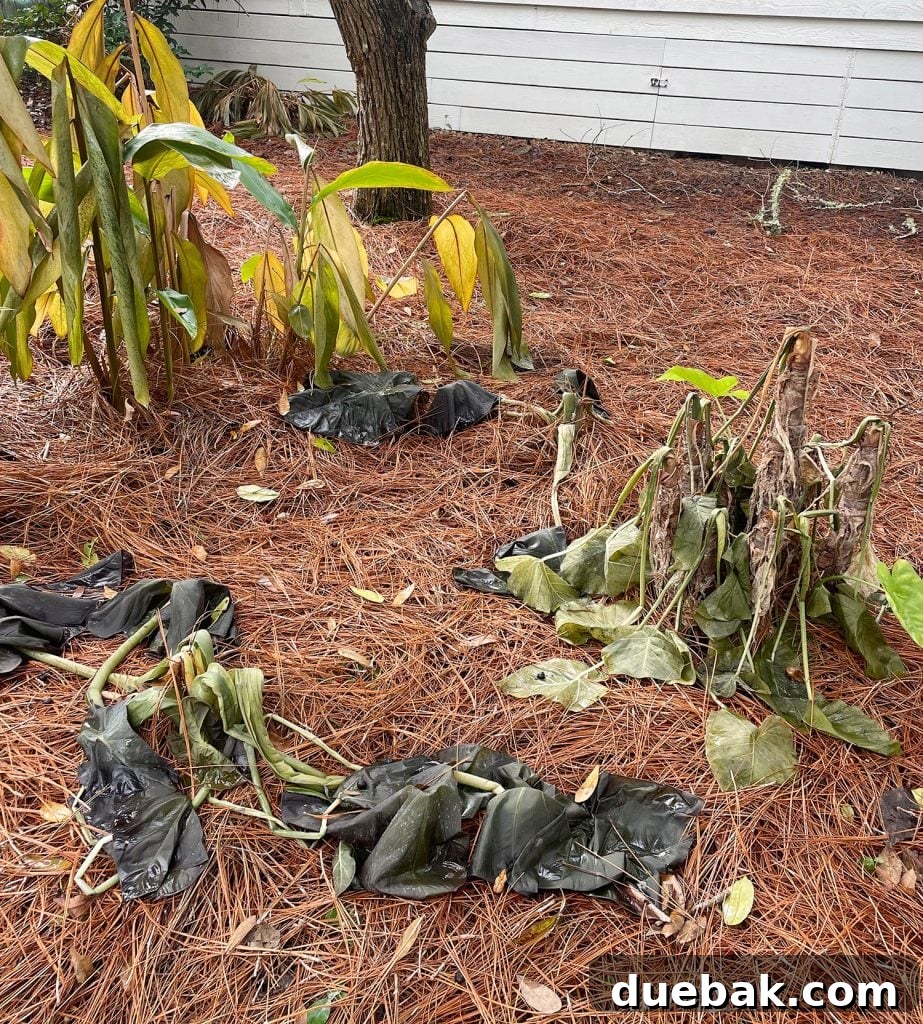
Generally, our practice has been to allow damaged leaves and flowers to fall off naturally, even if this means waiting for new growth in the spring to push them aside. However, for any plant material that becomes mushy or truly decomposes, which can happen with certain tropical varieties (as seen above), we make an exception. We remove such material sooner to prevent the spread of rot or fungal issues. This occurred with one of our largest elephant ears last year during a brief frost, but to our delight, it grew back just as large and vibrant this year. Fingers crossed for a similar outcome!
Therefore, while our yard doesn’t currently look its best, we are reserving our final judgment on the efficacy of our protective measures until the warmth of spring and summer truly arrives. We remain optimistic that more plants will recover than currently appears, and if not, we will thoughtfully re-evaluate whether to risk replanting the same species in those locations. A wise neighbor of ours shared a perspective that these challenging moments can serve as an opportunity for plants to return even hardier and stronger, a sentiment we are eagerly embracing for our own landscape.
Beyond Plants: Essential Freezing Weather Preparation
Our plants weren’t the only concern during this recent, severe cold snap. As this was our first encounter with such low temperatures in our Florida home, we also took proactive steps to protect our pipes from freezing. Sadly, several of our neighbors experienced burst pipes, particularly in vulnerable outdoor showers. Fortunately, the preventative measures we implemented spared us from enduring similar costly and inconvenient troubles!
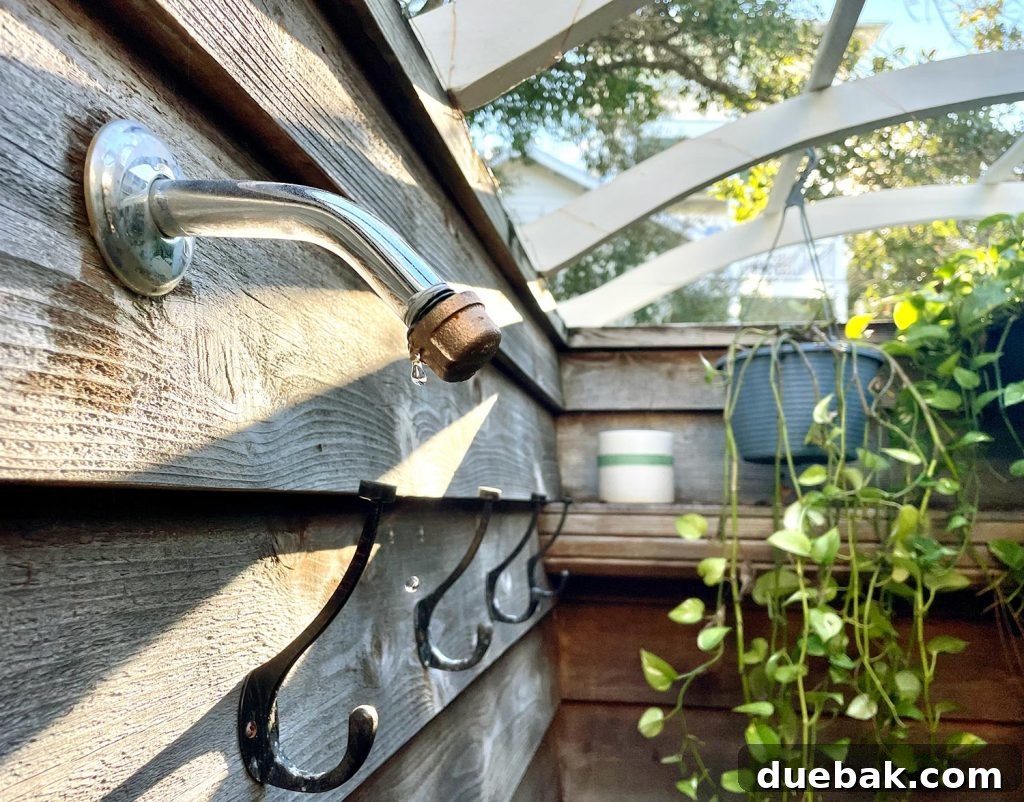
Our home’s heating system also remained operational throughout this period, which was a significant advantage. However, we’ve also prepared comprehensive guidance on how to prevent frozen pipes even if your heat unexpectedly goes out, ensuring you’re prepared for any scenario.
Explore More Plant Care Guides
If you’re eager for additional insights and information on some of our favorite real and faux plants, we invite you to explore the extensive collection of articles below:
- Golden Pothos Care Guide
- Marble Queen Pothos Care Guide
- Neon Pothos Care Guide
- Monstera Deliciosa Care Guide
- Snake Plant Care Guide
- Fiddle Leaf Fig Care Guide
- Tree Philodendron Care Guide
- How to Build An Easy Plant Shelf
- Getting Started With Houseplants: An Expert Interview
- My Favorite Faux Plants
- Easy Houseplants To Keep Alive
- 10 Houseplants For Better Indoor Air Quality
*This post contains affiliate links. We may earn a small commission when you make a purchase through links on our site, at no additional cost to you.