The journey to parenthood often brings with it a heightened awareness of every detail impacting health and well-being. For many, this awareness extends to the seemingly simple act of drinking water. The common jest about “something in the water” takes on a whole new meaning when you’re expecting. This was precisely my experience when, amidst numerous pregnancy announcements among friends and family, a casual comment about tap water sparked a deeper, more urgent inquiry into its composition. The turning point arrived when catching a segment of Dr. Oz discussing the dangers of lead in drinking water, specifically highlighting the vulnerability of pregnant and nursing women to pipes in older homes. The revelation that lead, a potent neurotoxin, could be a silent threat to developing babies was startling enough to make me nearly spit out the water I was drinking. It was clear: the time had come to unravel the mystery of what exactly flowed from our taps.
Our previous renovation projects had already familiarized us with the lurking dangers of lead. We meticulously considered the possibility of lead paint during our bathroom renovation, implementing extensive protective measures to ensure safety. We even went so far as to test an antique chair we intended for the nursery, confirming it was free of lead before bringing it into our baby’s space. Yet, despite these precautions, the thought that our home’s original plumbing could be a source of contamination had inexplicably eluded us. It’s easy to focus on visible hazards, but what about the invisible ones, flowing silently through our pipes every day?
Further research provided some initial reassurance, courtesy of the Environmental Protection Agency (EPA). According to their guidelines, the age of a home is a critical factor in assessing lead risk. Homes constructed before 1930 are more likely to feature lead pipes, while those with copper pipes installed prior to 1988 might contain lead solder. Crucially, current regulations prohibit the use of lead pipes and materials in any new plumbing that connects to drinking water taps. This information offered a glimmer of relief, as our house, a product of the 1950s, was built with galvanized steel piping, steering clear of the pre-1930 lead pipe era and the primary concern for lead solder in copper pipes. This was indeed good news, addressing half of the potential problem right away.

However, the battle for safe drinking water doesn’t end with your home’s internal plumbing. The unsettling truth is that even municipal water, fresh from the treatment plant, can contain trace amounts of lead. This revelation prompted Dr. Oz to urge his viewers to contact their local water jurisdiction and request a copy of their annual water quality report. As a soon-to-be mother, my “paranoid mother hen” instincts kicked in instantly. I was dialing the phone even before the show concluded. Navigating local government offices can be a maze, but persistence is key. A few calls to your city council or relevant municipal department should eventually lead you to the right contact. It might take several transfers, as it did for me, feeling like a mini-victory just to find someone who understood my inquiry. For those in Virginia, I initially contacted the Commonwealth of Virginia’s Division of Consolidated Laboratory Services and later spoke with a helpful individual who could decipher the complex results.
The process of obtaining and understanding your water quality report is a vital step in ensuring your family’s safety. After a few days, my official water analysis arrived, a document filled with cryptic symbols and abbreviations like “PMCL” and “SMCL” – terms that, to the untrained eye, convey little meaning. It was essential to follow up. Calling the number provided on the report, often a direct line to the laboratory or water department, is crucial for interpretation. This personalized consultation transformed a confusing report into actionable information, finally putting my mind at ease. The fabulous news was that our county’s water not only met but exceeded all EPA guidelines. While the report acknowledged the possible presence of trace amounts of various chemicals – including the alarming trio of arsenic, lead, and mercury – these were all well below the established limits known to be dangerous. As explained by the lab technician, definitive “zero” readings are often impossible, so results are presented as “less than X PPM” (parts per million), indicating an incredibly minute, practically negligible amount, potentially even zero. This comprehensive understanding provided immense peace of mind.

Beyond municipal testing, personal filtration systems offer an additional layer of protection. We had proactively installed an under-sink water filter some time ago, which effectively reduces sediments, chlorine tastes, and odors, much like a Brita pitcher. Crucially, our filter is NSF and ANSI certified, ensuring it meets rigorous standards for safety and is free from harmful phthalates and other leaching hazards. This foresight, combined with our home’s relatively newer plumbing and our county’s high water quality standards, meant we were doing more things right than we initially realized. While we can’t take credit for our home’s age or our county’s excellent water, being informed and proactive certainly played a role in our peace of mind.
Taking Control: What You Can Do About Your Tap Water
The overarching lesson here is clear: if you harbor any concerns about your home’s tap water, you are not powerless. There are several proactive steps you can take to safeguard your family’s health and ensure your drinking water is as pure as possible. This isn’t just about personal reassurance; it’s about advocating for public health.
- Home Water Testing Kits: Many home improvement stores offer affordable and easy-to-use water testing kits designed to detect common contaminants like lead. While these kits provide a good initial screening, for definitive results, it’s often best to use kits that utilize U.S. EPA recognized laboratories, such as those offered by PRO-LAB. If a test comes back positive for lead, the most effective solution is to identify and remove the source of contamination, whether it’s an old pipe or solder.
- Install a Water Filtration System: For everyday peace of mind and improved water quality, consider installing a water filtration system. Options range from simple pitcher filters and faucet-mounted filters to under-sink systems and whole-house filtration units. These systems can significantly reduce a wide array of unwelcome toxins, sediments, and chemicals, enhancing both the safety and taste of your water. Look for filters certified by organizations like NSF International (formerly the National Sanitation Foundation) or ANSI (American National Standards Institute) to ensure they meet high performance and safety standards.
- Engage with Your Local Authorities: Your county or municipality is obligated to provide an annual water quality report. This report details the sources of your drinking water, detected contaminants, and compliance with EPA standards. If your water does not meet the necessary standards, or if you have concerns, it’s crucial to contact your local water utility. While they are mandated to report issues, immediate rectification of high contamination levels can sometimes be delayed due to budget constraints or lengthy review processes. In such cases, informed citizens can make a significant difference.
- Community Advocacy: If water quality issues persist in your area, or if you feel the response from authorities is inadequate, consider community advocacy. Writing to local officials, engaging with neighborhood associations, or even starting a local petition can educate and empower residents, creating collective pressure for faster and more effective clean-up efforts. Public awareness and organized action can accelerate the process of securing clean tap water for everyone.
Leveraging Trusted Resources: The Environmental Working Group (EWG)
For those seeking comprehensive information, the Environmental Working Group (EWG) has compiled an invaluable nationwide database of drinking water test results. This resource allows users to investigate water rankings and contaminant levels in their specific area. Its credibility is underscored by its use by reputable media outlets, including The New York Times, in their series on America’s drinking water challenges. The good news highlighted by the EWG is that local water suppliers generally meet mandatory EPA water quality standards 92 percent of the time. The EWG has also ranked major cities for water safety, allowing residents to see how their area stacks up. For instance, Richmond proudly secured a spot in the top 11, a testament to effective local water management. However, the EWG also emphasizes that “standards need to be tougher to protect young children and pregnant women,” highlighting the ongoing need for vigilance and stricter regulations. Organizations like the EWG play a critical role in providing enlightening information and advocating for stronger public health protections.
Simple Rules of Thumb for Safer Tap Water
Beyond testing and filtration, several straightforward practices can further minimize your family’s exposure to potential contaminants in tap water:
- Flush Your Pipes Before Use: Before using water for cooking or drinking, allow the tap to run until the water becomes noticeably cold. This flushes out any standing water in your pipes that may have accumulated lead or other contaminants overnight or during periods of non-use. While it may feel wasteful, this simple step is effective.
- Use Only Cold Water for Drinking & Cooking: Hot water is more likely to leach lead from pipes and solder. Always use cold water for drinking, preparing food, and mixing baby formula. If hot water is needed for cooking, draw cold water and then heat it on the stove.
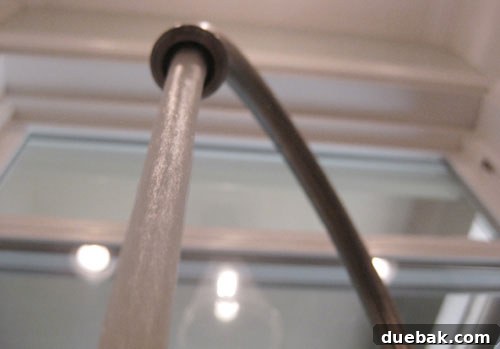
- Inspect Your Plumbing System: Take a moment to visually inspect exposed pipes in your home. Lead pipes are typically dull gray and, when lightly scratched with a key or coin, will reveal a shiny, metallic surface. Copper pipes installed before 1988 may have lead solder, which appears as a dull, silver-gray joint. Being aware of your plumbing materials can inform your testing and filtration strategies.
- Utilize Certified Lead Detection Products: For specific lead concerns, use a lead-in-water test kit that employs U.S. EPA recognized laboratories for analysis. These provide the most accurate and reliable results. Should a test return positive, identifying and mitigating the source of lead is paramount. This might involve replacing specific pipe sections or consulting with a certified plumber.
The “flush your pipes” tip often brings up concerns about water waste. To address this, we’ve adopted an eco-conscious approach. Whenever we need to flush our pipes, especially after being away for an extended period, we use a large basin to collect the initial “flushed” water. This collected water is then repurposed for various household tasks, from watering indoor and outdoor plants to washing the car or even cleaning windows and floors. This simple habit allows us to ensure safer drinking water without contributing to unnecessary water waste.
Our personal journey into what I affectionately call “finding out what the heck we’re ingesting on a daily basis” was an eye-opener. During pregnancy and nursing, water consumption significantly increases, making water quality an even more pressing concern. This exploration, born out of a moment of panic, transformed into an “Erin Brockovich” moment of proactive investigation. We hope our detailed account and the information we gathered can empower others who squint at their glass of water, wondering about its hidden contents. Now, we know—or at least have a much clearer picture—of what’s in our water, and more importantly, what steps we can take to keep it safe.
We’re always keen to learn from others. What measures do you take to keep your water as pure as possible? Do you rely on filters, or do you diligently review your annual water reports? Share your insights and experiences; every tip helps build a safer, more informed community.