
Embrace a Sparkling Home: The Ultimate Guide to Safe, Effective, and Eco-Friendly Homemade Cleaners
In our continuous journey towards a healthier and more sustainable lifestyle, the concept of cleaning often comes under scrutiny. While sparkling surfaces are desirable, the methods and products we use to achieve them can have profound impacts on our health, our families, our pets, and the planet. This guide delves into the transformative world of homemade cleaners, offering an in-depth look at natural, effective, and budget-friendly alternatives to conventional, chemical-laden products. We’ve teamed up with an expert in natural home care to bring you the best formulas and insights, helping you cultivate a truly clean and safe living environment.
Making the switch to all-natural, eco-friendly cleaning solutions isn’t just a trend; it’s a conscious decision to protect what matters most. Many store-bought cleaners contain harsh chemicals that can be toxic, poisonous, and even corrosive, posing significant health risks. From respiratory irritants to endocrine disruptors, the labels often carry stark warnings—”danger,” “caution,” “corrosive,” “irritant,” “chronic health hazard”—which are far from reassuring. These products don’t just harm us; they also contribute to environmental pollution, with their excessive packaging ending up in landfills and their chemical residues impacting our waterways.
Why Choose Homemade: The Dangers of Commercial Cleaners
Consider your home a sanctuary—a place where you and your loved ones should feel safe and nurtured. Yet, many conventional cleaning products inadvertently introduce a cocktail of potentially harmful substances into this very space. These chemicals can trigger allergies, exacerbate asthma, cause skin irritation, and even pose long-term health risks, including reproductive issues and certain types of cancer. The vague and often alarming warnings on labels are not just legal requirements; they are stark reminders of the potent, sometimes unregulated, compounds we routinely bring into our homes. Beyond the immediate health concerns, these products contribute to a larger ecological footprint, from manufacturing to disposal, ultimately impacting our planet’s delicate ecosystems.
By contrast, the ingredients found in your kitchen cupboard—like baking soda and vinegar—offer a stark alternative. They are not only non-corrosive, non-poisonous, and completely safe for your health, but many are also entirely edible! This inherent safety means you can clean without worrying about residues harming curious pets, small children, or even yourself. The shift to homemade cleaning is an investment in both personal well-being and environmental stewardship, often at a fraction of the cost of their chemical counterparts.
Essential Natural Ingredients for a Spotless, Chemical-Free Home
Building your natural cleaning arsenal is surprisingly simple, relying on a handful of versatile and highly effective ingredients. These everyday staples offer powerful cleaning capabilities without the associated health risks or environmental impact.
- Baking Soda (Sodium Bicarbonate): This humble pantry item is a natural powerhouse. Its mild alkaline properties make it an excellent deodorizer, absorbing odors rather than just masking them. As a gentle abrasive, it effectively scours away grime and stains without scratching surfaces. It rinses easily, is completely non-toxic, and incredibly affordable. You can use it to clean sinks, tubs, ovens, and even carpets, offering peace of mind that surfaces are safe for children and pets to interact with.
- Vinegar (White Vinegar): A mild acid, white vinegar is renowned for its disinfectant properties. It effectively cuts through grease, dissolves mineral deposits, and sanitizes surfaces, making it ideal for a wide range of cleaning tasks. Like baking soda, it’s completely non-toxic and very inexpensive, readily available in large quantities. While a fantastic all-purpose cleaner, it’s crucial to remember that vinegar should not be used on natural stone surfaces (like marble or granite) or acetate fabrics, as its acidity can cause damage.
- Hydrogen Peroxide (3% Solution): Often overlooked, hydrogen peroxide is a non-toxic alternative to chlorine bleach. It acts as a natural bleaching agent, disinfectant, and stain remover. Its mild oxidative properties break down stains and neutralize germs, making it excellent for sanitizing cutting boards, whitening laundry, and tackling mold and mildew. A bottle costs mere pennies, offering powerful cleaning for very little investment.
- Natural Essential Oils (Tea Tree, Grapefruit, Lemon, Lavender): Beyond their delightful aromas, many essential oils possess potent cleaning properties. Tea Tree Oil and Grapefruit Oil are known for their strong antibacterial and antifungal capabilities, making them excellent additions for disinfecting surfaces. Lemon Juice, rich in citric acid, is a natural degreaser and leaves a wonderfully fresh, clean scent. Lavender Oil adds a calming aroma and also has antiseptic qualities. These oils not only boost cleaning power but also provide a pleasant, natural fragrance, replacing artificial and potentially harmful synthetic perfumes.
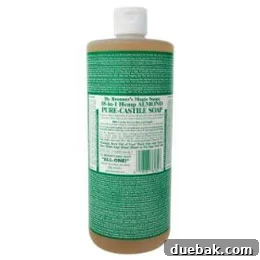
- Liquid Castile Soap (e.g., Dr. Bronner’s): Unlike petroleum-based soaps, castile soap is made from vegetable oils (such as olive, coconut, or hemp). This makes it entirely non-toxic, biodegradable, and incredibly versatile. It can be used as a base for many homemade cleaning solutions, from all-purpose sprays to dish soap and even laundry detergent. While slightly more expensive than baking soda or vinegar, a large bottle lasts a long time and replaces numerous specialized cleaning products.
DIY Cleaning Formulas: Simple Recipes for Every Corner of Your Home
Now that you’re familiar with the key ingredients, let’s put them to work! Here are some of Evan’s most cherished and effective homemade cleaning formulas, designed to tackle every cleaning challenge with natural power.
General Purpose Cleaners
These versatile formulas are perfect for everyday cleaning tasks, keeping your home fresh and tidy.
Surface Spray:
An essential for daily wipe-downs, this spray is perfect for countertops, tables, and other hard surfaces.
- 16 oz spray bottle
- 2 tsp. borax (or baking soda for a borax-free option)
- ¼ tsp. liquid castile soap (like Dr. Bronner’s)
- Hot water (to fill the bottle)
All Purpose Liquid Cleaner:
Ideal for larger areas and general floor cleaning, offering a gentle yet effective cleanse.
- 1 gal. hot water
- 1 tbsp. baking soda
- 2 tbsp. liquid soap (like Dr. Bronner’s)
All Purpose Abrasive Cleaner:
For tougher grime and stains that require a little scrubbing power, this paste is incredibly effective without scratching.
- Liquid soap (like Dr. Bronner’s)
- 2 tbsp. baking soda
Mix to make a foamy paste. Adjust quantities to achieve desired consistency. This soft scrub is perfect for sinks and tubs.
Kitchen Cleaning Solutions
Keep your kitchen spotless and sanitary with these food-safe formulas.
Refrigerator Cleaner:
Effortlessly clean and deodorize your fridge, ensuring a fresh environment for your food.
- 2 tbs. baking soda in 1 qt warm water
Wipe down inside and out and rinse with a clean wet cloth. The baking soda naturally absorbs odors.
Oven Cleaner:
Tackle baked-on grease and food spills with this simple yet powerful baking soda method.
- Dampen oven interior with water
- Sprinkle liberally with baking soda
Leave for 20 minutes (or longer for very tough grime), then scrub until clean with a damp sponge or brush. This method avoids harsh fumes.
Microwave Cleaner:
Steam away splatters and food debris, leaving your microwave pristine and fresh.
- ½ c. vinegar
- 2 c. water
Combine in a microwave-safe bowl, heat on high for 3-4 minutes (until boiling and steaming). Remove bowl (carefully, it will be hot) and wipe down the inside of the microwave. The steam loosens dried food, making cleaning effortless.
Dishwasher Detergent:
Achieve sparkling dishes with a homemade detergent that’s gentle on your machine and the environment.
- 2 c. borax
- 2 c. baking soda
- 4 small packages of unsweetened lemon Kool-Aid (or generic, for citric acid)
Mix together and store in an airtight container. Use 1-2 tablespoons per load. You can substitute ½ c. of pure citric acid for the Kool-Aid if preferred, though it may be harder to source.
Fruit and Vegetable Wash:
Ensure your produce is free from residues with these natural washing solutions.
Version 1:
- 1 cup water
- 1 cup white vinegar
- 1 tbsp. baking soda
- 20 drops grapefruit seed extract (for added antibacterial properties)
Spray on produce, let sit for 5 minutes, then rinse thoroughly. This solution helps remove wax, pesticides, and dirt.
Version 2:
- 1 cup water
- 1 tbsp. lemon juice
- 1 tbsp. baking soda
Spray on produce, wipe gently after 5 minutes, then rinse. Both versions provide an effective and safe way to clean your fresh food.
Bathroom & Drain Cleaners
Keep your bathroom hygienic and your drains free-flowing with these powerful natural options.
Drain Cleaner:
A natural way to clear minor clogs and keep drains fresh, without harsh chemicals.
- 1 c. baking soda (first)
- 1 c. white vinegar (second)
- 1 gallon boiling water (last)
Pour baking soda down the drain, followed by vinegar. Allow it to foam for 5 minutes, then flush with boiling water. This reaction helps break down grease and grime.
Window, Glass and Chrome Cleaner:
Achieve streak-free shine on windows, mirrors, and chrome fixtures.
- 5 parts water to 1 part white vinegar, OR
- 1 c. water, 1 c. vinegar, ½ tsp. castile soap (like Dr. Bronner’s)
Combine ingredients in a spray bottle. Spray and wipe with a microfiber cloth or crumpled newspaper for a brilliant, streak-free finish.
Toilet Bowl Cleaners:
Disinfect and deodorize your toilet bowl effectively and safely.
- Liquid castile soap (like Dr. Bronner’s)
- Baking soda or borax
Sprinkle baking soda or borax into the bowl, then add a squirt of liquid castile soap. Let it sit for a few minutes, then scrub thoroughly with a toilet brush and flush. The abrasive nature of the powder combined with the soap’s cleaning power works wonders.
Tub And Tile Cleaner:
Remove soap scum and mildew with this two-step approach.
- Apply vinegar full-strength to a sponge and wipe surfaces
- Scour with baking soda
After wiping with vinegar, sprinkle baking soda directly onto stubborn areas and scrub with a damp sponge. Rinse thoroughly to reveal sparkling clean tubs and tiles.
Soft Scrub for Fixtures:
Gentle yet effective for cleaning delicate fixtures and polishing surfaces.
- ½ c. baking soda
- Castile soap
- 10 drops of antibacterial essential oil (optional, e.g., tea tree or lemon)
Add enough castile soap to the baking soda until you have a frosting-like consistency. Mix well. Scrub fixtures with this paste, then rinse with water. The essential oil adds extra germ-killing power and a fresh scent.
Mold, Mildew & Germ Killers
Combat unwanted growth and keep your home hygienically clean without harsh chemicals.
Mildew/Germ Killer:
A natural blend that discourages mildew and kills germs, leaving a refreshing scent.
- 2 c. water
- 25 drops of tea tree oil
- 25 drops of lavender oil
Combine in a spray bottle. Spray on tile, shower curtains, or other mildew-prone areas and do not wipe off. The essential oils will naturally combat mildew and leave a pleasant aroma.
Mildew/Germ Killer 2:
Hydrogen peroxide offers a powerful, bleach-free solution for disinfecting and whitening.
- 16 oz spray bottle
- 1 part hydrogen peroxide (3%)
- 2 parts water
Mix in a spray bottle. Spray on surfaces, let it sit for 1 hour, then rinse. Ideal for disinfecting cutting boards, counters, and bathroom surfaces.
Floor Care
Keep your floors pristine using methods tailored to different surfaces.
Wood Floor Cleaner:
A gentle vinegar solution that cleans without stripping natural wood finishes.
- ¼ c. vinegar
- 1 gal. warm water
Combine and use with a slightly damp mop or rag for cleaning. Avoid over-wetting wood floors.
Linoleum Floor Cleaner:
This simple mixture effectively cleans linoleum, leaving it fresh and bright.
- 1 c. vinegar
- 2 gal. warm water
Mop or rag can be fully wet for cleaning linoleum surfaces. Ensure to rinse with clean water if desired, though vinegar evaporates cleanly.
Carpet Care
Tackle stains and odors in your carpets naturally.
Carpet Stain Remover (Borax-based):
Effective for many types of carpet stains, lifting dirt and grime.
- 1 part borax
- 10 parts warm water
Combine in a spray bottle. Spray on the stain, wait 5 minutes, then blot with a clean rag until the stain is gone. Always patch test in an inconspicuous area first.
Carpet Stain Remover (Vinegar & Baking Soda):
A classic and powerful combination for eliminating tough carpet stains.
- Vinegar
- Baking soda
Mix vinegar and baking soda into a thick paste. Gently work into the stain with a toothbrush. Let it dry completely, then vacuum the residue thoroughly. This method works wonders on a variety of organic stains.
Carpet Deodorizer:
Freshen up your carpets and neutralize odors with this simple DIY solution.
- Baking soda
- 10 drops of essential oil (optional, e.g., lavender or lemon)
Mix together if using essential oil, then sprinkle generously on the carpet. Wait at least 15 minutes (or longer for deep deodorizing) and then vacuum thoroughly. The baking soda absorbs odors, and the essential oil leaves a subtle, pleasant scent.
All-Purpose Carpet Cleaner:
A gentle yet effective way to refresh your entire carpet, especially after vacuuming.
After vacuuming first,
- 1 c. white vinegar
- 3 c. boiling water
Blot this mixture onto the nap of the rug with a wet rag. Allow to dry and air thoroughly, then vacuum once more. This helps to lift dirt and rejuvenate carpet fibers.
Air & Furniture Care
Freshen your air and care for your furniture with natural ingredients.
Air Freshener:
Replace artificial aerosols with a natural spray that purifies and scents the air.
- 2 parts water
- 1 part rubbing alcohol (helps essential oils disperse)
- Essential oil (your choice, e.g., citrus, eucalyptus)
Mix in a spray bottle. Start with 5-10 drops of essential oil and adjust to your preference. Do not spray on silks or delicates. This creates a clean, natural aroma.
Air Freshener 2:
Another simple and effective option for neutralizing odors in the air.
- 1 tsp. baking soda
- 1 tsp. vinegar or lemon juice
- 2 c. hot water
Mix in a spray bottle until baking soda dissolves. Shake well before each use. Avoid spraying on silks or delicates. This combination is great for neutralizing stale odors.
Dusting:
The simplest and most effective way to capture dust without sprays or chemicals.
- Slightly dampened microfiber cloth
A lightly damp microfiber cloth attracts and holds dust particles, preventing them from scattering into the air. It’s an efficient, chemical-free dusting method for all surfaces.
Furniture Polish:
Nourish and protect your wooden furniture with this homemade polish.
- ½ tsp. olive oil
- ¼ c. vinegar or lemon juice
Mix well in a glass jar. Dab a soft rag into the solution and wipe onto wood surfaces. Buff gently with a clean, dry cloth to bring out a natural shine. Always test on an inconspicuous area first.
Scratches (Wood):
Minor scratches on wood can be naturally diminished with this simple mixture.
- 1 part lemon juice
- 1 part vegetable oil
Mix equal parts. Rub into the scratches with a soft cloth and polish. The lemon juice helps to blend the scratch, while the oil nourishes the wood.
Specialty Cleaners
For those unique cleaning challenges, these natural solutions come to the rescue.
Rust Remover:
Combat rust stains naturally with the power of salt and lime.
- Sprinkle area with salt
- Squeeze lime onto salt
Leave it to sit for 2-3 hours, allowing the acidic lime and abrasive salt to work. Then scrub with the lime rind. For tougher rust, you might explore other natural methods.
Metal Polish (Copper and Brass):
Restore the shine to your copper and brass items with this simple paste.
- 2 tbsp. salt
Add vinegar slowly until you make a thick paste. Rub this paste onto the metal with a clean rag. Allow it to sit briefly, then wipe clean and buff with a dry cloth for a brilliant shine.
Laundry Care
Revolutionize your laundry routine with effective, non-toxic detergents and softeners.
Powdered Laundry Detergent:
A powerful, economical, and chemical-free alternative for your laundry.
- 1 c. grated Fels Naptha soap (or other natural bar soap)
- ½ c. washing soda
- ½ c. borax
Mix all ingredients thoroughly and store in an airtight container. For a light load, use 1 tablespoon. For a heavy or soiled load, use 2 tablespoons. This detergent is effective in both hot and cold water.
Liquid Laundry Detergent:
Create a large batch of homemade liquid detergent for consistent, eco-friendly cleaning.
- 3 pints water
- 1/3 bar Fels Naptha soap, grated
- ½ c. washing soda
- ½ c. borax
- 2 gallon bucket
- 1 quart hot water (for mixing)
In a saucepan, mix grated soap with 3 pints of water. Heat on low until the soap is fully dissolved, stirring occasionally. Stir in the washing soda and borax until the mixture thickens. Remove from heat. In your 2-gallon bucket, add 1 quart of hot water, then pour in the soap mixture. Mix well. Fill the rest of the bucket with hot water, mix again, and let it sit for 24 hours to set. Use ½ c. per laundry load. Shake well before each use as it may separate.
Laundry Pre-treatment:
Tackle tough stains before washing with these effective pre-treatments.
Version 1 (*do NOT use with bleach, since ammonia + bleach can create dangerous fumes):
- ½ c. ammonia
- ½ c. white vinegar
- ¼ c. baking soda
- 2 tbsp. liquid soap or laundry detergent
- 2 quarts water
Mix all ingredients in a spray bottle. Spray directly onto the stain, let it sit for a few minutes, then proceed with washing. Remember the critical safety warning: never mix ammonia with bleach.
Version 2:
- 1 tsp. liquid laundry detergent
- 2 tbsp. ammonia
- 1 pt. warm water
Mix in a spray bottle. Spray directly onto the spot and let it sit for 20 minutes before washing as usual. Always perform a spot test on an inconspicuous area first.
Fabric Softener:
Achieve soft, static-free laundry without chemical residues.
Add ½ – 1 c. white vinegar to your softener dispenser during the rinse cycle. Don’t worry, the vinegar smell disappears completely during drying, leaving clothes soft and fresh.
Bleach Alternative (Laundry):
Brighten whites and tackle tough stains without harsh chlorine bleach.
- ¼ c. hydrogen peroxide (3%)
Add ¼ cup of hydrogen peroxide to your washing machine alongside your detergent for whites and colorfast items. It effectively brightens and disinfects without the toxicity of traditional bleach.
Beyond the Bottle: Sustainable Cleaning Habits for a Greener Home
Achieving a truly eco-friendly and healthy home goes beyond just the products you use; it involves adopting sustainable habits. Our expert shares these invaluable tips to further reduce your environmental footprint and simplify your cleaning routine:
- Optimize Dishwasher Use: Run your dishwasher late at night to take advantage of off-peak electricity rates, and always skip the heat-dry setting. Let dishes air dry overnight instead, saving significant energy and reducing your utility bills.
- Embrace Reusables: Replace disposable sponges and paper towels with washable and reusable items like microfiber cloths, cotton dish rags, and Swedish dishcloths. These are highly absorbent, durable, and can be washed and reused hundreds of times, drastically cutting down on waste.
- Batch Prepare Your Cleaners: Dedicate some time to premix large batches of your favorite cleaning formulas. Having ready-to-use natural cleaners on hand means you’ll never be tempted to grab a commercial product out of convenience, ensuring your home remains chemical-free.
- Wash in Cold Water: Set your washing machine to cold/cold for most laundry loads. This simple change dramatically reduces energy consumption, as heating water for laundry accounts for a significant portion of a household’s energy use. Cold water also helps preserve fabric integrity and prevents color fading.
- Implement Preventative Measures: Simple habits can make a huge difference in keeping your home cleaner longer. Encourage family members and guests to take off their shoes at the entrance to prevent tracking in dirt, dust, and outdoor pollutants. Similarly, quickly wiping down the shower after each use can prevent soap scum and mildew buildup, significantly cutting down on future scrubbing and the need for strong cleaning agents.
By integrating these practices alongside your homemade cleaning solutions, you create a holistic approach to home care that benefits your health, your wallet, and the planet. It’s about building a lifestyle that values sustainability and well-being at its core.
A special thank you to our expert for generously sharing her invaluable knowledge and passion for natural cleaning. Her thoroughness and consideration for both home and planet are truly inspiring. For those eager to delve deeper, here are some of the resources that inform this eco-conscious approach to home cleaning:
Consumer Reports, Nat’l Geographic,The Green Guide,Do It Green, Frugal Living, The Vinegar Institute, EarthEasy, Coyne and Kutzen “The Urban Homestead”
Curious about specific items in our home or paint colors we’ve used? Discover more by clicking the button below: