DIY Window Frosting Film: Simple Steps for Enhanced Privacy & Natural Light
Welcome back! Last week, we hinted at a quick and easy solution for enhancing privacy without sacrificing precious natural light, and today, we’re delivering on that promise. Our basement windows, like many, suffered from a complete lack of privacy. While covering them was essential, we were determined to avoid heavy blinds or curtains that would perpetually block out light, transforming the space into an undesirable, cave-like environment. The perfect answer? Window frosting film.
This isn’t our first rodeo with window film. We previously used it to frost our original bathroom window shortly after moving in. Although subsequent window replacements in the bathroom (coupled with the realization that our private backyard offered no direct view into the high-set window) meant we didn’t reapply the film there, our basement presented a different challenge. Being significantly easier to peer into, the need for an effective yet light-permeable privacy solution brought window frosting film back into the spotlight.
Gathering Your Essential Tools & Materials
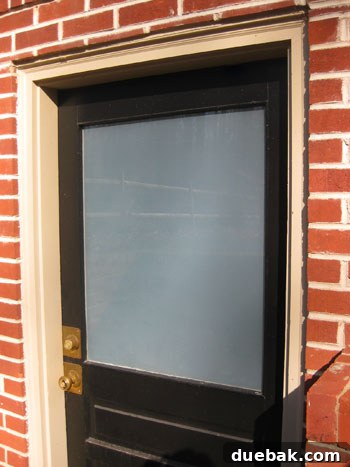
Embarking on this project requires just a few key items, readily available at most home improvement stores. For our two basement windows and a large glass pane in the door, a single roll of Gila window frosting film from Home Depot sufficed, costing us $18.98. The Gila brand is widely accessible and known for its reliability, making it a popular choice for DIY enthusiasts seeking quality and value.
To ensure a smooth, professional application, we also invested in a specific film adhesive spray and a specialized toolkit. This kit, priced at an additional $7, typically includes a squeegee-like device and a utility knife, both indispensable for achieving a flawless finish by removing bubbles and trimming precisely. So, for a total investment of just $26, we were poised to add crucial privacy to our basement without dimming the inviting natural light that helps it feel less like a dungeon and more like a functional, bright space.
Here’s a concise list of everything you’ll need for this transformative project:
- Window Frosting Film: A roll of your preferred brand, like Gila, chosen to cover all target window panes.
- Application Solution Spray: This specialized spray lubricates the window surface and film, allowing for repositioning. Alternatively, a homemade solution of water with a drop of dish soap in a spray bottle works well.
- Utility Knife or X-Acto Knife: Essential for precise trimming of the film edges. For added safety and control, consider a knife with a comfortable holder.
- Squeegee: Often included in film application kits, this tool is vital for smoothing out bubbles and excess solution.
- Measuring Tape or Ruler: For accurate measurement of your window panes.
- Pencil (Optional): For lightly marking cut lines on the matte side of the film.
- Straight-Edge Razor Blade: A powerful tool for scraping off stubborn paint splatters or grime during the cleaning phase.
- Glass Cleaner and Lint-Free Cloths: For a pristine window surface before application.
- Masking Tape: A simple yet effective trick for separating the film from its protective backing.
- Grippy Gloves: Highly recommended when using a razor blade for safety.
Step 1: Meticulous Window Preparation – The Foundation for Flawless Film
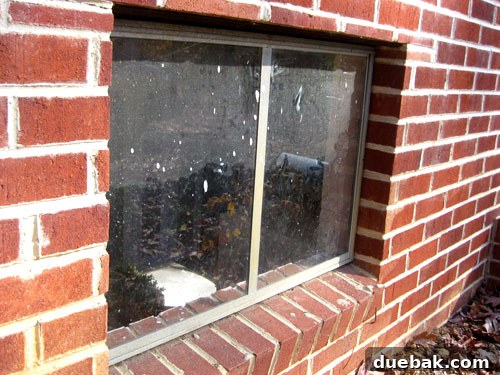
Before any frosting fun can begin, a critical — and often overlooked — step is thoroughly cleaning your windows. Our basement windows were far from pristine, sporting not only layers of dust and grime but also stubborn Drylok spatters, both inside and out. A truly clean, smooth surface is paramount for the film to adhere properly and to prevent unsightly bubbles, lint, or imperfections from being trapped underneath.
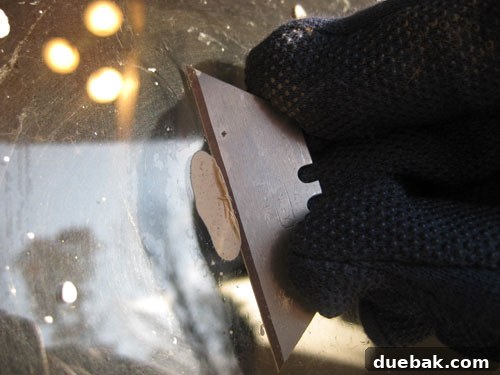
Tackling stubborn splatters and debris often requires more than just standard glass cleaner. A straight-edge razor blade is an incredibly effective tool for carefully scraping off dried paint, caulk, or other tough residue that regular cleaning solutions can’t budge. However, we cannot stress enough the importance of extreme caution when using such a sharp tool. Your fingers are invaluable, especially if you’re passionate about DIY projects. Always prioritize safety: use grippy gloves that fit snugly, ensuring they don’t impede your dexterity. The best approach is always slow and steady, applying gentle, consistent pressure at a shallow angle. For enhanced safety and control, we highly recommend using a utility knife holder, which provides a more ergonomic and secure grip than holding the blade directly. Remember, the accompanying photo demonstrates our process, but a blade holder is the safer recommendation for others. Take a deep breath, channel the deliberate pace of a tortoise, and watch those unwanted specks peel away!
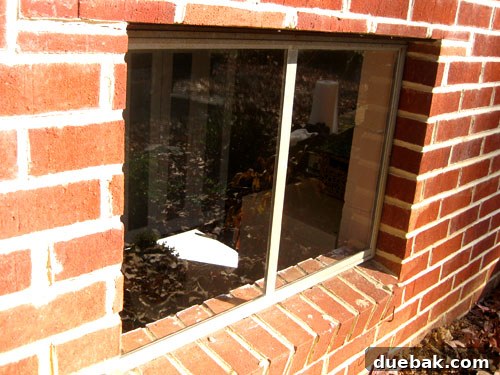
Once all the stubborn bits are meticulously removed, follow up your razor session with a thorough cleaning using a high-quality glass cleaner and a lint-free microfiber cloth. Wipe until your windows are absolutely sparkling, free of any smudges, streaks, or dust particles. This level of pristine cleanliness is crucial; if they gleam like diamonds, as we like to say, you know they’re truly ready for the film application. Any remaining dirt or lint, no matter how tiny, will be permanently trapped under the film, creating visible and frustrating imperfections that detract from the final look.
Step 2: Precise Measuring and Cutting Your Window Film
With your windows impeccably clean and prepped, the next step involves meticulous measuring and cutting of your frosting film. This stage is crucial for a seamless, professional outcome, so take your time. Begin by carefully measuring each individual pane of glass you intend to frost. It’s vital to measure only the visible glass area, not the entire window frame or sash, especially if your window is comprised of multiple panes side-by-side, like ours. Accurately record the exact width and height of each glass pane.
Now, here’s an essential trick for a perfect, professional-looking fit that simplifies the application process: add an extra inch to each of your recorded measurements. This means if your pane is, for example, 15 inches wide by 20 inches tall, you will write down 17 inches by 22 inches (an inch on each side translates to adding two inches total to both the width and height dimensions). This generous overlap allows for much easier handling during application, provides a comfortable margin for error, and ultimately facilitates a perfectly straight, precise trim for a factory-like edge.
Next, unroll your chosen frosting film; it typically resembles a long roll of white wrapping paper, featuring a shiny, clear protective side and a more matte, textured frosted side. You’ll be marking and cutting from the matte side. Grab a sturdy ruler or, even better, a T-square for maximum accuracy, and begin measuring and cutting your film pieces according to the oversized dimensions you just recorded (those with the extra inches). You can lightly mark your cut lines with a pencil on the matte side, or, if you have a steady hand and confidence, cut directly without drawing. The key is to produce pieces that are consistently oversized on all four sides of the intended glass pane.
Step 3: Preparing the Film for Application – Peeling the Backing
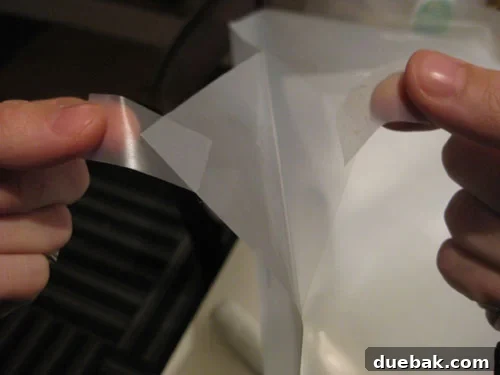
Once your slightly oversized squares of window film are cut, you’re ready to separate the film from its clear, glossy plastic backing. This can sometimes be the trickiest part of the entire process, as the film adheres tightly to its liner. However, a simple method involving masking tape makes it significantly easier. Place a small piece of masking tape on each side of one corner of the film. Gently press the tape firmly to ensure good adhesion to both the frosting film and its protective backing. It’s crucial to press firmly across the entire tape length. Be careful not to let the taped sides touch after application, or they might stick together completely and make separation difficult.
With the tape firmly in place on opposing sides of a corner, you should be able to use the tape tabs to carefully pull the two layers apart. Apply slow, steady pressure. The frosted film (which will adhere to your window) will separate from the clear plastic protective backing (which you will discard). This process usually reveals the adhesive side of the frosting film, which will feel slightly tacky.
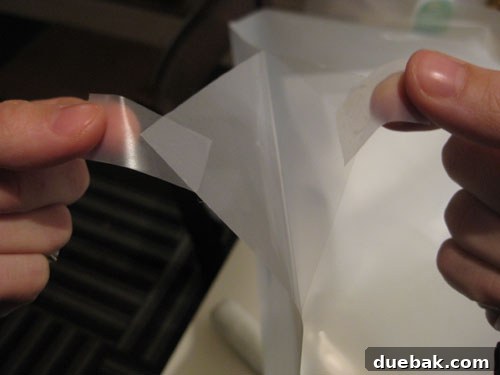
Go ahead and pull these two layers apart about halfway down the square until you have a significant section of the film’s adhesive side exposed, like this:
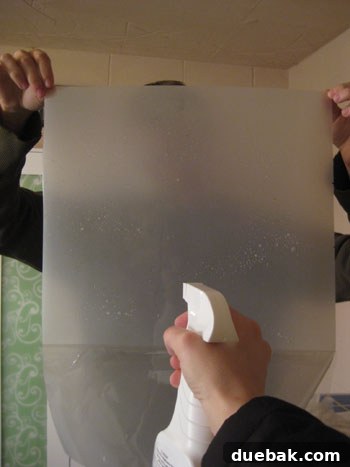
Step 4: Applying the Film – Spray, Place, and Position
For this crucial step, having an extra set of hands makes a world of difference. A two-person team allows for smoother coordination and better control, significantly reducing the risk of the film folding onto itself or adhering prematurely. One person can carefully hold the half-peeled film, keeping the exposed adhesive side clean and preventing it from sticking to itself or other surfaces. Meanwhile, the second person can thoroughly spray both the window surface and the exposed, adhesive side of the frosting film with the application solution.
We used Gila Window Film Application Solution, specifically designed for this purpose, which lubricates the surfaces and activates the adhesive. However, a common and highly effective DIY alternative involves filling a clean spray bottle with water and adding just a drop or two of dishwashing liquid (avoiding harsh detergents with strong degreasers). The soap acts as a crucial lubricant, allowing you to easily slide and reposition the film on the window before the adhesive fully sets. We opted for the commercial solution primarily due to not having an empty spray bottle readily available and uncertainty about our plant-based eco-detergent’s effectiveness. We also found the Gila solution to be more cost-effective than purchasing a new spray bottle and mainstream dish detergent. Always remember to check the specific instructions provided with your chosen film, as some specialized films may only require plain water for adhesion.
Once the window pane and the entire adhesive (back) side of the frosting film (as shown partially peeled above) are adequately misted—along with a light misting on the entire front part of the film for easy squeegee glide—it’s time to apply it to the window. Thanks to the generous inch of overlap on all sides of the film, there’s no need to worry about achieving perfect placement on the first try. The slippery application solution allows you to gently slide and reposition the film until it roughly covers the entire glass pane, ensuring an inch or so of excess film extends beyond the glass on all four sides. This initial flexibility is key to a stress-free application and ensures you have enough material for a clean trim.
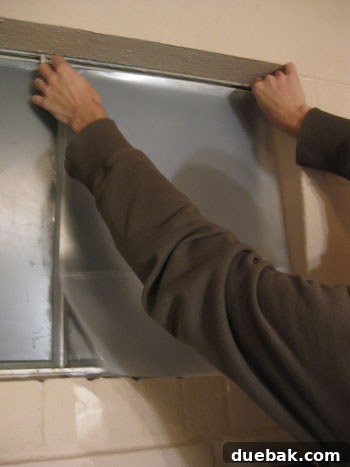
At this point, the film will stick to the window but will appear far from seamless, with visible bubbles, streaks, and areas where it hasn’t fully adhered. Now, with the bottom half of the film still protected by its backing, have your helper gently hold the top two corners of the frosted film in place on the window while you carefully pull off the remaining clear plastic backing. Once the entire backing is peeled away, you’ll be left with only the frosted film adhered to the window, still with that helpful inch of overlap on each side. Don’t be alarmed by the numerous bubbles and imperfections you see; the next step will address these, smoothing out the film to a flawless finish.
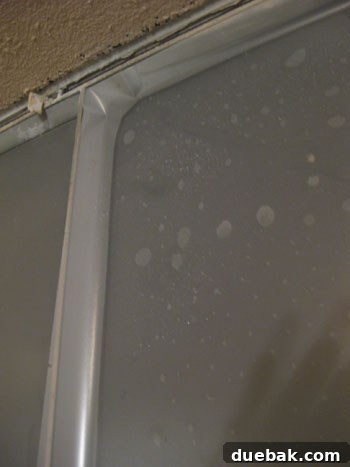
Step 5: Perfecting the Finish – Squeegeeing Out Bubbles
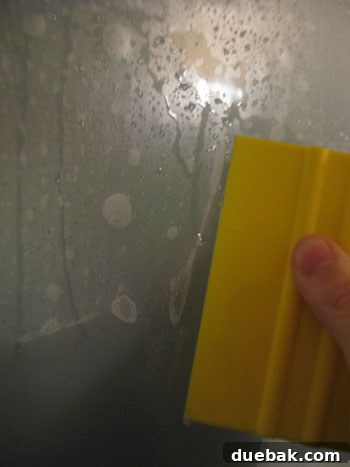
This is where your plastic squeegee tool truly becomes your best friend. The squeegee is absolutely essential for achieving that smooth, professional, bubble-free finish that makes the film appear as if it were original to the glass. Simply glide it firmly across the window film, starting from the center of the pane and working your way outwards towards the edges. The goal is to systematically push all the trapped application solution and air bubbles out from under the film. Use consistent, overlapping strokes and apply firm, even pressure. You’ll literally see the water and air being pushed to the edges, where they will magically disappear as they escape from under the film. Continuously wipe any excess solution that accumulates on the film or frame with a clean cloth.
Continue this squeegeeing process until you’ve removed as many bubbles as possible, aiming for a near-perfect, seamless appearance across the main body of the film. Don’t worry if the very edges still look a bit bubbled or don’t form a completely tight seal; these minor imperfections around the perimeter will be perfectly addressed and eliminated in the final trimming step. Focus on achieving a smooth, clear surface across the central viewing area of the window.
Step 6: The Final Touch – Trimming for a Flawless Edge
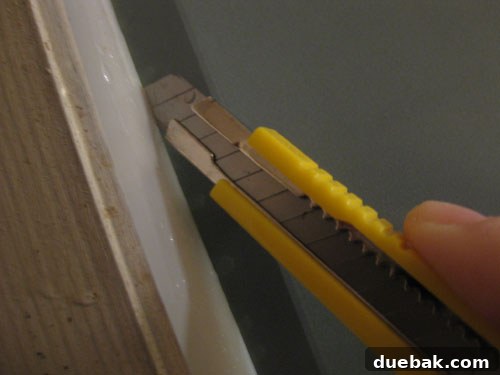
The final, critical step in achieving a truly professional and custom-fitted look is precisely trimming the excess film. This is where the initial oversized cut pays off significantly. Take your X-Acto knife (ours conveniently came in the $4 kit with the squeegee, a truly worthwhile investment for both essential tools) and carefully place the blade firmly into the crease between the edge of the window pane and the window trim. Using the window frame itself as a precise guide, slowly and steadily pull the knife along all four edges of the window. Maintain constant, firm pressure against the frame to ensure a perfectly straight and clean cut. This method results in a piece of frosted film that ends exactly where the window frame begins, creating a custom, factory-installed appearance that looks incredibly seamless. Once all four sides are trimmed, carefully peel away and discard the excess film.
And there you have it, friends! The process is surprisingly straightforward and immensely satisfying, especially when you have an extra person to help and embrace the “oversize and trim” method, which consistently yields the most professional and forgiving fit. We found it took us less than eight minutes per pane, allowing us to complete our entire basement window frosting project in under 40 minutes. For a mere $26 investment, we transformed our basement with a soft, frosted look that guarantees 100% privacy without obstructing the beautiful daylight, which is incredibly useful whether we’re searching for items, working on projects, or simply admiring our newly updated space.
Benefits of Window Frosting Film: Privacy, Light & Aesthetics
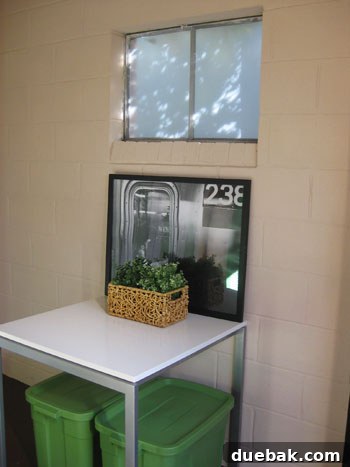
One of the most remarkable aspects of this frosted film is its absolute effectiveness in providing privacy. Regardless of the time of day, or the light levels inside or outside, you simply cannot see through it. This complete opacity is a huge relief, ensuring all that effort translates into genuinely effective privacy for your home. Yet, as the photos clearly show, the film allows ample natural light to stream into the room, creating a bright and inviting atmosphere rather than a dark and foreboding one. It diffuses direct sunlight, reducing glare while still maximizing brightness.
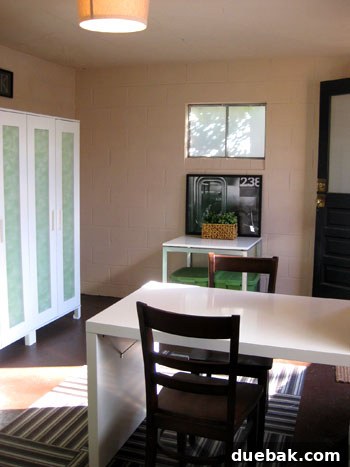
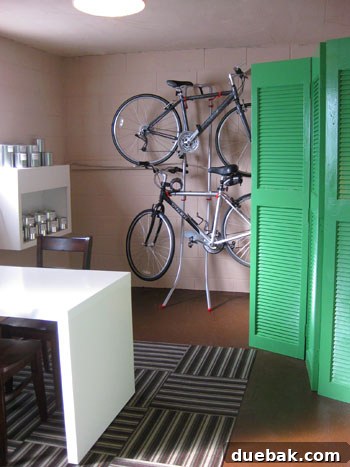
Our initial concern that the addition of frosted film might make the basement feel dark and spooky proved completely unfounded. The room remains bright and cheerful, proving unequivocally that privacy doesn’t have to come at the expense of natural light. This successful project now perfectly complements the other transformations we’ve meticulously undertaken in our basement. We can now fully appreciate the improved ambiance alongside our newly private windows, which seamlessly integrate with our other DIY endeavors, such as the efficient paint storage station, the space-saving vertical bike rack, and the cozy carpet square area rug.
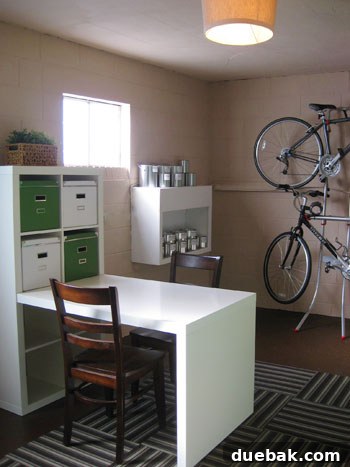
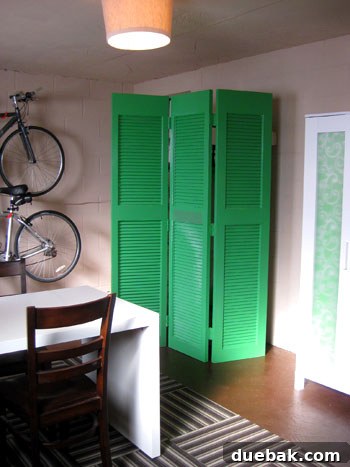
The updated look continues with the modern overhead light fixture, the ingenious DIY screen, and the cleverly obscured see-through armoires using wrapping paper. These projects, slowly and carefully accomplished over the past month and a half, collectively contribute to a truly transformed, highly functional, and aesthetically pleasing basement space, demonstrating the power of consistent DIY efforts.
Quick Tips for Success & Troubleshooting
To ensure your window frosting project goes as smoothly as possible, keep these expert tips in mind:
- Work with a Partner: For larger windows or those in awkward positions, an extra set of hands makes peeling the backing, spraying, and initial placement much easier and more controlled.
- Don’t Skimp on Cleaning: This cannot be overstressed. Any dust, lint, or debris trapped under the film will be permanently visible. Clean thoroughly, then clean again! A final wipe with a lint-free cloth is crucial.
- Generous Spraying is Key: The application solution is your absolute best friend. Don’t be shy with it, especially on the window surface and the adhesive side of the film. It provides the necessary lubrication (slip) to position the film perfectly and allows you time to work out bubbles.
- Master the Squeegee Technique: Always start from the center of the film and work your way out to the edges. Use overlapping strokes and apply firm, consistent pressure. Regularly wipe excess solution off the film and window frame with a clean, dry cloth to prevent streaks or drips.
- Dealing with Stubborn Bubbles: For persistent small bubbles that won’t budge with the squeegee, you can sometimes use a very fine pin or needle to prick a tiny hole at the edge of the bubble, then gently squeegee the air out towards the hole. However, careful initial application and thorough squeegeeing should minimize these.
- Take Your Time Trimming: A steady hand and a sharp utility knife against the window frame are paramount for achieving a clean, professional edge. Rushing this step can result in jagged lines or an uneven finish. Replace blades frequently for the sharpest cut.
- Always Read the Instructions: While this guide provides comprehensive steps, always refer to the specific instructions provided with your chosen window film. Brands can vary slightly in their recommendations for solution mixtures, drying times, and specific application methods.
- Consider a Test Piece: If you’re new to this, try a small scrap piece of film on an inconspicuous corner of a window or a spare piece of glass to get a feel for the process before tackling your main windows.
Wrapping Up Our Basement Transformation
With this comprehensive window frosting tutorial complete, we’re closing the door (pun intended!) on this phase of our basement overhaul. The impact of such a simple yet incredibly effective project is truly remarkable, transforming a previously exposed and somewhat neglected space into a private, bright, highly functional, and aesthetically pleasing area. This project exemplifies how small changes can lead to significant improvements in comfort and utility.
All that’s left is our upcoming basement roundup post, which will be filled with inspiring before-and-after photos illustrating the entire journey from start to finish, along with our always-anticipated budget breakdown detailing the complete cost of this latest major makeover. So, as we often say around here, stay tuned for more exciting updates and insights!
In the meantime, we’d absolutely love to hear from you! What window-related projects have you recently tackled or added to your home improvement to-do list? Are there any fellow frosting film enthusiasts out there with additional tips, tricks, or experiences to share? Do tell – your insights help our entire DIY community!
Continue Your Basement Transformation Journey:
Psst- Want to look back on our big basement makeover from start to almost-finished? Here’s the first post, the second post, the third post, the fourth post, the fifth post, the sixth post, the seventh post and the eighth post. Good times.