
One of the questions we hear most often is: “How do I figure out what style truly appeals to me? I like so many different things and can’t make a confident decision.” Here are three practical ways to overcome decorator’s block quickly and with minimal stress.
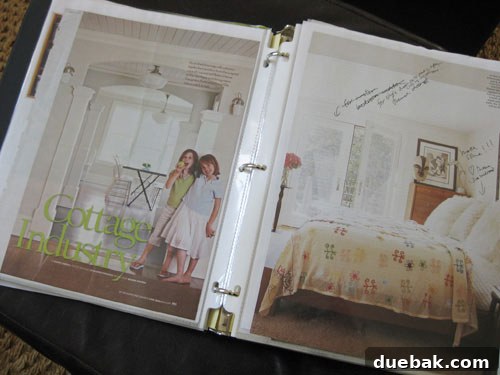
Tip #1. Collect inspiration images and look for shared patterns. We keep our favorite rooms organized in a binder with plastic sleeves, and that collection was essential for clarifying our aesthetic. Gather all the rooms and spaces you love—from magazines, websites, or your own photos—and then narrow them down to the 10–15 that truly stand out. Studying those favorites side by side will reveal recurring elements: color palettes, furniture finishes, textile choices, lighting styles, and the overall mood (high contrast, soft and dreamy, tone-on-tone, or bold pops of color).
Pay attention to details like wood tones, wall colors, furniture silhouettes, and the types of accessories that keep appearing. Maybe you’re always drawn to dramatic floor-to-ceiling curtains, dark velvet sofas, patterned rugs, or bright modern art. Perhaps your favorites share neutral backdrops with colorful accents, or a high-contrast look like dark floors and white walls. Even if the similarities aren’t obvious at first, looking closely will help you identify an underlying theme. This exercise is one of the most effective ways to define your style, so take your time and choose only the images that truly excite you. A smaller stack of genuine favorites is far more useful than a larger pile of lukewarm picks.
Once you’ve identified common elements, you can adapt those features to your own home—whether that means introducing similar paint tones, textiles, or furniture finishes. This method builds confidence and helps you create a cohesive, recognizable look for your spaces.
Tip #2. Try a few find-your-style quizzes. Style quizzes aren’t foolproof, but they’re quick to complete and can sometimes highlight a pattern you hadn’t noticed. Take a handful of reputable quizzes and see whether certain descriptors or combinations keep appearing. If a quiz pinpoints a specific direction that resonates, use that insight as a starting point rather than a strict rule.
Tip #3. Don’t get hung up on labels. Labels like “Elegant Classic” or “Cottage Meets Vintage” can be helpful if they keep you focused, but they aren’t required. We rarely define our style with a single phrase; instead, we recognize the materials and colors we keep returning to—capiz, jute, lots of white, sea-glass greens and blues, dark wood, bamboo blinds, and natural textures. If you prefer, use broad descriptors such as clean-lined, airy, breezy, beachy, modern, classic, or transitional. The exact label matters less than the consistency of the elements you choose.
Developing a clear sense of style doesn’t happen overnight. For us, it came from decorating in stages, experimenting, and learning from mistakes. Paint colors can be changed, and pillows, rugs, or window treatments can be swapped or returned. Often the choices that feel wrong teach you more about what you love. Don’t let indecision stop you—start somewhere. These three strategies will give you a roadmap and help you move toward a look that feels authentic and comfortable.
We’d love to hear your tips for discovering and refining a personal style. How did you figure out what works for your home?
For more decorating guidance, look for posts about avoiding indecision and creating layered, cohesive rooms rather than matchy-matchy or hodgepodge spaces.