
Mastering the Art of Room Painting: A Quick & Easy DIY Guide for Professional Results
Are you looking to refresh a room with a new coat of paint but dread the thought of an entire weekend consumed by the task? Many online tutorials suggest extensive preparation, leading to overwhelming feelings and delaying your DIY painting projects. We often receive questions like, “How do you achieve such great results in just a few hours?” and “What steps do you skip to save time without sacrificing quality?” Specifically, inquiries about floor protection, priming, and handling elements like outlet covers, curtain brackets, and light fixtures are common.
Here, we’ll demystify the process and share our tried-and-true method for tackling room painting projects efficiently and effectively. While this approach might not be universal, it’s how we consistently achieve beautiful, lasting results. We believe these practical tips and tricks will come in handy for anyone looking to paint a room with confidence and speed, transforming their living space without the usual hassle.
Our Proven Method for Efficient Room Painting
Achieving a professional-looking paint job quickly hinges on a few key principles: using the right tools, smart preparation, understanding paint properties, and efficient technique. Below are our top tips that streamline the process and deliver stunning outcomes every time.
Essential Tips for a Flawless Paint Job
Tip #1: Investing in Quality Tools for a Superior Finish
The foundation of any successful paint job lies in the quality of your tools. For smooth, flat walls, we highly recommend investing in high-quality rollers. They ensure an even application and a consistent finish. If your walls have texture, make sure to choose a roller nap specifically designed for textured surfaces to get proper coverage and avoid uneven patches. When it comes to detailed work, such as cutting in around windows, trim, ceilings, baseboards, and accessing tight corners where a roller can’t reach, a reliable angled brush is indispensable. We particularly favor brushes that offer excellent control for creating sharp, clean lines.
While many internet tutorials emphasize painter’s tape, we often skip it for general room painting. This isn’t to say tape is bad; for beginners or those seeking extra precision, it’s a valuable tool. However, with practice, a high-quality angled brush provides incredible control, allowing us to achieve crisp edges faster than taping and untaping. For extremely tight spots, like painting behind a toilet or radiator, a short-handled brush becomes your best friend, offering maneuverability in confined spaces. Good tools not only make the job easier but also contribute significantly to the overall quality and longevity of your paint finish, preventing issues like brush marks or roller lint.
Tip #2: Strategic Preparation – What to Remove and What to Paint Around
Proper preparation is crucial for a truly professional look. We never remove trim or baseboards for painting; instead, we focus on achieving clean lines where they meet the wall. However, for a truly seamless finish, we almost always remove outlet covers and light switch covers. Painting around these can leave noticeable edges or even get paint on the covers themselves, which detracts from the finished aesthetic. While it might seem like an extra step, taking a few minutes to unscrew them ensures a perfectly painted wall underneath, making reinstallation simple and clean.
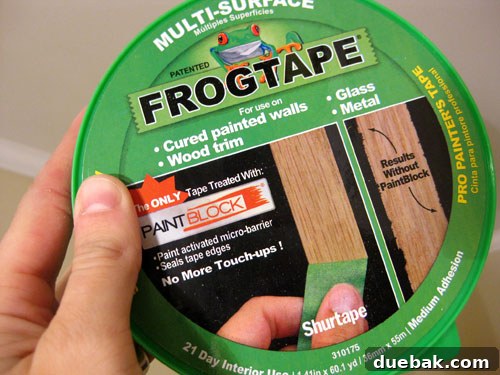
When it comes to curtain brackets, our approach is different. We typically leave them in place to avoid the risk of creating a looser fit when re-hanging the curtains in the same holes. Instead, we remove the curtain panels themselves and carefully paint around the bracket area using our precise short-handled brush. For those who might be less confident with a steady hand, blue painter’s tape or Frog Tape can be used to mask off the brackets, ensuring no accidental paint transfer. The same careful approach applies to light fixtures. We remove any removable pendants or shades and meticulously paint around the canopy or base of the fixture, guaranteeing a clean, uninterrupted wall color without having to completely disassemble electrical components. This balance of strategic removal and careful painting saves time while maintaining a polished result.
Tip #3: The Truth About Priming and Achieving Perfect Coverage
The question of whether to prime or not is a common one. Our rule of thumb is simple: we skip primer unless absolutely necessary. Primer is essential in specific situations, such as when you’re painting over extremely dark or highly saturated walls (think chocolate brown or ruby red) with a lighter color. It’s also crucial if you’re dealing with surfaces that could bleed through, like unfinished wood paneling, which may have oils or stains that need to be sealed before painting. In such cases, an oil-based primer is typically required to create an effective barrier. You can find detailed guides on painting wood paneling and even painting brick if those apply to your project.
However, for most standard wall repaints – especially when transitioning between not-too-bright or saturated colors – primer is often an unnecessary extra step. Instead, we rely on applying two thin, even coats of high-quality latex paint. In very rare instances, a third coat might be needed for absolute perfection. As for paint brands, Behr and Benjamin Moore are consistent favorites due to their excellent coverage and durability. We also frequently color-match favorite shades from Valspar or Glidden to these trusted bases. Furthermore, we’ve had great experiences with low-VOC or no-VOC paints, such as Mythic’s No-VOC for a nursery, Olympic’s No-VOC in a bathroom, and Home Depot’s Freshaire paint (in semi-gloss off-the-shelf white) for trim and doors throughout our home. Choosing the right paint finish – flat, satin, eggshell, semi-gloss – is also critical for both aesthetics and durability in different areas of your home. You can explore more about picking the right paint finish for your project.
Tip #4: Protecting Your Floors: Our Approach vs. What You Should Do
This tip is often our most “controversial” but speaks to our experience. After years of constant painting, we personally no longer use extensive drop cloths when painting rooms with our sealed wood floors. Our experience has taught us precision, and any rare drips can be quickly wiped away before drying without issue. We understand this isn’t the norm, nor is it recommended for beginners.
For everyone else, especially those new to painting or working with carpeted or unsealed floors, floor protection is non-negotiable. We strongly advise using something like a plastic tarp from a home improvement store or large pieces of cardboard to cover and protect your floors. Plastic tarps offer excellent liquid protection and are affordable, though they can be slippery. Canvas drop cloths are more durable, less slippery, and reusable, making them a great long-term investment. Cardboard is excellent for creating a central workstation under your paint cans and tray, absorbing spills effectively. It’s far easier and less stressful to prevent paint drips from reaching your floors than to try and clean them up afterward. A small spill can quickly become a big headache, so play it safe and protect your surfaces.
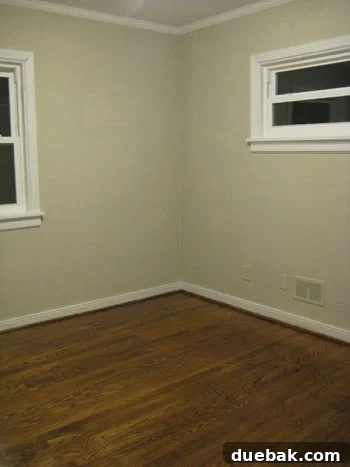
Step-by-Step Room Painting Process: From Prep to Perfection
Now that we’ve covered our essential tips, let’s walk through our streamlined, step-by-step process for painting a room. This method is designed to be efficient, minimize mess, and deliver beautiful results.
Step 1: The Critical First Impression – Choosing Your Perfect Paint Color
The journey to a beautifully painted room begins with color selection. We recommend bringing home a variety of paint swatches and taping them directly onto your walls. Observe them over several days, noting how they appear in different lighting conditions – natural daylight, overcast skies, and artificial evening light. Colors can change dramatically depending on the light, so this step is crucial to avoid disappointment. Once you’ve confidently selected your winner, head to the home improvement store to purchase your paint. We typically opt for a gallon of flat or satin finish, depending on the room and desired aesthetic. Remember to consult our guide on picking the right paint finish for more insights.
Step 2: Gathering Your Arsenal – Essential Tools Checklist
Before you even leave the store, or before starting your project, double-check your tools. Ensure you have at least one high-quality roller (Purdy ones are a favorite for smooth surfaces), a clean 2-inch angled brush for cutting in (again, Purdy or the Sherwin Williams brand we often link to are excellent choices for trim painting), and a clean paint tray. Additionally, you’ll want a stir stick, rags for quick clean-ups, and a screwdriver to remove outlet/switch covers. Having all your tools ready and clean prevents interruptions once you start painting.
Step 3: Preparing Your Canvas – Clearing and Cleaning the Room
Upon returning home with your chosen paint and tools, the next crucial step is preparing the room. This involves thoroughly clearing the space. Remove all furniture, rugs, wall art, and curtains. If furniture is too large to move out, push it to the center of the room and cover it completely with plastic sheeting or drop cloths to protect it from paint splatters. Once the room is clear, take a moment to dust and clean the walls. A quick wipe-down with a damp cloth can remove grime and cobwebs, ensuring optimal paint adhesion and a smoother finish.
Step 4: Setting Up Your Efficient Workstation
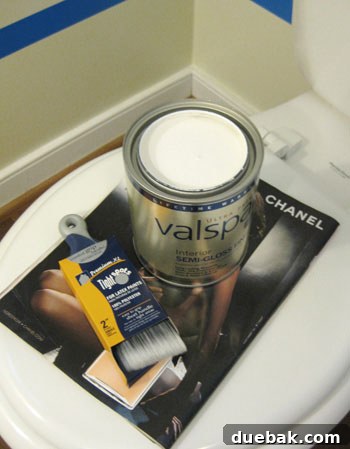
To minimize trips and keep your workspace tidy, establish a central workstation on the floor. Our preferred method, despite our minimal floor protection, involves laying out a large, heavy-duty black garbage bag (the giant leaf-bagging kind, not small kitchen bags) or a large piece of cardboard. This area serves as the designated spot for your paint tray, the paint can with its lid, and a few rags for immediate drip wipe-up. This centralized setup allows for easy access to all your essentials, keeping everything contained and preventing accidental spills across the room. If your floors are carpeted, ensure your chosen floor protection extends well under the baseboards to catch any rogue drips.
Step 5: Perfecting Your Paint – Stirring and Pouring
Before you begin, ensure your paint is properly mixed. If you’ve just picked it up from the store, it’s likely already been shaken, but a quick stir with a paint stick to redistribute pigments and ensure an even consistency is always a good idea. Then, carefully pour the paint into your paint tray, which should be placed securely on your designated workstation (the garbage bag or cardboard). Don’t overfill the tray; a manageable amount is easier to work with and reduces the risk of spills.
Quick tip: Maximizing Paint Usage and Minimizing Mess
For easier clean-up and to ensure you use every last drop of paint, take a nail and hammer a few holes around the inner lip of the paint can lid. This simple trick allows any excess paint that collects in the lid’s groove to drip back down into the can, rather than pooling and drying, which can make sealing the can difficult and messy later.
Step 6: The Art of Application – Rolling and Cutting In
This is where the magic happens! We often work as a team for efficiency. One person (John, in our case) takes on roller duty, applying thin, even coats of paint to the main wall surfaces. He uses large “W” shapes, overlapping slightly, to ensure seamless coverage and avoid visible roller marks. The other person (me) focuses on cutting in with the short-handled 2-inch angled brush. This involves carefully painting around all trim, baseboards, ceiling moldings, and into corners that the roller can’t reach. Precision is key here; a steady hand and a good brush create those crisp, professional lines without needing painter’s tape. By working in tandem, the room comes together quickly and smoothly, as one person covers large areas while the other meticulously handles the details.
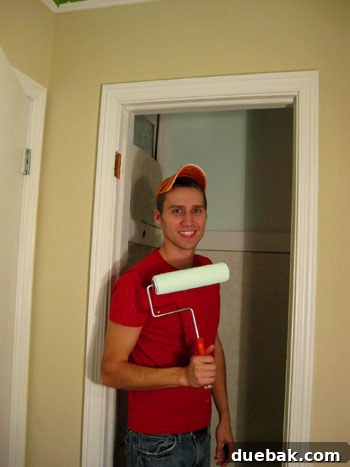
Step 7: The All-Important Second Coat and Drying Time
As soon as the first coat is complete, we typically find that the areas we started on are dry enough to begin the second coat. Our plaster walls almost always require two coats for full, opaque coverage, regardless of the paint brand. The key is to allow adequate drying time between coats for proper adhesion and a smooth finish, but not so long that your tools dry out. If it’s an especially humid day or if the paint feels slightly tacky, we recommend waiting approximately 30-45 minutes before applying the second coat. This ensures the paint has set properly, preventing it from pulling up or leaving uneven textures.
Quick tip: The Secret to a Fast Finish
The secret to completing a paint job quickly, usually within a few hours, is to apply the second coat while you still have momentum and while your tools are still wet. This minimizes downtime and eliminates the need to wash or replace your roller and brush between coats, significantly speeding up the entire process. This “no lag time” approach keeps your energy high and gets the job done faster.
Step 8: Post-Painting Ritual – Immediate Cleanup is Key
Once the second coat is applied (and you’re satisfied with full coverage, which is almost always the case with our method), immediate cleanup is paramount. Don’t procrastinate! Washing your brushes and rollers right away prevents paint from drying on them, keeping your equipment in excellent condition for future projects. Nothing is worse than discovering ruined brushes or paint-filled, hardened trays the next morning. Getting the cleanup done immediately allows you to truly relax and enjoy your newly painted space without the dread of a lingering chore. You’re in the home stretch, so push through this final step!
Step 9: Caring for Your Tools and Tidy Disposal
For latex paint, cleaning brushes and rollers is straightforward – simply use water. Some painters prefer to meticulously wash and reuse their tools for years, while others opt to toss them after each project. We choose a middle ground: we wash our quality brushes and rollers, ensuring they are thoroughly clean. For paint trays, we utilize inexpensive, recycled biodegradable ones, which can simply be tossed in the trash after pouring any remaining paint back into its can. Proper disposal not only keeps your tools in good shape but also contributes to a cleaner environment.
Quick tip: Achieving Crisp Lines – When to Remove Painter’s Tape
If you did use painter’s tape or Frog Tape for masking, the timing of its removal is crucial for crisp lines. We highly recommend removing the tape as soon as you finish painting, while the paint is still wet. Seriously, pull that tape off the moment you put down your brush! If you wait for the paint to dry onto the tape, there’s a higher risk of the paint peeling along with the tape, resulting in jagged edges and a less clean line than you’ll get if you peel it while it’s still wet and flexible.
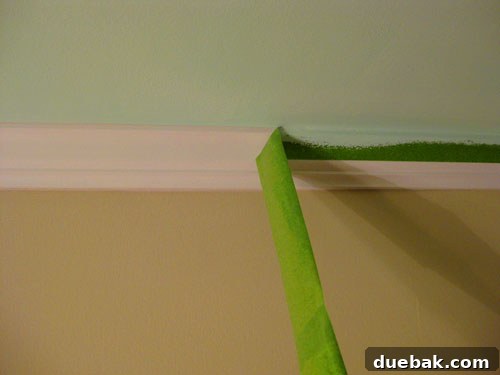
Step 10: The Grand Reveal – Reassembling Your Newly Painted Room
With the painting complete and cleanup handled, the final step is to reload the room with your furniture and accessories. Allow for adequate drying time before placing heavy items against the walls, typically 24-48 hours, though the paint will be dry to the touch much sooner. Our method, from the moment we return home with paint and supplies to the final touch, usually takes us around 2-3 hours with a painting partner. Even when tackling a room solo, we’ve found it takes approximately 4 hours to achieve fantastic results. You’ll be amazed at how quickly you can transform a space and how rewarding it feels to step back and admire your handiwork.
Conclusion: Empowering Your DIY Painting Journey
Painting a room doesn’t have to be an overwhelming, weekend-long ordeal. By adopting these efficient tips and a streamlined process, you can achieve professional-looking results in just a few hours. We hope our method empowers you to tackle your next DIY painting project with confidence, speed, and precision. You truly can do it!
Do you have your own tried-and-true painting tips? We’d love to hear them! Share your wisdom and help fellow DIY enthusiasts on their journey to beautifully painted homes.
Psst- Have other painting questions or looking for more inspiration? Check out the comprehensive painting section of our Projects page, which is packed with extra information, ideas, and solutions for all your painting needs.