
Sketch, Rendering, Reality: Unveiling the Masterful Journey of Interior Design
When embarking on the fascinating world of interior design, many are initially captivated by the final outcome—the beautiful, functional space. However, the intricate process required to transform a fleeting idea from a designer’s mind into a tangible, inviting environment is often overlooked, yet profoundly compelling. This journey, a blend of art and science, demands meticulous planning, creative visualization, and precise execution.
We are thrilled to delve into this transformative process through the remarkable work of Kadie, an acclaimed lead designer at Noah’s and an insightful blogger behind 3 Point Perspective. Kadie recently spearheaded the design and completion of a sophisticated reception center located in Irving, Texas, a project that beautifully exemplifies the evolution from initial concept to stunning reality.
Her work offers a unique window into the professional design workflow, illustrating how critical each stage—from the nascent sketch to the photorealistic rendering, and finally, the construction of the actual space—is in achieving a cohesive, impactful, and client-satisfying result. Join us as we explore the three pillars of design realization: Sketch, Rendering, and Reality.
The Genesis: Sketch
Every grand design begins with a single, often spontaneous, mark. The sketch phase is the birthplace of ideas, a vital stage where designers translate abstract thoughts and client briefs into a preliminary visual language. Far from being mere doodles, these initial drawings are critical tools for brainstorming, exploring spatial relationships, and quickly iterating on various design concepts without significant investment.
Kadie’s initial sketch for the Irving, Texas reception center reveals the foundational elements of her vision. In this raw, expressive form, she captures the essence of the space: its proposed layout, major architectural features, and the intended flow. A sketch allows for unparalleled freedom and flexibility; it encourages experimentation with different perspectives, scales, and conceptual ideas. It’s an exercise in visual thinking, enabling the designer to understand the volume and potential of a space before diving into intricate details.
For the client, a sketch serves as the first tangible representation of their dream. It opens a dialogue, allowing them to provide early feedback and ensure the design direction aligns with their expectations. It’s about broad strokes and grand ideas, laying the groundwork for what will become a fully realized environment. This initial visualization is indispensable for defining the project’s core identity and ensuring a shared understanding of the design intent.
The Refinement: Rendering
Once the foundational concepts are established through sketching, the design journey moves into a more sophisticated realm: rendering. This stage represents a crucial leap from conceptual drawings to highly detailed, photorealistic visualizations. Architectural and interior design renderings are powerful tools that transform two-dimensional ideas into immersive three-dimensional experiences, offering an unparalleled preview of the finished space.
Kadie’s rendering of the reception center meticulously builds upon the initial sketch, introducing a wealth of detail that was impossible to convey in a hand-drawn perspective. Here, we observe the interplay of proposed materials, the specific color palette, the impact of natural and artificial lighting, and the precise arrangement of furniture and decor. State-of-the-art 3D modeling and rendering software allow designers to simulate various conditions, ensuring that every element—from the texture of the flooring to the glow of ambient light—is considered and refined.
The benefits of high-quality renderings are manifold. For clients, they offer an almost lifelike representation of the final space, allowing them to visualize themselves within it and make informed decisions before any physical construction begins. This significantly reduces the risk of costly changes during the build phase. For designers, renderings serve as an invaluable validation tool, helping to identify potential design flaws, optimize spatial functionality, and experiment with different finishes and styles to achieve perfection.
In the context of a reception center, the rendering plays a pivotal role in communicating the intended atmosphere and brand identity. It allows stakeholders to fully appreciate how the space will feel, how visitors will interact with it, and whether it aligns with the desired professional and welcoming environment. This detailed visualization phase is where the design truly comes to life on screen, setting a clear, exciting benchmark for the upcoming construction.
The Realization: Reality
The ultimate goal of any design project is its successful physical manifestation. The “Reality” phase is where the concepts, plans, and visualizations culminate into a tangible, functioning space. This stage involves complex project management, collaboration with contractors and suppliers, meticulous attention to detail, and often, navigating unforeseen challenges. Yet, it is also the most rewarding, as a dream transforms into a living environment.
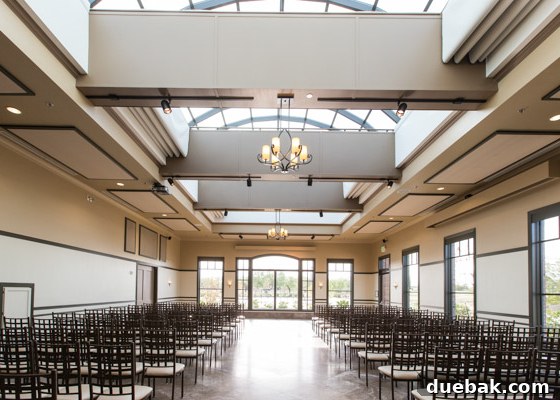
Kadie’s reception center in Irving, Texas, stands as a testament to diligent planning and impeccable execution. The completed project not only echoes the detailed renderings but often surpasses expectations, demonstrating the transformative power of professional interior design. Let’s examine the stunning reality through these captivating images:
The main reception area greets visitors with an air of sophisticated welcome. The chosen materials, from the flooring to the wall finishes, mirror the quality and aesthetic promised in the renderings. Furniture arrangements are practical yet stylish, facilitating comfort and efficient movement. The lighting scheme, carefully planned in the rendering stage, now bathes the space in an inviting glow, highlighting architectural features and creating a warm ambiance.
A second perspective of the completed room further emphasizes the meticulous detail. Notice how the spatial configuration encourages interaction while maintaining privacy where needed. The careful selection of textures and patterns adds depth and visual interest without overwhelming the senses, creating a balanced and harmonious environment ideal for a reception setting. Every element contributes to a cohesive narrative, speaking to Noah’s brand identity and welcoming ethos.
A closer look at specific architectural details, such as these sophisticated beams, showcases the commitment to craftsmanship and the successful translation of design intent into physical form. These structural elements are not merely functional but contribute significantly to the aesthetic appeal, adding character and a sense of refined elegance to the overall space. Such details, often envisioned early in the sketch phase and elaborated in the rendering, are flawlessly executed here.
Even functional elements like window treatments are integrated seamlessly into the design. When closed, these blinds offer privacy and light control without detracting from the room’s sophisticated aesthetic. Their texture and color complement the wider scheme, demonstrating Kadie’s holistic approach to design where every component, no matter how small, plays a vital role in the overall impact and functionality of the space.
The Power of a Unified Design Process
The journey from an abstract concept to a fully functional and aesthetically pleasing physical space is an intricate dance of creativity, precision, and collaboration. Kadie’s work on the Noah’s reception center in Irving, Texas, perfectly encapsulates this dynamic process, underscoring the indispensable role of each stage: the freedom of the initial sketch, the detailed clarity of the 3D rendering, and the satisfying culmination in the built reality.
This comprehensive workflow not only ensures that the final outcome aligns perfectly with the client’s vision and functional requirements but also mitigates risks and optimizes resources. It’s a testament to how professional interior designers transform raw ideas into environments that truly enhance human experience and reflect an organization’s identity.
Through projects like this, we gain a deeper appreciation for the meticulous thought, innovative tools, and expert craftsmanship that bring exceptional interior designs to life. Whether you’re planning a commercial space or a residential sanctuary, understanding this journey from sketch to reality illuminates the immense value that skilled design professionals bring to every project.