

In an era where financial prudence has become more vital than ever, the journey toward savvy saving and mindful spending is one many are embarking on. Like countless others, my partner John and I have embraced a lifestyle of intentional thriftiness. While we’ve always been quite economical – often opting to share an appetizer and entrée at a restaurant or diligently using coupons for routine services – the current economic climate makes it imperative to maximize every dollar. This commitment has led us to refine a collection of effective, everyday penny-pinching habits over the years. We’re excited to share these tried-and-true strategies that not only bolster our savings but also enrich our lives by fostering resourcefulness and appreciation for what we have.
Mastering the Art of Frugal Living: Our Top Money-Saving Strategies
Embarking on a journey of financial independence requires creativity, discipline, and a willingness to challenge conventional spending habits. John and I have discovered that significant savings don’t always come from drastic measures, but rather from consistent, small adjustments to our daily routines. These practices have not only saved us thousands annually but have also instilled a deep sense of financial security and freedom. Here’s a detailed look at our time-tested methods for living frugally without sacrificing quality of life.
1. Embracing DIY Haircuts for Significant Savings
One of our longest-standing and most surprisingly effective money-saving rituals involves me cutting John’s hair. This tradition began years ago, even before we started dating, when I honed my skills on his roommate. What started as a casual favor quickly evolved into a fun, regular practice that saves us a considerable amount of money. Armed with a simple, inexpensive pair of hair-cutting scissors from a local drugstore – no fancy electric razors needed – I’ve managed to perfect a style that consistently earns John compliments. These enthusiastic remarks not only keep me grinning but also ensure John happily returns to my barber’s chair in our den. Beyond the financial benefit, there’s a unique satisfaction in knowing we can handle this common expense ourselves, and it’s become a small, intimate part of our routine. It’s a testament to how simple skills can yield surprising long-term benefits.
Our approximate annual savings from this habit: $140. You can read more about how I cut John’s hair here.
2. Thriving with a Single-Car Household
While a two-car setup is common, we’ve found immense financial freedom in maintaining a single vehicle. This arrangement might not suit everyone, especially those with long commutes or complex schedules. However, thanks to my work-from-home setup and almost a decade of living car-free in NYC before that, it’s become a cornerstone of our savings strategy. Having just one car drastically reduces expenses associated with fuel, insurance, maintenance, and registration. We further optimized this by purchasing our used Maxima outright with cash, eliminating any monthly car payments. This significantly reduces our fixed costs and frees up substantial funds that would otherwise be tied to vehicle ownership. It also encourages us to walk or bike more, contributing to both our health and environmental consciousness. This choice has not only saved us money but also simplified our lives, allowing us to focus on what truly matters.

Our approximate annual savings from owning one car: $1000-$2000+.
3. Maximizing Entertainment Value with Streaming Services and At-Home Activities
In today’s digital age, entertainment costs can quickly add up. While we enjoy a monthly trip to the cinema, we predominantly rely on smart streaming habits to keep our entertainment budget in check for the rest of the month. In the past, this meant a steady supply of DVDs, but now we leverage streaming platforms to provide instant access to a vast library of films and shows. This is especially beneficial during colder months when staying in is more appealing than braving the elements and higher costs of going out. A key strategy for us is to watch entire seasons of premium channel shows through these services, effectively allowing us to enjoy critically acclaimed programming without paying for expensive HBO or Cinemax subscriptions directly. Beyond passive viewing, we also utilize streaming for active entertainment, like yoga videos. Practicing yoga together three times a week at home is not only a fantastic way to stay fit but also significantly cheaper than frequenting a studio. This multi-faceted approach ensures we’re always entertained and active without breaking the bank.
Our approximate annual savings on entertainment: at least $300.
4. Investing in Guaranteed Plants for Sustainable Gardening
For gardening enthusiasts, the cost of replacing plants that don’t thrive can quickly accumulate. Our solution is simple yet effective: we purchase 95% of our bushes, perennials, shrubs, and even indoor plants from major retailers like Lowe’s and Home Depot. The significant advantage here is their robust guarantee, typically covering plants for up to a year. This means if a finicky fern decides to turn brown a couple of weeks after planting, we can return it for a full refund or exchange, losing not a single dime. This strategy provides immense peace of mind, especially when experimenting with new species or dealing with unpredictable weather conditions. It allows us to beautify our home and garden without the financial risk often associated with plant purchases, ensuring our green spaces remain vibrant and our budget intact. It’s a smart way to ensure every plant purchase is a successful long-term investment.
Our approximate annual savings from guaranteed plant purchases: around $80 (factoring in that about one in ten plants might not make it, given our extensive gardening).
5. Streamlining Finances with Online Bill Payments
In an increasingly digital world, paying bills online is a simple habit with multiple benefits. For us, it’s not just about convenience; it’s a crucial aspect of security and efficiency. By paying every single bill online, we significantly reduce the risk of identity theft, as mailboxes are a common target for crooks looking for personal financial information on outgoing mail. Furthermore, this paperless approach saves us a considerable number of stamps over the year, reducing a recurring small expense that adds up over time. Beyond the direct savings, it also cuts down on paper waste, making it an environmentally friendly choice. The ease of setting up recurring payments and instant payment confirmations also means fewer missed deadlines and less stress, contributing to a more organized and secure financial life.
Our approximate annual savings in stamps alone: around $40.
6. The Power of a Zero Balance: Living Debt-Free
One of the most impactful financial habits we maintain is living almost entirely debt-free. With the sole exception of our mortgage, we ensure that we carry absolutely no debt from month to month. This means our credit card balances are paid in full every single month, preventing us from ever paying a dime in interest. This isn’t because we’re wealthy; quite the contrary. It stems from a deep-seated aversion to paying those greedy credit card companies unnecessary interest. Understanding the power of compound interest working against you when in debt is a strong motivator. By avoiding consumer debt, we not only save hundreds, if not thousands, in annual interest payments but also gain immense financial flexibility and peace of mind. This discipline allows us to allocate more of our income towards savings, investments, or experiences, rather than towards servicing past purchases. It’s a foundational principle of our financial well-being, enabling other savings strategies to flourish.

Our approximate annual savings from avoiding interest payments: anywhere from $300 up (considering the average American pays significant interest on revolving debt).
7. Curating a Home with Affordable Decor and Furnishings
Creating a stylish and comfortable home doesn’t require a lavish budget; it demands patience, creativity, and smart shopping. Our house is a testament to this philosophy, filled with classic, neutral pieces chosen for their longevity and versatility. While everything appears cohesive and well-appointed, nearly every item has been acquired on sale, often with the added benefit of free shipping. Our strategy involves a blend of high-value purchases from discount retailers and carefully selected splurges. For instance, while our Pottery Barn sofa in the den was an investment, the majority of our furnishings come from places like Target (TV stand, ottomans, dining set), HomeGoods (accessories), West Elm (duvet and mirror on clearance), JC Penney (rug), Ikea (side tables, frames, sheepskins), Lowe’s (lamps, rugs), and local thrift stores or garage sales (sunroom table, coffee table, armchair, fireplace screen). We also embrace hand-me-downs, which bring character and history to our space. This approach allows us to achieve a desired aesthetic without ever paying full retail price, making home decoration an exciting treasure hunt rather than a financial burden. It’s about being deliberate and seizing opportunities for great deals.
Our approximate annual savings on home decor: $1000+.
8. Smart Fashion Choices: Dressing Stylishly on a Budget
Our approach to clothing mirrors our home decor philosophy: quality pieces acquired at unbeatable prices. John, a fan of brands like J Crew, Banana Republic, and Kenneth Cole, rarely pays full price. His wardrobe is a collection of finds from sale racks or discount stores like Marshall’s, where patience and a keen eye can uncover true treasures. Similarly, I prioritize value and style, purchasing Nine West shoes at DSW, BCBG dresses at Marshall’s, and everyday essentials from the sale racks at The Limited, Old Navy, or Target. My personal best score remains a stunning pair of green Roberto Cavalli sandals, found for just $50 at DSW. This strategy proves that you don’t need to compromise on style or quality to be budget-conscious. It’s about strategic shopping, knowing where to look, and being willing to wait for the right deal. This not only saves money but also promotes a more thoughtful, less impulsive approach to fashion, resulting in a wardrobe of beloved pieces rather than fleeting trends.
Our approximate annual savings on clothing: $300+.
9. Utilizing Reusable Bags for Eco-Friendly Grocery Shopping
Even the smallest habits can contribute to both financial and environmental well-being. A simple example is our commitment to bringing fabric eco-bags to the grocery store. Our local store offers a modest 5-cent credit per bag, and since we typically bring around four, these small credits add up over time. While the annual savings might seem negligible at approximately $5, the primary motivation extends beyond just the monetary benefit. This habit significantly reduces the amount of single-use plastic and paper bags that end up in landfills or recycling bins, aligning with our broader commitment to sustainability. It’s a small but consistent action that reflects a mindful approach to consumption and helps cultivate a greener lifestyle. This simple practice sets the tone for our broader grocery-saving strategies.
10. Harnessing the Power of Bulk Buying at Wholesale Clubs
For essential pantry staples and non-perishables, wholesale clubs like Costco are invaluable. Our routine involves a strategic trip to stock up on items that offer significant per-unit savings when purchased in larger quantities. For instance, we might grab five double-boxes of cereal and a giant box of Ronzoni Healthy Harvest spaghetti, which can last us well over two months. This bulk purchasing allows us to buy cereal for around $5 per two boxes, compared to $3.50 for a single box at a regular grocery store, leading to substantial annual savings on these items alone. When factoring in other bulk purchases, our total annual savings from this strategy become quite impressive. Furthermore, we secure a discounted annual membership through John’s office for just $15, making the yearly fee a trivial expense given the benefits. This method optimizes our grocery budget and reduces the frequency of shopping trips.
Our approximate annual savings from bulk purchasing: $125 or more.
11. Minimizing Grocery Trips to Combat Impulse Purchases and Food Waste
A significant portion of our grocery budget is saved by simply reducing the frequency of our shopping trips. We aim to visit the supermarket as infrequently as possible, typically twice a month or even less. We’ve learned that each trip to the grocery store carries the risk of impulse purchases – those unnecessary items that often aren’t good for us or our wallets. By cutting down on these spontaneous visits, we drastically reduce impulse buys. This strategy also forces us to be more creative and diligent in using the food we already have at home. Instead of accumulating forgotten cans and ingredients at the back of our shelves, we plan meals around our existing stock. This mindful approach not only saves money by preventing wasteful purchases but also minimizes food waste, ensuring that every ingredient we buy is utilized effectively. It promotes meal planning and intentional consumption, which are key pillars of frugal living.
Our approximate annual savings from less frequent food shopping: $200.
12. Hosting an Annual Garage Sale for Earnings and Decluttering
Beyond saving money, we actively seek opportunities to generate extra income through sustainable practices. Our annual garage sale is a prime example. It’s the ultimate form of recycling, giving new life to items we no longer need while simultaneously decluttering our home. More importantly, it’s a remarkably effective way to earn cash. Last year, our single morning sale yielded approximately $425, which is a fantastic return for an activity that requires just a few hours of effort once a year. This practice reinforces the idea that what might be clutter to one person can be a treasure to another. It encourages us to regularly assess our belongings, promoting a minimalist mindset and ensuring that our home remains organized and free of unnecessary items. It’s a win-win situation for our wallets and our living space.
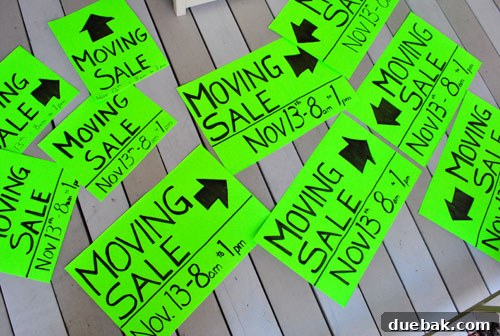
Our approximate annual earnings from garage sales: $425.
13. Becoming Thermostat Freaks: Optimizing Home Energy Consumption
Managing our home’s thermostat settings is one of the most impactful ways we control our utility bills. We’ve adopted a disciplined approach to heating and cooling that prioritizes energy efficiency without sacrificing comfort entirely. In winter, we keep our house at a cozy 69 degrees Fahrenheit when we’re home and actively awake, dropping it to 63 degrees when we’re out or asleep. During the summer, the thermostat is set to 74 degrees during the day and rises to 79 degrees when we’re away or sleeping. While there might be a rare moment of slight discomfort, like when our dog briefly wakes us in the middle of a very warm night, the consistent savings throughout the year far outweigh these minor inconveniences. Our programmable thermostat ensures that the house is comfortably warm or cool by the time we wake up or return home. Additionally, we leverage a gas fireplace in the den on colder evenings for a little extra warmth and ambiance, often accompanied by a big fluffy blanket, reducing reliance on the central heating system. This strategic management significantly reduces our heating and cooling costs, contributing to both our budget and environmental responsibility.
Our approximate annual savings on energy bills: $200.
14. Engaging in Magazine Swaps and Maximizing Library Resources
Accessing literature and entertainment doesn’t have to be an expensive habit. Instead of subscribing to a multitude of magazines, my friends and I have established a system of magazine swaps. Each of us subscribes to a few different titles, and then we circulate them amongst ourselves until everyone has had a chance to read each one. This collaborative approach saves us considerable money and also conserves paper. Once we’re all finished, I donate the stack of glossy magazines to a local bookstore that offers them to customers for free, extending their lifecycle even further. Beyond magazines, John and I are avid users of our local library cards. We borrow books, movies, and other media for free, rather than buying items we’ll only use once. For a pleasant, low-cost outing, we also enjoy relaxing at Barnes & Noble for a few hours each week. There, we can leaf through books and magazines for free while enjoying a single, affordable sprinkle cookie (our only splurge at $2) and complimentary water with lemon. These habits demonstrate that enriching our minds and entertaining ourselves doesn’t have to come with a hefty price tag.
Our approximate annual savings on reading materials and casual outings: $80.
15. A Foundational Commitment to Frugality as a Way of Life
Ultimately, our ability to implement these money-saving strategies stems from a deeply ingrained personal philosophy: we are, at our core, generally frugal individuals. This isn’t a temporary phase; it’s a lifestyle that influences countless decisions, big and small. Perhaps this explains why we consistently recommend sale items in our mood boards, regardless of a client’s budget, and why we’re always seeking out cost-effective DIY solutions for home decor instead of expensive alternatives. It’s why we habitually hunt for coupon codes, prefer brewing our own chai tea over Starbucks, and treat online marketplaces like Craigslist and Freecycle as valuable resources. We also diligently stockpile those Bed Bath & Beyond 10% off coupons, recognizing the cumulative power of small discounts. We are grateful that both our families instilled this value in us early on – John’s dad is affectionately known as “El Cheapo,” and my dad as “The Dollar General.” Even in times when pinching pennies might not have been considered “cool,” we steadfastly stuck to our guns, often splitting an entrée in front of high-rolling friends. This unwavering commitment to frugality isn’t about deprivation; it’s about being resourceful, making informed choices, and understanding the true value of every dollar.
Our approximate annual savings from general frugal practices: $100.
The Cumulative Impact of Mindful Spending
John and I are profoundly aware of how fortunate we are to be aligned on our financial principles. Our shared belief that “a penny saved is a penny earned” drives our collective efforts. When we tally up all the approximate annual savings from these habits, the grand total is an impressive $4,793. This figure is far from insignificant; in essence, it’s akin to receiving a tax-free $5,000 raise each year. This substantial financial cushion has been one of the pivotal factors enabling me to dedicate myself to running this blog full-time, a dream that might otherwise have been out of reach. We are incredibly thankful for the power of smart saving and the doors it has opened for us.
Now, we turn the question to you, our readers. What are your most effective tips and tricks for saving a little dough? We’d love to hear your insights and learn from your experiences in the comments below!
For more inspiration on decorating on a budget, be sure to check out Decor8’s fabulous post here. It’s truly inspiring!