
The Ultimate Corn Plant Care Guide: Varieties, Cultivation, and Troubleshooting for Thriving Dracaena Fragrans
Corn plants, scientifically known as Dracaena fragrans, are a staple in homes, offices, and commercial spaces worldwide. Renowned for their striking spear-shaped leaves and often woody, cane-like trunks, these versatile houseplants can effortlessly elevate any indoor environment. Their widespread popularity stems from their relatively low-maintenance nature and elegant appearance, making them a favorite among both novice and experienced plant enthusiasts. You’ve likely encountered them in various settings, from a bustling nursery to a quiet doctor’s office, or even a college dorm room! While many are familiar with the classic upright form, the world of Dracaena fragrans is far more diverse than often realized, boasting a fascinating array of varieties, each with its own unique charm and characteristics.

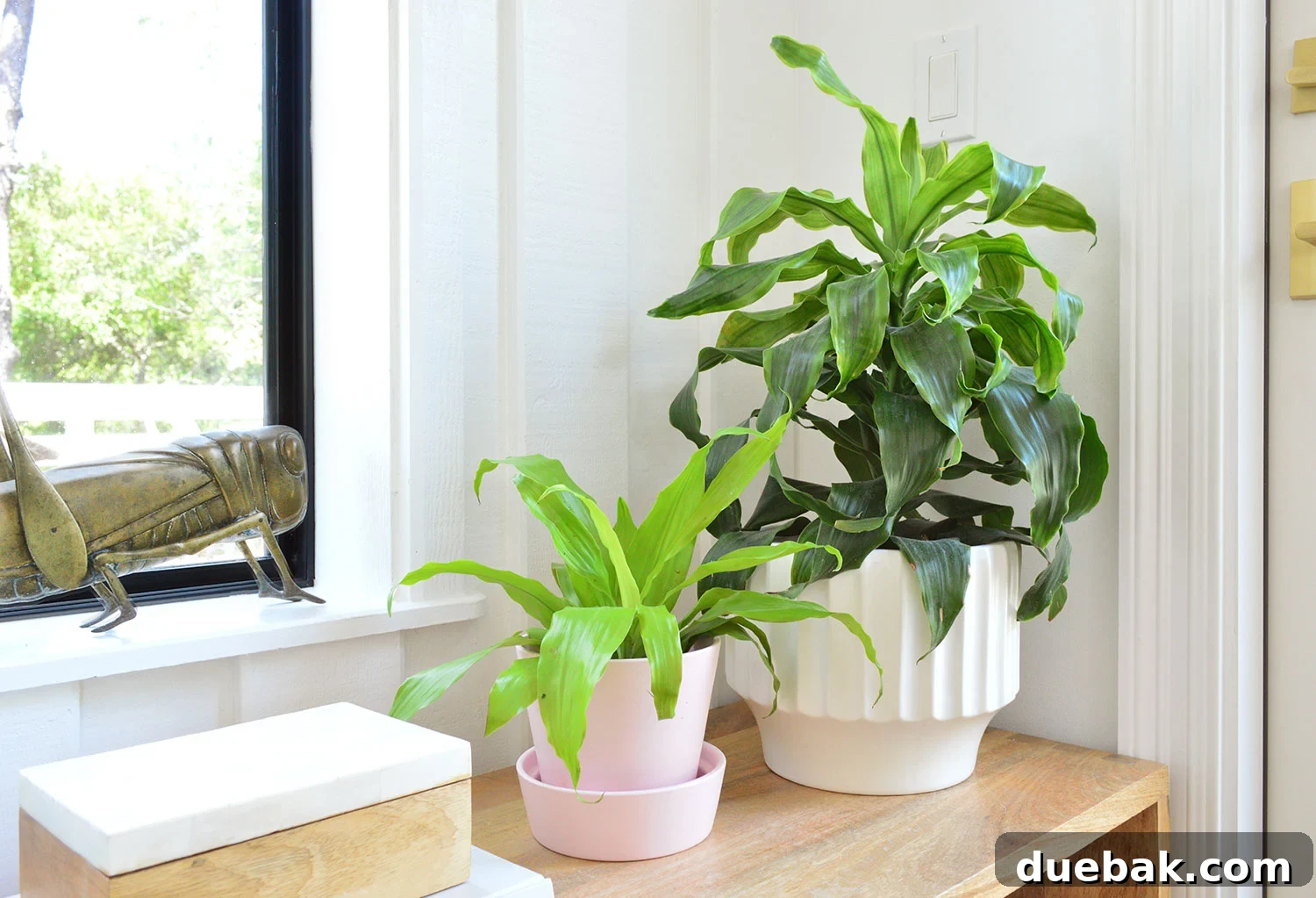
As dedicated plant lovers, we’ve had the pleasure of cultivating several delightful varieties of corn plants. Pictured above are two of our smaller yet equally captivating specimens. On the left, we have a vibrant Dracaena fragrans ‘Limelight’, celebrated for its bright, almost glowing chartreuse foliage. Beside it stands the elegant Dracaena fragrans ‘Dorado’, distinguished by its rich green leaves. The ‘Limelight’ cultivar, in particular, is a firm favorite in our home, its brilliant color adding a refreshing pop to shelves, tabletops, and windowsills, demonstrating the versatility of these stunning plants.
Table of Contents
Corn Plant Quick Facts
- Latin Name: Dracaena fragrans
- Common Names: Corn plant, cornstalk plant, false palm, Mass Cane
- Light Needs: Thrives in bright, indirect light; tolerates lower-light conditions but may affect variegation.
- Watering Frequency: Keep soil consistently moist but never waterlogged. Water when the top 1-2 inches of soil feel dry to the touch.
- Soil Preference: Requires loose, well-draining, loamy potting soil, ideally with added perlite or vermiculite.
- Mature Indoor Size: Can reach up to 6 feet (approx. 1.8 meters) tall indoors, though often stays smaller.
- Ideal Humidity: Prefers average household humidity, ideally between 40-50%.
- Optimal Temperature: Best between 65-75ºF (18-24ºC). Avoid temperatures below 50ºF (10ºC).
- Cold Hardiness: USDA Zones 11-12. Not frost tolerant.
- Native Region: Tropical Africa.
- Toxicity: Toxic to pets (cats and dogs) due to saponins.
Understanding the Corn Plant
Despite its common name, the household corn plant is entirely distinct from the agricultural sweet corn crop found in fields. Its moniker originates solely from the visual resemblance of its leaves to those of corn stalks. Botanically, Dracaena fragrans belongs to the diverse Dracaena genus (pronounced dra-SEE-nuh), a family that surprisingly also includes beloved plants like snake plants (Sansevieria, recently reclassified as Dracaena trifasciata), dragon trees, and lucky bamboo. Members of the Dracaena genus are typically characterized by their graceful, grass-like or spear-shaped leaves emerging from a robust, central stalk or cane.
These plants are slow-growing but incredibly resilient, capable of reaching impressive heights of over 6 feet indoors when provided with optimal conditions. Their thick, sturdy trunks and lush, tropical-looking foliage often lead them to be referred to as “false palms,” making them an excellent choice for adding a vertical, tree-like element to any interior design without the demanding care of true palm species. While the traditional, larger corn plant varieties offer a grand statement, many enthusiasts, ourselves included, lean towards the more compact versions, appreciating their ability to fit into smaller spaces while still delivering that distinctive Dracaena charm.

We often find ourselves drawn to houseplants with a fuller, bushier profile. However, there’s no denying the appeal of the classic corn plant for those seeking a hardy, tall, and visually impactful specimen that mimics a miniature tree. For this reason, we often incorporate the smaller, more manageable varieties into our home decor, enjoying their sculptural beauty without requiring vast amounts of space.
Exploring Dracaena Fragrans Varieties
The original wild species of Dracaena fragrans is actually quite rare in cultivation today. Over time, horticulturalists have selectively bred numerous varieties, or “cultivars,” each showcasing unique leaf patterns, colors, and growth habits. This extensive breeding means that what you typically encounter at your local garden center is a specific cultivar rather than the parent species. Here’s a detailed look at some of the most popular and distinct types of corn plants you might discover for your own collection:

- Dracaena fragrans ‘Massangeana’ (Mass Cane): Easily the most ubiquitous variety, often simply called “Mass Cane.” This cultivar (pictured above, often accompanied by Golden Pothos at its base) maintains the thick, woody trunk and lush foliage characteristic of the original species, but with a striking twist: its broad, arching leaves feature a prominent yellow stripe running down their center. ‘Massangeana’ is typically sold as multi-stemmed plants, often with 2 or 3 canes of varying heights in a single pot, making it an instant statement piece. Its robust nature and classic appearance make it an enduring favorite.
- Dracaena fragrans ‘Lindenii’: Similar in overall appearance to ‘Massangeana’, ‘Lindenii’ distinguishes itself with its variegation. Instead of a central yellow stripe, the bright yellow bands are found along the edges of its green leaves, creating a beautiful contrasting border that frames each leaf. This gives it a slightly different, yet equally attractive, visual appeal.
- Dracaena fragrans ‘Victoria’: This is a rarer find, known for its more compact growth habit compared to other cane varieties. ‘Victoria’ also features variegated leaves, much like ‘Massangeana’ and ‘Lindenii’, but its foliage tends to be smaller, wider, and more triangular in shape. The variegation pattern typically involves yellow or cream stripes, making it a unique addition for collectors who can locate it.

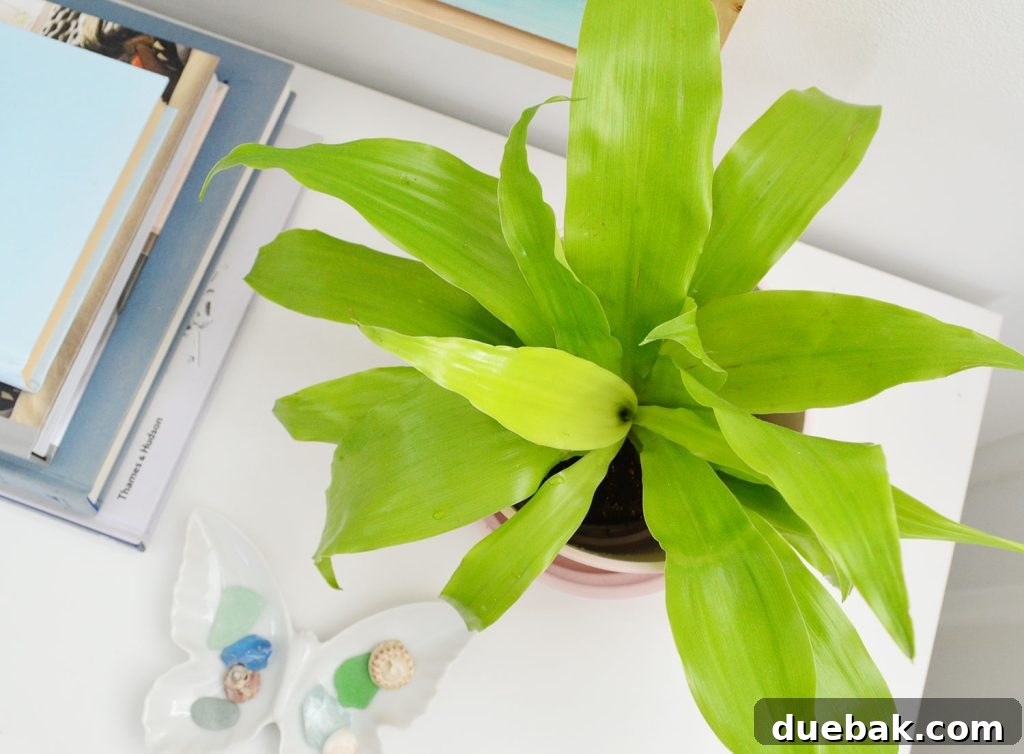
- Dracaena fragrans ‘Limelight’: (Pictured above) This highly popular cultivar is instantly recognizable by its dazzling, uniform yellow-green to chartreuse leaves. The foliage tends to be slightly narrower than ‘Massangeana’ and exhibits a remarkable brightening effect as it matures, making it a dynamic and eye-catching plant. It’s an excellent choice for adding a burst of fresh color to any room.
- Dracaena fragrans ‘Lemon Lime’: Often confused with ‘Limelight’, the ‘Lemon Lime’ variety features a distinct dark green stripe running down the center of its yellow-green leaves. This creates a more pronounced contrast and a layered visual effect, differentiating it from the more uniformly colored ‘Limelight’. Its bright, zesty hues make it a cheerful addition.
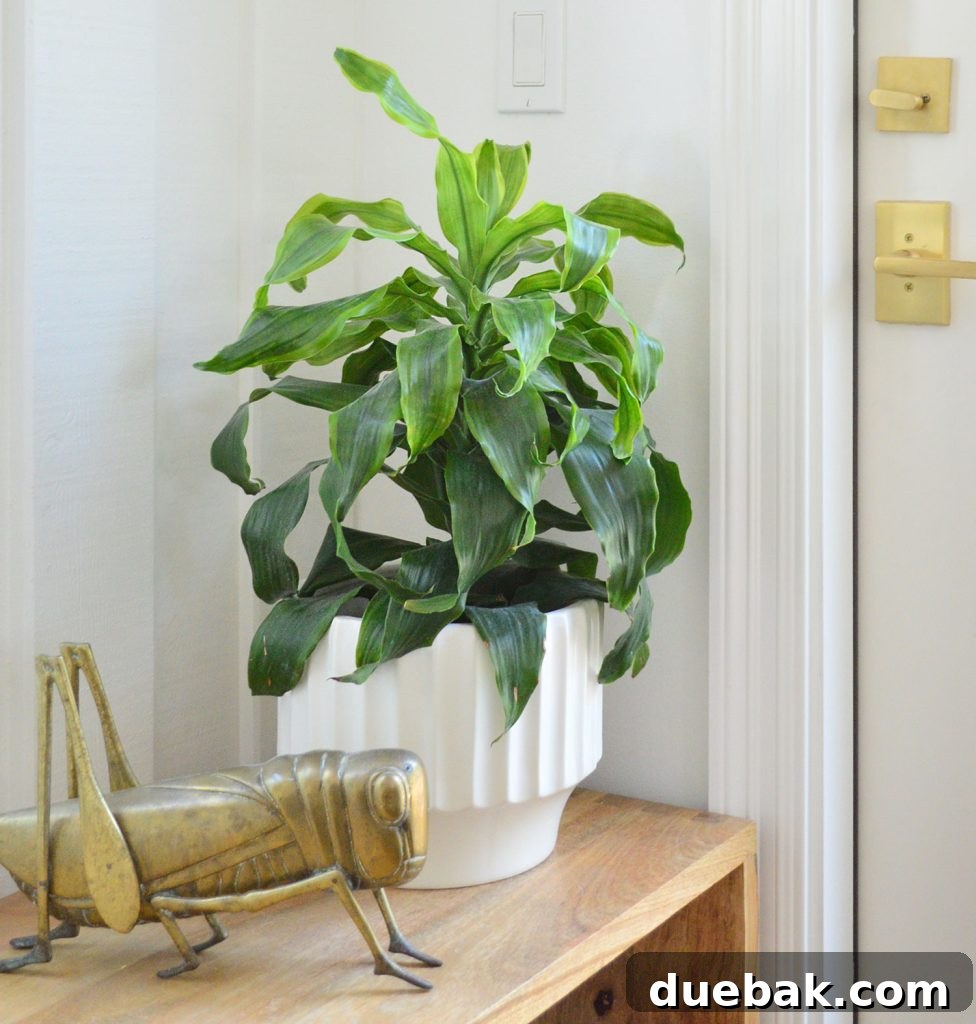
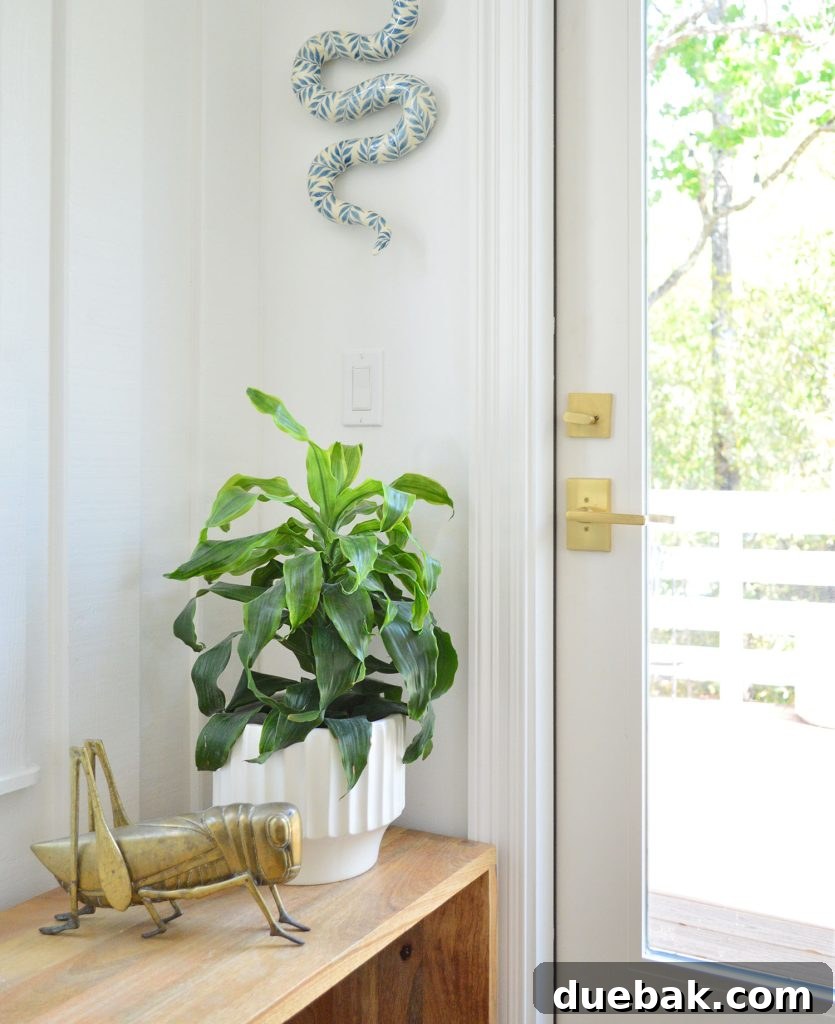
- Dracaena fragrans ‘Dorado’: (Pictured below) This elegant variety is noted for its deep green leaves that often display a subtle, lighter green striping along their outer edges. What truly sets ‘Dorado’ apart is its unique growth habit: its leaves have a natural tendency to curl back towards the center of the plant, resulting in a denser, more compact, and beautifully architectural appearance. This characteristic makes it a sophisticated choice for modern interiors.
Comprehensive Corn Plant Care Guide
While corn plants are generally forgiving and easy to care for, understanding their specific needs will ensure they not only survive but truly thrive in your home. By providing the right conditions, you can enjoy their lush foliage for many years.
Light Requirements
Dracaena fragrans plants flourish in bright, indirect light. This means placing them near a window where they receive ample ambient light, but are shielded from direct, intense sunlight, especially during the harshest midday hours. Excessive direct sun can scorch their leaves, leading to unsightly brown patches or dry spots. Conversely, while they can tolerate lower-light conditions, too little light can cause their vibrant variegation to fade, and growth may become leggy and sparse. Ideally, an east-facing window is perfect, or a few feet away from a south or west-facing window, where the light is filtered or diffused. Rotate your plant periodically to ensure even growth and prevent it from leaning towards the light source.
Watering Best Practices
Consistent watering is crucial for corn plants, but the key is balance: they prefer soil that is consistently moist, but never soggy or waterlogged. A good rule of thumb is to water when the top 1 to 2 inches of soil feel dry to the touch. You can test this by inserting your finger into the soil. When watering, saturate the soil thoroughly until water begins to drain from the bottom of the pot. Always ensure your pot has adequate drainage holes to prevent root rot, a common issue caused by standing water.
In the cooler months of fall and winter, when the plant’s growth naturally slows, reduce your watering frequency. Allow the soil to dry out a bit more between waterings during this dormancy period. Furthermore, corn plants can be sensitive to chemicals commonly found in tap water, particularly fluoride and chlorine, which can lead to brown leaf tips. If you notice this issue, consider using filtered water, rainwater, or allowing tap water to sit out for at least 24 hours to allow these chemicals to dissipate before watering.
Optimal Soil Mix
The right soil mix is fundamental for the health of your corn plant. It requires a substrate that provides good aeration and excellent drainage, preventing water from lingering around the roots. Most high-quality, standard indoor potting soils will suffice, but for an even better environment, consider amending your mix with additional components. Incorporating perlite or vermiculite is highly recommended. These lightweight aggregates help to improve soil structure, enhance drainage, and prevent compaction, while also retaining a moderate amount of moisture for the roots to access. Aim for a loose, airy mix that allows excess water to escape efficiently. As always, reaffirm the necessity of a pot with drainage holes; this is non-negotiable for preventing root issues and promoting overall plant vigor.
Temperature and Humidity Essentials
Corn plants are tropical by nature, thriving in warm, consistent temperatures and moderate to high humidity. The ideal temperature range for these plants is between 65-75ºF (18-24ºC). They are sensitive to cold drafts and sudden temperature fluctuations, so keep them away from open windows during winter or direct blasts from air conditioning units. Temperatures dropping below 50ºF (10ºC) can severely stress the plant, leading to leaf damage or even death.
Regarding humidity, Dracaena fragrans prefers levels around 40-50%, which is generally achievable in most homes. However, if your indoor air is particularly dry (common in heated or air-conditioned environments), you might notice brown leaf tips or edges. To increase humidity, you can mist the leaves periodically, although this offers only temporary relief. More effective methods include placing the pot on a pebble tray filled with water (ensuring the pot itself doesn’t sit in the water), or using a small room humidifier nearby. During warmer months, corn plants can also be grown outdoors in containers, but they must be brought inside once temperatures consistently fall below 50ºF.

Pruning for Health and Shape
Pruning is an essential aspect of corn plant care, helping to maintain its aesthetic appeal and promote healthier growth. It’s natural for the lower leaves of your corn plant to yellow and eventually die off over time as new growth emerges from the top. These older leaves can be easily removed by hand once they’re fully yellowed or brown, or by using clean, sharp shears for a cleaner cut. This not only keeps the plant looking tidy but also directs the plant’s energy to new, healthy foliage.
For controlling height or encouraging a bushier form, you can prune the main stem or “cane” of the plant. Using sterilized, sharp pruning shears, cut the cane at your desired height. New growth points will typically emerge from just below the cut, often producing multiple shoots and leading to a fuller plant. This technique is particularly useful for older, taller plants that have become leggy or for creating stem cuttings for propagation.

Fertilization Schedule
During the active growing season, which typically spans spring and summer, your corn plant will benefit from regular fertilization. A balanced liquid houseplant fertilizer, diluted to half strength, applied once a month, is generally sufficient. Alternatively, slow-release houseplant tablets can be easily dropped into your watering can for a convenient feeding solution. During the fall and winter months, when growth naturally slows, cease fertilization entirely to allow the plant to rest. Over-fertilizing can lead to salt buildup in the soil, which can harm the roots, so always follow the product’s instructions and err on the side of under-fertilizing rather than over-fertilizing.
Propagating Your Dracaena Fragrans
One of the most rewarding aspects of owning a corn plant is the ease with which it can be propagated. Each time you prune your plant, the resulting stem cutting presents a fantastic opportunity to grow new plants, effectively expanding your collection for free! Here’s a simple, step-by-step guide to successfully propagate your Dracaena:
- Step 1: Prepare Your Cutting: Using clean, sharp shears or pruning snips, cut an 8-inch (or longer) section from the top of the stem. To increase the surface area for root development, consider making the cut at a slight angle. Carefully remove any lower leaves to ensure that no foliage will be submerged in water, as this can lead to rot.
- Step 2: Water Rooting: Place the cut end of your stem cutting into a clean glass or jar filled with fresh water. A clear glass allows you to monitor root growth easily. Position the glass in a bright location, but avoid direct sunlight.
- Step 3: Maintain the Water: Change the water every week or two to prevent the buildup of algae or bacteria, which can inhibit root formation. Top off the water as needed due to evaporation. Within a few weeks, you should begin to observe small white roots emerging from the submerged stem. Patience is key during this stage.
- Step 4: Potting Your New Plant: Once the roots have grown to at least 1 inch in length, your cutting is ready to be transferred to soil. Plant it in a small pot filled with a well-draining potting mix, similar to what you use for your mature corn plant. Continue to care for your newly potted plant as you would an established Dracaena, ensuring proper light and moisture.
This method of propagation is not only simple but also highly effective, allowing you to multiply your favorite varieties or share them with friends and family.
Troubleshooting Common Corn Plant Issues
While corn plants are generally considered low-maintenance, they are not entirely immune to problems. Some individuals may sail through life with minimal fuss, while others can be a bit more temperamental. Being aware of common issues and their solutions can help you quickly address problems and keep your plant healthy and thriving.
- Pests: Like many houseplants, corn plants can occasionally attract common pests such as spider mites, mealybugs, and fungus gnats. Regularly inspecting your plant’s leaves (especially the undersides) can help detect infestations early. Most minor pest problems can be addressed by wiping the leaves with a damp cloth or a cotton swab dipped in rubbing alcohol for mealybugs. For more persistent issues, a natural insecticidal soap or a neem oil application can be highly effective in eradicating pests and preventing future outbreaks.
- Yellow Leaves: Yellowing leaves, particularly older ones at the bottom of the plant, are often a classic sign of overwatering. Overwatering suffocates the roots, leading to a lack of oxygen and eventual decay. Always check the soil drainage and consider reducing your watering frequency. However, occasional yellowing of lower leaves can also be a normal part of the plant’s life cycle as it sheds older foliage to make way for new growth. Distinguish between these by observing the overall health of the plant and the moisture level of the soil.
- Brown Leaves or Tips: This issue usually points to underwatering or insufficient humidity. If the soil is consistently dry more than 2 inches deep, increase your watering schedule to keep the topsoil consistently moist. For low humidity, consider the methods mentioned earlier: misting, pebble trays, or a humidifier. Brown tips can also be a sign of fluoride or chlorine sensitivity from tap water.
- Dry Spots or Patches on Leaves: These crispy, discolored areas are typically caused by too much direct sunlight. The intense rays can act like a magnifying glass, burning the delicate leaf tissue. Move your corn plant to a location where it receives bright, indirect light to prevent further damage.
- Foul Odor from Soil or Sudden Leaf Dropping: These are serious indicators of advanced root rot, often a consequence of severe overwatering. The foul odor is from decaying organic matter (roots). If you suspect root rot, carefully remove the plant from its pot and inspect the roots. Healthy roots are firm and white; rotted roots will be mushy, brown, or black. Trim away all affected roots with clean shears, repot the plant in fresh, well-draining soil, and adjust your watering habits. Unfortunately, severely rotted plants may not be salvageable.
- Curling or Spotted Leaves: As mentioned, corn plants can be quite sensitive to chemicals found in municipal tap water, specifically chlorine and fluoride. These chemicals can accumulate in the plant’s tissues, leading to symptoms like curling leaves, brown spots, or discolored tips. To mitigate this, use distilled water, rainwater, or allow tap water to sit in an open container for at least 24 hours before use, enabling the chemicals to off-gas.
Frequently Asked Questions About Corn Plants
Are corn plants toxic to cats and dogs?
Yes, corn plants (Dracaena fragrans) are indeed toxic to pets. They contain chemical compounds known as saponins, which can cause a range of adverse reactions if ingested by cats or dogs. Symptoms of ingestion can include vomiting, diarrhea, loss of appetite, lethargy, and in some cases, difficulty breathing or excessive drooling. It is crucial to consult with a veterinarian immediately if you suspect your pet has chewed on or ingested any part of your corn plant. For the safety of your furry friends and curious children, it’s always best to place these plants out of their reach.
How tall does a corn plant get?
In their native tropical habitats, Dracaena fragrans can grow into impressive trees reaching heights of up to 50 feet! However, when cultivated indoors in containers, their growth is naturally constrained. Most indoor corn plants will typically reach a mature height of around 3 to 4 feet. Under ideal conditions and with ample space, some can grow taller, potentially reaching up to 6 feet over many years. They are relatively slow growers, so patience is a virtue when waiting for your corn plant to reach its full indoor potential.
Can corn plants survive outside?
Corn plants are tropical species, rated for USDA Hardiness Zones 11 and 12, which means they are not tolerant of frost or prolonged cold temperatures. This effectively excludes almost all of the continental United States from being suitable for year-round outdoor growth. If you wish to enjoy your corn plant outdoors, it must be grown in a container that can be easily moved. Bring your plant indoors once temperatures consistently drop below 50ºF (10ºC) in the fall. When kept outdoors, position it in a location that receives partial shade, as direct, intense sun can still cause leaf burn even in warmer climates.
Do corn plants flower?
Technically, yes, corn plants are capable of producing flowers. However, it is an extremely rare occurrence in typical indoor growing conditions. Only very happy, mature houseplants that have been provided with consistently ideal care and conditions for many years might periodically produce small, fragrant white flowers. These bloom cycles can be sporadic, sometimes several years apart. When they do flower, the blooms are often quite delicate and emit a sweet, pleasant fragrance.
Discover More Houseplant Favorites

If you’re eager to expand your indoor jungle or simply seeking more detailed information on other beloved plants, delve into some of our curated guides below:
- Best Low-Light Houseplants
- Best Air Purifying Indoor Plants
- Golden Pothos Care Guide
- Marble Queen Pothos Care Guide
- Neon Pothos Care Guide
- Aglaonema Plant Care Guide
- Monstera Deliciosa Care Guide
- Snake Plant Care Guide
- Fiddle Leaf Fig Care Guide
- Tree Philodendron Care Guide
- Star Jasmine Care Guide
- How to Build An Easy Plant Shelf
- Make A DIY Wire Trellis
*This post contains affiliate links, meaning we may earn a small commission when you make a purchase through links on our site at no additional cost to you. These links help support our content creation.