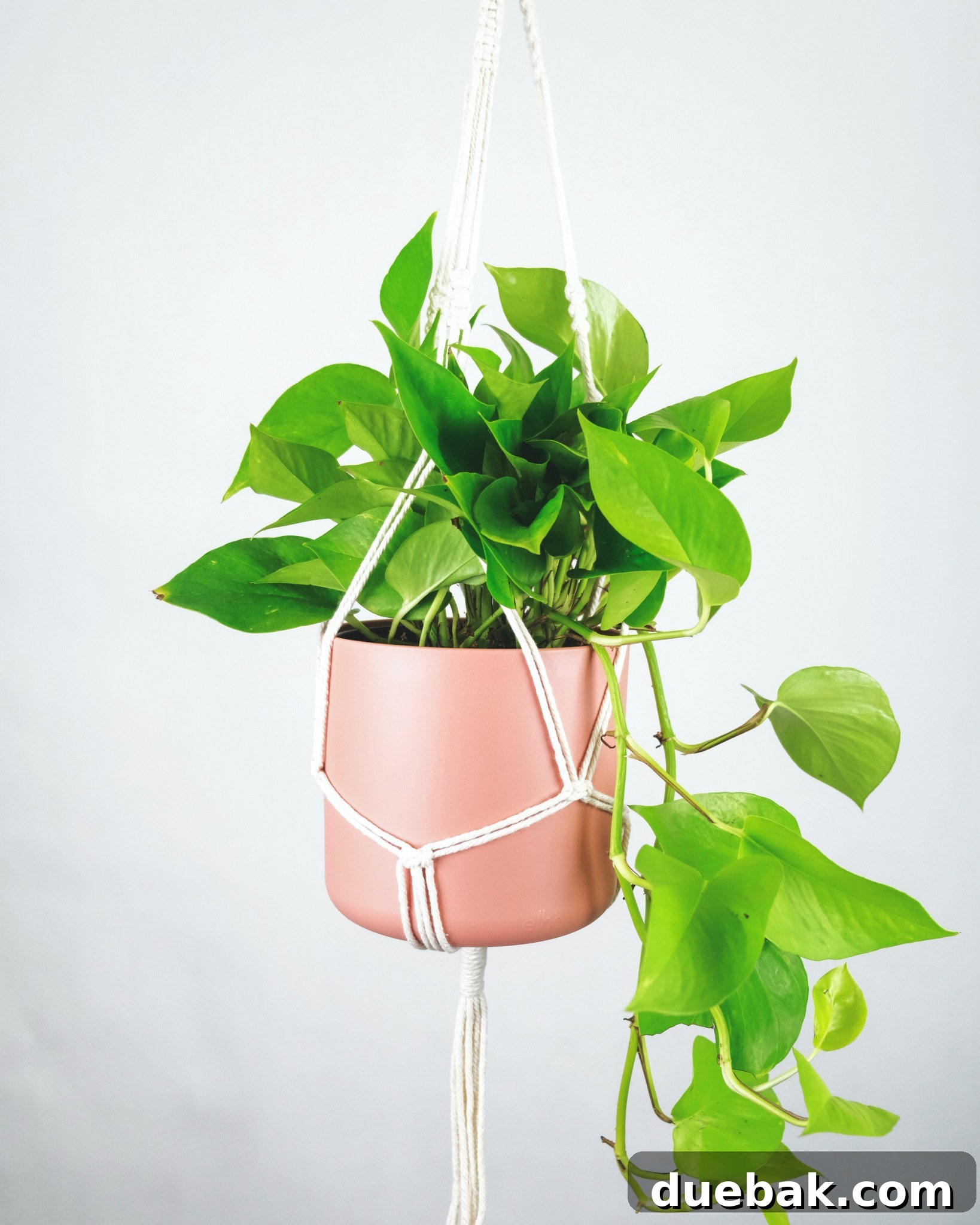
Unkillable Houseplants: The Ultimate Guide to Easy Care for Beginners
Dreaming of a vibrant indoor garden but hesitant due to past plant mishaps? You’re in the right place! This comprehensive guide introduces you to the world of truly resilient houseplants – varieties that are notoriously hard to kill and perfect for anyone new to plant care. Experience the pure delight of watching new leaves unfurl, transforming even the most reluctant individual into a confident and happy plant parent.
Whether you boast a naturally green thumb or consider yourself a plant killer, there’s an ideal houseplant waiting to thrive in your home. We promise! Our mission is to guide you towards indoor plants that flourish under nearly any condition, often despite complete neglect. Forget to water it for weeks? No problem. Unsure about your home’s light conditions? That’s perfectly fine. Even if you know you have notoriously low light, we’ve got you covered!
The journey to becoming a successful plant parent often starts with a single, surprising success. I recall sharing lunch at a friend’s house, admiring her strikingly robust and thriving Aloe Vera plant. To my surprise, she confessed that she usually struggles to keep any plant alive for long, yet this Aloe had been flourishing strong for well over a year! Her story resonated deeply, as many of us have experienced the frustration of plants wilting despite our best intentions.
We laughed together about how these particular “plant babies” not only tolerate but often thrive on a bit of benign neglect. It was then I realized a crucial truth: many of my previous houseplants likely perished from too much attention. Overwatering stands as the single most common cause of indoor plant death, a mistake easily made by eager new plant parents. This insight became the foundation for seeking out plants that genuinely prefer a hands-off approach.
Indoor gardening can indeed present its challenges, especially when you’re starting out. However, by selecting the right type of plant from the beginning, you’ll quickly build confidence, cultivate a deeper connection with nature, and discover the immense happiness that comes with a vibrant indoor oasis. These resilient varieties are designed to boost your morale and ensure your success, paving the way for a flourishing green journey.
Why Choose “Unkillable” Houseplants?
Beginning your indoor plant journey with hardy, low-maintenance species offers numerous advantages. Firstly, it minimizes the stress and disappointment often associated with plants that require precise care. You can experiment with different watering schedules and light placements without fear of immediate failure. Secondly, these plants act as wonderful confidence boosters. Seeing them thrive, despite your initial inexperience, encourages you to learn more and perhaps eventually venture into caring for more delicate varieties.
Beyond the personal benefits, houseplants themselves offer a wealth of advantages. They are known to purify indoor air by removing toxins, boost mood, reduce stress, and even increase focus and productivity. Introducing greenery into your living or working space can transform its aesthetic, making it feel more inviting, calming, and connected to the natural world. With “unkillable” plants, you gain all these benefits with minimal effort, making them an ideal choice for busy individuals, frequent travelers, or anyone simply looking for a simple touch of nature.
Top 5 Easy-Care Houseplants for Beginners
Let’s dive into some of the best, most resilient houseplants that are truly hard to kill. These plants are chosen for their adaptability, tolerance to neglect, and their ability to thrive in a variety of indoor conditions.
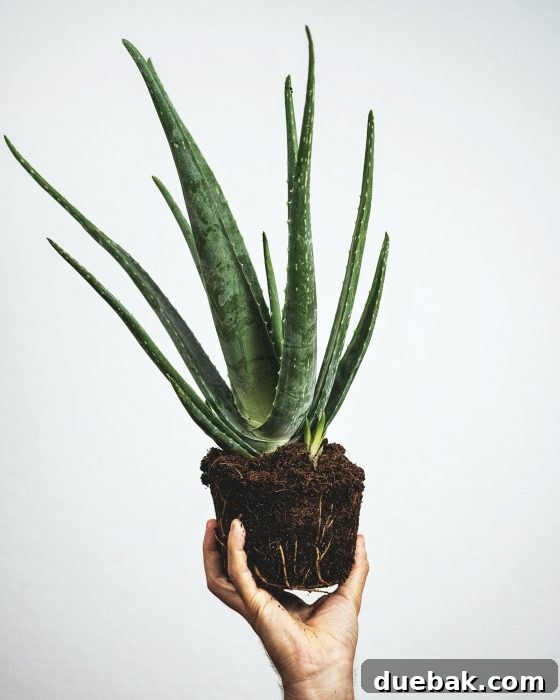
1. ALOE VERA (Aloe barbadensis miller)
The Aloe Vera plant holds a special place in my heart, as my first specimen was a division from my Grandma’s mature plant. She enthusiastically shared its incredible healing benefits, a tradition passed down through generations. The succulent leaves are packed with a clear gel that can be easily applied to the skin. I’ve personally used it on minor cuts, burns, insect bites, and various skin irritations. Simply snap off a leaf, squeeze out the gooey gel, or cut the leaf open and apply the exposed gel directly to the affected area. The remaining stub of the leaf will scab over, and the plant will continue its robust growth.
Aloe Vera is incredibly forgiving. It thrives indoors with bright, indirect sunlight and minimal watering. The key to its success is *not* to overwater. A good rule of thumb is to water thoroughly once every 2-3 weeks, allowing the soil to dry out completely between waterings. If placed in direct, intense sunlight, you might notice its vibrant green leaves fade to a brownish hue, indicating a “sunburn.” Simply move it a bit further from the window, and it will quickly bounce back to its healthy color. As it matures, your Aloe will produce “pups” or baby plants around its base, which can be easily divided and shared with friends, making it a gift that keeps on giving.
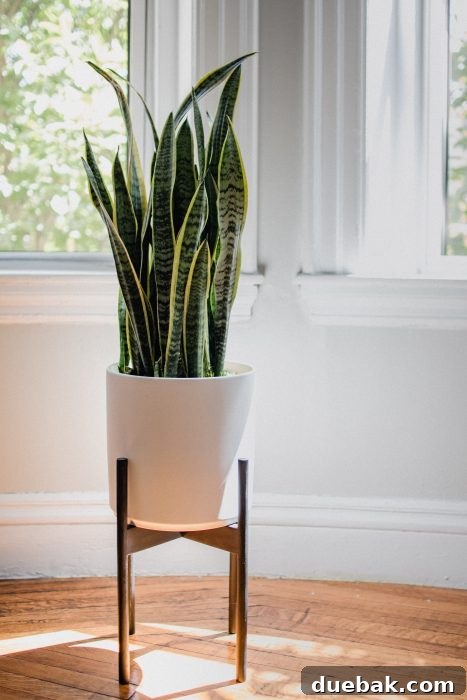
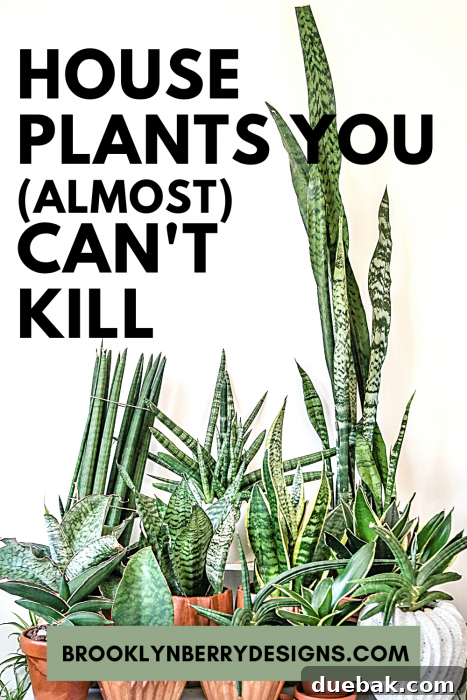
2. SNAKE PLANT (Sansevieria trifasciata)
The Snake Plant, also widely known as Sansevieria, is a true icon in modern interior design, frequently gracing minimalist and contemporary spaces on social media platforms like Instagram. Its striking, architectural form and variegated leaves make it a focal point in any room. But its popularity isn’t just about good looks; the Snake Plant is legendary for its resilience and exceptional performance even when neglected. It’s a champion of low-light conditions and can tolerate extended periods without water. I typically water my Snake Plants once every two to three weeks, often setting a reminder for “every other Sunday” to maintain consistency without the stress of overthinking. This watering schedule makes it an ideal choice for individuals who travel frequently or simply have a busy lifestyle.
Beyond its hardiness, the Snake Plant is also celebrated for its air-purifying qualities, having been highlighted by NASA’s Clean Air Study for its ability to remove toxins like formaldehyde and benzene from indoor environments. While Sansevieria are slow growers, which might not offer instant gratification for those seeking rapid changes, their steady and unwavering growth is a testament to their enduring nature. Their upright leaves come in various patterns and shades, from deep green to variegated yellows and silvers, adding a sophisticated touch to any home or office.
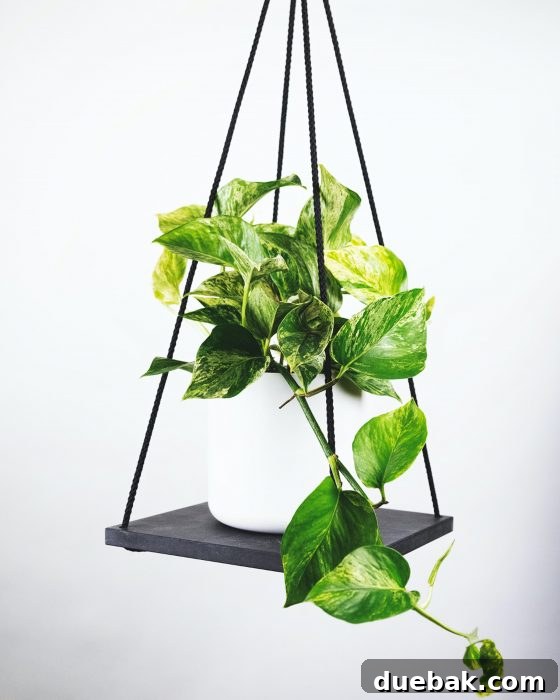
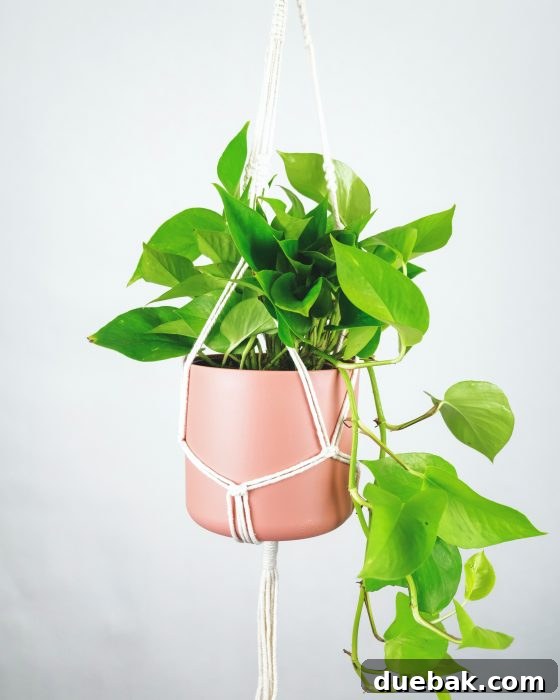
3. POTHOS (Epipremnum aureum)
The Pothos plant, often affectionately called “Devil’s Ivy” due to its ability to survive in nearly impossible conditions and stay green even when kept in the dark, is a favorite among both beginners and seasoned plant enthusiasts. Its beautiful heart-shaped leaves and long, trailing vines make it a perfect candidate for hanging planters, high shelves, or even trained to climb up trellises or walls. Pothos varieties range from the classic ‘Golden Pothos’ with its yellow variegation to the striking ‘Marble Queen’ and the bright ‘Neon’.
One crucial consideration for Pothos owners is its toxicity to animals. If you have curious pets that tend to nibble on plants, it’s essential to place your Pothos out of their reach. Despite this, its versatility is unmatched. Pothos can thrive in almost any type of potting soil, and remarkably, it can also grow purely in water. This makes it an excellent choice for creating stunning propagation displays in glass tubes or vases, adding a unique artistic element to your decor. Propagating Pothos is incredibly easy: simply cut a stem just below a node (the small bump where a leaf emerges), and place it in water or directly into soil. Within weeks, you’ll see new roots forming, allowing you to create more plants for yourself or to share.
If you’re feeling crafty, you can even make your own propagation station using free laser cut files available online.
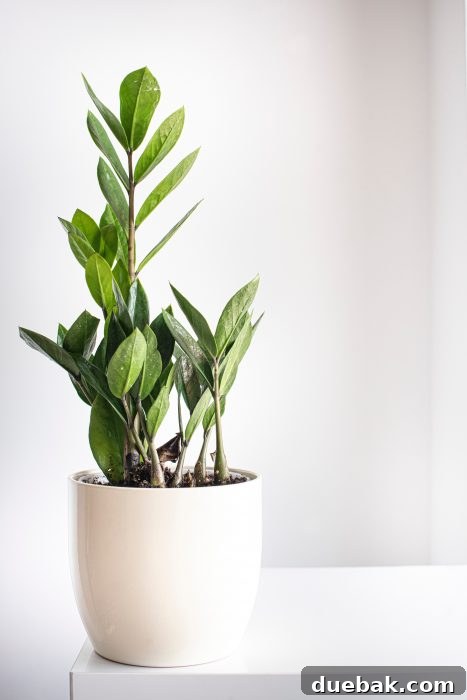
4. ZZ PLANT (Zamioculcas zamiifolia)
The ZZ Plant, also known by its botanical name Zamioculcas zamiifolia, is arguably the most low-maintenance houseplant available. With its striking, waxy, dark green leaves that emerge on sturdy, upright stems, many people initially mistake ZZ plants for artificial ones—a testament to their impeccable appearance even in suboptimal conditions. You might recall seeing them thriving in dim corners of shopping malls or office buildings, seemingly untouched by human hands, and doing exceptionally well in challenging, “crappy” lighting conditions.
This plant is a true survivor. As long as it receives even the tiniest trace of light, including fluorescent office lighting, the ZZ Plant will live. It’s incredibly tolerant of dry air, very low light, extended periods of drought, and is remarkably pest-resistant. Straight-up neglect is precisely what this plant thrives on! Its secret lies in its thick, potato-like rhizomes that store water, allowing it to go for long stretches without a drink. It only needs watering about once a month, or even less frequently, depending on the environment. If you want to be precise, simply check if the soil is bone dry several inches deep before considering watering. Overwatering is its only real enemy, so when in doubt, just wait another week.
5. DRACAENA (Dracaena spp.)
If you’re looking to add a taller, more tree-like presence to your indoor plant collection, the Dracaena genus offers several excellent, easy-care options. With their long, often spiky or sword-shaped leaves emerging from a sturdy, bark-like stalk, many Dracaena varieties resemble miniature palm trees, bringing a touch of the tropics indoors. Common types include Dracaena marginata (Dragon Tree) with its slender, often reddish-edged leaves, and Dracaena fragrans (Corn Plant) known for its broader, arching leaves.
From personal experience, Dracaenas appreciate some indirect sun and warmth. My son once chose a Dracaena for his basement bedroom. Unfortunately, the room was consistently a few degrees colder than the rest of the house, and his plant visibly struggled, showing stunted growth and faded leaves. Once we moved it upstairs to a warmer room with bright, indirect light, it absolutely thrived! While he enjoys misting it with a spray bottle, which can help increase humidity, it’s not strictly necessary for most Dracaena species. We find that watering it every two weeks, allowing the topsoil to dry out between waterings, works perfectly. Their elegant stature makes them fantastic statement pieces in living rooms, hallways, or larger office spaces, requiring relatively little fuss for such a commanding presence.
General Tips for Beginner Plant Parents
Even with “unkillable” plants, a few basic principles can ensure their long-term success:
- Avoid Overwatering: This is the most critical rule. When in doubt, let the soil dry out. Many of these plants prefer to be on the drier side. Use your finger to check the soil moisture.
- Light is Key (Even Low Light): While these plants tolerate low light, most will thrive with bright, indirect light. Avoid direct, harsh sunlight unless specifically stated, as it can scorch leaves.
- Drainage is Essential: Always choose pots with drainage holes. This prevents water from pooling at the bottom and suffocating the roots, which leads to root rot.
- Rotate Your Plants: Periodically turn your plants to ensure all sides receive adequate light, promoting even growth.
- Dust Leaves: Dust can accumulate on leaves, hindering photosynthesis. Gently wipe leaves with a damp cloth every few weeks to keep them clean and healthy.
- Fertilizing: For these resilient plants, fertilizing is rarely a top priority for beginners. A light feeding once or twice during the growing season (spring/summer) is usually sufficient, or none at all in the first year.
Beyond the Basics: Growing Your Green Thumb
Starting with these easy-care plants will quickly build your confidence and help you understand the fundamental needs of indoor gardening. As you watch them flourish, you’ll naturally develop a better intuition for plant care – recognizing signs of thirst, appropriate light levels, and when they might need a little extra attention. The initial fear of failure will transform into the joy of discovery and the satisfaction of nurturing living things.
Remember, every plant parent makes mistakes, and that’s perfectly normal. Learning from a yellowing leaf or a drooping stem is part of the journey. Embrace the process, enjoy the beauty and tranquility these green companions bring, and know that you are cultivating not just plants, but also a new, rewarding hobby.
Love plants? Check out these other gardening posts:
- How To House Planters
- Tips for getting kids excited to garden
Let’s talk plants! Have you had a plant surprisingly thrive under your care, defying all expectations? What low-maintenance plants have you loved to grow and recommend to others? Do you give your plants names? Share your stories and tips in the comments below – we’d love to hear from you!