
A routine trip to a local Gap store a couple of weeks ago unexpectedly turned into a moment of pure aesthetic delight and interior design inspiration. While browsing, my gaze was drawn to an eye-catching display mounted on the wall. It wasn’t the usual clothing racks or mannequins that captured my attention; instead, it was a truly unique art installation that immediately sparked my interest and set my creative wheels in motion. This wasn’t just a simple store decoration; it was a carefully curated piece that elevated the retail environment, turning a commercial space into an unexpected gallery.
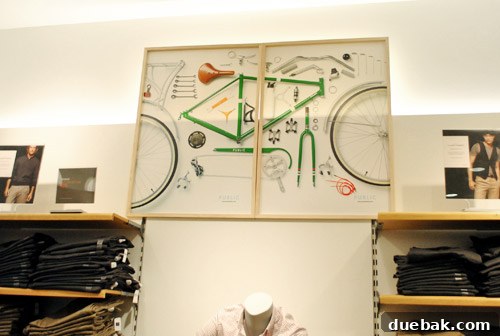
The display featured a deconstructed bicycle from Public Bikes, beautifully disassembled and presented as a striking work of art. Each component of the bicycle was meticulously arranged and photographed, creating a series of compelling panels. This wasn’t a product for sale; rather, it was an inventive in-store display, showcasing the beauty of engineering and design. The industrial chic aesthetic, combined with the clean lines and minimalist presentation, made these posters incredibly appealing. I found myself admiring the ingenuity behind transforming a functional object into such an engaging visual statement. The vibrant colors and distinct shapes of the bike parts, usually seen in motion or as a complete unit, were isolated and highlighted, giving them a new artistic context.
The Unexpected Allure of Bicycle Art for Home Decor
While I confess to being more of a bike admirer than a dedicated cyclist (my apologies to my cycling enthusiast father!), these particular posters resonated deeply with me. There’s something inherently captivating about industrial design repurposed for artistic expression. The Public Bikes display wasn’t just advertising a brand; it was celebrating the form and function of a bicycle in a way that transcends mere utility. It spoke to a broader appreciation for craftsmanship and contemporary aesthetics. As someone constantly seeking unique elements to personalize our living space, I immediately envisioned these striking panels adorning a wall in our home. Their bold graphic quality and the story they implicitly tell about design and deconstruction would make them a fantastic focal point, adding character and a touch of modern industrial flair to any room. I wasn’t entirely sure where they would fit best, but the certainty that they *belonged* in our house was undeniable.
Fortunately, the Public Bikes blog provides a closer look at one of these captivating panels, reinforcing just how well-designed and visually impactful they are. This glimpse only solidified my resolve to try and acquire a set for myself. The thought of bringing a piece of this sophisticated retail artistry into our home was exciting. It’s a testament to the power of thoughtful design – how something created for a commercial purpose can transcend its original intent and inspire a desire for personal ownership, enriching a domestic environment with a unique narrative.
The Quest to Acquire: Navigating Retail Diplomacy
My first step in this acquisition quest was to approach the manager at my local Gap store. With a mix of hope and trepidation, I inquired about the possibility of taking the displays once they were no longer needed. To my pleasant surprise, the manager “made a note” to call me when the store was done using them. This response was incredibly promising, as I had mentally prepared myself for the usual retail refrain: “Sorry, we’re not allowed to give those away.” Indeed, I’ve encountered this firm policy at many other stores, including large retailers like Target, where unique displays are often considered corporate property or are destined for recycling programs. So, receiving a potentially positive answer felt like a small victory.
However, the manager’s response, while polite, also carried a hint of that familiar “don’t call us, we’ll call you” sentiment. While not an outright rejection, it wasn’t exactly a firm commitment either. This left a lingering sense of uncertainty, prompting me to explore alternative avenues. The desire for these distinctive bicycle posters was strong enough to warrant a multi-pronged approach, knowing that persistence and a bit of ingenuity are often key when pursuing unique items that aren’t readily available for purchase. It highlighted the interesting challenge of moving from admiring a commercial display to integrating it into a personal space.
The Unforeseen Power of Social Media: A Twitter Success Story
In an age where social media connects us in unprecedented ways, I decided to cast my net a little wider. On a whim, I posted a random tweet expressing my interest in acquiring the Gap Public Bikes display posters once the store was finished with them. What unfolded next was a remarkable demonstration of the power of Twitter and direct brand engagement. To my absolute astonishment, a Gap manager from a different location saw my plea! They reached out, offering to try and secure a set for me once their store’s current display campaign concluded, likely when they transition to holiday decor. This unexpected connection truly underscored the incredible reach and responsiveness that platforms like Twitter can offer. It transformed a solitary wish into a collaborative effort, bridging the gap between a consumer’s desire and a brand’s willingness to engage beyond traditional customer service channels.
The experience was a powerful reminder that sometimes, simply asking – and leveraging the right digital tools – can yield surprising results. It demonstrated how individuals can tap into broader networks and even influence outcomes by engaging directly with brands and their employees online. While the final outcome remains to be seen, the fact that a seemingly random tweet led to such a promising lead is a testament to social media’s role in today’s consumer landscape. It proves that a little digital initiative can sometimes go a very long way in achieving unique personal aspirations, far beyond what traditional in-person inquiries might accomplish. This incident wasn’t just about getting posters; it was about experiencing firsthand the tangible impact of online communities and direct communication.
The Allure of Retail Displays as Home Decor Inspiration
The desire to repurpose store displays for home decor is a common one, often stemming from the unique aesthetic and professional curation that goes into retail environments. Stores like Anthropologie, known for their elaborate and often whimsical visual merchandising, frequently inspire customers to wonder how they might recreate or acquire similar pieces for their own homes. These displays are designed to be visually captivating, creating an atmosphere and telling a story that resonates with shoppers. They are often large-scale, professionally lit, and made from interesting materials, making them far more compelling than typical mass-produced decor items.
Bringing a piece of retail decor into a home offers several advantages. Firstly, it provides a unique, conversation-starting element that instantly adds character and personality. Unlike items bought off the shelf, a repurposed display often comes with a backstory, making it a more meaningful addition. Secondly, these pieces often represent current design trends or bold artistic statements, allowing homeowners to incorporate sophisticated aesthetics into their personal spaces without exorbitant costs. From vintage signs to bespoke art installations, store displays offer a treasure trove of inspiration for those looking to infuse their homes with distinctive flair and a touch of professional styling. It taps into the satisfaction of finding something unconventional and giving it a new life, contributing to a more sustainable and creatively decorated home.
Tips for Successfully Acquiring Store Decor
For those inspired by striking store displays and hoping to bring them home, there are several strategies one can employ:
1. Polite and Persistent In-Person Inquiry
As my initial Gap experience showed, directly asking the store manager is often the first and best step. Be polite, explain your admiration for the piece, and ask if there’s a possibility of acquiring it when they are finished with the display. Sometimes, it’s a simple “yes,” other times, they might take your contact information, or, less fortunately, it might be a firm “no.” Building a rapport with store staff can also be helpful; a friendly face is more likely to be remembered when an item becomes available.
2. Timing is Everything
Store displays are typically seasonal or campaign-specific. The best times to inquire are often at the end of a major season (like after Christmas, spring, or fall campaigns) or when a new product launch is expected. This is when stores are usually planning to remove old displays to make way for new ones. Holiday decor, in particular, often gets bumped and replaced with new themes, making it an opportune time to ask.
3. Leverage Social Media
My Twitter experience is a prime example of social media’s power. Directly tagging the brand or even local store accounts with a polite request can sometimes reach the right person. Many brands monitor their social media channels for customer engagement and might be willing to help or at least point you in the right direction. It’s a less intrusive way to reach out to a wider audience within the company.
4. Understand Store Policies
Be prepared for rejection. Some displays are corporate property, rented, or part of a national campaign that needs to be returned or disposed of according to strict guidelines. Understanding that stores have their own operational procedures can help manage expectations. It’s not always possible to get what you want, but it never hurts to ask.
5. Consider DIY or Recreations
If acquiring the original isn’t possible, take high-quality photos (if allowed) for inspiration. Many displays can be recreated with a bit of creativity and DIY effort. You might find similar elements, commission an artist, or embark on your own craft project to achieve a similar aesthetic. This route often offers the satisfaction of personal creation and a truly unique piece.
Many people have successfully acquired store decor this way. Friends of mine, for instance, managed to get movie posters from Blockbuster when they were finished displaying them as new releases, simply by asking at the right time. These pieces often carry a nostalgic value and a unique story, making them more than just decorations.
Integrating Unique Art into Your Home
Once you’ve successfully acquired a unique store display piece, the next exciting step is to integrate it thoughtfully into your home decor. Large-scale posters like the Public Bikes panels can serve as powerful statement pieces. Consider placing them in a prominent area, such as above a sofa, in a dining room, or along a hallway wall, where they can command attention and become a focal point. Their industrial aesthetic might complement a minimalist or modern interior, or create an interesting contrast in a more traditional setting.
Think about the overall color scheme and existing furniture. These posters, with their bold graphics and potentially vibrant colors, can introduce new hues or reinforce an existing palette. They offer an opportunity to personalize your space further, telling a story about your tastes and experiences. Beyond mere decoration, these pieces represent a slice of retail art history and a successful quest for something out of the ordinary. They speak to a conscious choice to bring repurposed, unique items into your living environment, adding layers of narrative and visual interest that mass-produced art simply cannot replicate. The anticipation for my own set of Public Bikes posters remains high, and I’m eagerly awaiting the call, fingers crossed, that this unique piece of retail art will soon find its new home.
Is there any store display out there that you’ve been admiring, perhaps contemplating recreating or even DIYing? Have you ever successfully used actual store decor in your home? If so, how did you go about getting it? Was it an old-fashioned in-person request, or did social media, like tweeting, play a role in your acquisition story? Share your experiences and inspirations!