Transform Your Kitchen Island with DIY Shiplap Trim: A Complete Renovation Guide
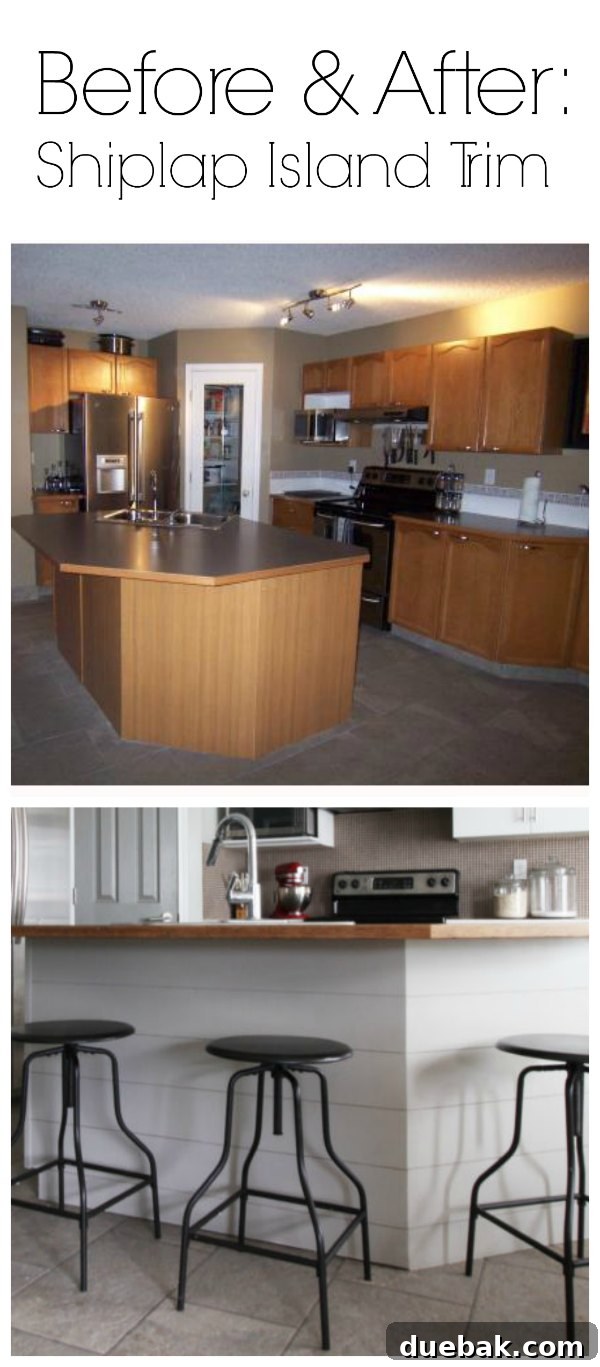
Embarking on a kitchen renovation can be one of the most rewarding home improvement projects, fundamentally changing the heart of your home. When we first moved into this house, the kitchen immediately captivated my attention, sparking a vision of transformation. My initial dreams were grand: a fresh coat of paint for the cabinets, the elegant texture of beadboard trim adorning the kitchen island, and a complete color overhaul. Like many ambitious home projects, this comprehensive kitchen facelift has been a journey spanning considerable time, evolving through various stages of planning, execution, and even a few design detours. This article chronicles our detailed journey of updating our kitchen, focusing specifically on how we achieved a stunning, modern look by adding stylish shiplap trim to our island, a DIY project that dramatically elevated the entire space.
Whether you’re contemplating a full kitchen overhaul or just looking for creative kitchen island ideas, our experience offers practical insights and inspiration. The kitchen island often serves as a central focal point, and its design can significantly influence the overall aesthetic and functionality of the room. Our process involved careful consideration of materials, techniques, and overcoming unexpected challenges, all leading to a result we absolutely adore. Join us as we delve into the details of cabinet transformation, the strategic decision-making behind our island’s new look, and a comprehensive guide on how to install shiplap trim, demonstrating that a dream kitchen is well within reach for the dedicated DIY enthusiast.
A Modern Makeover: Choosing New Cabinet Doors for a Brighter Kitchen
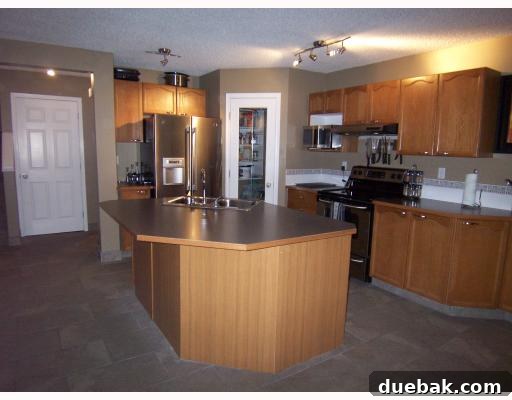
One of the most impactful decisions in our kitchen renovation was how to update the cabinets. Initially, the idea of simply painting the existing cabinet doors white seemed like a straightforward solution. However, after careful consideration and researching various options, we made a pivotal choice: rather than painting the old, outdated cabinet doors, we opted to replace them entirely with brand new, custom-fit doors, utilizing the existing cabinet frames. This single decision proved to be an absolute game-changer, not only saving us potentially thousands of dollars compared to a full cabinet replacement but also delivering a superior aesthetic outcome.
The original cabinet doors featured an arched panel profile that felt dated and heavy. The new doors, in contrast, boast a sleek, modern profile that instantly brightened and contemporized the entire kitchen. The crisp white finish of these new doors created a stark, refreshing contrast to the previous look, providing a clean canvas for the rest of our kitchen design elements.
The kitchen island, a prominent feature in our space, also received new cabinet doors. Following the installation of these new doors, we initially painted the island a dark brown. In theory, this sounded like a sophisticated choice, a grounding element amidst the new white cabinetry. However, in practice, the reality was quite different. I found myself disliking it intensely. The dark brown felt overwhelmingly heavy and, paradoxically, looked incredibly basic and uninspired. It lacked the character and charm I envisioned for such a central piece.
I lived with the dark brown island for a period, constantly debating the next course of action. My mind cycled through various design possibilities. First, I considered adding classic beadboard, a timeless choice known for its subtle texture and cottage charm. Then, inspired by our home’s entryway, I thought about a board and batten treatment, which offers a more structured, geometric appeal. Yet, neither felt quite right for the statement I wanted the island to make. Ultimately, after much deliberation and seeking inspiration from popular home design trends, I decided to embrace the clean lines and textural depth of shiplap trim. Also known as planking, shiplap promised to deliver that sought-after modern farmhouse or coastal aesthetic, adding visual interest without overpowering the space. After consulting a few helpful DIY tutorials, notably one from House of Smiths, I was ready to dive in and transform our island from drab to fab.
DIY Shiplap Island Trim: A Step-by-Step Guide
Adding shiplap trim to a kitchen island is a fantastic DIY project that can dramatically enhance the aesthetic of your kitchen, infusing it with character and style. This guide will walk you through the process, from initial preparation to the final touches, ensuring a smooth and successful transformation.
Planning and Preparation
Before you begin, thorough planning is key. Measure all sides of your island where you intend to add shiplap. Calculate the square footage to determine how much material you’ll need. Consider the height of your island and the width of your planks to estimate the number of planks required for each section. Remember to account for waste due to cuts and mistakes.
Tools and Materials You’ll Need:
- Paint-ready plywood (or MDF, actual shiplap boards)
- Nail gun and appropriate nails (1.5 – 2 inches)
- Miter saw or circular saw (for precise cuts)
- Level
- Tape measure
- Pencil
- Caulk gun and paintable caulk
- Wood filler
- Sanding block or sandpaper
- Paint (primer if necessary, and your chosen finish paint)
- Paintbrushes and rollers
- Spacers (pennies, nickels, or specific shiplap spacers)
- Corner trim (for 90-degree corners)
Step-by-Step Installation Process
1. Initial Surface Preparation and Painting
The first crucial step, especially if your island is currently painted a dark color, is to paint over that dark base. This might seem counterintuitive, but it’s essential. The shiplap planks are installed with small gaps between them, and if the dark paint underneath isn’t covered with a lighter, more neutral shade, it can show through these gaps, creating an unsightly contrast that detracts from the clean shiplap look. A coat of white or light grey primer, or even the final topcoat color, applied to the island’s surface before plank installation, will prevent any dark colors from peeking through and ensure a seamless finish.
2. Material Selection and Cutting Your Planks
For our project, we opted for paint-ready plywood, a cost-effective and versatile choice. These come in large 4×8 foot sheets, which can be custom cut. We had our plywood cut down to 6-inch wide planks directly at the lumber store. This is a highly recommended approach as professional saws ensure perfectly straight and consistent cuts, which are vital for a clean shiplap installation. While you can cut them at home, a lumber store’s precision can save you time and frustration. Consider different plank widths; 6 inches offers a classic look, but narrower or wider planks can achieve different aesthetic effects.
3. Starting the Installation: Achieving a Level Base
Because walls and islands are rarely perfectly plumb or level, it’s critical to establish a true horizontal baseline. We started at the very top of the island with a perfectly level plank. Use your level frequently to ensure each plank is straight. Working your way down the island ensures that any discrepancies in the island’s height can be absorbed by the bottom plank, which will be custom-trimmed to fit the remaining space. Secure each plank to the island’s surface using a nail gun, firing nails into the studs or directly into the cabinet frame if possible. Use small spacers (such as pennies, nickels, or specialized shiplap spacers) between each plank to create those characteristic, consistent gaps that define shiplap. This attention to detail is what gives shiplap its authentic appearance.
4. Mastering the Corners: 90-Degree and Tricky Angles
Corners can be the most challenging aspect of shiplap installation, requiring precision and forethought.
- 90-Degree Corners: For standard right-angle corners, the simplest and cleanest method is to use pre-made corner trim. These pieces are designed to cover and hide the rough edges of your plywood planks, providing a professional, finished look. Simply cut the corner trim to the desired length and secure it with a nail gun.
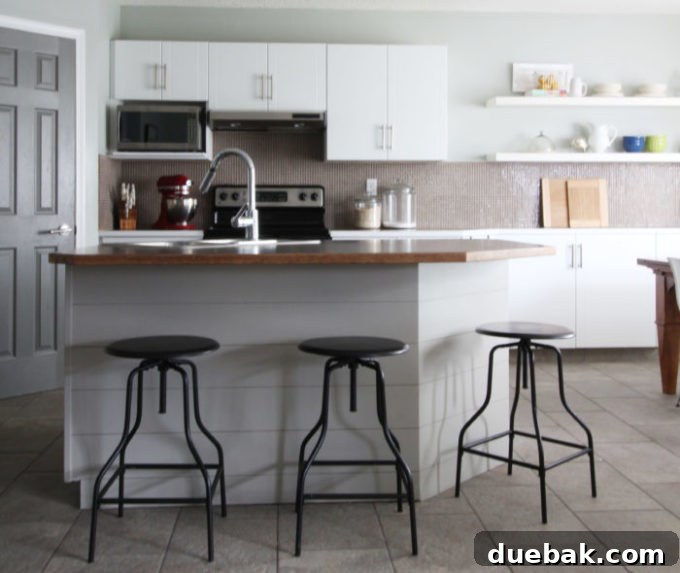
- Tricky Angles: Our island presented a unique challenge with an odd angle nearest the dining table, deviating from a standard 90-degree corner. In such cases, you’ll need to miter the corners of your shiplap planks. This involves cutting the ends of the planks at an angle (typically 45 degrees for a 90-degree turn, but for an odd angle, you’ll need to divide the total angle by two) so they align perfectly flush when joined. Achieving perfectly mitered corners requires careful measurement and precise cuts with a miter saw. Test your cuts on scrap pieces first to ensure accuracy before cutting your actual planks. This meticulous approach guarantees a smooth, seamless transition around complex angles.
5. Addressing the Baseboard Conundrum
This particular corner, where the island met the existing baseboards and flooring, caused me significant frustration. The tile underneath the cabinet didn’t wrap all the way around the base of the island, creating an awkward visual break. My initial desire was to add a tall baseboard around the entire perimeter of the island to achieve a more cohesive and finished look. However, the inconsistent tile line at this specific corner presented a real design dilemma, making it difficult to envision a clean solution. What made it even more vexing was that this is the very first angle of the island that catches your eye upon entering the room, making its imperfections all the more noticeable. Ultimately, we opted for a custom solution that involved carefully scribing the shiplap to meet the existing baseboard and flooring as seamlessly as possible, filling any minor gaps with caulk for a polished appearance. This kind of customization is often required in older homes where surfaces aren’t perfectly uniform.
6. Finishing Touches: Caulk, Fill, and Sand
Once all the planks and trim pieces are securely in place, it’s time for the crucial finishing steps. Fill all nail holes with wood filler and allow it to dry completely. Once dry, sand these areas smooth. Apply a bead of paintable caulk along all seams where the shiplap meets other surfaces (walls, countertop, corner trim) to create clean, crisp lines and seal any gaps. This step is essential for achieving a professional, built-in look.
Selecting the Perfect Paint for Durability and Style
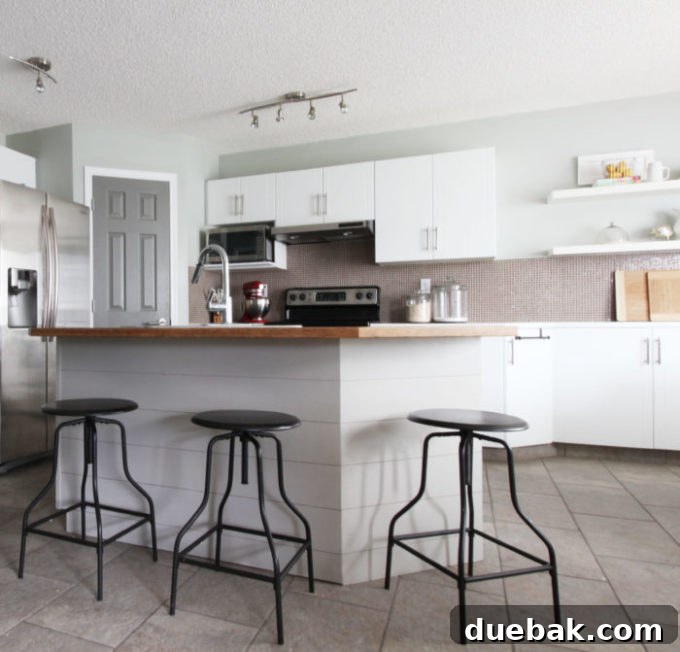
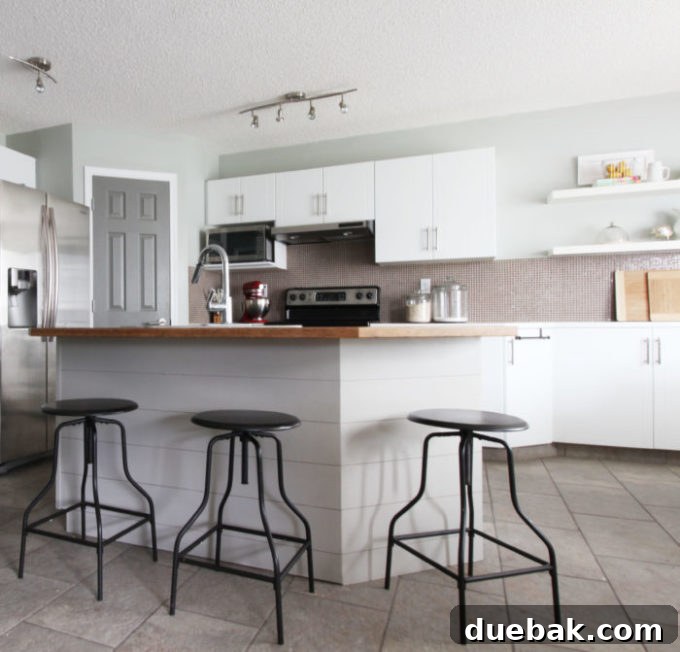
With the shiplap trim expertly installed, the next critical step was selecting the perfect paint to complete the island’s transformation. The right paint not only defines the aesthetic but also provides crucial durability for a high-traffic kitchen area. For our shiplap island trim, we chose “Old Sterling Tint 1” from Para Paints, and it proved to be an impeccable choice. This color is the epitome of a soft, sophisticated grey – it’s neither too dark, which could make the island feel heavy again, nor too cold, which might create an unwelcoming atmosphere. Its subtle warmth and neutrality provide the perfect balance, allowing the island to complement the white cabinetry beautifully while standing out as a refined focal point.
Beyond the color, the type of paint chosen is paramount for a kitchen island, which faces daily wear and tear from energetic kids, accidental chair bumps, and routine vacuum cleaner encounters. We used Para Paints’ specialized cabinet and furniture line, known as ULTRA Cabinet & Furniture paint. For those on the west coast, you might find this exceptional product labelled as Optima. This particular paint is specifically formulated to withstand the rigors of heavy use, making it ideal for kitchen cabinets and islands.
The accessibility of this paint is also a plus; you can typically find it at a Para Paint store or at major retailers like Lowes. And let me tell you, the quality of this paint is truly wonderful. What impressed us most was its remarkable durability. Without the need for a separate top coat or any additional protective finishes, the paint itself has held up incredibly well. Despite the constant action our island sees – from little feet kicking its base to chairs being moved around and the vacuum cleaner bumping against it – the finish remains pristine and resistant to scuffs and chips. This level of performance is exactly what you need in a busy family kitchen.
The transformation is complete, and I am absolutely thrilled with how our shiplap island turned out. It perfectly embodies the modern farmhouse aesthetic we envisioned, adding texture, character, and a touch of elegance to our kitchen. It’s a testament to how a thoughtful DIY project, combined with quality materials, can profoundly impact the look and feel of your home. The soft grey shiplap island now serves as a beautiful centerpiece, making our kitchen not just functional, but truly inviting and stylish.
What do you think of our island’s stunning shiplap makeover? We’d love to hear your thoughts or see your own kitchen island projects in the comments below!
Maintenance Tips for Your New Shiplap Island
Ensuring the longevity and beauty of your newly shiplapped island is straightforward, thanks to the durable paint used. For daily cleaning, a soft, damp cloth is usually sufficient to wipe away spills and smudges. For tougher grime, a mild soap solution can be used. Avoid abrasive cleaners or scrubbing pads, as these can damage the paint finish over time. Regularly dusting the shiplap will prevent dirt from accumulating in the grooves, keeping it looking fresh and clean. With minimal care, your transformed island will continue to be a stunning centerpiece in your kitchen for years to come.
Conclusion: Embracing the Beauty of DIY Home Transformation
Our journey to revitalize our kitchen island with DIY shiplap trim underscores the immense potential of home renovation projects, even those undertaken with a budget-conscious, do-it-yourself spirit. What began as a mere idea for a kitchen facelift evolved into a comprehensive transformation, demonstrating that patience, strategic planning, and a willingness to learn new skills can yield truly remarkable results. From the pivotal decision to replace cabinet doors for a modern update to the meticulous process of installing shiplap and selecting the perfect durable paint, every step contributed to creating a kitchen that not only looks stunning but also functions beautifully for our family’s needs.
The shiplap island has become more than just a functional piece; it’s a testament to personal style and the rewarding experience of crafting something unique for your home. It proves that with the right approach, you can overcome initial design disappointments and transform a space into one that genuinely reflects your vision and brings joy. We encourage you to embrace the possibilities of DIY, to tackle those projects you’ve been dreaming about, and to find inspiration in every step of the renovation process. Your home is a canvas, and with a little effort and creativity, you can paint a masterpiece. We hope our experience provides the encouragement and practical guidance you need to embark on your own successful home improvement adventures.
Pin for later: Inspiration for Your Next DIY Project