

Smart Savings: Uncovering Hidden Ways to Cut Costs and Live Frugally
In our modern world, the path to financial well-being often feels like a constant battle against rising costs and endless temptations to spend. However, what if the most powerful strategy for accumulating substantial savings wasn’t about drastic sacrifices, but rather a thoughtful re-evaluation of what we *don’t* buy? This approach, rooted in intentional spending and mindful consumption, has been a cornerstone of our financial journey for years. It’s a philosophy that transforms “going without” into “streamlining and simplifying,” ultimately freeing up significant cash without feeling like a burden.
We’ve come to realize that many everyday items and services we once considered essential are, in fact, entirely dispensable. Over time, these small, consistent choices add up to an impressive amount of saved money. This article delves into a comprehensive list of things we typically skip, offering practical insights into how you can adopt similar habits to boost your own savings. Prepare to discover how embracing a few simple shifts can empower your financial freedom and allow you to prioritize what truly matters to you and your family.

Rethinking Your Household Habits: Everyday Savings That Add Up
Our homes are often the primary stage for daily expenses, from groceries to cleaning supplies. By making conscious decisions about our routines and the products we use, we’ve uncovered numerous opportunities to cut costs effectively without compromising on comfort, cleanliness, or quality of life.
-
Less Meat, More Savings: Embracing Plant-Based Meals
One of the most impactful changes we’ve made to our grocery budget is reducing our meat consumption. We aim for meat-free meals three or four nights a week, opting for delicious and budget-friendly alternatives like hearty spaghetti with vegetable sauce, nutritious bean burritos, vibrant vegetable stir-fries, homemade pizzas loaded with fresh toppings, comforting nachos, or satisfying sweet potatoes paired with a crisp salad. Meat, particularly certain cuts, can be a significant expenditure, so this shift not only helps slash our grocery bills but also encourages healthier eating habits and culinary creativity. It’s a simple change that yields considerable financial benefits.
-
Ditching Fabric Softener: The Natural Way to Softness
Fabric softener was once a staple in our laundry routine, but we’ve since realized its unnecessary nature. For those who desire a softer feel, a splash of white vinegar in the rinse cycle acts as an excellent natural softener, also helping to remove detergent residue. More often than not, however, we use nothing at all. To our pleasant surprise, we haven’t noticed any adverse difference in the softness, feel, or freshness of our laundry. Eliminating this recurring purchase saves money and reduces exposure to potentially irritating chemicals, making it a win-win for both your wallet and well-being.
-
Simple Dusting: Microfiber and Water Reign Supreme
Specialized dusting sprays, often laden with chemicals and artificial fragrances, were a common sight in our childhood homes. Today, we’ve found them to be entirely redundant. Our preferred and highly effective method for dusting involves nothing more than a damp microfiber cloth and plain water. Microfiber cloths are designed to effectively trap dust and grime without the need for additional cleaning agents, leaving surfaces spotless and shining. This switch not only cuts down on cleaning product expenses but also contributes to a healthier indoor environment by minimizing chemical use.
-
Minimizing Dry Cleaning Expenses: Smart Wardrobe Management
The cumulative cost of regular dry cleaning can quickly become a noticeable drain on your budget. To counter this, we’ve become intentional about selecting clothes that are machine or hand washable whenever possible. This strategic approach means that instead of frequent, often monthly, trips to the dry cleaner, we now only go about once a year, typically for a few specific, delicate coats or blazers. By investing in easy-care fabrics and learning basic garment maintenance techniques at home, you can significantly reduce or even eliminate this common recurring expense.
-
DIY Pet Care: Grooming Your Furry Friends at Home
For our short-haired dog, Burger, at-home grooming is a simple and rewarding task. We handle his baths and nail trims ourselves, entirely bypassing the recurring expense of professional grooming appointments. While the extent of DIY pet care might vary depending on your pet’s breed and temperament, many basic grooming tasks—such as regular brushing, bathing, and even careful nail trimming—can be managed at home. This not only results in considerable savings but also offers a wonderful opportunity for bonding with your beloved companion.
-
Free News Access: Online and Radio Sources
In today’s digital landscape, the need for a physical newspaper subscription has largely diminished. We effortlessly stay informed by accessing news online, where a vast array of publications offer digital formats, often with extensive free content. For those who prefer auditory news, public radio stations like NPR provide excellent, in-depth coverage of current events and analysis. This simple transition eliminates a monthly subscription cost while ensuring we remain well-informed and connected to the world around us.
-
Bypassing Bottled Water: Hydration on a Budget
The perceived convenience of bottled water comes at a significant financial and environmental cost. Our solution is straightforward and effective: we utilize a reliable water filter for our home and carry reusable Klean Kanteens that we refill as needed. This simple change not only saves a substantial amount of money over time, eliminating the constant purchase of plastic bottles, but also drastically reduces our plastic waste. Filtered tap water is often just as good, if not superior, to many bottled brands, making this a healthy and eco-conscious choice.
-
Brewing at Home: The Smart Coffee Choice
The daily habit of purchasing coffee or tea from establishments like Starbucks can swiftly deplete your budget. As a devoted chai lover, I discovered that a single grocery store box of chai concentrate can yield up to seven cups for roughly the same price as just one cup at a coffee shop. This stark price difference highlights a major opportunity for savings. We now reserve coffee shop treats for special occasions, enjoying our favorite brews made at home every morning. This seemingly small adjustment can free up hundreds of dollars annually, redirecting funds towards more meaningful expenditures.
-
Mastering the Art of Packing Light: Avoiding Bag-Checking Fees
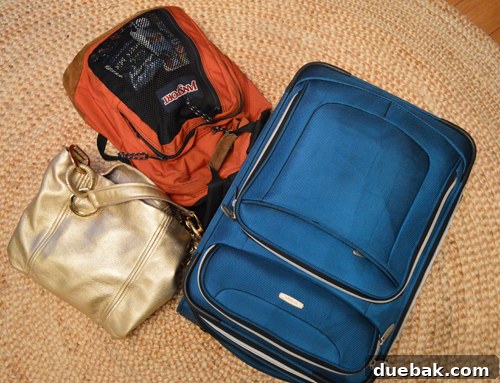
Airline baggage fees are an often-overlooked and easily avoidable travel expense. We’ve embraced the challenge of packing light and efficiently, a skill that has consistently allowed us to bypass checked bag fees. Even when traveling with a dog or a small child, we’ve successfully managed to fit everything into carry-on luggage. Learning efficient packing techniques not only saves money but also streamlines the travel experience, reduces stress, and minimizes the risk of lost luggage. It’s a valuable skill that pays dividends on every journey.
Streamlining Your Personal Care Routine: Beauty and Grooming on a Budget
The beauty and personal care industry constantly markets an array of products, often leading us to believe we need more than we do. By adopting a minimalist and natural approach, it’s entirely possible to look and feel great while significantly reducing your personal care budget.
-
Embracing Natural Hair: Skipping Gels, Hairsprays, and Mousses
My philosophy regarding hair styling products like gel, hairspray, mousse, and serum has been consistent since college: I simply don’t buy them. My preference is for a “wash and wear” approach, allowing my hair to air dry naturally. This choice not only results in considerable financial savings on recurring product purchases but also offers benefits for my skin, as I’ve found that many hair products can contribute to breakouts. Simplifying your hair routine can lead to healthier hair and skin, alongside impressive financial savings.
-
Minimalist Makeup Bag: Less is More
For me, lipstick isn’t a part of my daily beauty routine. I prioritize a minimalist approach to makeup, sticking only to the essential items found in my core makeup tote. The beauty market is flooded with countless shades, palettes, and products, often encouraging impulse buys. By resisting the urge to follow every trend and focusing only on what truly enhances your natural features, you effectively keep more money in your pocket. This approach champions quality, functionality, and reduces unnecessary clutter and waste.
-
Natural Skin Acceptance: Ditching Fancy Creams and Self-Tanners
I am naturally pale, and I’ve completely embraced it. There’s no need or desire to spend a fortune on self-tanning products or an endless array of expensive anti-aging creams. My mother, who looks remarkably youthful for her age, has always relied on natural skincare and has never used fancy potions or elaborate routines. Her example inspires me to age gracefully and naturally. By forgoing these costly beauty industry staples, we save money and cultivate a healthier, more accepting self-image that isn’t dependent on external products.
-
The Power of Simplicity: Forgoing Perfumes and Colognes
I genuinely appreciate and enjoy the subtle, clean scent of my shampoo, and that’s usually all the fragrance I need throughout the day. Similarly, John opts not to wear cologne. Perfumes and colognes, particularly designer brands, can be surprisingly expensive, representing a recurring luxury purchase. Skipping these items means one less expense to budget for and a more natural approach to personal fragrance, often relying on the pleasant aromas provided by quality soaps and shampoos.
-
DIY Haircare: Trims and Colors at Home
Professional haircuts and coloring services can quickly become one of the most substantial recurring personal care expenses. I typically get a professional cut only once every two years, usually for around $35. Beyond that, I manage my own hair trims at home. And, of course, cutting John’s hair ourselves further amplifies our savings. Learning basic trimming techniques or finding an affordable stylist for occasional touch-ups can dramatically reduce these costs, empowering you to take greater control over your grooming budget.
-
Home Manicures and Pedicures: Salon Visits for Special Treats
Regular professional manicures and pedicures are a luxury that can quickly deplete your budget. My approach is to treat myself to a salon visit about once a year, usually with a friend, and I often pair it with another small indulgence like a special coffee. For everyday maintenance, I handle my own pedicures at home and typically leave my fingernails bare or apply a simple polish myself. DIY nail care is not only easy and relaxing but also an incredibly effective way to save money while keeping your nails looking neat and well-maintained.

Smart Choices for Home and Lifestyle: Long-Term Financial Freedom
Beyond daily habits and personal grooming, certain larger lifestyle and home-related choices can profoundly impact your long-term financial health. These strategic decisions often lead to substantial, ongoing savings and foster a more sustainable and intentional way of living.
-
Tailored Fitness: Gym Memberships That Fit Your Needs (or Not)
For me personally, a gym membership simply doesn’t align with my fitness preferences or daily routine, so it’s an expense I happily skip. However, my partner, John, genuinely enjoys and makes excellent use of his membership. This illustrates a crucial point about savings strategies: they are deeply personal. It’s essential to evaluate what truly works for *you*. If you prefer outdoor activities, home workouts, community sports, or simply walking, skipping a costly gym membership can free up significant funds. There are countless free or low-cost ways to stay active and healthy without committing to a monthly fee.
-
Mindful Consumption: Alcohol as an Occasional Indulgence
Alcohol can represent a considerable, and often overlooked, monthly expense for many households. John has never been a regular drinker, and I typically consume perhaps one bottle of wine a year at home, which is often a thoughtful gift from a house guest. For us, this means alcohol is rarely a budgeted monthly expense. By limiting or entirely forgoing regular alcohol purchases, you can realize remarkable savings, contributing positively to both your financial health and potentially your physical well-being.
-
Sustainable Parenting: The Economic Benefits of Cloth Diapers
Opting for cloth diapers over disposables is a decision that offers substantial long-term financial savings, in addition to significant environmental benefits. While there is an initial upfront investment in purchasing cloth diapers, they quickly pay for themselves when compared to the continuous, ongoing expense of disposable alternatives. You can explore our detailed experience and rationale for this choice here. It stands as a prime example of how an initial investment can lead to profound savings over an extended period.
-
Beyond the Diaper Bag: Multi-Purpose Carry Solutions
When our child was young, I made the conscious decision not to purchase a specialized diaper bag. Instead, I simply used a regular purse for daily essentials and kept extra supplies conveniently stored in the car. This approach demonstrates that many “must-have” specialized items marketed to new parents are often unnecessary. With a little creativity and resourcefulness, existing bags or versatile totes can easily serve multiple purposes, helping you avoid yet another costly purchase in the realm of baby gear.
-
Energy-Efficient Lighting: The Long-Term Payoff of LEDs and CFLs
Transitioning from traditional incandescent bulbs to more energy-efficient CFLs (Compact Fluorescent Lamps) and LEDs (Light-Emitting Diodes) in the majority of our home’s fixtures has resulted in significant reductions in our electricity bills. Although the initial cost of LED bulbs can be higher, their exceptional longevity and drastically lower energy consumption mean they essentially pay for themselves many times over throughout their lifespan. Our long-term goal is to eventually convert all lighting throughout our home to LED, systematically updating different rooms over time, recognizing it as a smart, ongoing investment in reduced utility costs and environmental responsibility.
-
The One-Car Household: Maximizing Savings and Convenience
While certainly not a feasible option for every family, maintaining a one-car household has been an immense financial advantage for us. Given that I’ve been freelancing from home for the past seven years, having a single vehicle for our family has proven entirely manageable. This strategic decision eliminates the substantial costs associated with a second car, including the purchase price, fuel expenses, ongoing maintenance, unexpected repairs, and insurance premiums. While it necessitates efficient planning and coordination, the resulting savings are immense, offering a powerful illustration of how thoughtful lifestyle choices can dramatically impact your overall budget and financial freedom.
Balancing Your Budget: Spending on What Truly Matters
The true beauty and benefit of adopting these “skip it” habits isn’t just about accumulating raw savings; it’s about embracing a philosophy of intentional living and spending. By consciously reducing expenditure in certain areas, we actively create financial freedom that allows us to more easily afford things that genuinely enhance our lives and are profoundly important to our family. This might translate into investing in high-quality project materials for home improvements, consistently enjoying fresh organic produce, indulging in a premium cable TV package for entertainment, or even pursuing unique hobbies like collecting ceramic animals – because everyone has their own unique passions and priorities!
Ultimately, financial management is one big balancing act, where smart savings strategically empower you to splurge wisely and guilt-free on what truly brings you joy, value, and fulfills your family’s needs. We’d absolutely love to hear your own “skip it” list and discover what unnecessary expenditures you’ve chosen to eliminate from your life! Remember, this is a completely no-judgment zone. What works perfectly for one person might not be suitable for another. For instance, you might absolutely adore getting your hair professionally dyed and consider it a non-negotiable treat, but perhaps you can easily resist buying giant dangly earrings, whereas I may or may not have well over a dozen of those tucked away in my nightstand! The paramount goal is to find your personal equilibrium and make deliberate choices that genuinely serve your financial well-being and overall happiness.
Psst- For more inspiration and a deeper dive into money-saving strategies, you can explore over 30 additional frugal tips and money-saving posts from our archives here.