

A sparkling clean kitchen sink isn’t just a pleasure to behold; it’s the cornerstone of a hygienic and inviting kitchen. While stainless steel sinks are prized for their sleek aesthetics and robust durability, they are notoriously prone to smudges, water spots, and the gradual accumulation of grime. Over time, constant use for washing dishes, hands, and preparing food can leave them looking dull, stained, and far from their original luster. Many assume that restoring that pristine shine requires harsh chemicals or exhaustive scrubbing, but we’re here to share a secret: cleaning your stainless steel sink can be one of the most effortless and satisfying tasks on your household chore list.
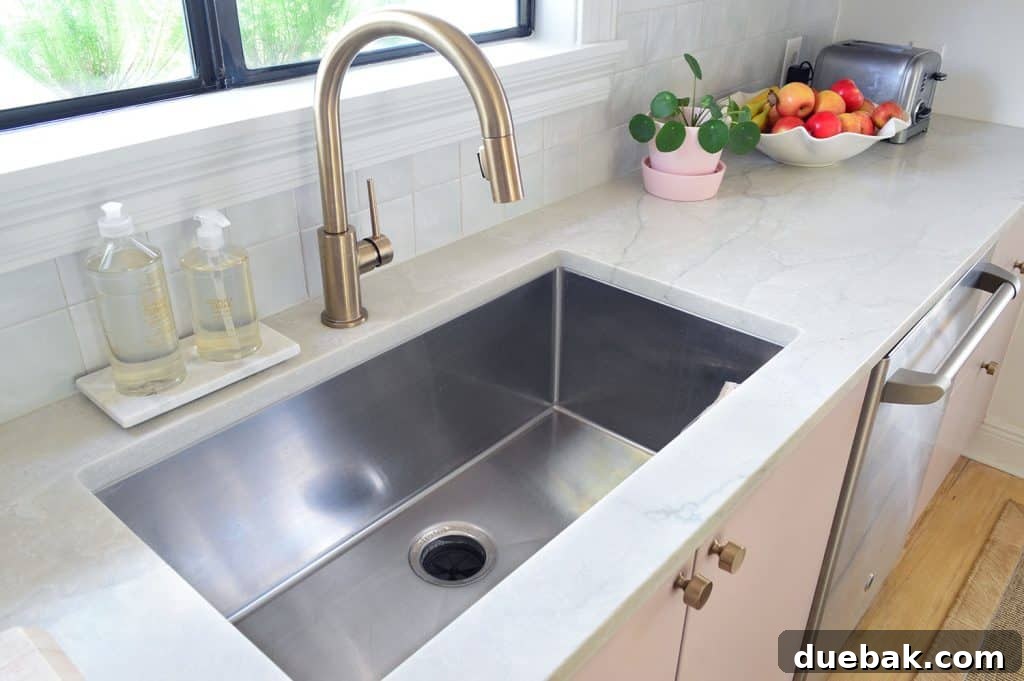
Forget complex cleaning agents or specialized tools. Our remarkably simple method uses just a handful of everyday household items, transforming your sink from grimy to gleaming in mere minutes. It’s incredibly effective, surprisingly enjoyable, and so easy that even our kids can do it – though we often find ourselves wanting to tackle it because the results are so visibly rewarding. This approach not only cleans but also revitalizes your sink, making it look as good as new, without the need for excessive elbow grease or irritating fumes. Prepare to discover your new favorite cleaning ritual.
Essential Supplies For A Sparkling Sink
Achieving a brilliantly clean stainless steel sink doesn’t require an arsenal of expensive or specialized products. Our highly effective method relies on just three basic ingredients, many of which you likely already have within arm’s reach in your kitchen. This minimalist approach not only makes the task more approachable but also safer for your household and the environment.
- Baking Soda: This humble pantry staple is a powerhouse for cleaning. Its mild abrasive qualities gently scrub away grime, food residue, and minor stains without scratching the delicate surface of stainless steel. Beyond its abrasive action, baking soda is also an excellent natural deodorizer, neutralizing unpleasant odors that can linger in your sink.
- Liquid Dish Soap: Any standard liquid dish soap will do the trick. Its primary role is to cut through grease and oil, helping to lift and emulsify dirt from the sink’s surface. It also aids in creating a paste-like consistency when combined with baking soda, making it easier to apply and scrub.
- Warm Water: Readily available from your kitchen faucet, warm water is essential for creating the cleaning paste, aiding in the scrubbing process, and most importantly, for rinsing away the cleaning agents and dissolved grime.
That’s the complete list! You’ll be amazed at the transformative power of these simple items. The only item you might need to purchase is a box of baking soda, which is inexpensive and versatile for numerous other cleaning tasks around the house.

While some cleaning guides might suggest additional supplies like white vinegar, lemon juice, rubber gloves, or microfiber cloths, we’ve found them unnecessary for our routine cleaning method. While white vinegar can be useful for tackling hard water spots or as a disinfectant, and lemon juice can add a fresh scent, the beauty of our method lies in its extreme simplicity. Keeping the material list short and sweet makes you far more likely to embrace and regularly tackle this incredibly satisfying cleaning task.
Six Simple Steps To Restore Your Sink’s Shine
Prepare for a cleaning experience that’s surprisingly enjoyable and deeply rewarding. The following steps are not only straightforward but also strangely satisfying, almost akin to a therapeutic activity, culminating in a gleaming, pristine sink. We’ve even created a video demonstration to guide you through the process, or you can follow our detailed written instructions below.
- Empty your sink completely.
- Generously sprinkle with baking soda.
- Apply a drizzle of liquid dish soap.
- Thoroughly scrub all surfaces.
- Rinse away all residue with warm water.
- Dry or buff for an ultimate shine.
For a visual guide on these steps, you can watch this video on YouTube.
Step 1: Empty Your Sink Completely

Before you begin the cleaning process, ensure your sink is completely clear of any obstructions. This means loading the dishwasher, removing all dirty dishes, pots, pans, and utensils. Rinse away any leftover food particles or debris. Don’t forget to remove any sink grids, basin trays, sponge caddies, or drain stoppers. A completely empty sink provides unobstructed access to every surface, allowing for a truly thorough cleaning and ensuring no hidden spots are missed.
Step 2: Generously Sprinkle with Baking Soda

Next, take your box of baking soda and liberally sprinkle it over all the damp surfaces of your sink. You don’t need a perfectly even, thick coating, but aim for a generous dusting that covers the bottom, sides, and edges. There’s no need for precise measurements – simply shake it directly from the box. The slight dampness of the sink helps the baking soda adhere. This step primes the sink for deep cleaning, allowing baking soda’s mild abrasive properties to start working on surface grime and its deodorizing action to neutralize any lingering odors.
Step 3: Apply a Drizzle of Liquid Dish Soap

With the baking soda in place, squirt a light drizzle of liquid dish soap directly over the sprinkled baking soda. A few swirls around the sink should suffice; you don’t need to drench it. This dish soap will act as a degreaser, helping to lift oily residues and dirt, while also adding a fresh scent. As an alternative or addition, a few drops of lemon juice or essential oils can boost the natural fragrance and add to the cleaning power. This combination sets the stage for creating an effective, yet gentle, scrubbing paste.
Step 4: Thoroughly Scrub All Surfaces
Now comes the truly satisfying part! The baking soda and dish soap will combine to form a gritty, paste-like scrub. Using your fingertips or a soft sponge, begin to rub this mixture vigorously over every inch of your stainless steel sink. You might need to add a tiny splash of warm water from the faucet to achieve a workable, spreadable consistency – just be careful not to add too much and rinse it all down the drain prematurely.

While you can certainly wear gloves or use a microfiber cloth for this step, we highly recommend scrubbing with your bare fingertips. This tactile approach allows you to truly feel the surface, identifying rough spots that need extra attention and ensuring a smooth, even clean. Pay close attention to corners, along the drain, and around the faucet base, as these areas often accumulate the most grime. This hands-on method, though a little messy, is precisely what makes the cleaning process so incredibly gratifying.
Step 5: Rinse Away All Residue with Warm Water

Once you’ve thoroughly scrubbed every surface, it’s time to rinse. Use warm water from your faucet, preferably with a sprayer, to wash away all traces of the baking soda and soap mixture. Direct the water towards the drain, ensuring that all corners, edges, and the area around the drain are completely clear of residue. As you rinse, watch the grime disappear, revealing the gleaming stainless steel underneath. If you notice any missed spots or lingering dullness, simply reapply a small amount of baking soda and dish soap to that area and scrub again before rinsing. This method is forgiving, so don’t stress if your first pass isn’t 100% perfect.
Step 6 (Optional): Dry Or Buff For An Ultimate Shine

For the ultimate, streak-free sparkle, grab a clean paper towel or a soft, dry cloth and wipe your freshly rinsed sink completely dry. This “buffing” step is optional, but highly recommended, as it eliminates any potential water spots or streaks that can form as the water air-dries, leaving your stainless steel looking truly magnificent. While the sink will inevitably get wet again with daily use, taking this extra moment to dry and buff after a deep clean provides that satisfying, mirror-like finish that truly showcases the effectiveness of this simple method. It’s the final touch that makes all the difference in achieving that coveted “like-new” appearance.
Optimal Cleaning Frequency For Stainless Steel Sinks
Maintaining the pristine condition of your stainless steel sink involves a balance between daily upkeep and deeper, more thorough cleanings. The method described above, utilizing baking soda and dish soap, is ideal for an as-needed basis, typically performed every 1-2 weeks, depending on your sink’s usage. This schedule helps prevent the build-up of tough grime, mineral deposits, and subtle staining that can dull the surface over time.

For daily cleaning, a quick rinse with the faucet sprayer and a wipe-down with a sponge is usually sufficient to remove obvious food scraps and prevent odors or rust spots from forming. This routine keeps everyday messes at bay but doesn’t restore the brilliant, like-new shine that our baking soda method delivers. It’s truly amazing how transformative this process is – we’ve seen incredible results even after years of heavy use! For exceptionally tough stains or persistent mineral deposits, you might consider an alternative approach: try substituting white vinegar for the dish soap in our method. The effervescent reaction between baking soda and vinegar can often help fizz away stubborn residues. If you encounter extremely resistant stains, commercial stainless steel cleaners like Bar Keepers Friend offer a strong line of defense and can be highly effective when used according to their instructions.
Common Mistakes To Avoid When Cleaning Stainless Steel
While stainless steel is celebrated for its durability, it’s not entirely impervious to damage, especially when cleaned improperly. To ensure your sink retains its beauty and longevity, it’s crucial to be aware of certain practices and products that should be avoided:
- Harsh Abrasives: Never use steel wool, abrasive scouring pads, or stiff wire brushes. These materials can easily scratch the surface of stainless steel, creating unsightly marks that are difficult, if not impossible, to remove. Opt for soft cloths, sponges, or even your bare hands as recommended in our method.
- Strong Chemicals: Avoid harsh chemicals like bleach, oven cleaners, or other aggressive cleaning agents not specifically formulated for stainless steel. Bleach, in particular, can cause pitting, discoloration, and even corrosion on stainless steel surfaces. Always check product labels and choose cleaners designed for your sink’s material.
- Prolonged Contact with Metal: Do not leave metal pots, pans, utensils, or cleaning tools (like steel wool or cast iron) to sit in the sink for extended periods. Direct contact between dissimilar metals, especially in the presence of moisture, can lead to galvanic corrosion, resulting in rust spots on your stainless steel.
- Standing Water: Stagnant water, especially in areas with hard water, can leave behind mineral deposits and unsightly water spots. Over time, these can etch the surface or even contribute to corrosion. Ensure your sink drains efficiently and that the basin is relatively level to prevent water from pooling. Regularly wiping the sink dry after use can also significantly reduce water spot formation.
By keeping these simple precautions in mind and pairing them with regular, gentle cleaning as outlined in our method, you can effectively maintain your stainless steel sink, preserving its high-end appearance and extending its lifespan for many years to come.
The Undeniable Benefits Of A Clean_Stainless_Steel_Sink
Beyond simply making your kitchen look more appealing, regular and thorough cleaning of your stainless steel sink offers a multitude of practical benefits that contribute to a healthier, more pleasant home environment. A clean sink is not just about aesthetics; it’s about functionality, hygiene, and extending the life of a key kitchen fixture.

It Reduces Unpleasant Odors
Food particles, grease, and general kitchen debris inevitably accumulate in your sink, especially around the drain and corners. As these organic materials break down, they can become a breeding ground for bacteria and yeast, leading to stale, unpleasant kitchen smells. Our baking soda and dish soap method effectively eliminates these odor-causing residues. Furthermore, the use of dish soap (and optionally, lemon juice) leaves behind a fresh, clean scent, contributing to a more inviting kitchen atmosphere.
It Significantly Improves Hygiene
Your kitchen sink is one of the busiest and potentially most contaminated areas in your home. It routinely comes into contact with raw food, dirty dishes, and various forms of bacteria. Ingredients like baking soda, white vinegar, and even common dish soaps possess antibacterial properties that are crucial for maintaining a sanitary environment. They help combat common kitchen pathogens such as E. coli and salmonella, reducing the risk of cross-contamination. A regularly cleaned sink provides a much more hygienic surface for rinsing produce, prepping food, and washing dishes, safeguarding your family’s health.
It Prevents Stubborn Stains and Build-Up
Consistent cleaning with a gentle abrasive like baking soda plays a vital role in preventing the formation of permanent stains. Hard water minerals, coffee, tea, and other food dyes can etch into the stainless steel surface over time if left unaddressed. Regular scrubbing removes these residues before they have a chance to set in. This is particularly important in areas that might be out of sight, such as beneath sponge caddies or around drain stoppers, where build-up can quickly accumulate and lead to stubborn, hard-to-remove marks.
It Preserves Aesthetics and Longevity
A well-maintained stainless steel sink not only looks better but also lasts longer. Regular cleaning protects the material from corrosive elements, scratches, and dulling films, thereby preserving its sleek, high-end appearance. By preventing rust, pitting, and permanent discoloration, you extend the functional lifespan of your sink, ensuring it remains a beautiful and resilient centerpiece in your kitchen for years to come.
More Expert Tips For A Cleaner Home

Mastering the art of a clean stainless steel sink is just one step towards a more organized and sparkling home. We’ve gathered insights from cleaning experts over the years, and their wisdom has transformed how we approach household chores. If you’re looking to simplify your cleaning routine and achieve outstanding results across your entire home, explore some of our other top resources:
- Ep #39: How To Make House Cleaning Suck A Little Less (featuring cleaning expert Melissa Maker)
- Ep #60: Game-Changing Organizing Tips
- Ep #48: Cleaning Tips From Clean Mama
- Our Go-To Household Cleaners
- 2-Ingredient Homemade Window Cleaner
- Are Robot Vacuums Worth It?
- How To Get Rid Of Fruit Flies
- A Beginner’s Guide to Pressure Washing
- The Best Home Air Purifier
*This post contains affiliate links, so we may earn a small commission when you make a purchase through links on our site at no additional cost to you.