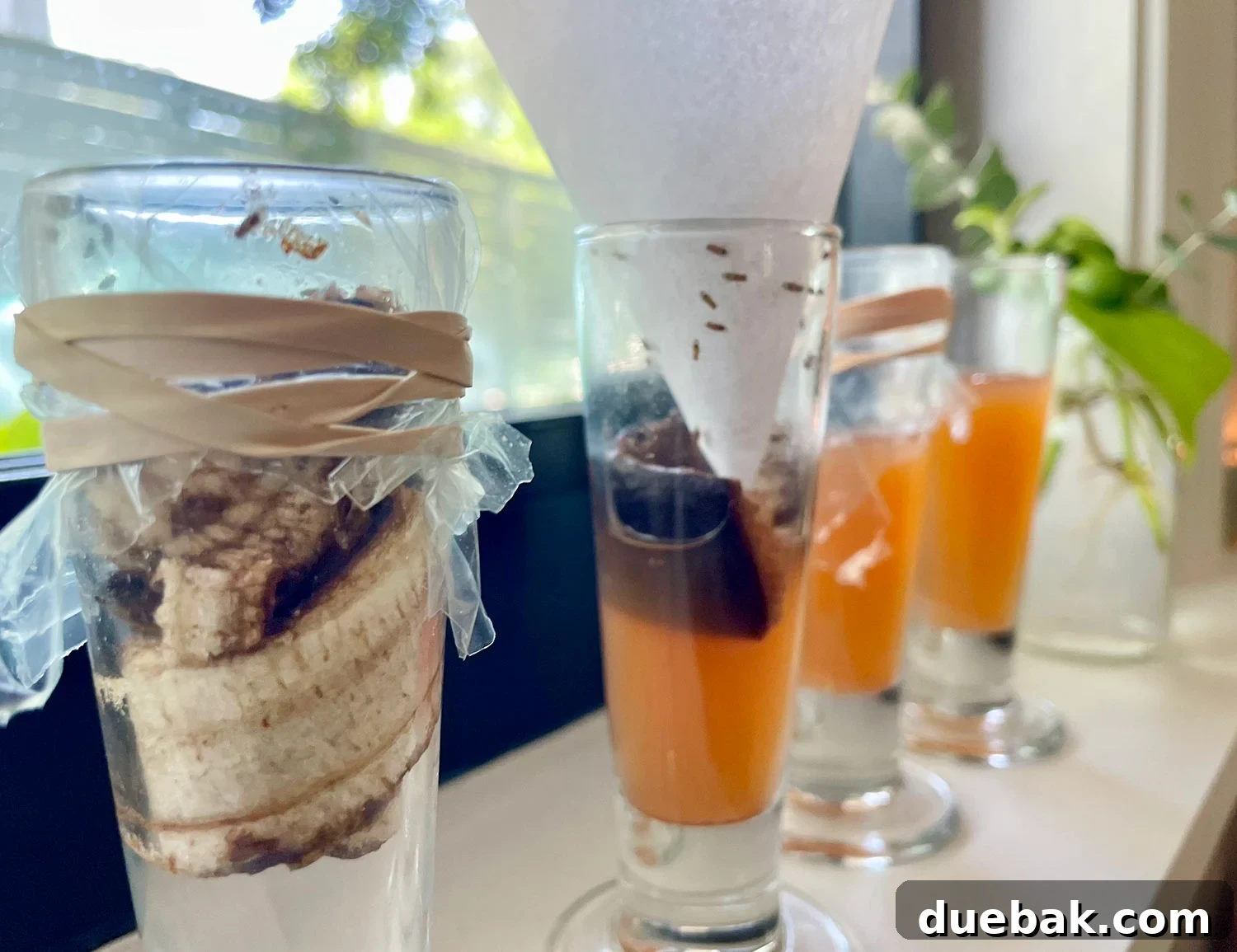
Ultimate Guide to Effectively Getting Rid of Fruit Flies: DIY & Store-Bought Solutions
Are you battling tiny, persistent pests buzzing around your kitchen, pantry, or even your houseplants? If so, you’re likely dealing with fruit flies, a common household nuisance that can multiply rapidly. While these minuscule invaders can be incredibly annoying, the good news is that banishing them from your home doesn’t require expensive chemicals or specialized equipment. In fact, many highly effective solutions can be found right in your kitchen cabinets!
After extensive testing of various natural and readily available methods, we’ve compiled this comprehensive guide to help you tackle any fruit fly infestation. We’ll delve into the science behind these pests, reveal the secrets to creating potent DIY traps using everyday ingredients, compare homemade solutions with popular store-bought options, and provide invaluable tips for preventing their return. Get ready to reclaim your kitchen and enjoy a fruit fly-free environment!
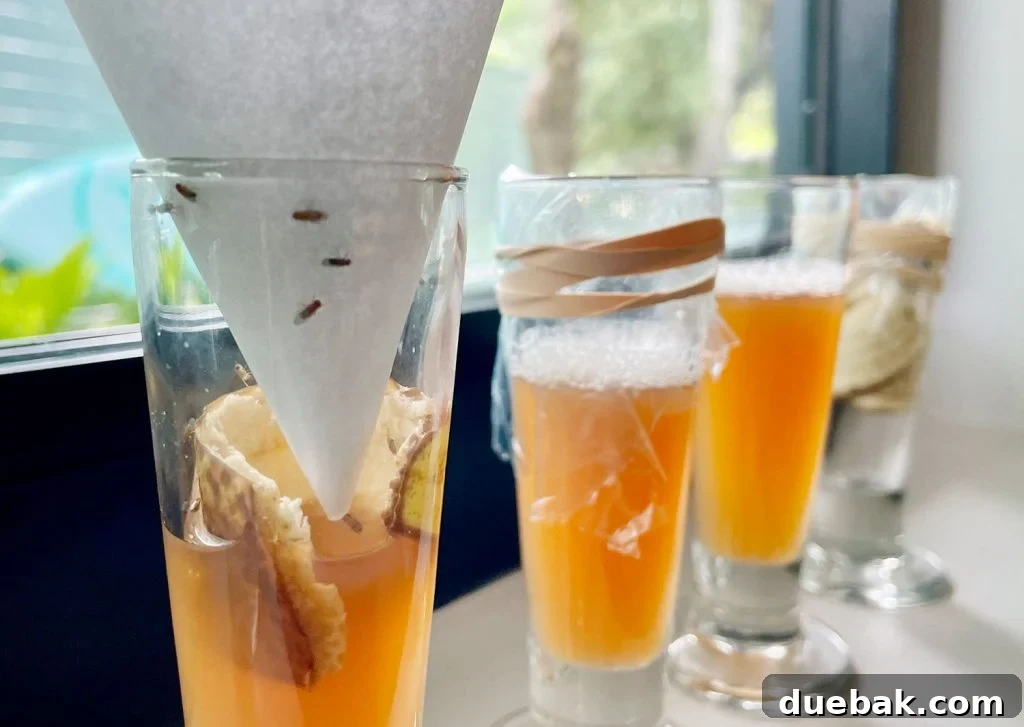
Our focus throughout this guide is on natural, chemical-free approaches, leveraging ingredients you probably already have. We’ll show you how to identify fruit flies, understand their life cycle, and apply proven strategies that are both budget-friendly and environmentally conscious. For those seeking alternative solutions, we also share insights from our comparison tests against commercial traps, ensuring you have all the information needed to make an informed decision.
Understanding the Enemy: What Exactly Are Fruit Flies?
Before you can effectively combat fruit flies, it’s crucial to understand what they are and what attracts them. Fruit flies, scientifically known as Drosophila melanogaster, are small flying insects that are primarily drawn to ripe, fermenting, or decaying fruits and vegetables. Beyond produce, they are also highly attracted to sugary liquids and fermented beverages such as beer, wine, cider, and even sugary juice spills. You’ll commonly spot them congregating around fruit bowls, garbage cans, compost bins, and sometimes even kitchen drains where organic matter can accumulate.
Visually, adult fruit flies are tiny, typically measuring about 1/8 inch (3 mm) long, roughly the size of a grain of rice. They usually have a tan or light brown body and are characterized by their distinctive bright red eyes. While they can appear at any time of year, they tend to be most prevalent in the summer and late fall months, coinciding with the peak harvest season for many fruits.
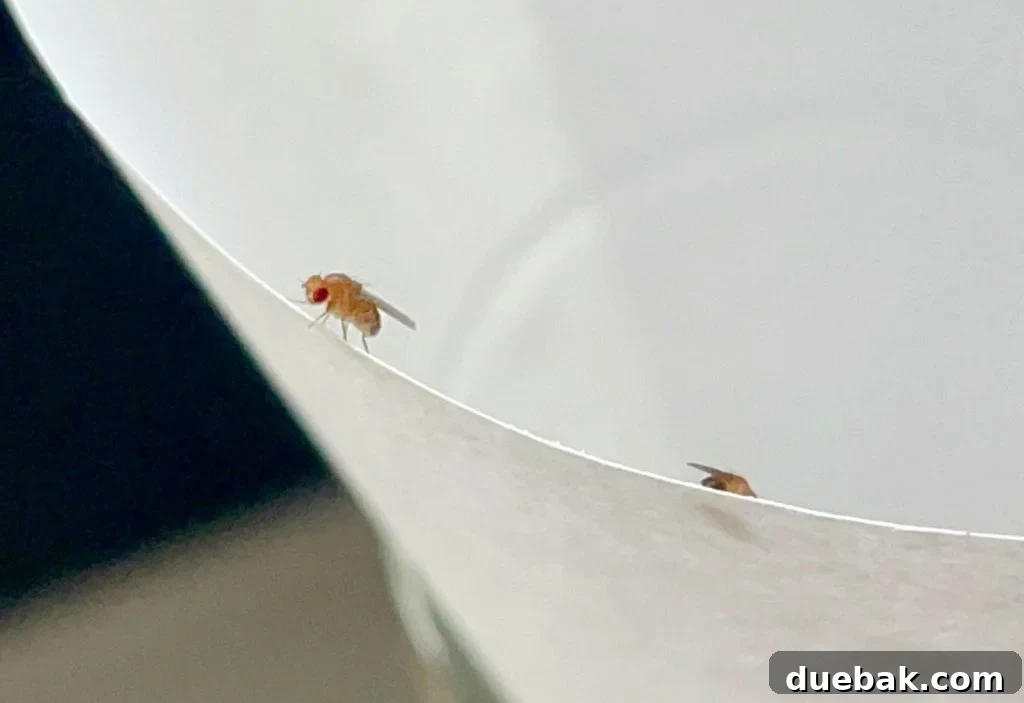
The Astonishing Speed of a Fruit Fly Infestation
The primary reason fruit fly problems can escalate so quickly is their incredibly rapid life cycle. An infestation often begins innocently enough: a single fruit fly or, more commonly, fruit fly eggs or larvae hitch a ride into your home on a piece of store-bought produce. A female fruit fly can lay hundreds of eggs in her short lifespan, often depositing them on the surface of ripening fruit or in decaying organic matter.
These tiny eggs can hatch into larvae in as little as 12 hours under ideal conditions. The larvae then feed on the fermenting material, growing quickly, and reach adulthood within a few days. The entire life cycle, from egg to adult, can be completed in approximately 8-10 days. This means that just a few initial pests can quickly evolve into a full-blown swarm, making swift action essential to control and eliminate them.
Fruit Flies Vs. Fungus Gnats Vs. Drain Flies: Knowing Your Pest
It’s easy to mistake fruit flies for other common small household pests, particularly fungus gnats and drain flies. Misidentification can lead to ineffective pest control methods, so correctly identifying the bug in question is your first step towards successful eradication. The simplest way to differentiate these pests is by observing where you typically spot them and what larger insect they most closely resemble.
- Fruit flies: These look like very small, light brown houseflies with red eyes. They hover around ripe or rotting fruits, vegetables, open beverages, and garbage cans. They are attracted to fermenting organic material.
- Drain flies: Also known as moth flies, these pests look like tiny, fuzzy moths with hairy bodies and wings. They are usually found near sinks, drains, showers, and other areas with standing water or sludge buildup, as they breed in the gelatinous film that forms in pipes.
- Fungus gnats: Resembling miniature mosquitoes, fungus gnats are often found near houseplants. They breed in damp soil, feeding on fungi and decaying organic matter in potted plants. If you disturb a houseplant and see tiny, dark flies emerge, you likely have fungus gnats.
If you’re still uncertain about your pest’s identity, trying one of the fruit fly traps detailed below can be a definitive test. If the trap attracts and catches your buzzing invaders, you can be confident you’re dealing with fruit flies.
Easy & Effective DIY Fruit Fly Traps
Tackling a fruit fly problem doesn’t have to be complicated or expensive. With a few common household supplies and a bit of strategic placement, you can create highly effective traps. Every successful fruit fly trap operates on two fundamental principles:
- Lure: Attract the fruit flies into a designated vessel using a bait they can’t resist.
- Trap: Design the vessel so that once inside, the fruit flies are unable to escape.

Through our testing, we identified several potent lures and ingenious trapping methods, offering you a range of options based on your available supplies and preferred approach. While some traps may yield faster results, all of them require a bit of patience and consistent monitoring over several days to fully eradicate an established fruit fly population.
The Ultimate Attractants: What Fruit Flies Love Best
Fruit flies possess an uncanny attraction to the pungent, sour aroma of rotting fruit and fermented liquids. These scents signal a perfect breeding ground and food source for them. In our comparative tests, we consistently found that rotting fruit proved to be the most compelling lure, with banana peels and strawberries emerging as particularly effective baits.
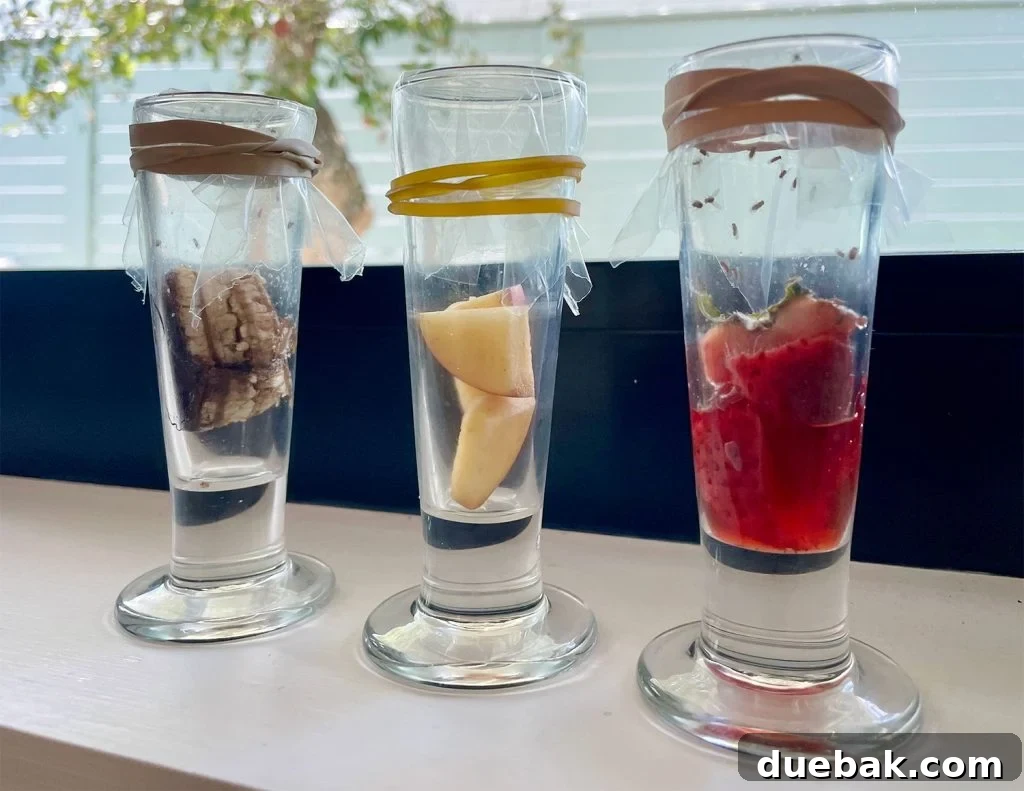
While apple cider vinegar (ACV) traps were undeniably effective, the sheer speed and volume of catches with fruit scraps were superior. During a 24-hour test with three different fruit baits, a banana peel, already quite rotten at the start, immediately attracted the most flies. However, as the strawberry ripened and began to ferment further over time, it quickly surpassed the banana in overall effectiveness. Interestingly, fresh apple slices failed to attract a single fly, underscoring the importance of fermentation in the bait.
Pro Tip: Boost Your ACV Trap! You can significantly enhance the pulling power of an apple cider vinegar trap by adding a small piece of ripe or rotting banana peel to it. This combination leverages both the fermented scent of ACV and the strong attraction of decaying fruit. Remember to refresh your fruit bait daily or every other day to maintain its potency and prevent any unwanted odors from lingering.
Top 3 Best Homemade Fruit Fly Traps
Once you’ve mastered the art of luring fruit flies, the next critical step is ensuring they cannot escape. We rigorously tested three distinct DIY trapping methods, ranking them below based on their ease of creation and overall effectiveness:
- The Plastic Wrap Trap: Highly effective and simple to assemble.
- The Funnel (Paper Cone) Trap: Equally effective but slightly more prone to mishaps.
- The Dish Soap Trap: The easiest to create, but generally less effective for large infestations.
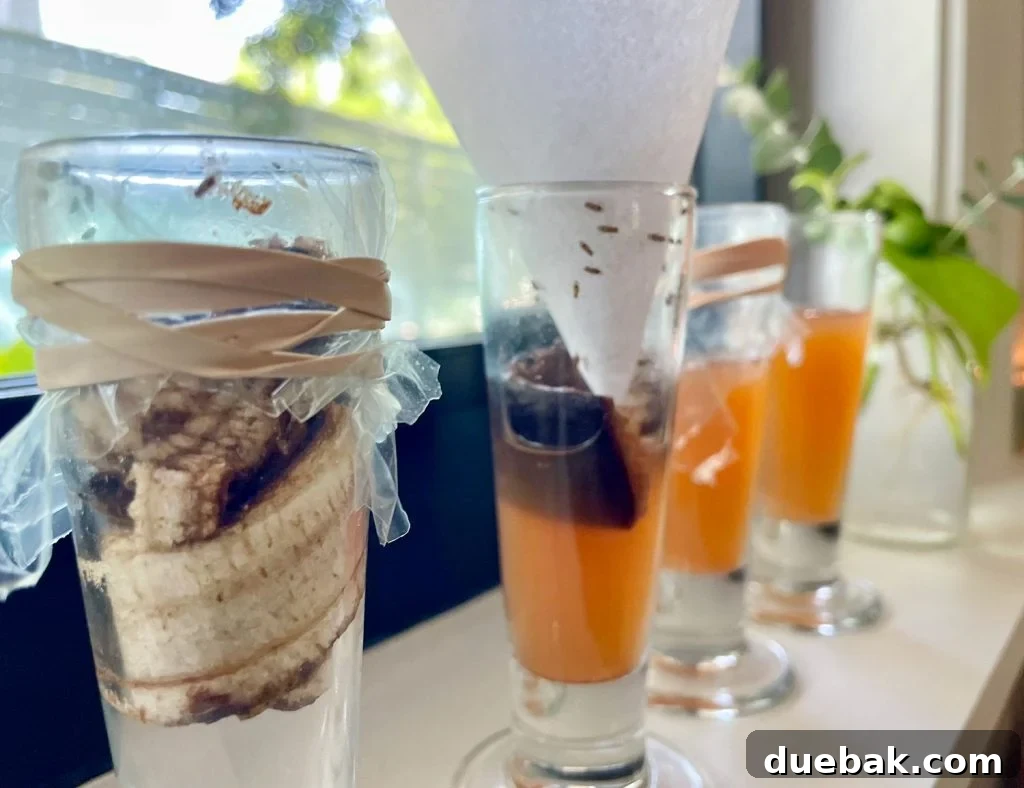
Here’s a detailed breakdown of how to construct each of these highly recommended traps:
#1: The Ingenious Plastic Wrap Fruit Fly Trap
This trap excels by creating a one-way entry system. Fruit flies are drawn into a container through tiny holes in a tightly stretched plastic wrap cover, finding it nearly impossible to locate their exit once inside. The visual clarity of the container also allows you to monitor your progress as you catch more flies.
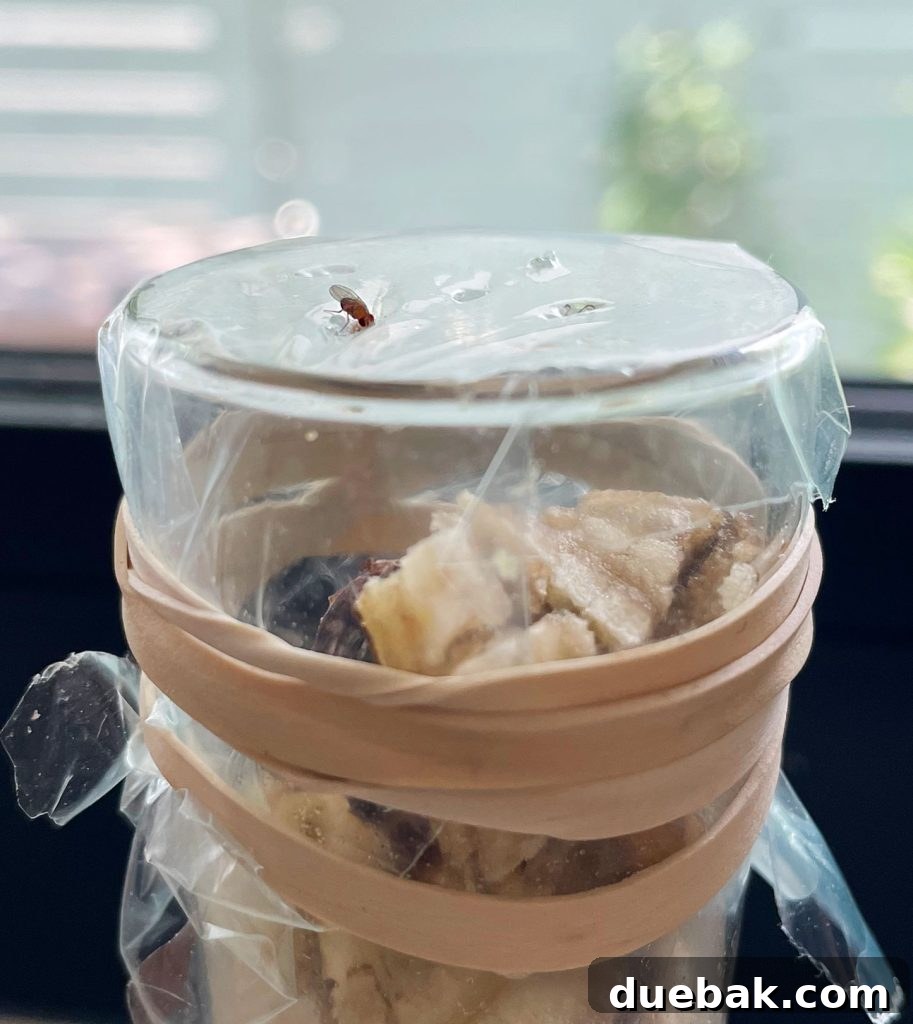
Materials Needed:
- A small, clear jar, glass cup, or plastic container (e.g., an empty jam jar, a drinking glass, or a recycled soda bottle).
- Rubber band.
- Plastic wrap or a clear plastic bag.
- A toothpick, skewer, or sharp pencil.
- Your chosen lure: Rotten fruit (banana peels, strawberry, peach), apple cider vinegar (ACV), old beer, or wine.
Instructions:
- Choose Your Container: Opt for a small, clear container. Glass jars or cups work best as their transparency allows you to easily observe the trapped flies and assess the trap’s effectiveness. An old soda bottle with the top cut off or even a rinsed beer can could also work.
- Add Your Lure: Place a small amount of your chosen attractant at the bottom of the container. A few slices of overripe banana or strawberry, about an inch of apple cider vinegar, or a splash of old beer/wine will suffice. The stronger the fermented scent, the better!
- Cover with Plastic Wrap: Firmly stretch a piece of plastic wrap over the opening of your container. Ensure it forms a tight, wrinkle-free seal around the rim. Secure it in place with a rubber band to prevent any gaps.
- Poke Small Entry Holes: Using a toothpick, carefully poke several tiny holes (about 3-5) into the plastic wrap. These holes should be just large enough for a fruit fly to squeeze through, but not so large that they can easily escape. The narrower the hole, the harder it is for them to find their way back out.
- Place and Monitor: Position your trap in areas where you’ve seen the most fruit fly activity (e.g., near fruit bowls, sinks, or garbage cans).
- Wait and Release (or Dispose): Every day or two, check your trap. If you prefer a humane release, carefully bring the trap outside, remove the plastic wrap, and allow the flies to escape. For disposal, you can submerge the trap in soapy water or discard it. Replace your lure with fresh ACV or fruit to maintain effectiveness.
Alternative Method: The Metal Lid Trick: For a more robust and reusable trap, consider using a mason jar or an old food jar with a metal lid. Use a hammer and a small nail to puncture a few small holes in the lid. This creates a durable, ready-made trap cover.
#2: The Traditional Funnel (Paper Cone) Fruit Fly Trap
This classic trap design guides fruit flies into your bait container via a homemade paper funnel. The narrow opening at the bottom of the cone allows flies in but makes it challenging for them to navigate back out. In our tests, this method proved to be as effective as the plastic wrap trap. However, it requires a bit more precision in construction and can be slightly more delicate; we occasionally experienced accidental releases when the funnel was knocked askew.
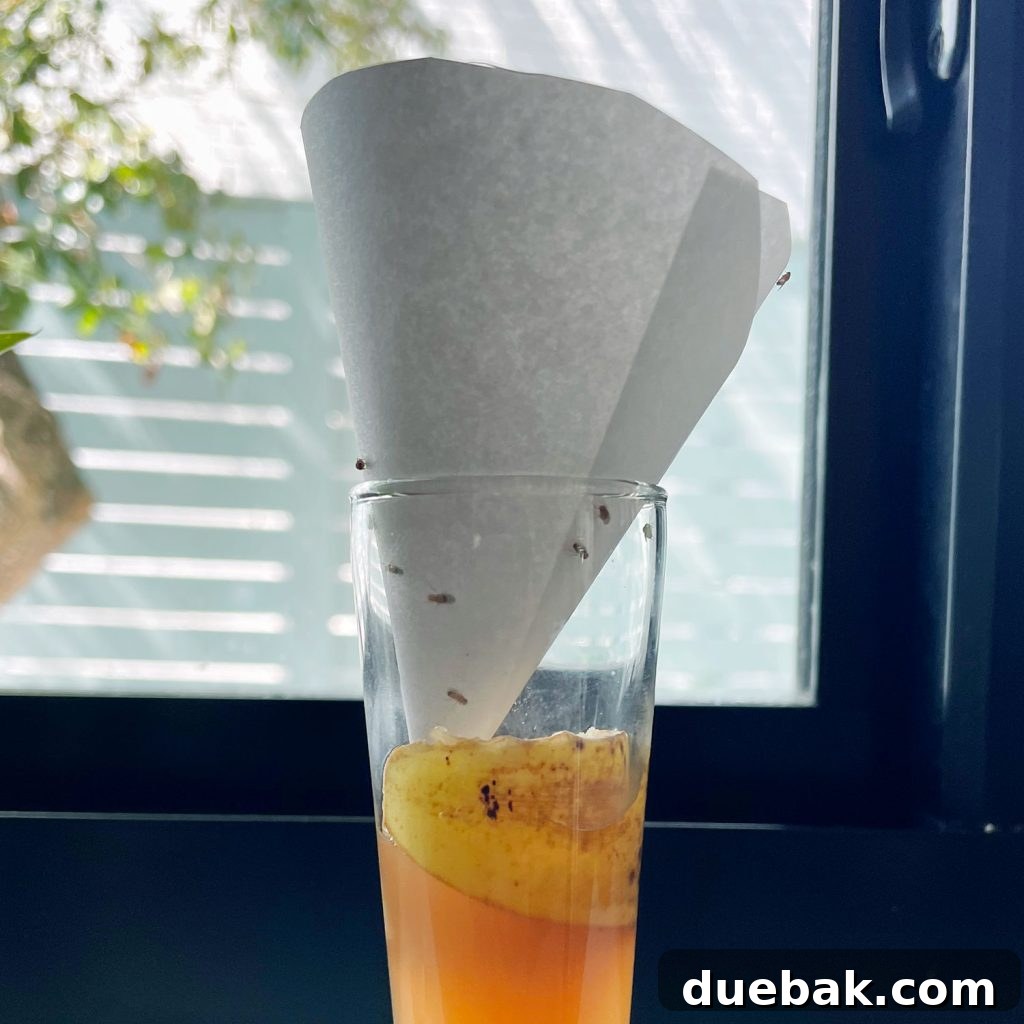
Materials Needed:
- A small, clear container with a relatively narrow opening (e.g., a glass, jar, or bottle).
- A piece of paper or cardstock (8.5×11 inches works well).
- Tape (scotch tape or masking tape).
- Scissors.
- Your chosen lure: Rotten fruit or apple cider vinegar (ACV).
Instructions:
- Select Your Container: As with the plastic wrap trap, a clear glass container is ideal for visibility. Choose one with an opening that your paper funnel can sit securely on top of.
- Add Your Lure: Place your preferred lure (rotten fruit scraps or about an inch of ACV) at the bottom of the container.
- Make a Paper Cone: Take your piece of paper or cardstock and roll it into a cone shape. The wider end should be large enough to cover the opening of your container, and the narrower end should have a very small opening—roughly the size of a grain of rice or slightly larger—that points downwards into the container. Secure the cone shape with tape. Trim any excess paper if it makes the cone unstable.
- Place the Funnel: Carefully set the paper funnel into the opening of your container. Ensure the funnel completely covers the opening to prevent flies from entering around the sides. The tip of the funnel should extend into the container but should not touch the lure liquid or fruit, as flies need space to fly around inside. Reshape your funnel if necessary to achieve a good fit.
- Wait & Release/Dispose Outside: Place the trap where fruit flies are most active. After several flies have been caught, carefully transport the trap outdoors, gently remove the funnel, and release the captured flies. Alternatively, you can submerge the entire trap in soapy water to dispatch the flies before disposal. Replace the lure as needed.
#3: The Dish Soap Fruit Fly Trap
This method stands out for its incredible simplicity, eliminating the need for any covers or intricate constructions. Instead, it leverages the properties of dish soap to create a deadly surface tension trap. While this was undoubtedly the easiest trap to assemble, our testing indicated it was generally the least effective, particularly against a large or persistent infestation. A number of flies demonstrated an ability to escape the soapy liquid, making it a better option for minor problems or as a supplementary trap.
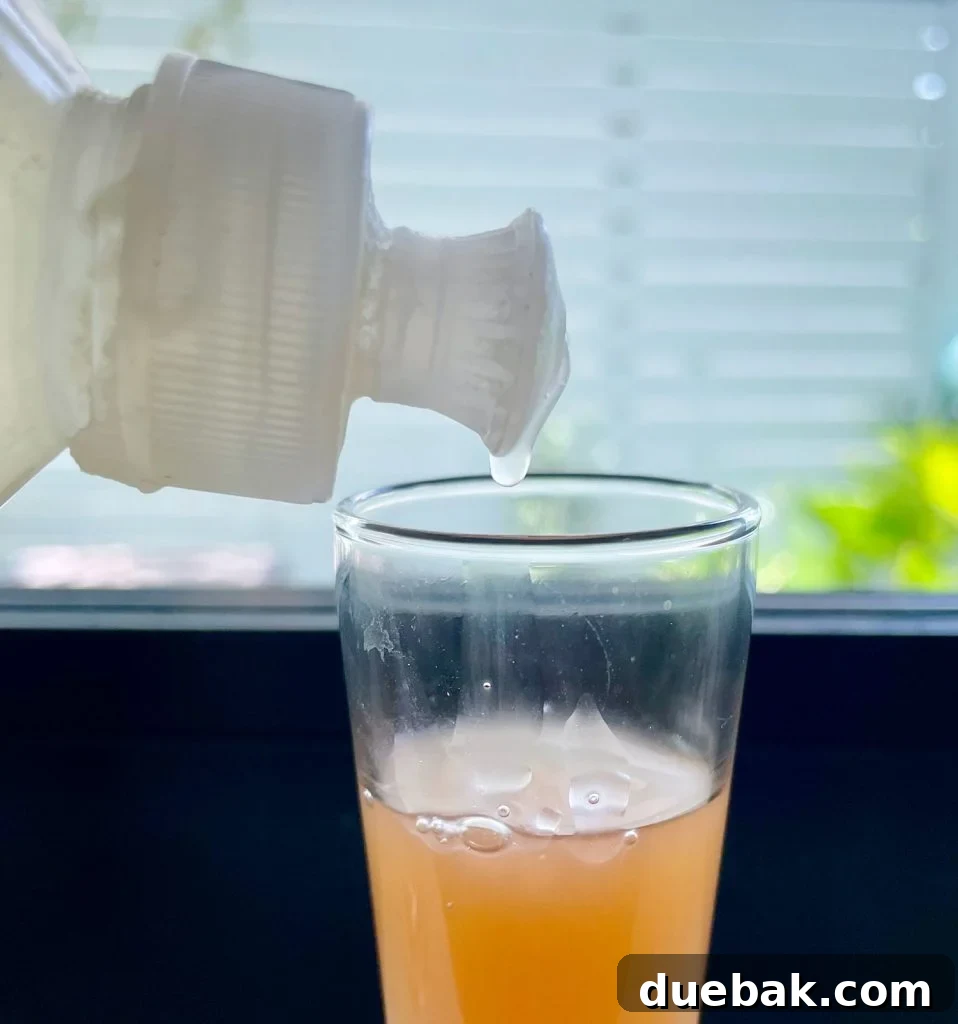
Instructions:
- Prepare the Lure Base: Pour about an inch of apple cider vinegar (ACV), old beer, or wine into a shallow dish, small bowl, or glass. The strong fermented scent will act as an irresistible beacon for fruit flies.
- Add Dish Soap & Mix: Dispense several drops of liquid dish soap directly into the ACV or alcohol. Gently swirl or mix the solution. The crucial role of the dish soap is to break the surface tension of the liquid. Normally, fruit flies can land on liquids and simply fly away. With the surface tension broken, when they attempt to land on the lure, they will sink into the liquid and drown.
- Place Strategically: Position the open dish near areas of high fruit fly activity. Replenish the liquid daily for optimal effectiveness.
Store-Bought vs. Homemade Fruit Fly Traps: A Performance Review
During our experiments, we decided to put commercial solutions to the test against our homemade concoctions. We acquired a pack of Terro Fruit Fly Traps, a popular store-bought option, and pitted one against our top-performing homemade banana and strawberry traps for a 24-hour showdown.
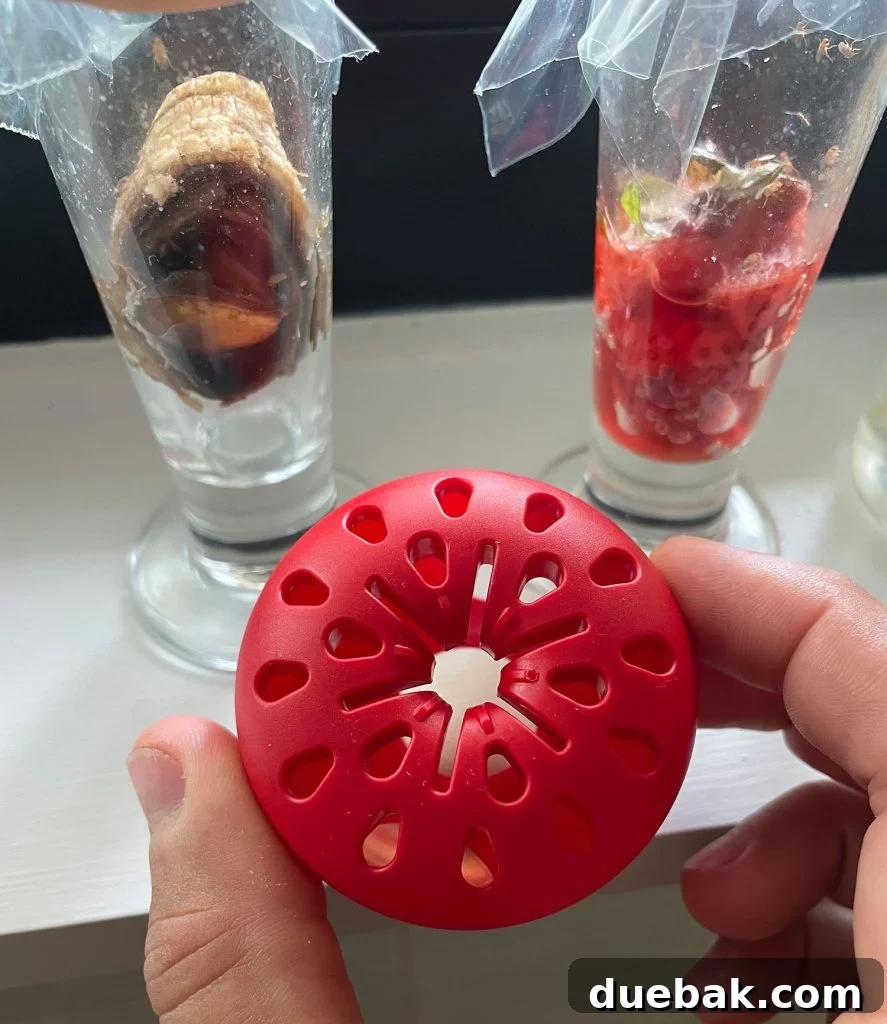
Initially, our homemade strawberry trap once again emerged as the clear winner, closely followed by the banana peel trap. The store-bought Terro trap, surprisingly, caught only a single fruit fly within that initial 24-hour period. However, we decided to give the commercial trap a fair second chance.
After discarding our DIY traps, we left the Terro trap out for an additional 24 hours in the same location. This extended exposure significantly improved its performance, as evidenced by the collection of fruit flies seen in the image below. This suggests that while store-bought traps certainly work, they might not be as fast-acting or intensely attractive as some of the fermented fruit-based homemade alternatives.
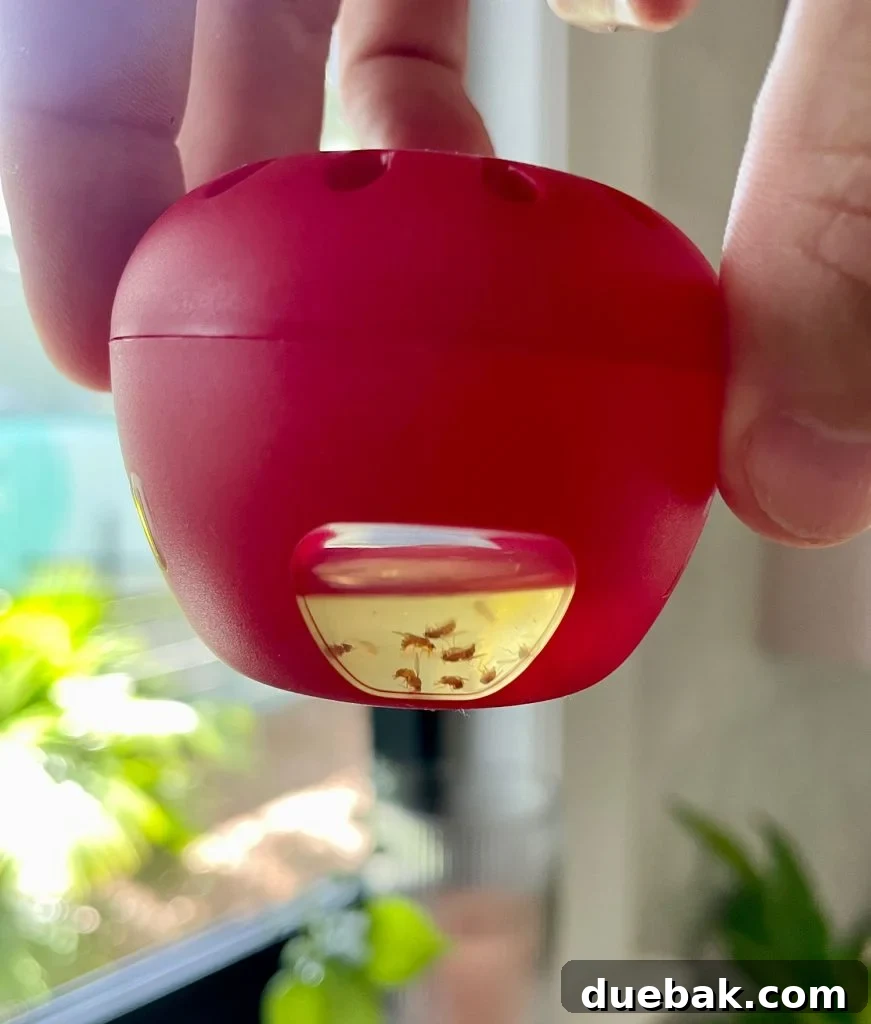
Our Verdict: For rapid and highly effective initial clearing of a significant fruit fly population, homemade traps, especially those utilizing fermenting fruit, often outperform commercial options in terms of speed. However, store-bought traps offer a distinct advantage in terms of discretion and longevity. If you’re looking for a less conspicuous solution that can be left out indefinitely for continuous monitoring and prevention, a well-placed commercial trap can be an excellent choice.
More Effective Store-Bought Fruit Fly Trap Options
The market offers a diverse range of commercial fruit fly traps, varying in design, functionality, and aesthetic appeal. These options provide convenient and often more discreet solutions for ongoing fruit fly management. All the traps highlighted below are generally affordable (under $20) and have garnered thousands of positive reviews, often targeting other common household flying pests as well.
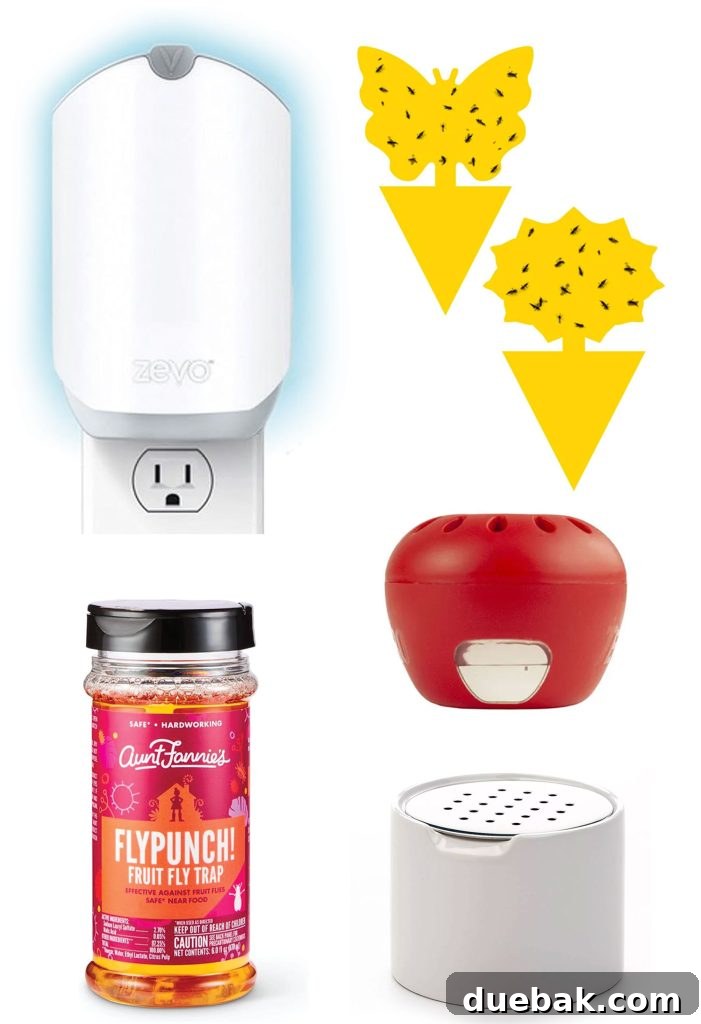
- Zevo Flying Insect Trap (Approx. $19): This innovative trap plugs directly into any standard electrical outlet. It utilizes a combination of UV light and a sticky cartridge to attract and capture a wide range of flying insects, including fruit flies, fungus gnats, and common houseflies, without the use of chemical sprays.
- Landisun Sticky Traps (Approx. $12 for a pack): These small, discreet sticky traps are incredibly versatile. They come with stakes, allowing you to place them directly into potted plants (great for fungus gnats), near fruit bowls, or anywhere you notice fruit fly activity. Their bright yellow color is particularly attractive to many flying insects.
- Terro Fruit Fly Traps (Approx. $15 for a pack): Shaped like miniature apples, these traps use a liquid bait to draw fruit flies inside, where they become trapped and unable to escape. They are specifically designed for fruit flies and provide a subtle addition to your kitchen counter.
- Aunt Fannie’s FlyPunch (Approx. $8): This elegantly designed trap looks more like a stylish spice jar than a pest control device. It contains a plant-based liquid bait with a potent aroma that fruit flies find irresistible, offering an effective and aesthetically pleasing solution.
- Sur La Table Fly Trap (Approx. $15): For those prioritizing kitchen aesthetics, this trap offers a chic design that effectively disguises its function. However, it typically does not come with a lure, requiring you to add your own apple cider vinegar or fruit bait.
Comprehensive Strategies: How To Prevent Fruit Flies From Returning
While eliminating an existing fruit fly infestation is relatively straightforward with the right traps, the ultimate goal is to prevent these persistent pests from ever taking up residence in your home again. Proactive prevention is key to a long-term fruit fly-free environment. Here are some essential tips to safeguard your home:
- Maintain Immaculate Kitchen Surfaces: Fruit flies are drawn to even the smallest food residues and liquid spills. Develop a routine of wiping down kitchen counters, stovetops, tables, and cutting boards multiple times a day. Pay special attention to areas where fruit, sweet juices, soda, or alcoholic beverages might have spilled. A diluted bleach solution or an all-purpose cleaner can be particularly effective.
- Regularly Empty and Clean Your Trash Cans: Any food scraps left in your garbage, especially overnight, can quickly become an attractive breeding ground for fruit flies. Empty your kitchen trash daily, or even more frequently if it contains food waste. Consider using trash bags specifically designed to deter pests and regularly wash the inside of your trash can with soap and water to remove any lingering odors or residues.
- Promptly Dispose of Overripe or Decaying Fruit and Vegetables: Regularly inspect your fruit bowl, pantry, and refrigerator for any produce that is beginning to brown, soften, or rot. Items like overripe bananas, bruised apples, or decaying potatoes are prime attractants. Either consume them quickly, refrigerate them, or dispose of them in an outdoor compost bin or tightly sealed outdoor garbage can.
- Wash Produce Immediately After Bringing It Home: Fruit fly eggs and larvae are often transported into your home on the surface of store-bought fruits and vegetables. A thorough wash with water or a produce wash as soon as you get home can eliminate these unseen invaders before they have a chance to hatch. (Note: For delicate berries, which can spoil faster when wet, wash them just before consumption or store them unwashed in the fridge).
- Store Produce in the Refrigerator Whenever Possible: Fruit flies cannot thrive or reproduce in cold temperatures. Storing fruits and vegetables that don’t require room temperature ripening (like apples, grapes, most berries, and even bananas once they ripen) in the refrigerator can significantly reduce their appeal to fruit flies.
- Thoroughly Clean Your Sink Drains: Food particles and organic matter can accumulate in your kitchen sink drain and garbage disposal, creating an ideal breeding environment for fruit flies (and drain flies). Regularly run your garbage disposal with plenty of water. For a deeper clean, flush your drain with boiling water, or a mixture of baking soda and vinegar, followed by more hot water, to break down and remove any built-up residue.
- Address Any Standing Water or Moisture Issues: While less common for fruit flies than for drain flies or fungus gnats, excessive moisture can still contribute to a pest-friendly environment. Fix leaky faucets or pipes promptly, and ensure any spills are cleaned up quickly.
- Seal Cracks and Openings: Inspect your windows, doors, and foundations for any cracks or openings that could serve as entry points for fruit flies and other pests. Seal them with caulk or weatherstripping to create a more secure barrier.
In conclusion, discovering fruit flies in your home can be frustrating, but it’s far from a catastrophic event. While quick action is indeed important to prevent a small problem from escalating, the solutions outlined in this guide are not only easy and effective but also remarkably fast-acting. By understanding their behavior, employing smart trapping strategies, and adopting consistent preventative measures, you can easily reclaim your kitchen from these tiny invaders. You might even find, as we did, a certain satisfaction in becoming a “fruit fly scientist” and mastering the art of pest control!
*This post contains affiliate links, so we may earn a small commission when you make a purchase through links on our site at no additional cost to you.