
Transform Your Old Dresser: A Beginner’s Guide to DIY Furniture Makeovers with Chalk Paint
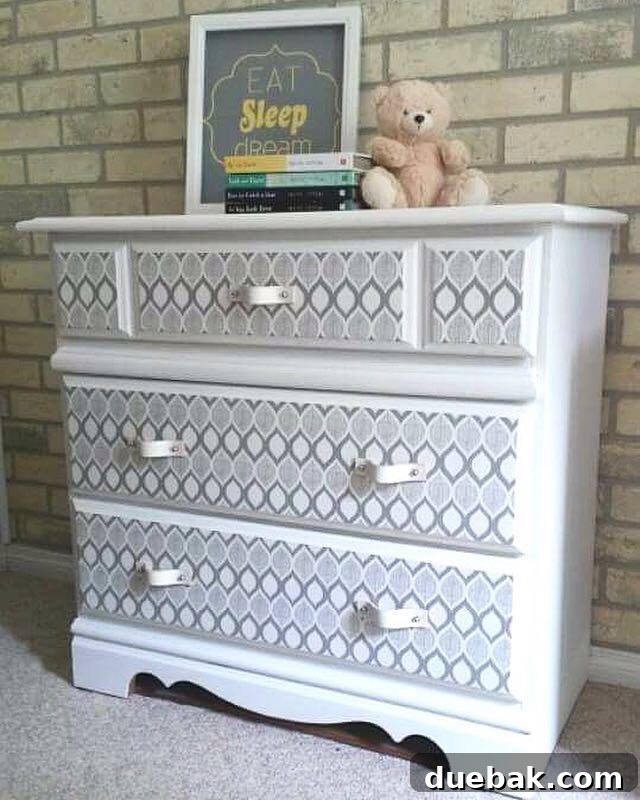
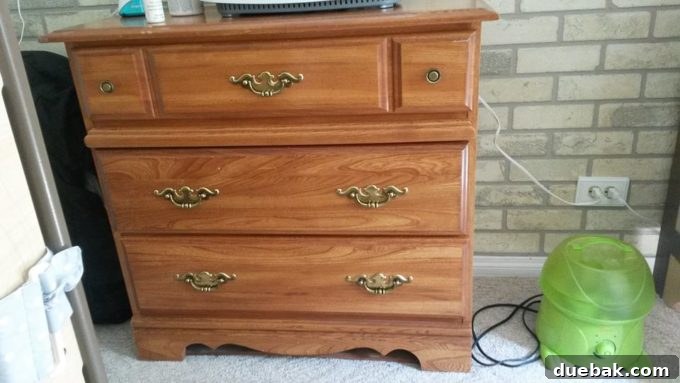
Every home has that one piece of furniture—a relic from a bygone era, perhaps—that has served its purpose well but now feels utterly out of place. For me, it was a dresser that had been a faithful companion for nearly two decades. When my daughter arrived, it transitioned into her nursery, yet its dated appearance and mismatched color scheme made it stick out like a sore thumb. Moving it wasn’t an option; a complete overhaul was necessary to breathe new life into this beloved, albeit tired, piece.
The idea of furniture refinishing had always been daunting. The thought of extensive sanding, priming, and endless prep work seemed like a Herculean task. However, the world of DIY has evolved, and now there are incredible products available that significantly streamline the process, allowing you to skip some of the more tedious steps. While these modern solutions offer convenience, I still strongly advocate for a bit of foundational prep work. Even a light sanding to gently rough up the existing finish can make a world of difference, ensuring your new paint adheres beautifully and lasts for years to come.
Planning Your Furniture Transformation: From Vision to Reality
Before diving brush-first into any project, a little planning goes a long way. Consider the overall aesthetic of the room where the furniture will reside. For my daughter’s nursery, I envisioned a bright, serene, and playful space. The existing dark, heavy dresser simply didn’t align with this vision. Chalk paint immediately came to mind as an excellent choice for its versatility and user-friendliness, particularly for a first-time refinisher like myself. It offers a beautiful matte finish that instantly modernizes any piece.
Thinking about the practical aspects, I knew I wanted something durable but also something that could be adapted if her tastes changed as she grew. This led me to consider not just paint, but also a decorative element that could easily be updated or removed. Patterned contact paper emerged as the perfect solution, offering a pop of design without permanent commitment. This approach allowed me to achieve a high-impact transformation with relatively low risk and effort, making furniture upcycling an accessible and rewarding endeavor.
The Essentials: Materials and Tools for Your Dresser Makeover
Gathering your supplies efficiently can make the entire process smoother and more enjoyable. Here’s what you’ll need to embark on your own furniture transformation journey:
1. The Paint: Choosing Your Palette
For this project, I opted for Rust-oleum Chalked ultra matte finish in Linen White. This paint is a dream to work with, offering excellent coverage and a velvety smooth, chalky texture that is incredibly forgiving. Linen White provided the perfect soft, neutral base that I needed to brighten up the nursery and complement various decor elements. Chalk paint requires minimal prep, making it ideal for those hesitant about extensive sanding or stripping, and is a fantastic choice for beginner furniture painters looking for professional results.
2. The Decorative Element: Patterned Contact Paper
While at Walmart picking up the paint, I stumbled upon a roll of patterned contact paper in the housewares section. This discovery was a game-changer! It offered an instant way to add personality and a unique design touch to the dresser’s drawer fronts. The beauty of contact paper is its wide variety of patterns and textures, allowing for endless customization. Just remember to pick one that is relatively thick and easy to reposition for the best application experience, especially when dealing with larger surfaces. This simple addition can drastically change the look of any piece of furniture, offering a cost-effective alternative to painting intricate designs.
3. Essential Tools for a Seamless Finish
- Paint Brushes/Rollers: High-quality brushes will minimize brush strokes and ensure smooth application. A small foam roller can be great for larger, flat surfaces, providing a uniform finish.
- Drop Cloths/Tarps: Protect your flooring and surrounding areas from paint splatters and dust.
- Painter’s Tape: Essential for taping off areas you don’t want painted, such as drawer interiors or hardware holes, ensuring clean lines.
- Sandpaper: A fine-grit sandpaper (around 180-220) for light scuff sanding to promote paint adhesion.
- Cleaner: A good degreaser or all-purpose cleaner to thoroughly clean your furniture piece, removing any dirt, grease, or old polish.
- Measuring Tape & Ruler: Crucial for accurate measurements, especially when working with contact paper to ensure precise cuts and alignment.
- Craft Knife/X-Acto Knife: For precise cutting of contact paper and trimming excess material for a professional edge.
- Squeegee/Smoothing Tool: To apply contact paper smoothly and eliminate air bubbles, ensuring a flawless decorative finish.
- Clear Sealer/Wax: To protect your chalk paint finish and ensure durability, especially important for furniture that will see frequent use.
Step-by-Step: The Dresser Makeover Process
With your materials gathered and your vision clear, it’s time to transform! Follow these steps for a stunning dresser makeover that breathes new life into your old furniture:
Step 1: Thorough Preparation
Even with “no-sand” paints, proper preparation is the foundation of a successful and lasting finish. Begin by emptying all drawers and removing any existing hardware like knobs or pulls. Give the entire dresser a thorough cleaning with a degreaser or mild all-purpose cleaner to remove any dirt, grime, or grease buildup. Allow it to dry completely. Next, perform a light scuff sanding over all surfaces you intend to paint. This isn’t about removing the old finish entirely, but rather creating a slightly textured surface for the new paint to grip onto, ensuring superior adhesion and a more durable finish. After sanding, wipe down the dresser with a damp cloth to remove all dust, then follow with a dry cloth to ensure it’s perfectly clean and dry. Proper preparation saves time and frustration in the long run.
Step 2: Painting Your Masterpiece
Now for the fun part! Lay down your drop cloths and apply your first thin, even coat of Rust-oleum Chalked paint. Chalk paint is known for its quick drying time, often allowing you to apply multiple coats relatively quickly, which is great for impatient DIYers. Remember, thin, even coats are always better than thick, gloopy ones, as they prevent drips, provide better coverage, and ensure a smoother finish. Allow each coat to dry completely according to the manufacturer’s instructions before applying the next. You’ll likely need two to three coats to achieve full, opaque coverage, depending on the original color of the dresser. Once your final coat of paint is dry, typically within 24 hours, consider applying a clear wax or topcoat. This step is crucial for protecting the chalk paint finish, especially for a piece that will see daily use in a child’s room. A good wax or sealer will make the surface more durable, water-resistant, and easier to clean, extending the life of your beautiful makeover.
Step 3: Adorning with Contact Paper
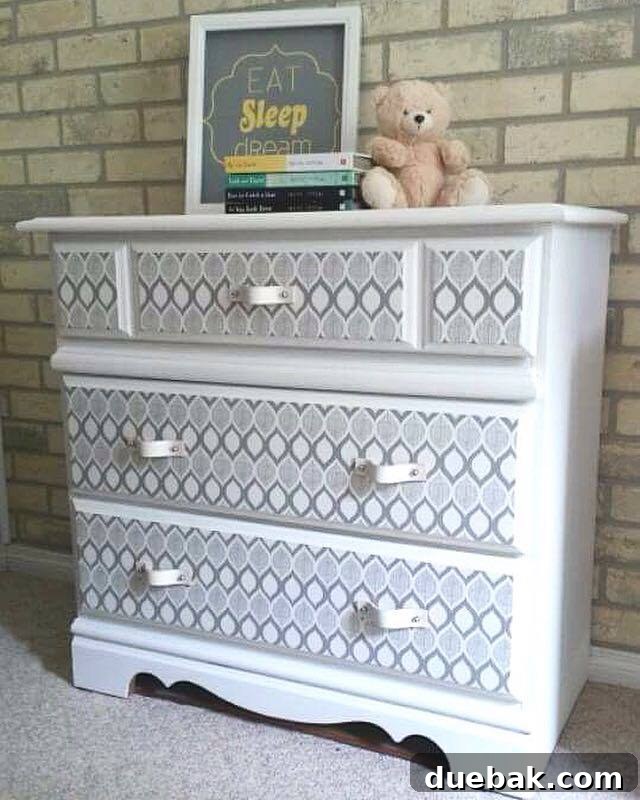
The contact paper adds that unique touch of personality and design. Carefully measure the surfaces where you want to apply the contact paper, typically the drawer fronts or sides. Remember the golden rule: measure twice, cut once! Cut your contact paper to size, leaving a slight overhang on all sides, which you can trim later for a perfect, professional fit. Peel back a small section of the backing and align the contact paper carefully with the edge of the drawer. Slowly peel away the rest of the backing while using a squeegee or a credit card to smooth out the paper, working from the center outwards to eliminate any air bubbles and wrinkles. If you’re not entirely happy with the placement, many contact papers are designed to be repositionable, allowing for adjustments without damaging the surface. Once applied, trim any excess contact paper using a craft knife for clean, crisp edges around the perimeter. A vital tip for longevity, especially with easily removable contact paper, is to apply a thin bead of strong adhesive or clear glue around the edges after trimming. This will prevent the corners from peeling up over time, ensuring your beautiful design stays put and looks flawless for years.
Crafting Custom Leather Handles: A Touch of Unique Elegance
One of the most impactful ways to update any piece of furniture is by changing its hardware. Traditional knobs or pulls are fine, but for this dresser, I wanted something truly unique and bespoke. DIY leather handles were the perfect solution, adding a modern, rustic, yet elegant touch that beautifully complemented the soft white paint and the overall nursery theme.
The Inspiration Behind Custom Handles
My husband, with his array of ‘manly hobby supplies,’ had a stash of leather remnants—a treasure trove for a DIY enthusiast! This presented a fantastic opportunity to create custom handles that would perfectly match the newly transformed dresser and inject a dose of personalized style that store-bought hardware simply couldn’t replicate. It’s a testament to how often you can find hidden gems for your projects right at home or in unexpected places.
Creating Your Own Leather Pulls
The process of making these handles is surprisingly straightforward, even for a beginner. First, I carefully cut the leather into strips of the desired length and width, ensuring they were uniform for each drawer to maintain a consistent look. To create a cohesive and seamless aesthetic, I painted these leather strips with the very same Rust-oleum Chalked paint in Linen White that I used on the dresser. This created a subtle yet effective integration of the handles with the furniture itself. After the paint dried completely, I applied a specialized leather wax to them. This step is crucial not only for protecting the paint on the leather from wear and tear but also for conditioning the leather itself, preventing it from cracking or drying out over time with regular use, ensuring the handles remain supple and durable.
Attaching the Handles
Finally, the beautifully crafted leather handles were attached to the dresser using acorn nuts. These distinctive nuts not only provide a secure fastening, ensuring the handles are firmly in place, but also add an attractive, decorative element. The smooth, rounded cap of the acorn nuts gives the handles a polished, professional finish, elevating the entire look of the dresser. The choice of acorn nuts over standard screws contributed significantly to the overall bespoke and high-end feel of the transformed piece.
While some DIY projects embrace a distressed or aged look, for this nursery dresser, I personally felt that style was a bit overdone and wouldn’t suit the fresh, clean aesthetic I was aiming for. The beauty of DIY is that you can always tailor your project to your personal taste, the specific needs of your space, and the desired longevity of the piece. There are no strict rules, only creative possibilities!
The Stunning Reveal: A Dresser Reborn
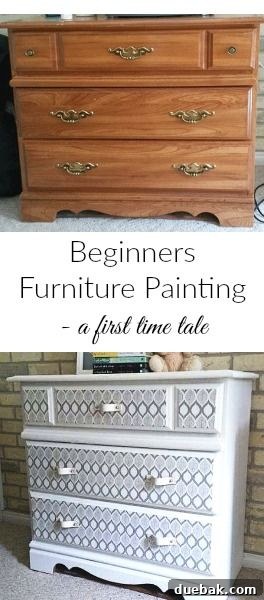
It’s truly incredible to step back and witness the complete transformation. This dresser, once an overlooked and dated piece, now stands as a beautiful, functional, and stylish focal point in the nursery. Who would have thought that a little paint and some patterned contact paper, combined with custom-made leather handles, could elevate such a boring dresser into something so fabulous and chic? It’s a testament to the power of a creative vision, the accessibility of modern refinishing techniques, and the immense satisfaction of a successful DIY project.
My initial apprehension about furniture refinishing has completely dissipated. This project proved that with the right materials, a little patience, and a willingness to try, anyone can achieve remarkable results. It’s not just about saving money or extending the life of a piece; it’s about the immense satisfaction and pride of creating something beautiful and unique with your own hands. If you have an old piece of furniture gathering dust in your home, I wholeheartedly encourage you to give it a second chance. You might just surprise yourself with what you can create!
This transformation is truly inspiring, don’t you think? Pin it for later to keep these ideas handy for your next DIY adventure!
Dreaming of more furniture transformations around your home? Explore these related posts for more inspiration and DIY tips:
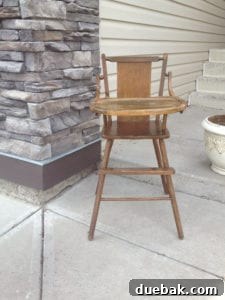
Vintage High Chair Transformation
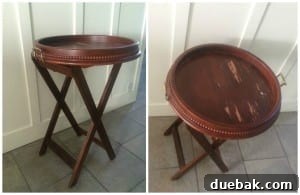 Stylish Tray Table Makeover
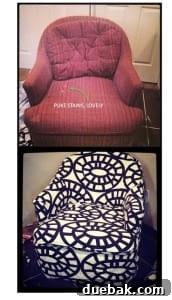 Easy Slipcovering Tips and Tricks for Chairs