
Showhome Interior Design Ideas: Lessons in Decorating for Real Life
Stepping into a showhome is often like entering a beautifully curated dream. Every detail seems perfectly placed, every color palette harmoniously chosen, and the overall ambiance is one of aspirational living. These model homes serve as powerful sources of inspiration, showcasing the latest design trends and innovative solutions. However, it’s crucial to remember that showhomes are designed for display, not for day-to-day functionality. They often prioritize aesthetics over practicality, presenting an idealized version of a home. In this particular showhome tour, I found myself drawn to the exquisite decorating and furnishings, even though the house’s layout itself didn’t quite resonate with my personal preferences for a functional family space. This distinction between visual appeal and practical liveability offers valuable lessons for anyone looking to incorporate showhome glamour into their own real-life residence.

Crafting a Functional and Stylish Breakfast Nook
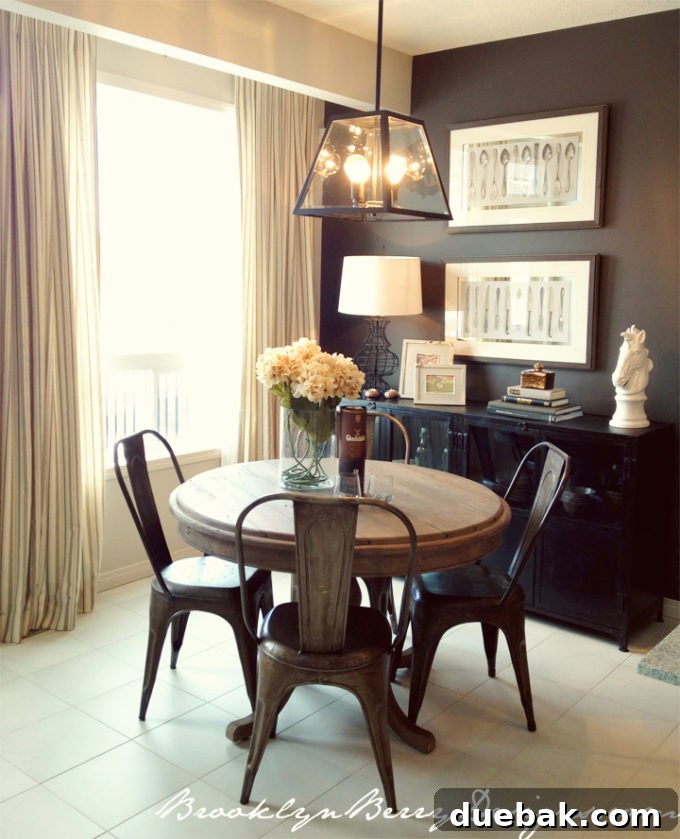
The breakfast nook in this showhome immediately captured my attention with its utterly adorable table and chairs. It exemplifies how even small dining spaces can become charming focal points within a home’s design. The standout feature here is undoubtedly the navy blue accent wall. Navy has emerged as a significant and enduring trend in interior design, offering a sophisticated alternative to traditional neutrals. Its deep, calming hue adds depth and character without overwhelming the space, making it perfect for an accent wall. Paired with the elegant light fixture and the cute table, it creates an inviting atmosphere perfect for morning coffee or casual meals.
Balancing Aesthetics with Practicality in Dining Spaces
While the aesthetic appeal of this nook is undeniable, a critical aspect of interior design is always balancing visual charm with practical needs. For a single person or a couple, this intimate setup might be perfect. However, for a bustling family, a larger table would likely be a more functional choice, accommodating more people comfortably and providing ample space for dishes during family dinners or gatherings. When designing your own breakfast nook, consider your family’s size and lifestyle. Opt for extendable tables or banquette seating to maximize space and flexibility, ensuring your dining area is as functional as it is beautiful. This ensures that inspiration from showhomes is adapted to suit real-life demands, marrying beauty with practical utility.

Kitchen Design: Timeless Wood Meets Modern Hues
This kitchen is a true highlight, presenting a beautiful departure from the ubiquitous all-white kitchen trend. While white cabinets continue to dominate many contemporary designs due to their bright and airy appeal, there’s an undeniable allure to mid-tone stained wood cabinets. These cabinets offer a sense of warmth, richness, and timeless elegance that will never go out of style. They evoke a classic, enduring aesthetic that speaks to quality craftsmanship and a sophisticated taste, proving that not all modern kitchens need to be devoid of natural wood tones. Choosing wood cabinets can provide a grounded and inviting feel to the heart of the home, a welcome contrast to the often sterile look of purely modern, minimalist kitchens.
Updating Existing Kitchens with Color and Contrast
The strategic use of a navy paint color in conjunction with these wood cabinets is a stroke of design genius. The deep navy creates a striking contrast with the warmth of the wood, elevating the entire space and giving it a fresh, updated feel. This pairing is particularly inspiring for homeowners who possess existing oak cabinets and are hesitant to undertake a costly full-scale replacement. Instead of ripping out perfectly good cabinets, a simple yet impactful change like painting the walls a rich navy can completely transform the kitchen’s look, making dated oak feel contemporary and chic. It’s an excellent example of how thoughtful color choices can breathe new life into an established design, offering a cost-effective solution for a modern kitchen update without the need for extensive renovation. This approach celebrates the beauty of existing structures while introducing current trends, providing longevity and style.

Flooring and Island Design: Foundations of a Functional Kitchen
While the overall aesthetic of the kitchen and breakfast nook exudes a timeless charm, certain design choices can impact both functionality and long-term appeal. The tile floors, for instance, are a point of contention for many designers and homeowners alike. While durable and practical in some environments, tiles can often break up the visual flow of an open-concept main floor. A seamless transition, such as a continuous maple hardwood floor throughout the entire main living area, would create a more expansive and cohesive feel, enhancing the perception of space and elegance. Hardwood also offers a warmth, acoustic benefits, and classic appeal that tile struggles to match, and it’s often preferred for resale value due to its enduring popularity and ease of maintenance.
Rethinking the Kitchen Island’s Aesthetic
Another element that invites discussion is the drywall finish on the kitchen island. While cost-effective for builders, drywall can sometimes appear less refined and detract from the otherwise beautiful elements of the kitchen. It tends to look unfinished and can absorb attention in a way that isn’t always flattering. Replacing the drywall with a beautiful wood paneling, perhaps matching the cabinets or introducing a complementary wood tone, would significantly elevate the island’s presence. A thoughtfully designed island should serve as a functional workstation and a visual anchor, contributing to the room’s overall aesthetic rather than simply occupying space. Custom wood finishes, shiplap, or even decorative paneling can transform a plain island into a true design statement, enhancing both style and durability. This not only improves the visual appeal but also adds a layer of robustness to a heavily used kitchen element.

Exquisite Details: Granite and Penny Tile Backsplashes
Beyond the larger structural elements, the finer details truly elevate a kitchen, adding layers of sophistication and character. In this showhome, the choice of granite countertops and a penny tile backsplash is nothing short of brilliant. Granite remains a perennial favorite for countertops due to its exceptional durability, heat resistance, and unique natural patterns, offering both a luxurious feel and a highly practical surface for cooking and entertaining. Its timeless appeal ensures it will continue to be a coveted material for years to come, representing a wise investment for any kitchen renovation. The inherent variations in granite mean that no two slabs are identical, providing a bespoke quality to each installation.
The Enduring Charm of Penny Tiles
The penny tile backsplash, in particular, is a captivating choice that perfectly complements the granite. This classic tile, with its small, circular shape, provides a wonderful texture and a hint of vintage charm while feeling entirely current and updated. It’s a testament to how classic materials can be reinterpreted in modern contexts to create something fresh and engaging. The small scale of penny tiles also allows for a subtle interplay of light and shadow, adding depth to the backsplash area without being overly ornate. Furthermore, the unique grout lines created by penny tiles can introduce an interesting visual grid, enhancing the overall texture. Together, the granite and penny tile create a harmonious blend of classic elegance and contemporary flair, solidifying the kitchen’s sophisticated character and offering a durable, easy-to-clean surface that is both beautiful and practical.

Addressing the Challenges of Corner Fireplaces
While showhomes excel at presenting visually pleasing arrangements, they often highlight design challenges that homeowners face in practical living. One such challenge often presented is the corner fireplace. Despite attempts to make them work, corner fireplaces inherently complicate furniture arrangement, often leading to awkward layouts and underutilized space. They can break up a wall that might otherwise be used for a large television, built-in shelving, or a grand art piece, significantly limiting design flexibility in a living room. Their angled placement often means that no seating can directly face them, disrupting the natural flow of conversation and comfort.
Showhome Aesthetics vs. Real-Life Comfort
In this particular instance, the corner fireplace appears to “work” only because it is flanked by tiny, decorative chairs. In a showhome, these chairs serve purely to fill space and enhance the visual symmetry, contributing to an overall aspirational aesthetic. However, in a real home, comfort and functionality are paramount. Most families would opt for larger, more comfortable seating options that invite relaxation and long conversations, making such diminutive chairs impractical for everyday use. The stark reality is that such a setup would likely be rejected in a practical living situation, highlighting the fundamental difference between a staged environment and a truly livable space. When designing your living room, consider modern alternatives like linear fireplaces or media consoles with integrated electric fireplaces, which offer both warmth and design flexibility without the spatial constraints of a traditional corner unit, allowing for more versatile furniture arrangements.

The Bold Statement of Chevron Subway Tile
Despite the challenges posed by its placement, the fireplace itself makes a stunning visual impact thanks to its surround. The choice of chevron subway tile is absolutely fantastic, demonstrating how pattern can dramatically transform a structural element. The chevron pattern, characterized by its distinctive V-shape, offers a dynamic and modern twist on the classic subway tile. It introduces a sense of movement and architectural interest that instantly elevates the fireplace from a simple heat source to a prominent artistic focal point. This pattern is both trendy and fun, allowing for a bold design statement without overpowering the entire room. Its graphic quality draws the eye without being overly busy, making it an excellent choice for adding personality and contemporary flair to a living space. The angled lines create a sense of upward motion, subtly drawing attention to the height of the room and adding a touch of sophisticated drama.

Elevating Bathroom Design with Chevron Tile and Grout
The beauty of the chevron pattern isn’t confined to the living room; it extends brilliantly into the master shower, demonstrating its versatility and impact across different spaces in a home. Using the same chevron subway tile in the shower creates a cohesive design narrative throughout the home, tying different areas together with a consistent, stylish element. What truly makes this application stand out is the strategic choice of white grout. White grout, against a contrasting tile color, accentuates every line and angle of the unique chevron pattern, highlighting the intricate detail and craftsmanship of the tile work. It transforms a purely functional shower enclosure into a spa-like retreat, adding a touch of luxury and significant visual interest.
The Power of Grout in Tile Design
The impact of white grout in this context exemplifies how even seemingly minor details can make a major design statement. It’s an incredibly effective and relatively inexpensive upgrade that offers immense visual returns. Unlike darker grouts which can blend in and diminish the pattern, white grout creates a sharp contrast that makes the chevron truly shine, emphasizing its geometric beauty. This thoughtful pairing of a dynamic tile pattern with a high-contrast grout color is a simple yet powerful way to elevate any bathroom, proving that significant design upgrades don’t always require a hefty budget. It shows how attention to detail can transform an ordinary space into an extraordinary one, offering lasting aesthetic appeal and a clean, sophisticated look.

Designing the Home Office: Beauty vs. Functionality
The dedicated office space in this showhome, like many in model residences, perfectly illustrates the tension between beautiful aesthetics and practical functionality. On its own, the room is undeniably pretty: the art selections are tasteful, the desk’s natural wood texture adds warmth, and the overall impression is light, bright, and airy. It creates an aspirational image of a calm and inspiring workspace, ideal for showcasing potential.
Showhome Office Realities: Practicality for Everyday Use
However, when we consider a real-world application, the design presents significant challenges for daily productivity. Who truly uses a desk with virtually no storage, floating dramatically in the middle of a room, disconnected from the wall? Everyday office work demands organization, files, and easy access to supplies, making such a minimalist setup impractical for sustained productivity and clutter management. Furthermore, dedicating an entire bedroom to a home office is a luxury few homeowners can afford, especially as it reduces the home’s overall bedroom count, potentially impacting resale value. For most individuals, a more efficient solution would involve integrating a well-designed desk into a kitchen nook, a specialized tech space within a great room, or a cleverly optimized corner of a living area. These solutions maximize space and ensure the office truly serves the homeowner’s needs without sacrificing valuable square footage. While this showhome office looks stunning in a photograph, its real-life utility is questionable, serving as a prime example of showhome design that prioritizes visual impact over everyday usability. A truly effective home office balances aesthetic appeal with robust functionality, providing a space that is both inspiring and conducive to work.
Bringing Showhome Inspiration into Your Real Home
The journey through this showhome offers a masterclass in discerning between inspiring design and practical application. While we can admire the bold choices and stunning aesthetics, the key takeaway is to adapt these ideas to fit your unique lifestyle and needs. Prioritize functionality, choose materials that are both beautiful and durable, and always consider how a space will truly be used by your family. By thoughtfully integrating trends like navy accent walls, timeless wood cabinets, and dynamic tile patterns, while also making practical choices for flooring, kitchen islands, and office layouts, you can create a home that is both beautiful and genuinely livable. Remember, a truly successful interior design blends visual appeal with the comforts and demands of everyday life, transforming inspiration into a personalized reality.
Have you encountered similar dilemmas in showhome tours? What design choices do you prioritize for your own living space, balancing style with practicality?
Explore More Showhome Design Ideas:
- Decorating Your House Like a Showhome: Part 1
- How to Make Your Home Look Like a Model Home: Part 2
- Calgary Showhome Review: Baywest in Mahogany
- Aspen II Showhome in Cranston: Dream Kitchen Design