
Unbelievable Transformation: Jen’s Shabby Chic Desk Makeover That Will Inspire You to DIY
Prepare to do a double-take, because the transformation we’re about to share is nothing short of astounding. When we first laid eyes on Jen’s desk makeover, we literally had to pause and confirm it was, in fact, the same piece of furniture! It’s a powerful testament to the magic that a little vision, some quality paint, and a dash of creativity can conjure. Jen, a passionate DIY enthusiast hailing from England, recently reached out to us with her inspiring project, proving unequivocally that anyone can breathe incredible new life into an old, forgotten item.
Jen’s heartfelt message perfectly encapsulates the immense joy and profound satisfaction that stems from a successful DIY endeavor:
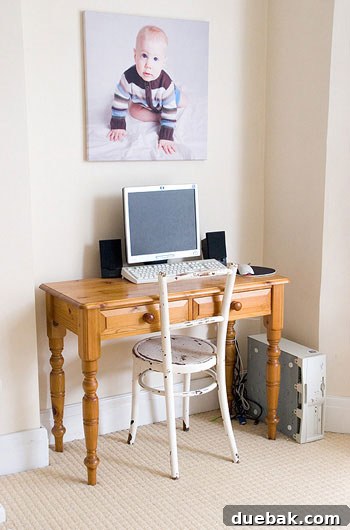
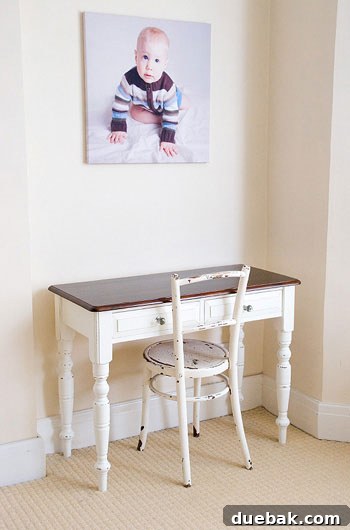
I love your blog and get so much inspiration from it. I saw you recently featured a beautifully made-over dresser so I thought I’d send you my made-over desk. Who doesn’t love a before and after, right? I used primer and then just regular satin paint (for walls) from my local DIY store (called B&Q – I’m in England) in Antique White. Hope you enjoy the makeover as much as I do! You can check out more pics and details on my blog. Cheers! -Jen
We absolutely do enjoy it, Jen, and we are beyond thrilled to showcase your stunning work! Her project stands as a shining example of how a simple desk – perhaps one that was dated, visibly worn, or simply lacked character – can be meticulously elevated to a true statement piece of art that seamlessly complements a charming, well-curated home aesthetic. The dramatic “before and after” effect is, without a doubt, one of the most gratifying aspects of any DIY journey, and Jen’s desk delivers on that promise with remarkable grace and style.
The Transformative Power of Paint: Unlocking a Piece’s True Potential
Jen’s approach to her desk makeover was wonderfully straightforward yet incredibly effective: a coat of primer, followed by quality satin paint, all finished in a classic, timeless color. This accessible formula is often all it takes to completely revolutionize a piece of furniture that might otherwise be destined for the landfill. Many older desks, dressers, tables, and cabinets possess excellent structural integrity and solid construction, yet their outdated finishes, tired appearances, or simply unfashionable styles cause them to be overlooked in a modern context. Paint, however, acts as a powerful, almost magical wand, capable of transforming a drab, uninspiring item into a vibrant, eye-catching focal point.
The specific choice of “Antique White” was particularly brilliant for achieving that quintessential, timeless “shabby chic” look that continues to hold immense popularity in interior design circles. This soft, creamy white hue instantly brightens any room, imbuing it with a sense of freshness and airiness, while simultaneously providing an incredibly versatile base that can be effortlessly styled in countless ways. Unlike starker, more sterile whites, Antique White carries a subtle warmth that evokes comfort, heritage, and a lived-in elegance, making it an ideal choice for cultivating a cozy, inviting, and effortlessly chic atmosphere. Jen’s decision to utilize “regular satin paint (for walls)” from her local DIY store, B&Q, also underscores a crucial point for aspiring DIYers: you don’t always need highly specialized, expensive furniture paint to achieve professional-looking and durable results. Often, a good quality interior wall paint, especially one with a resilient finish like satin, can perform wonderfully on furniture, offering both a beautiful aesthetic and the practical benefit of easy cleanability and maintenance.
Embracing the Shabby Chic Aesthetic: It’s More Than Just a Coat of Paint
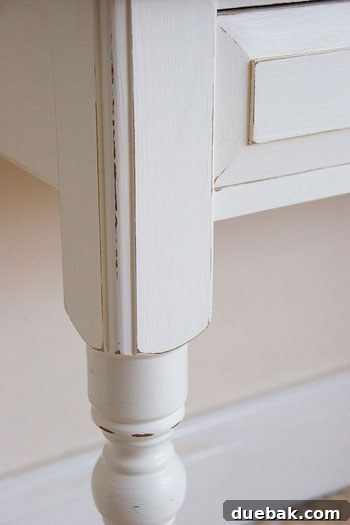
While the Antique White paint is undeniably the star of this particular makeover show, the overall “shabby chic” effect achieved by Jen is a harmonious and thoughtful blend of several complementary elements. This beloved style, characterized by its soft, muted color palettes, charmingly distressed finishes, and an undeniable vintage appeal, joyfully celebrates the inherent beauty of age, history, and slight imperfection. It’s an aesthetic philosophy that aims to create an atmosphere that feels inherently relaxed, subtly elegant, and deeply nostalgic, without being overly precious or fussy. Jen’s desk perfectly embodies this coveted aesthetic, serving as a beautiful demonstration of how to achieve a look that feels both genuinely timeworn and incredibly relevant in today’s interior design landscape.
The series of pictures Jen generously shared with us truly brings her thoughtful description to vivid life. Through these images, we can clearly observe how the chosen paint instantly lightens and brightens the entire piece, imparting a fresh, clean, and inviting feel. Any subtle distressing, if present, often emerges naturally from the piece’s pre-existing wear and tear, or can be intentionally and strategically added for that highly sought-after, authentic aged appearance. However, the true stroke of genius in many furniture makeovers, and particularly crucial for the shabby chic style, frequently lies in the meticulous selection of hardware. The right knobs or pulls can dramatically elevate the piece from merely painted to genuinely transformed.
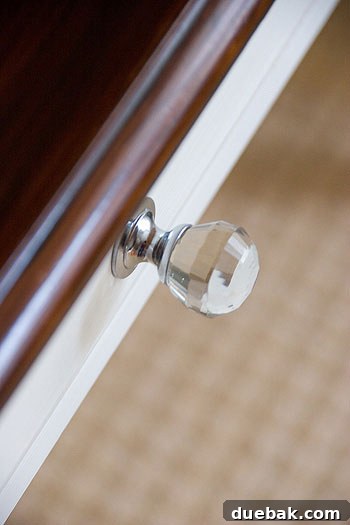
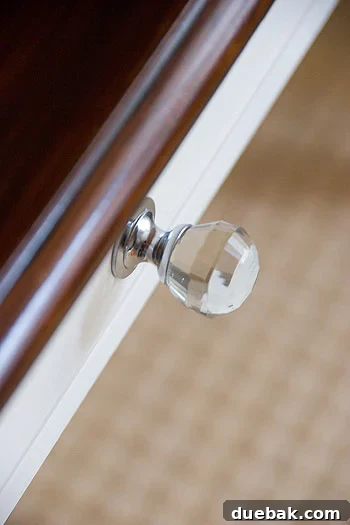
Take a moment to truly appreciate the gleaming hardware Jen specifically chose for her desk. These new, perhaps intricately faceted glass or sparkling crystal-look knobs, introduce an exquisite touch of sophistication, glamour, and visual sparkle that beautifully contrasts with the soft, inviting painted finish. This intelligent combination of old and new, rustic charm and refined elegance, is the unmistakable hallmark of a truly successful shabby chic piece. Furthermore, the interplay between the desk’s rich, possibly stained wooden top (or perhaps a carefully cleaned and sealed natural wood surface) and the freshly painted body profoundly enhances the depth, texture, and inherent character of the desk. It meticulously creates a multi-layered visual interest that makes the piece feel substantial, thoughtfully curated, and undeniably unique.
Embarking on Your Own DIY Furniture Makeover Journey: A Comprehensive Step-by-Step Guide
Feeling inspired by Jen’s fantastic and remarkably achievable work? Wonderful! DIY furniture makeovers are not only incredibly rewarding creative projects but also an exceptionally smart and affordable way to personalize your home decor on a budget. If you’re ready to pick up a paintbrush and transform a piece, here’s a comprehensive, general guide to help you confidently embark on your very own furniture transformation journey:
1. Choosing Your Perfect “Canvas” Piece
Start by carefully selecting furniture made from solid wood with robust, good-quality construction. Minor cosmetic imperfections such as superficial scratches, small dents, or faded finishes are typically easy to remedy with a bit of wood filler and subsequent paint. Excellent places to hunt for these forgotten gems include local thrift stores, bustling garage sales, online marketplaces, flea markets, and even dusty family attics. Look for pieces with unique details or classic shapes that speak to you.
2. Meticulous Preparation: The Cornerstone of Success
- Thorough Cleaning: Begin by meticulously removing all dirt, grime, grease, and any sticky residues. A reliable degreaser or a simple solution of warm water mixed with mild dish soap can work wonders in preparing the surface.
- Strategic Sanding: For most furniture makeovers, a light sanding (often called “scuff sanding”) with 150-220 grit sandpaper is generally sufficient to create a “tooth” or textured surface for the primer and paint to properly adhere to. If the old finish is extensively peeling, heavily chipped, or exceptionally glossy, a more thorough sanding process or even chemical stripping might be necessary. Always ensure you thoroughly wipe away all sanding dust with a tack cloth or damp rag before proceeding.
- Necessary Repairs: Take the time to fill any noticeable holes, deep gouges, or significant imperfections with a suitable wood filler. Allow it to dry completely, then sand it smooth to match the surrounding surface. Additionally, tighten any loose joints or wobbly components to ensure the piece is structurally sound.
3. Priming for a Flawless and Durable Finish
Just as Jen wisely did, absolutely do not skip the priming stage! Primer is an indispensable step for several critical reasons:
- It dramatically improves paint adhesion, which is crucial for achieving a long-lasting finish, especially when painting over slick surfaces (like laminate or high-gloss varnish) or when attempting to drastically change a dark color to a much lighter one.
- It effectively blocks stains (such as tannins from certain woods, or old water rings) from bleeding through and discoloring your new paint layers, preserving your chosen hue.
- It establishes a uniform, consistent base for your chosen topcoat color, ensuring that the final hue appears true and vibrant, without variations caused by the original finish.
Select a good quality, appropriate primer for your specific project. A water-based, all-purpose primer is typically suitable for the vast majority of indoor furniture projects.
4. Painting with Precision and Confidence
This is the exciting stage where the true magic visibly unfolds! Adhere to these essential painting tips for optimal results:
- Apply Thin Coats: Always apply several thin, even coats of paint rather than attempting to achieve full coverage with one thick coat. This crucial technique prevents unsightly drips, minimizes brush strokes or roller marks, and ultimately yields a much smoother, more professional, and significantly more durable finish. Always allow ample drying time between each coat as recommended by the paint manufacturer.
- Choose the Right Applicator: For achieving wonderfully smooth surfaces, a high-density foam roller can effectively minimize visible brush strokes. For intricate details, corners, or challenging carved areas, a high-quality angled paintbrush will be your best ally.
- Thoughtful Color Selection: Jen opted for Antique White, an eternally classic and versatile choice. When selecting your color, carefully consider your existing home decor, the amount of natural light in the room, and the overall mood or ambiance you wish to create. Bold colors can make a dramatic statement, while various shades of neutrals offer unparalleled versatility and a calming effect.
5. Enhancing with New Hardware and Stylish Finishing Touches
As Jen so beautifully demonstrated with her sparkling glass knobs, updating the hardware can dramatically elevate the entire look and feel of your transformed piece. It’s akin to adding the perfect piece of jewelry to complete an outfit! Take your time to explore various hardware styles – from charming vintage brass pulls and rustic iron handles to sleek modern ceramic knobs or intricately designed crystal accents – to discover the ideal complement to your newly painted furniture.
If you’re aiming for a distressed look to enhance the shabby chic aesthetic, you can gently sand the edges, corners, and any raised details of the piece after the paint has fully cured. This technique subtly reveals hints of the original finish or bare wood underneath, imparting an authentic, aged character.
6. Sealing and Long-Term Protection
To meticulously ensure that your hard work endures for years to come, especially for a functional piece that will see regular use like a desk, it is absolutely essential to apply a protective topcoat. Key options include:
- Water-Based Polyurethane: This is a highly durable, clear-drying finish that is ideal for high-traffic pieces, offering excellent protection against scratches and moisture.
- Furniture Wax: Often used in conjunction with chalk paint, wax creates a beautiful, soft, and somewhat matte finish. It provides good protection and can be buffed to a subtle sheen.
- Polycrylic: A water-based alternative to polyurethane, polycrylic is generally less likely to yellow over lighter paint colors, making it an excellent choice for white or pastel-painted furniture.
The Abundant Benefits of Embracing DIY Furniture Makeovers
Beyond the sheer, undeniable satisfaction of creating something beautiful and functional with your own hands, actively engaging in DIY furniture makeovers offers a rich tapestry of practical and personal benefits:
- Exceptional Cost-Effectiveness: Revamping an existing piece of furniture or an affordable thrift store find is invariably significantly cheaper than purchasing brand-new furniture. This allows you to achieve stunning, high-end looks and bespoke decor on a remarkably modest budget.
- Uniquely Personalized Pieces: Your transformed furniture will be truly one-of-a-kind, authentically reflecting your personal style, taste, and creative vision. It adds a distinct character and narrative to your home that mass-produced items simply cannot replicate.
- Environmental Sustainability: Embracing upcycling actively prevents functional furniture from prematurely ending up in overflowing landfills, thereby contributing significantly to a more eco-friendly lifestyle and reducing overall waste in our communities.
- Perfectly Personalized Decor: You gain the unique ability to tailor your furniture to perfectly match your home’s existing color scheme, thematic aesthetic, and personal preferences, thereby creating an incredibly cohesive, harmonious, and inviting living environment.
- Valuable Skill Development: Each new project serves as an invaluable opportunity to learn new techniques, refine existing skills, and build immense confidence in your overall DIY abilities, opening doors to future creative endeavors.
Jen’s lovely furniture fix-up resoundingly proves that a little imagination, some strategic applications of paint, and a carefully chosen set of new hardware can truly add up to a charmingly distressed piece that looks genuinely timeworn and lovely, yet maintains an undeniably current and fresh appeal. The radiant gleam of the new hardware, exquisitely paired with the rich, possibly stained top (or simply a beautifully painted and sealed surface), creates a striking visual contrast that is both elegantly sophisticated and warmly inviting. Our sincerest thanks go out to you for sending the pictures our way, Jen! Your remarkable project is an incredible and potent source of inspiration for aspiring DIYers everywhere.
So, what do you guys think? Doesn’t Jen’s absolutely stunning desk makeover make you want to immediately whip out your own paint brushes, dust off that forgotten piece in your garage, and embark on your very own furniture transformation project? Hooray for DIY furniture makeovers! They are not just about renovating inanimate objects; they are fundamentally about revitalizing living spaces, unleashing dormant creativity, and infusing your home with a piece of your unique personality. So go ahead, find that forgotten piece, and give it the glorious second life it so richly deserves!