
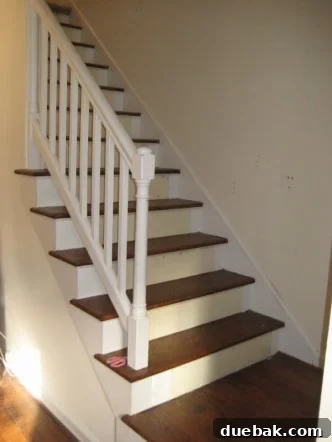
Every home has its hidden potential, waiting to be unveiled. Sometimes, a seemingly daunting project can lead to the most breathtaking results. While we often dream of grand structural changes, the true magic often lies in rediscovering and enhancing the existing beauty within our living spaces. This particular tale isn’t from our own humble ranch, but rather a remarkable transformation witnessed in a friend’s charming Washington D.C. townhouse – a testament to the power of thoughtful renovation.
From Dated to Dazzling: A Staircase’s Incredible Makeover
Staircases are more than just functional connectors between floors; they are central architectural features, often the first thing guests see upon entering a home. For years, countless staircases across the globe have been hidden beneath layers of carpet, sometimes for comfort, other times to conceal imperfections, and often simply because it was the prevailing trend decades ago. However, the tide has turned, and homeowners are increasingly embracing the timeless elegance and practical benefits of exposed natural wood.
This morning, the main stairway at a friend’s Washington D.C. townhouse presented a common sight – a carpeted expanse that, while functional, contributed little to the home’s contemporary aesthetic. It was a classic “before” scenario, hinting at what could be:
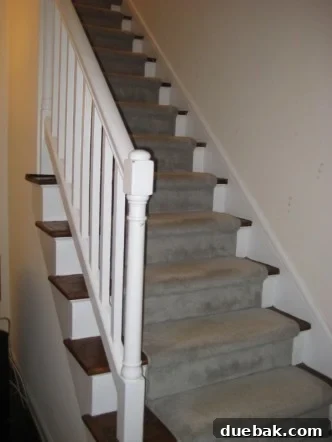
Just a few hours later, by this afternoon, the transformation was complete and absolutely stunning:
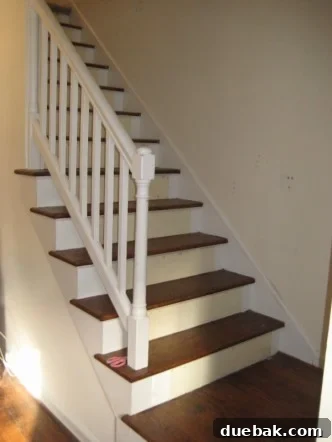
The Reveal: A Triumph of Natural Beauty
What a phenomenal change! We simply have to give full credit to the homeowner for this incredible undertaking. The difference is night and day, breathing new life and a sophisticated air into the entire entryway. While I am generally an ardent advocate for preserving and showcasing gorgeous wood flooring whenever possible, this gleaming staircase is an exceptional example that beautifully illustrates why. Doesn’t it look incomparably better in its newly “naked” state, showcasing the natural grain and warmth of the wood?
The journey from a carpeted staircase to one of exposed hardwood is often imagined as a laborious process involving extensive sanding, staining, and finishing. However, as this project wonderfully demonstrates, that’s not always the case. The real triumph here lies not just in the aesthetic upgrade, but in the remarkably smooth process. The good news is that no intensive sanding and restaining of the once-covered floorboards was necessary for the treads themselves. It’s always a delightful surprise and a huge time-saver when old carpet lifts cleanly, revealing pristine or nearly pristine wood underneath. This stroke of luck made the entire project far quicker and less invasive than typical wood floor renovations.
Addressing the Finishing Touches
Of course, no renovation is truly complete without those final, meticulous touches. My friend still has a bit of painting to do on the toe-kicks – the vertical risers beneath each stair tread. This is a common and relatively quick task after carpet removal, ensuring a cohesive and polished look. A fresh coat of paint will cover any remnants of adhesive or scuffs, making the entire staircase look impeccably finished and brand new. This small, final step will truly elevate the overall transformation, demonstrating that sometimes, the most impactful changes are a combination of grand gestures and careful detailing.
Why Embrace Hardwood Stairs? Unpacking the Benefits
The decision to remove carpet and expose natural wood on a staircase is increasingly popular for a multitude of compelling reasons that extend beyond mere aesthetics:
- Timeless Aesthetic Appeal: Hardwood stairs offer an undeniable elegance and classic charm that carpet simply cannot replicate. They provide a seamless flow with existing hardwood floors and introduce a sophisticated focal point into any home. The natural variations in wood grain add character and warmth, enhancing interior design.
- Enhanced Durability and Longevity: Unlike carpet, which can wear thin, stain, or fray over time, especially in high-traffic areas like staircases, hardwood is incredibly durable. With proper care, wood stairs can last for decades, maintaining their beauty and structural integrity. They are built to withstand the rigors of daily use.
- Improved Cleanliness and Hygiene: Carpets are notorious for trapping dust, allergens, pet dander, and dirt, making them challenging to keep truly clean. Hardwood stairs, on the other hand, are significantly easier to clean. A simple sweep, vacuum, or damp mop is usually all it takes to keep them spotless, contributing to better indoor air quality and a healthier living environment, particularly beneficial for allergy sufferers.
- Ease of Maintenance: Beyond hygiene, the day-to-day maintenance of hardwood stairs is remarkably simple. Spills can be wiped up immediately, and general cleaning is far less time-consuming than deep-cleaning carpet. This translates to more free time for homeowners and less worry about permanent stains.
- Increased Home Value: Renovations that reveal or install hardwood floors are widely recognized as significant value-additions to a property. Potential buyers often view hardwood as an upgrade, signaling quality and reducing the likelihood of them needing to undertake renovations themselves. This can lead to a quicker sale and a higher asking price.
- Modern and Open Feel: Removing bulky carpet can instantly make a staircase feel more open, spacious, and contemporary. It allows more light to reflect, brightening the entryway and creating a more inviting atmosphere. This modern aesthetic is highly sought after in today’s real estate market.
Considering Your Own Staircase Renovation? Tips for Success
Inspired by this stunning transformation? If you’re contemplating giving your own staircase a similar makeover, here are a few considerations and tips:
- Assess the Underlying Wood: Before you even think about pulling up carpet, try to get a peek at the wood underneath. Can you lift a small corner in an inconspicuous area? This will give you an idea of the condition of the treads and risers. You might get lucky like our friend, or you might find boards that require more extensive repair, sanding, or replacement.
- Gather Your Tools: For carpet removal, you’ll likely need utility knives, pry bars, pliers, a hammer, and sturdy gloves. For finishing, sandpaper, wood filler, paint brushes, and potentially stain or polyurethane are essential.
- Prioritize Safety: Staircase renovations involve working at heights and with sharp tools. Ensure you have stable footing, good lighting, and take all necessary precautions to prevent accidents. Consider securing handrails if they are loose.
- Plan Your Finish: Decide whether you want to stain the wood to match other flooring, or simply apply a clear protective coat to highlight its natural beauty. If the wood is in excellent condition, a clear polyurethane or a durable water-based finish might be all you need. For risers, painting them white is a popular choice for a crisp, clean look, but you can also opt for a contrasting color.
- Be Prepared for the Unexpected: Renovations, especially in older homes, can always reveal surprises. Be ready to tackle potential issues like adhesive residue, loose boards, or unexpected damage to the wood beneath the carpet. Having a contingency plan and budget for minor repairs is always wise.
- Professional Help vs. DIY: While removing carpet and painting toe-kicks can be a rewarding DIY project for many, significant repairs, precise sanding, or professional-grade finishing might warrant calling in experienced contractors. Weigh your skills and time against the complexity of the task.
Conclusion: The Transformative Power of Design Choices
This staircase makeover is a powerful reminder that sometimes, the most impactful home improvements come from stripping away the old to reveal the inherent beauty that was there all along. It’s about recognizing potential and making deliberate design choices that reflect modern aesthetics and practical living. The simple act of removing dated carpet has completely revitalized this Washington D.C. townhouse, transforming a mundane architectural element into a stunning centerpiece. It not only enhances the home’s beauty and value but also creates a cleaner, more contemporary, and inviting environment.
So, take a moment to look at your own home. Is there a hidden gem waiting to be discovered? Perhaps a staircase, like this one, is just yearning to shed its old layers and reveal the gleaming, natural wood beneath, ready to impress and inspire for years to come. Such transformations are not just about renovating a space; they’re about redefining how we live within it.