
Mastering the Pre-Move Pantry Purge: A Stress-Free Approach to Relocation and Food Management
Moving to a new home is an exhilarating journey, filled with the promise of fresh starts and new memories. However, amidst the excitement of packing boxes and planning layouts, one often overlooked challenge can create unexpected stress: managing your existing food supply. Perishable items, frozen goods, and even pantry staples can become a logistical nightmare when you’re trying to transport everything efficiently. The last thing anyone wants on moving day is a fridge full of food that needs to be either eaten, packed in unwieldy coolers, or worse, thrown away.
We recently embarked on our own moving adventure, and with a significant delay anticipated between leaving our old house and settling into our new one – roughly six hours where keeping things cold would be a constant concern – we knew we needed a strategic plan. That’s when we decided to implement what we affectionately called a grocery shopping hiatus. The goal was simple yet ambitious: make a concerted effort to eat as much as possible from what we already had stored in our fridge and freezer. This proactive approach wasn’t just about convenience; it was about smart planning, reducing waste, and making our moving day as smooth as possible.
The Moving Day Dilemma: Navigating Food Logistics During Relocation
Imagine the scene: moving boxes stacked high, furniture being loaded, and a myriad of tasks demanding your attention. Now, add to that the pressure of keeping milk, meat, and vegetables at a safe temperature for an extended period. The logistical hurdles of transporting food during a move are often underestimated. Coolers need ice, freezer items need to stay frozen, and even non-perishables take up valuable space that could be used for other essentials. For us, with an estimated six-hour gap between vacating our old house and gaining access to our new one, the risk of spoilage and the sheer effort involved in maintaining food safety seemed daunting.
Many people resort to discarding perfectly good food items before a move, contributing to unnecessary waste and financial loss. Others might scramble to consume everything in the final days, leading to bizarre meal combinations or forgotten leftovers. Our aim was to circumvent these common pitfalls entirely, turning a potential source of stress into an opportunity for efficiency and culinary creativity. We wanted to arrive at our new home with a clean slate, ready to stock our new kitchen with fresh groceries, rather than hauling over-aged items from the old one.
Our Innovative Solution: Embracing the “Grocery Shopping Hiatus”
The concept of a “grocery shopping hiatus” is exactly what it sounds like: a deliberate pause on buying new groceries. Instead, the focus shifts entirely to consuming the food you already possess. This isn’t just about emptying the fridge; it extends to the freezer, pantry, and any other food storage areas. It’s a systematic approach to inventory management, transforming meal planning into a scavenger hunt for ingredients you already own. This period requires a bit of discipline and a willingness to be flexible with your meals, but the benefits far outweigh the temporary inconvenience.
For us, this meant meticulously going through every shelf, drawer, and container. We assessed what we had, what needed to be eaten first, and how we could combine disparate ingredients into cohesive, albeit sometimes “creative,” meals. It was a challenge, but one we embraced wholeheartedly, knowing it would pay dividends on moving day. This commitment to using up our existing stores wasn’t just about practical logistics; it also presented an unexpected opportunity to save money and minimize food waste, aligning with more sustainable living practices. It required us to think differently about meal preparation, fostering a sense of resourcefulness that proved incredibly rewarding.
Before and After: A Visual Testament to Our Success in Food Management
To truly appreciate the transformation, let’s take a look at where we started and how far we came. Just two weeks before our moving day, our refrigerator was bustling with life, packed full of fresh produce, dairy, leftovers, and all the usual suspects of a well-stocked kitchen.
The Starting Point: A Full Fridge Just Two Weeks Ago
This image captures the initial state, a familiar sight for many households. Every shelf held its share of groceries, reflecting our usual shopping habits and meal preparations. The challenge was clear: how to turn this abundance into near-emptiness without resorting to waste.
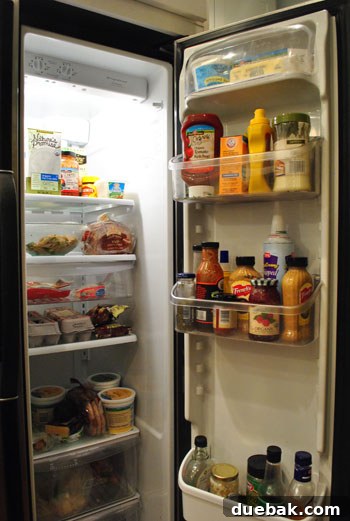
The sight of a full fridge typically brings comfort, but in the context of an impending move, it represented a significant task ahead. Our goal was to methodically work our way through these contents, prioritizing items close to their expiration dates and integrating others into planned meals. This first step, often the most daunting, is crucial for setting the stage for a successful food purge.
The Transformation: Ready for Moving Day
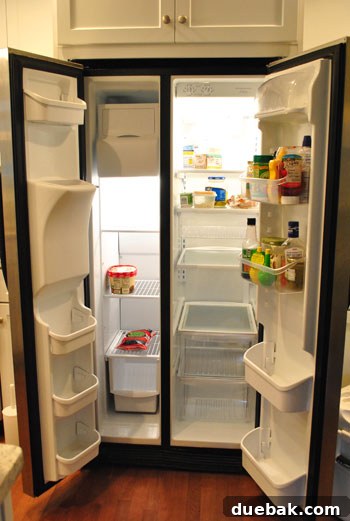
Fast forward two weeks, countless “creative” meals, and a fair bit of strategic planning, and here’s what our fridge looked like on truck-loading day. The difference is stark, a testament to our dedication to the grocery hiatus.
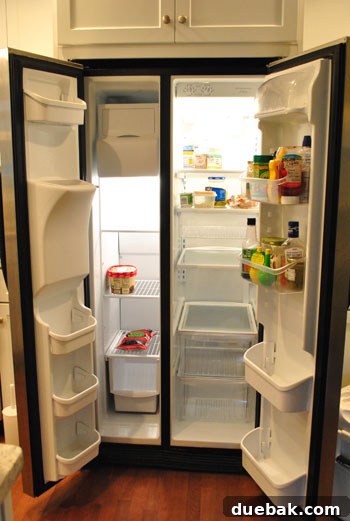
This image speaks volumes. The shelves are largely bare, with only a handful of items remaining. This wasn’t achieved by magic but through consistent effort and a clear strategy. The satisfaction of seeing the fridge nearly empty was immense, signaling a major hurdle successfully cleared before the busiest day of our move. It brought a profound sense of accomplishment and readiness.
The Strategy Behind the Success: More Than Just Eating Smart
Our success wasn’t merely about eating; it was underpinned by a methodical approach, spearheaded by what I refer to as my “borderline compulsive list making idea” (which you can read about in more detail here). This involved creating detailed inventories of what we had, categorizing items by their urgency of consumption, and then meticulously planning meals around those ingredients. It was a dynamic process, requiring daily adjustments as items were used up.
Detailed Meal Planning and Inventory Management
Effective inventory management is key. We started by listing every item in the fridge, freezer, and pantry. From there, we prioritized. What had the shortest shelf life? What could be frozen if not used? What could be combined to make a full meal? This forced us to be creative, often resulting in unique and surprisingly delicious combinations. For instance, leftover roasted vegetables might find a new life in an omelet, or a few slices of cheese could become the star of a gourmet grilled cheese sandwich paired with some last-standing bread. This method not only reduced waste but also challenged our culinary skills, turning what could have been a chore into an engaging project.
Embracing Creative Culinary Adventures
The “creative meals” weren’t just a byproduct; they were an integral part of the strategy. It meant letting go of strict recipe adherence and instead, cooking with what was available. This flexibility transformed mealtime from a chore into an enjoyable puzzle. We explored new ingredient combinations, experimented with flavors, and discovered forgotten items in the back of the pantry that were given a new lease on life. This period of culinary improvisation made the process feel less like a deprivation and more like an exciting challenge, keeping boredom at bay despite the limited “shopping” options. It’s amazing what delicious dishes you can create when you’re forced to think outside the box.
The Triumphs of the Purge: What We Achieved
The benefits of our two-week grocery hiatus were numerous, extending far beyond simply clearing out the fridge. The most immediate and satisfying outcome was the minimal amount of food left over on moving day. We managed to whittle down our freezer contents to just one carton of ice cream and a single bag of edamame. In the fridge, only a few essential condiments remained, alongside a bit of bread, some cheese, a handful of pickles, three yogurt cups, and a few sticks of butter. The ice cream and pickles were slated for immediate consumption on moving day itself – and no, for the record, I’m not pregnant, just really committed to the cause and enjoying the last bits!
Effortless Transport of Remaining Essentials
The beauty of having so little left was the incredible ease of transport. Everything that remained easily slipped into a single small cooler. This cooler, in turn, could be placed securely in the cold moving van, eliminating the need for multiple large, cumbersome coolers that require constant monitoring and refilling with ice. This spared us the hassle and mess, and certainly prevented us from having to “hijack” John’s sister’s fridge for the day, which was a real possibility at the start of our planning. It truly streamlined a potentially stressful aspect of the move, allowing us to focus on the bigger picture.
Significant Financial Savings for Your Relocation Budget
Beyond the practicalities of moving, this initiative also delivered a tangible financial benefit. By conscientiously avoiding the grocery store for two full weeks, we naturally saved a considerable amount of money. In the weeks leading up to a move, expenses tend to pile up, from packing supplies to moving truck rentals. Cutting down on one of the most significant recurring household costs offered a welcome relief to our budget, allowing us to allocate those funds elsewhere or simply enjoy the savings. It’s a testament to how small, consistent efforts can lead to noticeable financial gains, especially during a time of increased spending.
A Positive Environmental Impact: Reducing Food Waste
Perhaps one of the most rewarding aspects of this endeavor was its positive environmental footprint. Food waste is a significant global issue, contributing to greenhouse gas emissions and the inefficient use of resources. By actively working to consume almost everything we owned, we drastically reduced our personal food waste during a period when it’s particularly easy to let things go to spoil. This mindful consumption resonated deeply, knowing we were contributing to a more sustainable moving process and doing our part for the planet.
Beyond the Practical: Emotional and Mental Benefits of a Food Purge
Moving is renowned for being one of life’s most stressful events. Any strategy that can alleviate even a fraction of that stress is invaluable. Our pre-move food purge did exactly that, offering a surprising layer of mental peace amidst the chaos.
Reduced Moving Stress and Increased Peace of Mind
Having one less major logistical puzzle to solve on moving day was a huge weight off our shoulders. Knowing that our food situation was under control, and that we wouldn’t be dealing with overflowing trash cans of spoiled items or struggling with multiple heavy coolers, allowed us to focus our energy on other crucial tasks. This feeling of being prepared and having tackled a potentially complex issue upfront contributed significantly to a calmer and more organized moving experience. It provided a sense of accomplishment even before the first box was loaded, setting a positive tone for the entire relocation.
Heightened Anticipation for the New Home and a Fresh Start
Ironically, emptying out our old kitchen made us even more excited about our new house. The thought of a completely empty fridge and pantry transformed into a canvas of possibilities. It meant that once we were settled, we could embark on a “huge food shopping spree” and stock our new kitchen exactly how we wanted it, with fresh, new ingredients. The idea of returning to “normal meals” – not just creative concoctions born of necessity – felt like a luxurious treat awaiting us. This anticipation infused the entire moving process with a sense of hopeful expectation. Woot woot!
Tips for Your Own Pre-Move Food Purge: A Comprehensive Guide
Inspired by our experience? Here are some actionable tips to help you successfully implement your own pre-move food purge and enjoy a smoother, more efficient transition:
- Start Early: Begin your grocery hiatus at least 2-3 weeks before your move, or even earlier if you have a very well-stocked pantry and freezer. This gives you ample time to use everything up without feeling rushed or overwhelmed.
- Conduct a Thorough Inventory: List every single food item you have, from spices to frozen meats. This includes refrigerator, freezer, and pantry items. Be honest about what you’ll realistically consume within your timeline.
- Prioritize and Plan Meals Strategically: Identify items with the shortest shelf life first. Plan meals around these ingredients. Look for recipes that can utilize multiple existing items, such as stir-fries, frittatas, or casseroles.
- Be Flexible and Creative with Your Cooking: Embrace “clean out the fridge” meals. Don’t be afraid to experiment with unusual combinations. Soups, stir-fries, omelets, and casseroles are excellent for using up odds and ends. Think of it as a culinary adventure!
- Utilize Your Freezer: Cook larger batches of meals using ingredients you need to consume, then freeze portions for easy meals during the initial chaos of unpacking in your new home. This can be a lifesaver for busy first days.
- Donate Non-Perishable Items: If you have an abundance of unopened, non-perishable items that you know you won’t use or can’t transport, consider donating them to a local food bank or shelter before you move.
- Pack a “First Day” Essentials Box: Set aside essentials like coffee, tea, snacks, instant oatmeal, and perhaps a simple breakfast for your first day in the new house. This prevents an immediate, stressful grocery run.
- Plan for Last-Minute Meals: On moving day itself, stick to extremely simple options like sandwiches, takeout, or even instant noodles. Your focus should be on the move, not elaborate cooking. Keep it minimal and easy.
- Clean as You Go: As shelves and drawers empty, give them a quick wipe-down. This will make your final deep clean much easier and less daunting.
Embrace the Purge, Enjoy the Move
Our journey through the grocery shopping hiatus proved to be an unexpected highlight of our moving experience. What started as a practical necessity evolved into a deeply satisfying and beneficial endeavor. It demonstrated that with a little foresight and commitment, the seemingly daunting task of managing food during a move can be transformed into a streamlined, cost-effective, and environmentally conscious process.
By embracing the pre-move food purge, you not only alleviate a significant source of moving day stress but also gain financial savings, reduce food waste, and cultivate a sense of resourcefulness. And perhaps most importantly, you create a blank canvas in your new kitchen, ready for new culinary adventures and the joy of truly making your new house a home. So, as you prepare for your next big move, consider giving the grocery shopping hiatus a try – you might be surprised at how much easier and more rewarding your relocation becomes.