
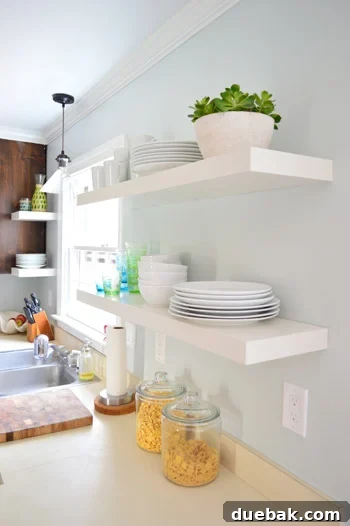
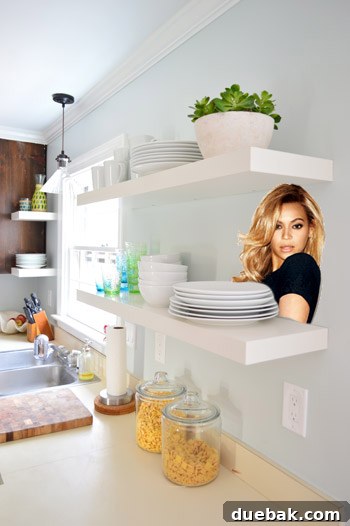
Let’s talk about “shelfies” – not selfies, but those perfectly styled, functional, and often inspiring glimpses into our homes that bring us immense joy and a sense of accomplishment. Today, we’re pulling back the curtain on a recent kitchen transformation that centered around the installation of iconic IKEA LACK floating shelves. If only we had a surprise Beyoncé photobombing our pristine new shelves, they’d truly be the best shelfies ever!
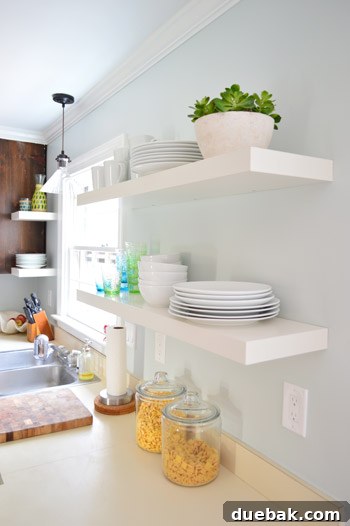
While Queen Bey may not have graced our kitchen, the no-Beyoncé consolation prize is that these stunning IKEA floating shelves are finally up, and the impact is nothing short of transformative. It genuinely feels like we’ve turned a significant corner in our kitchen renovation journey. Though a few major tasks remain on our checklist – chief among them painting the cabinets – the addition of these shelves has made an absolutely gigantic difference. They stand in stark contrast to the dark, heavy cabinetry that once flanked the window, instantly injecting light and a contemporary feel into the space.
Transforming Our Kitchen with IKEA LACK Floating Shelves: A DIY Guide to Modern Open Storage
Embarking on a kitchen renovation can be a daunting yet incredibly rewarding experience. For us, one of the most anticipated phases was replacing old, cumbersome wall cabinets with sleek, open shelving. The goal was to create a brighter, more spacious, and visually appealing kitchen, and the IKEA LACK floating shelves proved to be the perfect solution. This project wasn’t just about adding storage; it was about reimagining the heart of our home, one shelf at a time.
The Journey to a Brighter Kitchen: Before & After
The “Before” – A Glimpse into the Past
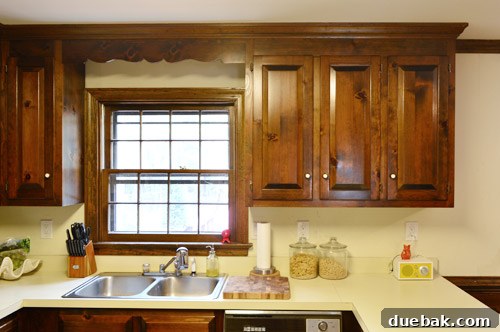
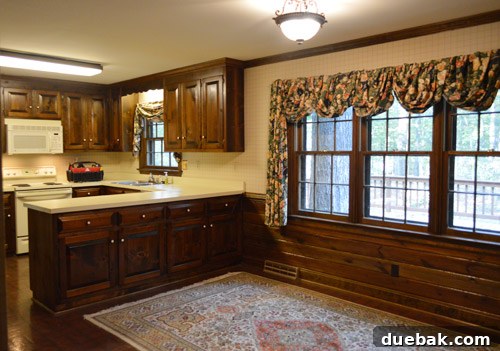
Just a few weeks ago, our kitchen told a very different story. It was characterized by dated 1980s aesthetics, dominated by dark, heavy wood wall cabinets that absorbed light and made the space feel cramped and enclosed. The walls were covered in old wallpaper, further contributing to the dimly lit atmosphere. This was the scene after we had already tackled the wallpaper removal, offering a clearer view of the dark cabinetry that was on its way out. The overarching sentiment was one of confinement, a far cry from the open and airy feel we craved.
The “After” – A Breath of Fresh Air and Light
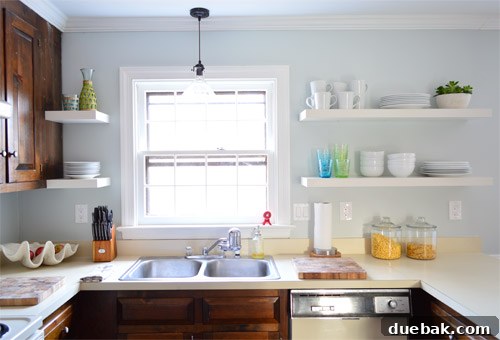
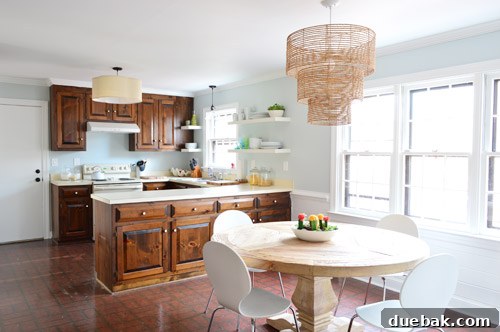
Fast forward to today, and the transformation is truly remarkable. From the same vantage point, the kitchen is now almost unrecognizable. We meticulously removed the old cabinets, carefully re-hung the crown molding to preserve architectural integrity, and then tackled extensive patching, priming, and painting of the walls, trim, and ceilings. We also seized the opportunity to upgrade the lighting, which, combined with the fresh white paint, significantly amplifies the natural light. And, of course, the stars of the show: our new IKEA LACK floating shelves. These pictures, as good as they are, don’t even fully capture the dramatic change. The room is literally at least twice as bright, and it feels substantially larger and more open, fostering a much more inviting and modern ambiance. It’s not just a visual upgrade; it’s a sensory one, where every step into the kitchen feels lighter and more expansive.
Why IKEA LACK Floating Shelves? Our Design Philosophy
Our choice to go with IKEA LACK floating shelves was deliberate and multifaceted. These shelves are incredibly popular for a reason: they offer a clean, minimalist aesthetic at an affordable price point, making them a go-to for modern home design and DIY enthusiasts. Their versatility means they can seamlessly integrate into various decor styles, from Scandinavian chic to contemporary farmhouse. For us, the appeal of open shelving extended beyond mere aesthetics. We envisioned a kitchen that felt less constrained, more accessible, and truly reflective of our personal style. Open shelving encourages a thoughtful curation of kitchen essentials and decorative items, transforming everyday objects into elements of design.
Strategic Placement & Spacing for Optimal Functionality
When it came to hanging our LACK shelves, precision and thoughtful planning were paramount. We decided to strategically align the bottom shelf with the existing cabinet on the left side of the window (positioned 18 inches above the counter). This simple decision ensured visual continuity and made the new shelving system feel integrated rather than tacked on. The pre-made sizes of the LACK shelves also conveniently allowed for a couple of inches of graceful breathing room around the window, a design detail we found particularly appealing as it prevented the space from feeling overcrowded.
For the height of the second shelf, we relied on a keen eye for balance and practical considerations, ultimately choosing a 14-inch gap above the bottom shelf. This specific spacing was chosen for its dual benefits: it provides ample room to load up the bottom shelf with larger items without feeling cramped, while also allowing someone of a shorter stature, like myself, to easily reach items on the top shelf. This thoughtful approach to placement ensures both aesthetic harmony and practical accessibility in our daily kitchen use.
Step-by-Step Installation: How We Hung Our IKEA LACK Shelves
Installing floating shelves might seem intimidating, but with the right tools and a clear plan, it’s a very achievable DIY project. Here’s a detailed breakdown of how we tackled hanging our IKEA LACK shelves, ensuring they were not only beautiful but also incredibly sturdy.
Essential Tools for a Smooth Installation
Before you begin, gather these crucial tools to ensure a smooth and successful installation:
- Level: Absolutely essential for perfectly straight shelves.
- Stud Finder: To locate wall studs for maximum support.
- Power Drill/Driver: For quickly and securely driving screws.
- Pencil: For marking placement.
- Measuring Tape or Yardstick: For accurate measurements.
- Safety Glasses: Always protect your eyes.
- Wall Anchors (heavy-duty): For areas without studs, especially for smaller shelves or lighter loads.
Marking Your Territory: Precision is Key
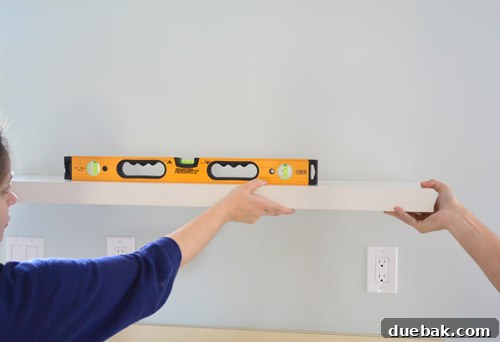
The first step in any successful installation is accurate marking. We began by holding the bottom shelf firmly in its desired position. With a trusty level placed on top, we made sure it was perfectly horizontal. This step cannot be rushed; a level shelf is a happy shelf!
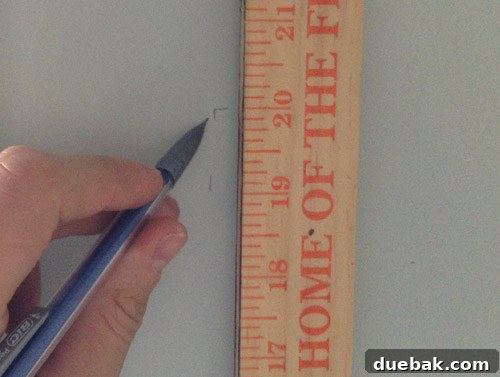
Once the shelf was perfectly level, we used a pencil to mark the top corners on each side. These marks served as our guide. We then drew a straight line across the wall connecting these two points, creating a clear visual reference for where the top edge of our shelf would sit. This line is critical for maintaining consistency and symmetry, especially when installing multiple shelves.
Unpacking the Hardware: The LACK Bracket System
The longer LACK shelves come with a robust metal hanging brace and accompanying screws, which is a surprisingly clever system. Upon opening the package, you’ll find this essential hardware ready for installation.
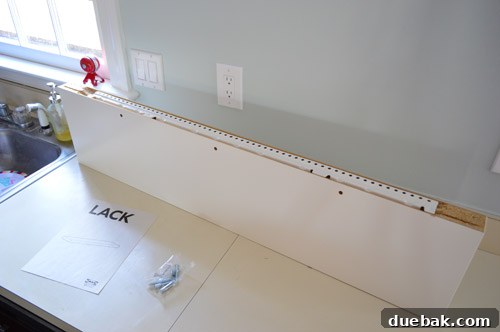
The metal brace itself is ingeniously designed for maximum security. It features a series of pre-drilled holes along its entire length, allowing you to easily align it with wall studs. Using a basic stud finder, we located at least two studs within the span of each shelf and drove screws directly into them. This method ensures exceptional stability and confidence in the shelf’s ability to hold weight. The IKEA instructions provide clear recommendations for screw-to-stud placements, guiding you toward the most secure configuration.
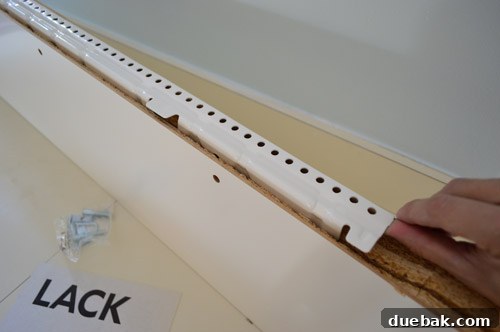
Securing the Brace: Anchoring for Strength
With our pencil line as a guide, I positioned the metal brace along the horizontal area where the shelf would hang. To ensure it was perfectly centered, I measured in a few inches from our initial pencil corner guides, as the metal brace is slightly shorter than the shelf itself. To temporarily hold the brace in place and free up my hands, I started with one screw driven directly into the drywall in the middle.
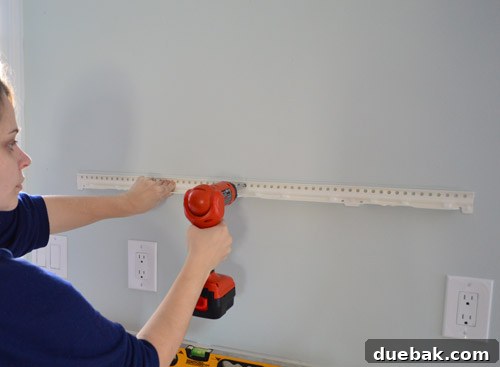
This freed me up to use the stud finder to pinpoint the actual wall studs. With the studs located, I drove two more robust, long screws (provided with the shelves) directly into these studs. This solid connection to the wall’s structural elements is what gives the LACK shelves their impressive strength. My partner, John, was a fantastic helper during this step, holding the level against the brace to ensure it remained perfectly horizontal and didn’t skew up or down as I worked. This teamwork was invaluable for achieving a flawless installation.
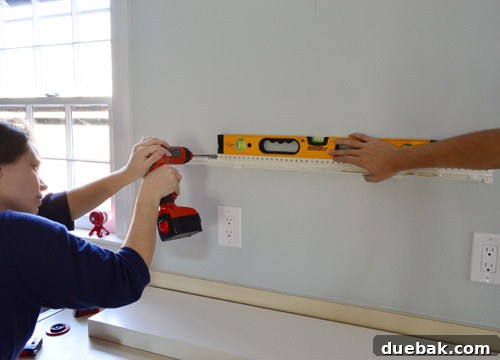
The LACK system also includes small metal plates, which function similarly to washers. These are placed under the screw heads when fastening the brace to the studs, providing an even firmer grip than screws alone. You can see these three metal rectangles in the image below, indicating where two screws went into studs, and we added one more with a heavy-duty anchor for extra holding power in a non-stud location, maximizing the overall stability.
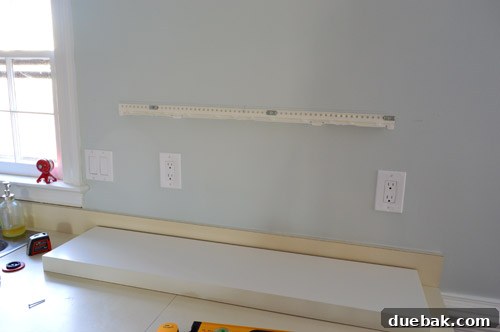
Sliding On the Shelf: Final Touches
Once the metal brace was securely mounted, the exciting part began: sliding the shelf onto the brace. The shelf is designed to fit snugly over the protruding metal pins of the bracket. Then, to finalize the installation, you tighten the three provided screws that align with the three pre-drilled holes on the underside of the shelf. Initially, I attempted this by hand with the small Allen wrench, but quickly realized it was an exercise in patience (or lack thereof!). It felt like it would take a million years!
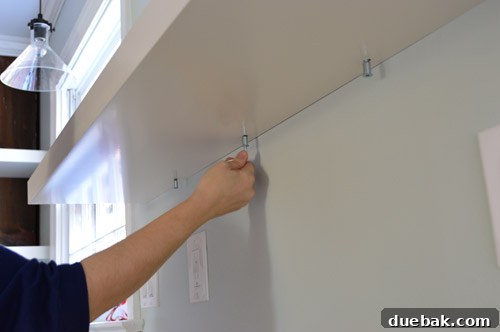
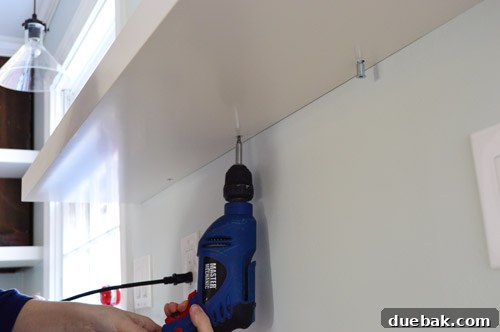
So, I smartly switched to a power drill, which made quick work of driving those screws in, securing the shelf firmly to the brace in a fraction of the time. This small trick significantly speeds up the process and ensures a tighter fit.
Installing the Shorter Shelves: A Simpler Approach
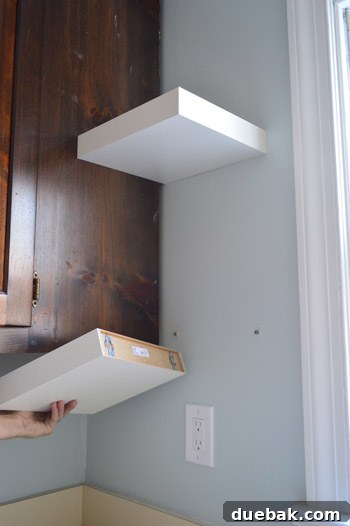
We followed this same precise process for the higher long shelf. When it came to the smaller, individual side shelves, the installation was notably simpler. For these, we relied on heavy-duty wall anchors, driven into pre-selected spots on the wall that perfectly aligned with where we wanted each shelf to hang. Unlike the longer shelves, which are more permanently screwed into place at multiple points, these smaller shelves can be popped on and off with relative ease. This is a brilliant feature, as we’ll temporarily remove these guys when it’s time for the cabinet painting project, ensuring an unobstructed work area.
Styling Your Open Shelves: Function Meets Aesthetics
Our newly installed floating shelves have proven to be incredibly sturdy and reliable. The key to their stability lies in the strength of the anchors and the precision of the installation; if they’re not perfectly level, they might wobble. Therefore, always measure at least twice and rely on your level for the best, most secure result. As our kitchen evolves, so too will the items displayed on each shelf. For instance, I might eventually hang a small framed photo above that neat stack of plates or introduce something taller on the bottom shelf to add an interesting pop of color or varying height. The beauty of open shelving is its dynamic nature, allowing for continuous creativity and adaptation.
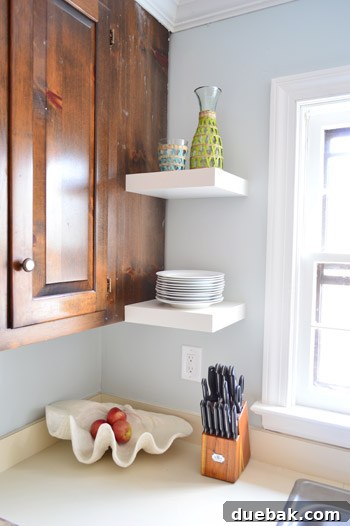
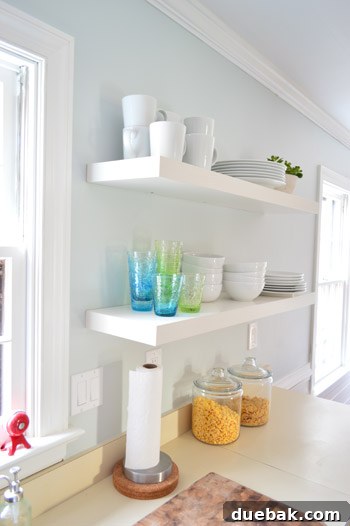
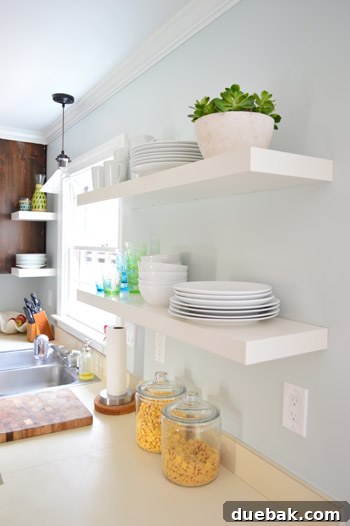
For now, these shelves are performing admirably as super-functional storage solutions. The bottom shelves are filled with everyday essentials – the dishes and mugs we reach for constantly. The top shelves, on the other hand, are reserved for items we simply love to see and display. This includes decorative pieces that might otherwise clutter the counter, such as a potted plant or a pitcher repurposed as a vase, alongside additional plates and mugs that didn’t quite fit on the lower, high-traffic shelves. It’s a perfect blend of practicality and personal expression.
The Functional & Aesthetic Benefits of Open Shelving
Viewing the shelves from another angle truly highlights their impact. Oh man, the ease of unloading the dishwasher again is a perk we seriously missed from our last house’s open shelving! We absolutely love how these shelves, while flanking the window, don’t obstruct any light whatsoever. Being shiny and white, they actually bounce light around the room, making the space feel even brighter. This is a stark contrast to the old dark and solid cabinets that used to block light and create a much heavier feel.
Durability and Peace of Mind: A Sturdy Solution
For those wondering about the weight capacity and durability, we have good news! According to IKEA, these longer LACK shelves are designed to hold up to 33 lbs each, provided they are properly secured into wall studs. In our installation, we made sure to hit at least two studs per shelf, giving us immense confidence in their strength. So far, they have remained incredibly strong and stable, no matter how much china we throw at them lovingly place on them. This robustness is comparable to how giant upper cabinets full of dishes are typically supported – through screws driven into studs – which definitely helps to ease our minds. Furthermore, our positive experience with the same type of LACK shelves in the dining area of our first house for over four years further solidifies our trust in their lasting quality and functionality.
Looking Ahead: Our Vision for a “Tuxedo Kitchen”
From Six Months Ago to Our 2014 Dream
It’s truly a marvel to look back and see how far this room has come from its initial state just six months ago. The transformation is profound, a testament to thoughtful planning and dedicated DIY efforts. The journey has been challenging but incredibly rewarding, and each completed step brings us closer to our ultimate vision.
The Tuxedo Kitchen Awaits
And the excitement doesn’t stop here! We are absolutely thrilled about the next phase: lightening up those upper cabinets to a crisp white and diving deeper into a richer, more sophisticated hue for the lower cabinets. Our plan is to create a “tuxedo kitchen,” a design concept we’ve been huge fans of for a long time. This elegant style, characterized by a lighter upper half and a darker lower half, creates a sophisticated and timeless look, as beautifully exemplified by this gorgeous inspiration. In fact, we’re currently in the thick of sanding and priming this week, with high hopes of unveiling a completely “new” kitchen for 2014! This strategic color palette promises to add depth, character, and a touch of luxury to our revitalized kitchen space.
Embrace the DIY Spirit: Your Home, Your Project
Was anyone else tackling last-minute home projects this past weekend in anticipation of the holidays? Do you have any big transformations planned for the coming weeks? We seem to have a recurring tradition of undertaking something significant and house-interrupting right in the middle of the Christmas craziness! It’s a challenging but ultimately rewarding way to ring in the new year with a refreshed space.
Installing these IKEA LACK floating shelves has been a pivotal step in our kitchen renovation, dramatically altering its appearance and functionality. It’s a testament to how even seemingly small changes can yield monumental results. If you’re looking to refresh your kitchen, add light, and embrace modern aesthetics, open shelving could be your next great DIY adventure. Don’t be afraid to take on these projects; the sense of accomplishment and the joy of a personalized space are truly invaluable.