
Elevate Your Home’s Curb Appeal: Creative House Number Ideas That Make a Statement
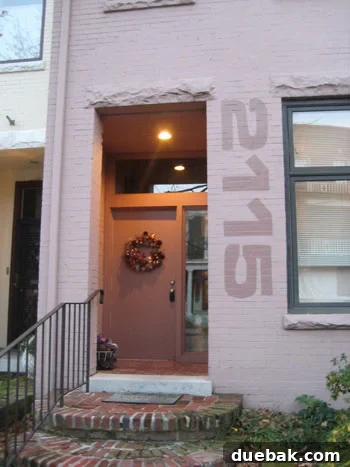
The humble house number – often an afterthought, yet it plays a crucial role in your home’s identity and curb appeal. It’s the very first detail visitors, delivery drivers, and emergency services look for, acting as a beacon to your doorstep. But beyond its undeniable practical purpose, your house number offers a fantastic, often overlooked, opportunity to express your home’s unique style and significantly enhance its overall aesthetic. We recently stumbled upon a wonderfully creative house number application downtown that instantly sparked our imagination and reaffirmed just how impactful these small, yet significant, details can be. (You might even spot a festive Christmas wreath in the original photo below, subtly hinting at the time of year we captured this inspiring gem!)
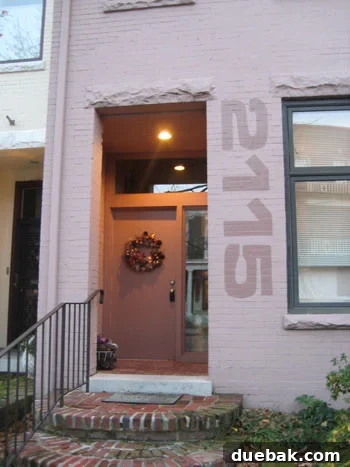
This particular idea, featuring oversized, meticulously hand-painted numbers directly onto a brick facade, immediately caught our eye. It’s not just functional; it’s a bold artistic statement that imbues the home with character, individuality, and unmistakable charm. Imagine your guests never having to squint or second-guess which house is yours, even from a distance! This approach offers incredible visibility and a unique touch that effortlessly sets a home apart from its neighbors. We couldn’t help but ponder the ingenious DIY process behind such a striking display. Our best guess for recreating this high-impact look? A resourceful homeowner likely began by printing out their desired house numbers in an extra-large, clear font on a computer, carefully cutting them out to create precise paper stencils. These stencils would then be temporarily secured to the brick wall with painter’s tape, ensuring they were perfectly level and spaced. Next, the outlines of the numbers would be meticulously traced with a pencil, serving as a guide. Finally, those pencil marks would be filled in with a durable, high-quality exterior paint – perhaps two shades darker than the existing brickwork itself to create a subtle yet highly effective contrast that makes the numbers truly pop. The result is pure genius, blending practicality with a distinctive artistic flair!
Why Your House Number Matters More Than You Think
Beyond simply guiding people to your doorstep, your house numbers contribute significantly to your home’s overall curb appeal and first impression. They are a vital part of its visual identity, reflecting its character, whether that be modern, traditional, rustic, craftsman, or eclectic. A well-chosen, appropriately sized, and strategically placed house number can elevate your entire exterior, making it feel more welcoming, polished, and memorable. Conversely, numbers that are faded, too small, obscured, or poorly placed can inadvertently detract from an otherwise beautiful home, making it harder to find and diminishing its aesthetic appeal. It truly is a small detail with a remarkably big impact on both functionality and design.
The Art of Placement: Where to Put Your House Numbers for Maximum Impact
While the painted brick idea we admired is undeniably cool and wonderfully unique, it immediately made us reflect on the vast array of options available and how different architectural styles might best accommodate them. For instance, while this grand, custom-painted treatment looks absolutely spectacular on a downtown brownstone with its expansive, flat brick surfaces, we hardly think it would suit our more modest, sprawling brick ranch house. Each home possesses its own unique personality and architectural language, and finding the perfect house number solution means thoughtfully considering your specific architecture, existing exterior materials, and personal aesthetic preferences. So, where do you typically display your house numbers? The possibilities are surprisingly diverse and offer creative solutions for nearly every home:
- On the Mailbox: This is a classic and highly convenient choice, especially for homes with longer driveways or those set back from the street. For optimal visibility, ensure the numbers are clearly displayed on both sides of the mailbox if positioned parallel to the street.
- Above the Door: A prominent and traditional location, often utilizing a dedicated plaque, individual numbers mounted directly to the wall, or even integrated into a transom window above the entryway. This placement offers excellent visibility as it draws the eye directly to the entrance.
- Next to the Door: Offering a symmetrical and often highly visible solution, numbers can be mounted directly on the wall adjacent to the door, on the door frame itself, or incorporated into a decorative panel that complements the entrance.
- On the Door Itself: A charming and personal touch that works particularly well on solid, single-panel doors. Numbers can be beautifully painted, stenciled, or securely affixed directly to the door’s surface, becoming an integral part of its design.
- On Front Steps or Risers: A less common but incredibly creative and distinctive approach, especially for homes featuring grand or prominent staircases leading to the entrance. The numbers are typically placed on the vertical face (riser) of the step, facing the street for clear visibility.
- In the Garden or Lawn: Utilizing a decorative plaque or a sturdy, artistically designed stake firmly planted in a visible garden bed or by the sidewalk. This is an ideal solution for homes where the front door is recessed, obscured by landscaping, or otherwise difficult to spot from the street.
- On a Fence or Porch Column: For homes with prominent fences bordering the property or sturdy structural columns supporting a porch, these features can provide an excellent, highly visible canvas for clear numbering.
- Integrated into Architectural Features: Some contemporary homes even feature numbers custom-cut directly into their facade materials, such as metal panels or stone, or cleverly integrated into exterior lighting fixtures for a truly bespoke look.
Each placement option offers unique advantages and contributes differently to your home’s overall aesthetic and functionality. The paramount goal is to choose a location that ensures maximum visibility for everyone, while simultaneously complementing your home’s architectural design and personal style.
DIY House Numbers: Unleashing Your Creativity for a Custom Look
The painted brick number we admired is a fantastic example of a DIY project that delivers high visual impact without necessarily requiring specialized tools or extensive experience. If you’re considering a similar approach to personalize your home’s exterior, here are a few expanded, step-by-step tips for recreating that bold, custom-painted look:
- Design and Print Your Stencils: Begin by selecting a clear, legible font that harmonizes with your home’s architectural style. Using a word processor or graphic design software, print your chosen numbers in an oversized format on sturdy paper or thin cardstock. Don’t be afraid to experiment with different sizes by holding the printed numbers up to your desired location on your house to gauge the best scale.
- Create Precise Stencils: Carefully use a craft knife or a sharp utility knife to cut out the inside of each printed number, effectively creating a precise stencil. Take your time to ensure clean, crisp edges, as this will directly impact the final appearance of your painted numbers.
- Prepare the Surface Thoroughly: Before applying any paint, it’s crucial to ensure the brick or wall surface is impeccably clean, dry, and entirely free of any loose debris, dirt, cobwebs, or flaking paint. A quick scrub with a stiff brush, followed by a rinse with water and thorough drying, will significantly help the new paint adhere better and last longer.
- Secure Stencils and Trace Outlines: Carefully position your stencils on the prepared wall surface. Use painter’s tape to secure them firmly in place, ensuring there are no gaps or wiggles. Utilize a level to guarantee that your numbers are perfectly aligned and evenly spaced. Once secured, lightly trace the outline of each number with a pencil. Double-check your spacing, alignment, and overall layout before proceeding to the next step.
- Paint with Precision and Patience: Using a good quality exterior masonry paint (formulated for brick or stucco) and a small, fine-tipped artist’s brush, carefully and steadily fill in your pencil outlines. Apply thin, even coats to prevent drips, minimize bleed-through under the stencil (if you’re still using it for painting, though tracing is often better for clean lines), and ensure smooth, opaque coverage. You will likely need two or three coats to achieve a solid, vibrant finish.
- Seal for Enhanced Durability (Optional but Highly Recommended): Once the paint is completely dry and cured (check the paint manufacturer’s recommendations for drying times), consider applying a clear exterior sealant or varnish over the painted numbers. This protective layer will shield them from harsh weathering, damaging UV rays, and general wear and tear, significantly extending their lifespan and preserving their fresh appearance.
This DIY method allows for endless customization in terms of font, size, and color, giving you complete creative control over the final look of your unique house numbers.
Beyond the Brush: Exploring Diverse House Number Styles and Materials
While DIY painting offers incredible personalization, the market is also brimming with a vast array of ready-made house number solutions in various styles and materials. When selecting yours, consider critical factors such as durability, weather resistance, and how well they genuinely complement your home’s existing exterior finishes and overall architectural style:
- Metal Numbers: Stainless steel, brass, bronze, copper, aluminum, or wrought iron are consistently popular choices. They can offer a sleek, modern, sophisticated, or classic look depending on the finish, font style, and mounting method. Metal numbers are incredibly durable, resistant to weathering, and often mounted with stand-offs to create an attractive floating or shadow effect.
- Wood Numbers: For a rustic, natural, cozy, or craftsman-inspired feel, numbers expertly carved from or beautifully mounted on wood can be an exquisite choice. It is paramount to ensure the wood is specifically treated and sealed for outdoor use to prevent rot, warping, and premature fading from sun and moisture exposure.
- Ceramic or Tile Numbers: These numbers can infuse your home’s exterior with a warm, Mediterranean, mosaic, or charming handcrafted touch. Often seen as part of a decorative plaque, they bring a delightful element of color, texture, and artistry to your entrance.
- Acrylic or Plexiglass: Offering a distinctively modern and minimalist aesthetic, these numbers can often be backlit with LED lighting for stunning illumination, creating a captivating glow and ensuring excellent visibility at night.
- Illuminated Numbers: Integrating LED lighting directly into the numbers or utilizing strategically placed external spotlights ensures your address is highly visible 24/7, a crucial consideration for both safety (emergency services) and convenience (late-night visitors). Solar-powered options provide an energy-efficient alternative.
- Custom Plaques: Many specialized companies offer custom-made plaques with exquisitely engraved or elegantly raised numbers in a multitude of materials, allowing you to include additional details such as your street name, family name, or a charming welcome message.
Key Tips for Choosing the Perfect House Numbers for Your Home
With such a rich diversity of options available, how do you make the absolute best choice for your home? Here are some key considerations to guide your decision-making process:
- Readability is Paramount: This cannot be stressed enough. Your numbers absolutely must be large enough and presented in a clear, legible font that can be easily read from the street, even from a distance, and in varying light conditions (day, dusk, night, and even adverse weather).
- Ensure Excellent Contrast: There must be sufficient contrast between the color of your numbers and their background. Dark numbers on a light surface or vice-versa are universally the most effective for maximum visibility. Avoid subtle tone-on-tone combinations that can make numbers disappear.
- Consider Scale and Proportion: The size of your house numbers should always be in harmonious proportion to your home’s facade and the space available. Numbers that are too small will disappear and be ineffective; numbers that are excessively large can overwhelm the entrance and look out of place.
- Harmonize with Architectural Style: Choose numbers that genuinely complement and enhance your home’s existing architectural style. Modern, sleek fonts work best for contemporary homes; classic scripts or traditional designs suit historical or traditional residences; and rustic, bold numbers are ideal for farmhouse or cabin-style properties.
- Material and Finish Cohesion: Select materials and finishes for your house numbers that thoughtfully complement your existing exterior hardware and finishes. This could mean matching the metal finish of your outdoor light fixtures, door hardware, or even your roofline.
- Prioritize Visibility for Emergency Services: Always consider the critical aspect of emergency responders. Can they easily spot your address number quickly and without confusion, especially at night, during heavy rain, or in other challenging conditions? Illuminated numbers are an outstanding solution for this vital safety consideration.
- Check Local Regulations and HOAs: Before making a final decision or beginning a project, always check if your local homeowners’ association (HOA) or municipal codes have any specific requirements or restrictions regarding house number size, placement, material, or illumination.
Investing a little time, thought, and creativity into your house numbers can significantly enhance your home’s functionality, safety, and overall aesthetic appeal. It’s often one of the most affordable and impactful upgrades you can make, delivering big returns in terms of curb appeal and practicality.
When it comes to the “numbers game,” how do you currently treat yours? Are you a fan of classic, understated metal numbers, or have you opted for something more unique and personalized? Any house number projects you’re eyeing for the near future, perhaps a custom-painted design like the striking one we showcased, or a sleek new illuminated set to boost nighttime visibility? We’d absolutely love for you to “dish the numeric dirt” and share your ideas, challenges, and successes with your fellow homeowners!
Looking for another fantastic DIY house number idea to spark your creativity? Be sure to explore how Lesley and Jeff brought vibrant life to their cheerful yellow front door by adding a unique and stylish house number in this inspiring House Crashing post from last year. (As a sweet update, they’ve recently welcomed an adorable baby boy into their lovely home – congratulations to them on their growing family!)
Transforming your home’s entrance doesn’t have to be a monumental task or require an extensive budget. Sometimes, the simplest, most thoughtful details, like the choice and placement of your house numbers, can make the biggest and most meaningful difference in creating a welcoming, identifiable, and truly beautiful home. Happy numbering!