
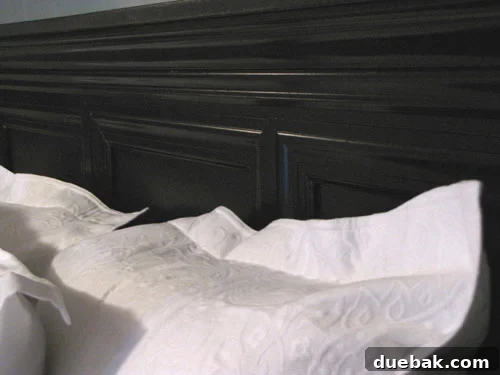
DIY Luxury: Crafting a High-End Headboard for a Fraction of the Price
In the world of home décor, the allure of luxury brands like Restoration Hardware is undeniable. Their timeless designs, robust craftsmanship, and sophisticated aesthetic often set the standard for aspirational living spaces. However, the price tags that accompany such elegance can be a significant deterrent for many homeowners dreaming of a designer bedroom. What if we told you that achieving that coveted high-end look doesn’t require breaking the bank? What if you could replicate a $1640 Restoration Hardware headboard for essentially nothing?
Enter Alyssa and her ingenious husband, a duo who perfectly embodied the spirit of “luxury for less.” Faced with the steep cost of their dream headboard from a renowned luxury retailer, they chose a path of creativity and resourcefulness. Their story is not just inspiring; it’s a powerful testament to what can be achieved with vision, a bit of elbow grease, and perhaps, some leftover materials. They weren’t just making a headboard; they were making a statement: exquisite design doesn’t have to be exclusive.
The Dream Headboard: A Glimpse into High-End Design
Restoration Hardware is famous for its grand, architectural furniture pieces, and their headboards are no exception. Characterized by their substantial presence, intricate detailing, and often a distressed or antique finish, these pieces instantly elevate a bedroom from ordinary to extraordinary. Imagine a grand panel headboard, perhaps with layered moldings or a sophisticated geometric pattern, commanding attention at the head of your bed. The solid wood construction, the meticulous finishing, and the sheer scale contribute to a piece that feels both luxurious and enduring.
For Alyssa, a specific design captivated her imagination. Its elegance, its presence, its ability to transform a bedroom into a sanctuary of style – it was everything she desired. The only hurdle? The hefty $1640 price tag. For many, this would signal the end of the dream, a resignation to a less luxurious alternative. But for Alyssa and her handy husband, it sparked an idea: why buy it when you can build it?
From Inspiration to Innovation: Alyssa’s Masterpiece
Their solution was nothing short of brilliant. Armed with a clear vision of the Restoration Hardware design and a surprisingly simple resource – remnant molding they just happened to have lying around – they embarked on a DIY adventure. This wasn’t just about saving money; it was about the satisfaction of creating something custom, something that perfectly fit their aesthetic and their budget. The fact that they managed to craft a high-quality, custom headboard for free, using materials they already owned, makes their accomplishment even more remarkable.
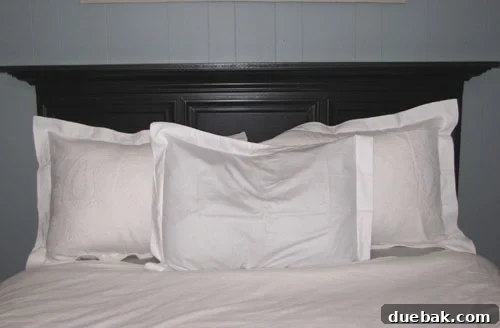
The transformation is truly awe-inspiring. The finished headboard exudes the very essence of the high-end piece it was inspired by. The crisp lines, the subtle depth created by the layered molding, and the overall impressive scale speak volumes. It’s not merely a copy; it’s an homage that captures the spirit of luxury without the exorbitant cost. This project proves that with a creative eye and a willingness to get hands-on, anyone can achieve designer aesthetics without the designer price tag.
The Power of DIY: Why Building Your Own Headboard is a Game-Changer
Alyssa’s success story highlights several compelling reasons why embracing DIY for bedroom furniture, especially a statement piece like a headboard, is incredibly rewarding:
- Unbeatable Cost Savings: This is arguably the most significant motivator. Luxury furniture comes with a premium for brand, design, materials, and craftsmanship. By sourcing materials yourself, utilizing remnants, and investing your own labor, you bypass these markups entirely. Imagine putting that saved $1640 towards other home improvements, a vacation, or simply into your savings!
- Unparalleled Customization: When you build it yourself, every aspect is tailored to your taste. You choose the exact dimensions to fit your bed and room perfectly, the specific type of wood or molding, the paint color or stain, and the finish. This level of personalization is simply not possible with off-the-shelf options, even from high-end retailers.
- Personal Satisfaction and Pride: There’s an immense sense of accomplishment that comes from creating something beautiful and functional with your own hands. Every time you walk into your bedroom, you’re reminded of your skill, ingenuity, and the unique story behind your furniture.
- Sustainable and Eco-Friendly: Utilizing remnant materials, repurposing old wood, or sourcing reclaimed lumber reduces waste and supports sustainable living. Alyssa’s use of “free remnant molding” is a prime example of responsible consumption, turning potential waste into a stunning feature.
- Quality Control: You are in charge of the quality of materials and construction. You can ensure that your headboard is built to last, using sturdy joints and high-quality finishes that might even surpass some mass-produced alternatives.
Deconstructing the Design: Achieving the High-End Look with Molding
The secret to replicating Restoration Hardware’s sophisticated aesthetic often lies in understanding the subtle yet impactful use of architectural elements, particularly molding. Molding isn’t just for trim around walls and ceilings; it’s a versatile design tool that can add depth, texture, and a sense of grandeur to furniture pieces.
For a headboard, various types of molding can be combined to create intricate patterns and frames:
- Panel Molding: Used to create framed sections, giving the appearance of recessed panels. This is crucial for achieving that classic, stately look.
- Crown Molding: Often used along the top edge of a headboard for a grand, finished look, much like it’s used at the juncture of walls and ceilings.
- Baseboard Molding: Can be repurposed for the bottom edge or used as thicker frames within the headboard design.
- Casing Molding: Typically used around doors and windows, it can also frame sections on a headboard.
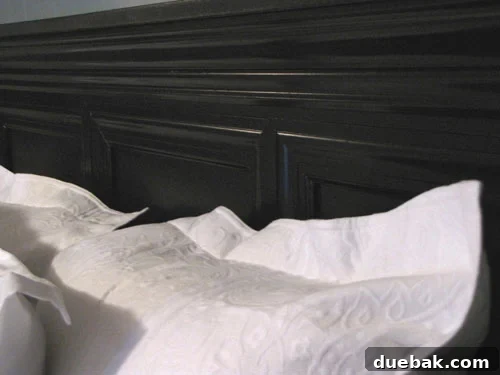
The trick is in the layering and arrangement. By creating a sturdy base panel and then applying various sizes and styles of molding, you can achieve a complex, architectural look that mimics expensive custom millwork. The choice of paint or stain is equally important. A crisp white, a deep charcoal, a classic navy, or a rich wood stain can drastically alter the perceived value and style of the finished piece. Alyssa’s choice of finish perfectly complements the design, making it look every bit as luxurious as its inspiration.
Your Own DIY Headboard Journey: A Conceptual Guide
Inspired by Alyssa’s success, are you ready to embark on your own DIY headboard project? While specific instructions will vary based on your chosen design, here’s a general roadmap to guide your process:
- Find Your Inspiration: Browse high-end furniture sites (like Restoration Hardware, Pottery Barn, etc.) or Pinterest for headboard designs that speak to you. Save images and identify key features you want to replicate.
- Measure and Design: Measure your bed frame and the space available in your room. Sketch out your headboard design, including dimensions and where each piece of molding will go. This plan is your blueprint.
- Gather Your Materials: This is where the budget magic happens!
- Base Material: Plywood or MDF (medium-density fiberboard) will serve as the sturdy foundation for your headboard.
- Molding: Explore lumberyards, hardware stores, or even architectural salvage yards for various types of molding. Look for remnants, clearance items, or consider repurposing existing trim.
- Tools: Miter saw (essential for clean angle cuts), tape measure, level, wood glue, brad nailer (or hammer and nails), sandpaper, wood filler, primer, paint/stain, and paintbrushes/rollers.
- Cut and Assemble the Base: Cut your plywood/MDF to the desired headboard dimensions. Sand all edges smooth.
- Cut and Apply Molding: Measure and cut your molding pieces according to your design plan. Use a miter saw to get precise angles for corners. Apply wood glue to the back of each molding piece and secure it to the base using a brad nailer or small nails. Wipe away any excess glue.
- Finishing Touches: Fill all nail holes with wood filler and sand smooth once dry. Caulk any gaps between molding pieces and the base for a seamless look. Prime the entire headboard, then apply several coats of your chosen paint or stain, sanding lightly between coats for a professional finish.
- Installation: Secure your finished headboard to your bed frame or directly to the wall using appropriate hardware.
Beyond the Headboard: Cultivating a Luxurious Bedroom on a Budget
Alyssa’s headboard project serves as a perfect example of how strategic DIY efforts can elevate an entire space. Once you’ve mastered the art of creating a statement headboard, consider other areas in your bedroom where a little DIY magic can make a big difference:
- Nightstands: Refinish an old dresser or thrift store find to create unique, custom nightstands.
- Lighting: Update existing light fixtures with new shades or a fresh coat of paint, or craft a unique lamp base.
- Wall Art: Create your own abstract art, frame interesting fabrics, or print high-resolution digital art for an affordable gallery wall.
- Textiles: While not strictly DIY, choosing high-quality, luxurious-feeling fabrics for bedding, curtains, and throw pillows can significantly impact the room’s comfort and aesthetic without a custom build.
The Impact of a Beautiful Bedroom Sanctuary
Our bedrooms are more than just places to sleep; they are personal sanctuaries, spaces for rest, rejuvenation, and reflection. A beautifully designed bedroom can profoundly impact our mood, productivity, and overall well-being. By taking control of your design journey through DIY, you’re not just saving money; you’re investing in a space that truly reflects your style, meets your needs, and fosters a sense of peace and comfort.
So, the next time you fall in love with a high-priced designer piece, don’t despair. Take a page from Alyssa’s book. Look closely at the design, break it down into its core components, and ask yourself: “Can I build this?” The answer, more often than not, might surprise you. Thanks so much for sharing your incredible project with us, Alyssa!