
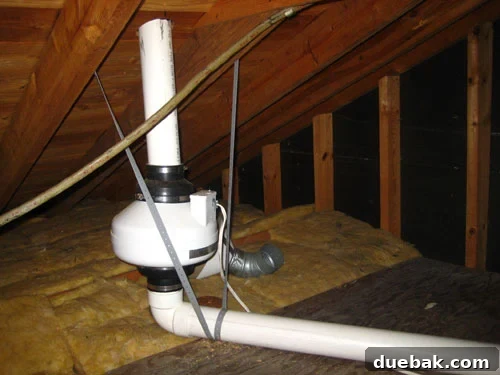
In our ongoing journey to cultivate a healthier and more sustainable home environment, we’ve actively embraced various initiatives. From meticulously purging harmful chemicals from our living spaces to establishing an efficient compost bin, our focus has been on creating a sanctuary. Yet, there’s one critical step we took in pursuit of superior indoor air quality that often goes unmentioned: proactive radon testing. This silent threat, often overlooked, represents one of the most significant health hazards within homes, and addressing it was a pivotal moment in our commitment to a truly green and safe living space.
Unmasking the Invisible Threat: What is Radon Gas?
Radon is a naturally occurring radioactive gas that forms from the breakdown of uranium in soil, rock, and water. Unlike many other indoor pollutants, radon is completely odorless, colorless, and tasteless, making it impossible to detect without specialized testing. This insidious nature is precisely what makes it so dangerous. It silently seeps into homes through cracks in foundations, floor-wall joints, gaps around pipes, and other openings in the basement or crawl space. Once inside, it can accumulate to hazardous levels, posing a significant risk to the health of occupants.
The severity of radon’s impact cannot be overstated. According to the U.S. Environmental Protection Agency (EPA), radon is the leading cause of lung cancer among non-smokers and the second leading cause overall, surpassed only by smoking itself. The risk is even greater for individuals who smoke and are exposed to high radon levels. Prolonged exposure to elevated radon concentrations can damage lung cells, increasing the likelihood of developing this devastating disease. Understanding where radon originates and how it infiltrates homes is the first crucial step toward protecting your family.
Why Every Homeowner Needs to Test for Radon
Many homeowners are unaware that radon levels can vary dramatically even between neighboring houses. The only way to know if your home has elevated radon is to test for it. This isn’t a regional issue; radon has been found in homes in all 50 states. The EPA has designated different “radon zones” across the country, indicating areas with higher predicted indoor radon screening levels, but even homes in low-risk zones can have high radon concentrations. You can easily check your county’s radon risk level to gain initial insight, but regardless of your location, testing remains indispensable.
The ease and affordability of radon testing kits remove any barrier to ensuring your home’s safety. Short-term test kits, typically used for 2-7 days, provide a quick snapshot of your home’s radon levels. Long-term tests, conducted for 90 days or more, offer a more accurate annual average. Both are readily available at hardware stores, online retailers, or through your local health department, often for a minimal cost – typically around $15 to $30. Given the severe health implications, this small investment is a no-brainer for any responsible homeowner.
Our Personal Journey: From Skepticism to Urgent Action
Initially, the concept of testing for an invisible gas felt somewhat abstract, even unnecessary. When Sherry suggested we test for radon shortly after moving into our new home, I admit I was resistant. It seemed like an additional, potentially superfluous expense and effort amidst the multitude of tasks associated with settling into a new place. “Is this really something we need to worry about?” I thought. However, the compelling evidence and the sheer affordability of the test kit eventually won me over. For a mere $15, it was hard to argue against taking such a simple, yet potentially life-saving, precaution.
The testing process itself was remarkably straightforward. We placed a small, inconspicuous test kit in an appropriate location within our home, away from drafts and high traffic, and allowed it to collect air samples for three days. Following the instructions, we then sealed it in the pre-paid packaging provided and mailed it to the laboratory for analysis. The waiting period for the results was a few weeks, filled with an underlying assumption that our home, like many, would fall below the EPA’s recommended action level of 4 pCi/L (picocuries per liter), which is considered acceptable.
The Shocking Revelation: Our Home’s Hidden Danger
The news we received was far from what we expected. Instead of reassuring results, the report indicated that our home had a radon concentration of 10 pCi/L. This level was more than double the acceptable threshold, a startling discovery that immediately shifted our perspective from passive concern to urgent action. The realization that an invisible, odorless, radioactive gas was silently infiltrating our living space, posing a significant health risk to us and potentially to any future occupants, was deeply unsettling. The initial skepticism vanished, replaced by a profound sense of responsibility to address this hidden danger immediately.
Understanding radon levels is crucial for homeowners. The EPA recommends taking action to reduce radon if the level is 4 pCi/L or higher. However, even levels between 2 pCi/L and 4 pCi/L still pose a risk, and the EPA advises considering mitigation in this range as well. Our reading of 10 pCi/L indicated a severe problem that required professional intervention. We promptly reached out to a certified radon mitigation professional, whose contact information was readily available through our local radon office. After verifying our test results and conducting a thorough assessment of our home’s unique structure, we initiated the process of installing a comprehensive radon reduction system.
Implementing a Life-Saving Solution: Radon Mitigation
The process of radon mitigation, while sounding complex, is a highly effective and proven method for significantly reducing indoor radon levels. For our home, which featured a crawl space, the strategy primarily focused on preventing radon entry at its source. This involved meticulously covering all exposed earth within our crawl space with a robust, airtight plastic sheet. This durable vapor barrier acts as a formidable shield, trapping radon emissions from the soil before they have any opportunity to seep upwards into the main living areas of our home.
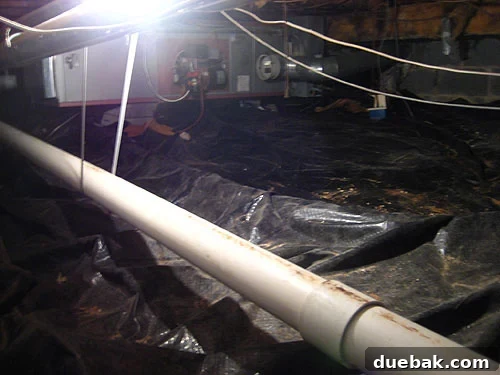
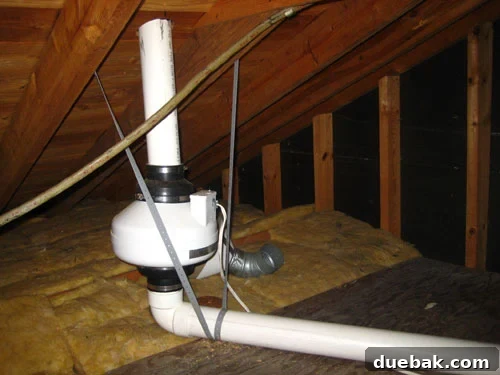
Beyond sealing the entry points, the core of our mitigation system is a process known as sub-slab depressurization, or in our case, sub-membrane depressurization for the crawl space. This involves installing a specialized piping system that extends from beneath the sealed barrier (or slab, in other foundation types) and runs through the house. A powerful, quiet fan, typically located in the attic or exterior of the home, continuously draws the radon gas from beneath the sealed area. This creates a negative pressure, effectively preventing radon from entering the home and instead, actively pulling it up through the pipes. In our setup, this toxic air was efficiently routed up through our guest bedroom closet, into the attic, and finally expelled safely outdoors through a newly installed vent in our roofline. This continuous suction and expulsion ensure that radon gas is safely diverted away from our indoor environment, effectively creating a “peace out, radon” scenario.
The Investment and Unbeatable Peace of Mind
The complete radon mitigation system represented an investment of approximately $2,100. While this wasn’t a trivial amount, especially considering it came so soon after the numerous expenses associated with closing on a new house, we viewed it as a non-negotiable cost for our family’s health and safety. The alternative – knowingly living with a silent killer – was simply unacceptable. This investment wasn’t just about fixing a problem; it was about securing invaluable peace of mind.
The efficacy of the system was proven beyond doubt when we retested our home a few months after installation. The new reading came back at a remarkably low 1.0 pCi/L – an astounding reduction of over tenfold from our initial test results. This level is not only well below the EPA’s action level but is also significantly lower than typical outdoor air radon concentrations, which usually register around 1.2 pCi/L. This dramatic improvement underscored the effectiveness of professional mitigation and validated our decision to invest in our home’s air quality.
Ongoing Vigilance: A Small Price for Lifelong Protection
Our commitment to a radon-free home doesn’t end with the initial mitigation. We firmly believe in ongoing vigilance. To ensure the continuous and proper functioning of our radon mitigation system, we conduct annual retests of our home. These inexpensive check-ups provide reassurance that the system is operating optimally and that our indoor radon levels remain safely low. It’s a small annual effort that offers profound benefits in terms of health and well-being.
We strongly urge every homeowner to follow suit. Testing for radon is not just a recommendation; it’s a critical component of home safety and preventative health. For just around $15, you can gain vital information that could literally save lives. Furthermore, households with vulnerable populations – including young children, the elderly, pregnant individuals, or even beloved pets – should be especially diligent. Their developing lungs and smaller body masses make them more susceptible to the harmful effects of prolonged radon exposure. Don’t let this noxious and obnoxious gas silently threaten your home; take action today to protect yourself and your loved ones.