
The air we breathe indoors significantly impacts our health and well-being. With modern homes often tightly sealed for energy efficiency, indoor air can sometimes be more polluted than outdoor air, accumulating allergens, dust, and other contaminants. That’s why embarking on a dedicated “clean air mission” for your home isn’t just a good idea – it’s an essential step towards creating a healthier and more comfortable living environment for everyone. We’ve previously touched upon the remarkable ability of houseplants to naturally purify indoor air, transforming your living space into a greener, healthier sanctuary. Following this ethos, we recently welcomed a new “army” of natural air purifiers into our home, including some vibrant English Ivy, complementing our existing Boston Fern and charming Burro’s Tail collection. This botanical infusion was just the beginning of our comprehensive strategy to ensure the air within our walls is as fresh and clean as possible, laying the groundwork for a truly revitalized home atmosphere.
Houseplants do much more than just look pretty. Beyond their aesthetic appeal, they are powerful, natural air filters, tirelessly working to remove harmful toxins like formaldehyde, benzene, and trichloroethylene from the air. Studies, most notably by NASA, have highlighted specific plants that are exceptional at this task. Plants like the Snake Plant, Spider Plant, Peace Lily, and ZZ Plant are not only effective purifiers but also incredibly resilient and easy to care for, making them perfect for even the busiest of homeowners. Integrating these living air purifiers throughout your home can significantly reduce the presence of common indoor pollutants, leading to improved respiratory health, reduced allergy symptoms, and even enhanced mood and productivity. They also naturally increase humidity, which can be beneficial in dry climates or during winter months. Choosing the right plants for your space, considering light conditions and care requirements, ensures they thrive and contribute optimally to your home’s air quality.
Our commitment to superior indoor air quality extends beyond botanical beauty; it delves into the very core of our home’s circulatory system: the heating, ventilation, and air conditioning (HVAC) unit. A critical, yet often overlooked, component in this system is the air filter. We recently undertook the vital task of replacing the air filters for our heating and cooling system, a maintenance step that plays a monumental role in safeguarding your home’s air quality. It’s universally recommended that these filters be replaced every three months – a schedule that, admittedly, we sometimes struggled to adhere to in the past. We used to consider ourselves fortunate if we managed a bi-annual change, once in the frosty depths of winter and again amidst the scorching summer heat, often forgetting the precise timing.
However, technology has come to our rescue. Our new programmable thermostat has revolutionized our approach to HVAC maintenance. This intelligent device doesn’t just regulate temperature; it actively assists us in managing filter replacements. It features a brilliant function that allows us to log the exact date of each filter change, subsequently setting a gentle, yet firm, reminder for us to repeat the process precisely three months later. This smart integration ensures that our home’s air filtration system operates at peak efficiency, consistently trapping dust, allergens, pet dander, mould spores, and other airborne particulates before they circulate throughout our living spaces. Neglecting this simple task can lead to reduced air quality, increased energy bills as your system works harder to push air through a clogged filter, and potentially costly repairs to your HVAC unit down the line. Investing in a quality air filter and maintaining a consistent replacement schedule is a small effort with significant returns for both your health and your home’s longevity.
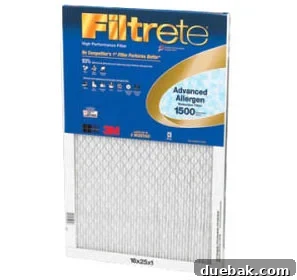
Understanding the types of filters available is also crucial for optimizing your home’s air quality. Air filters are rated by their Minimum Efficiency Reporting Value (MERV), which indicates how effectively they capture airborne particles. A higher MERV rating means better filtration, but it’s important to check your specific HVAC system’s specifications, as some older or less powerful units may struggle with very high MERV filters, potentially restricting airflow and causing strain on the system. For most homes, a MERV rating between 8 and 11 strikes a good balance between effective air purification and system compatibility, adeptly trapping common allergens like pollen, mould spores, dust mites, and pet dander. For those with severe allergies, asthma, or multiple pets, filters with MERV ratings of 12 or 13 might be considered, provided your system can handle the increased resistance. Regularly checking your filter’s condition, especially during peak heating or cooling seasons, can also help you determine if an earlier replacement is necessary, as heavily used systems or homes with pets may require more frequent changes.
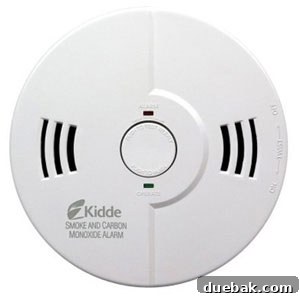
While air purity focuses on what we breathe in, safety demands vigilance against unseen threats. Carbon monoxide (CO), often dubbed the “silent killer,” is an odorless, colorless, and tasteless gas that can be fatal. It’s produced by the incomplete combustion of fuels such as natural gas, propane, oil, wood, and charcoal. Its insidious nature makes carbon monoxide detectors an absolute necessity in every home. Recognizing this critical need, we recently expanded our home safety measures by installing a second combined carbon monoxide detector and fire alarm unit. It’s incredibly convenient that modern devices often integrate both functions, streamlining home safety efforts and providing comprehensive protection against two major household hazards.
Our new detector was strategically placed near our gas fireplace in the den, an area identified as a significant carbon monoxide danger zone. Other common sources of CO in homes include gas stoves, gas ovens, clothes dryers, water heaters, furnaces, wood-burning stoves, and even attached garages where vehicles might be idling. Understanding these potential hazards is the first step in effective prevention. The chilling story of a mother and her son who narrowly escaped a tragic fate after slipping into unconsciousness due to CO poisoning – saved only by the mother’s disoriented but timely awakening and instinctive escape with her child – served as a powerful, sobering reminder of the gas’s deadly potential. This real-life account underscored that peace of mind regarding CO safety is absolutely invaluable.
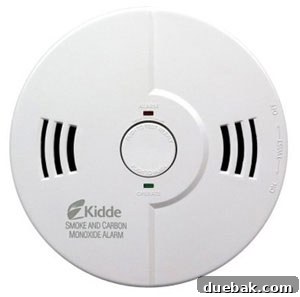
With this new addition, our home now boasts comprehensive CO coverage, with one detector strategically located in the bedroom area and another at the opposite end of the house in the den. This multi-detector approach ensures that any potential CO leak is detected swiftly, providing precious time for evacuation. The general recommendation is to install CO detectors on every level of your home, including the basement, and particularly near sleeping areas. This ensures that you’re alerted even while asleep, which is when CO is most dangerous due to its immediate impact without visible signs. They should also be placed at least 15 feet away from fuel-burning appliances to prevent false alarms.
Beyond placement, it’s important to understand what carbon monoxide poisoning entails. Symptoms can often be mistaken for the flu or common cold, including headaches, dizziness, nausea, shortness of breath, and fatigue. Prolonged exposure, even to low levels, can lead to serious long-term health issues, while high concentrations can cause collapse, unconsciousness, and death in minutes. Therefore, regular testing of your CO detectors (typically with a “test” button) and replacing them according to the manufacturer’s guidelines – usually every 5-7 years for standalone units, or 10 years for some combined smoke/CO alarms – are non-negotiable safety practices. By taking these proactive steps, we not only bolster our home’s safety protocols but also significantly enhance our confidence in the clean and safe air we breathe every day.
Achieving truly optimal indoor air quality is a holistic endeavor that extends beyond plants, diligently changed HVAC filters, and vigilant carbon monoxide detection. There are numerous other practices homeowners can adopt to further enhance their living environment and ensure the air they breathe is consistently clean and healthy. One fundamental aspect is proper ventilation. Regularly opening windows and doors, even for a few minutes each day, can dramatically reduce the buildup of indoor pollutants by allowing fresh outdoor air to circulate. Exhaust fans in bathrooms and kitchens are also vital for removing moisture, steam, and cooking fumes, preventing mould growth and dispersing particulate matter, thereby maintaining clearer air.
Another area to consider is the reduction of Volatile Organic Compounds (VOCs). These harmful chemicals are often found in common household items such as paints, varnishes, adhesives, cleaning products, air fresheners, aerosol sprays, and even some furniture and carpeting. Opting for low-VOC or zero-VOC products when renovating, decorating, or purchasing new items can make a significant difference. Similarly, being mindful of the ingredients in your cleaning supplies and choosing natural, non-toxic alternatives whenever possible contributes immensely to a healthier indoor atmosphere. Consider using baking soda, vinegar, lemon juice, and essential oils for many cleaning tasks instead of harsh chemical agents that release strong fumes.
Managing humidity levels is also key to preventing indoor air quality issues. High humidity can lead to mould and mildew growth, which not only damages your home but also releases spores into the air, triggering allergies, asthma, and other respiratory issues. Using dehumidifiers in damp areas like basements, especially during humid seasons, and ensuring proper ventilation can help keep humidity in check. Conversely, excessively dry air, often prevalent in arid climates or during dry winter months, can irritate respiratory passages, dry out skin, and even damage wooden furniture. In such cases, a humidifier might be beneficial. Maintaining a relative humidity level between 30-50% is generally considered ideal for both comfort and health.
Pet owners also need to consider pet dander, a common allergen consisting of microscopic flecks of skin shed by animals. Regular grooming of pets, frequent vacuuming with a HEPA-filtered vacuum cleaner, and washing pet bedding regularly can help minimize airborne allergens. Lastly, the simple act of regular cleaning, as highlighted by experts, plays a crucial role in maintaining good indoor air quality. For instance, did you know that some sources suggest 4 PM is an optimal time for certain cleaning tasks, taking advantage of natural light or daily routines? Streamlined strategies from publications like Real Simple often offer practical insights into maintaining a pristine home with maximum efficiency, making the task less daunting and more effective.
By integrating these various strategies – from the natural air-purifying power of houseplants and the essential maintenance of HVAC systems to the critical safety net of carbon monoxide detectors and broader home ventilation practices – we create a truly healthy and comfortable living environment. Our journey towards a fresher, cleaner home is an ongoing one, but the rewards are immeasurable: improved health, greater peace of mind, and a sanctuary where you can truly thrive. It’s an investment in your well-being that pays dividends every single day, fostering a space where every breath is a testament to mindful living.
We’re always eager to learn from the experiences of others in our community. What ingenious methods have you discovered to keep your indoor air quality at its peak? Do you employ unique tricks or smart home solutions to remind yourself about those crucial filter changes, or perhaps have innovative approaches to reducing indoor pollutants and maintaining a healthy environment? Share your wisdom, your “clean air dirt,” and join the conversation to help us all breathe a little easier. After all, a collective effort can make our homes healthier, one breath at a time, for a brighter and cleaner future.
Images courtesy of amazon.com