
Have you ever looked at your outdoor space and envisioned a complete transformation, a lush, inviting sanctuary that perfectly complements your home?
We certainly have! And after diligently tackling the garden area to the right of our front porch, our ambitious outdoor project list quickly brought us to the next significant tasks:
- Redesigning and planting the garden bed located to the left of the porch.
- Initiating the naturalization of our sprawling side lot, a formidable valley of moist soil we dream of transforming into a vibrant, low-maintenance forest-like haven.
Before we delve into the details of the refreshed planting bed next to the porch, we must first share a glimpse of the “before” state of our side lot. It’s an honest look at where we started, a scene that, while perhaps not conventionally “gorgeous,” certainly motivated our landscaping efforts:
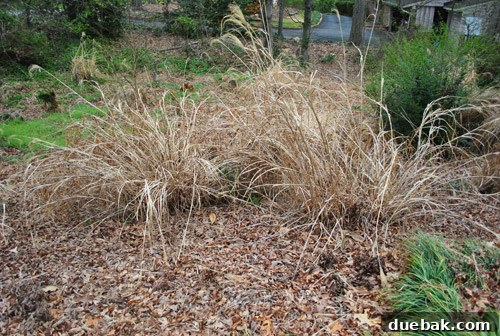
Admittedly, “gorgeous” might be a stretch unless you define it as “a significant reason we hang our heads in slight embarrassment when neighbors stroll by.” The image above showcases dense, old clumps of ornamental grasses. We had been advised to prune these back each March to encourage fresh, vigorous growth for the year. However, as often happens with ambitious DIY projects, early April became our new March. We were a tad behind schedule, but the mission to reclaim our landscape was firmly underway!
Taming the Wild Side Yard: A Journey to Naturalization
Our expansive side lot presented a unique challenge and an exciting opportunity. It’s a naturally moist valley, and for too long, it had been a “wild and crazy” expanse of untamed growth. Our vision for this area was clear: to naturalize it into a charming, woodsy oasis filled with beautiful trees and resilient ground covers. The goal was to create a space that felt enchanting and sweet, far removed from the constant demands of mowing, weeding, or raking. This transformation wasn’t just about aesthetics; it was about creating a sustainable, low-maintenance landscape that harmonized with nature.
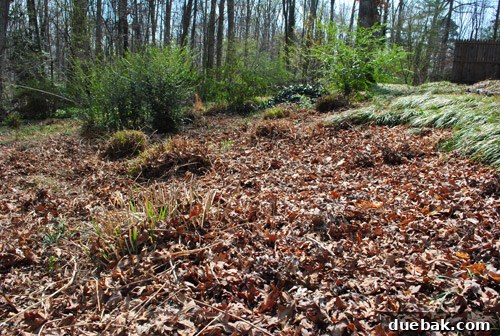
Finally, we rolled up our sleeves and tackled the overgrown grasses. The transformation was immediate and satisfying. What was once a haphazard collection of unruly clumps now boasts a much cleaner, more manageable appearance, ready for the next phase of our naturalization project:
The First Steps Towards a Woodland Retreat: Strategic Tree Planting
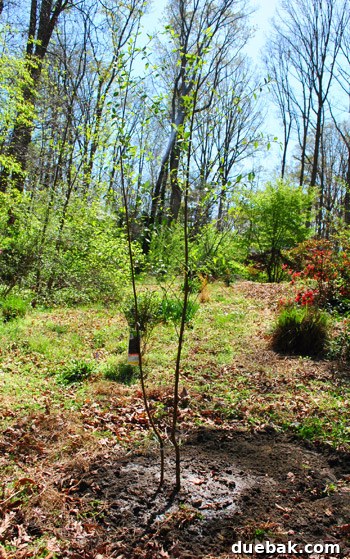
To truly appreciate the scope of this project, let’s take a step back and view our budding “leaf garden” from the street. This broader perspective reveals the cut-back grasses (indicated by blue arrows), which, once they spring up to their full 4-5 feet height, will contribute significantly to that desired woodsy ambiance. But the most crucial initial step in naturalizing this distinctively moist valley was the introduction of new trees. And circled prominently on the left? Our very first addition to this future woodland:
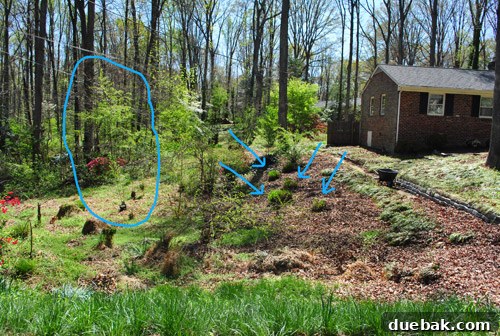
Indeed, the cornerstone of transforming our notoriously unattractive side yard involved planting trees specifically chosen to thrive in its moist conditions. We were incredibly fortunate to consult a certified landscape designer (whose valuable insights we shared in this previous post). They provided a list of suitable species, and among their top recommendations was the resilient River Birch. This tree is an excellent choice for wetland areas, known for its rapid growth, attractive exfoliating bark, and tolerance to a variety of soil conditions, including the consistently damp environment of our side valley. Serendipitously, we found these beautiful trees on sale at Home Depot for just $19 each. Armed with a $5 off coupon—a perk of their free gardening club, which we highly recommend joining for similar random discounts—we secured our first River Birch. This was more than just a purchase; it was a tangible step towards our vision of a naturalized, vibrant landscape.
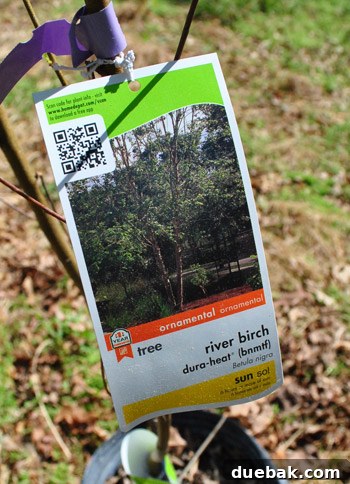
Following the detailed planting instructions provided on the label, we carefully positioned our new River Birch, crossing our fingers that this magnificent specimen would indeed be the herald of a beautiful, wooded future for our side lot. This area, previously a chaotic mix of weeds, fallen leaves, and various other natural odds and ends, has long called for attention. We even once had a memorable encounter with a surprisingly respectably sized snake down here, a testament to the wildness we’re slowly taming. Thankfully, on this particular day, our slithery friend was nowhere in sight, allowing us to focus entirely on nurturing our new tree.
Revitalizing the Front Porch Garden: A Balanced Approach
With the first tree settled in the side lot, our attention shifted back to the front of the house: specifically, the garden bed to the left of the main porch. This area, unfortunately, had also seen better days. Overwhelmed by a thick layer of autumn leaves, sporting several missing shrubs, and stubbornly dominated by patches of ubiquitous liriope, it was definitely not contributing positively to our home’s curb appeal. The goal here was to create a fresh, inviting entryway that offered balance to the newly revamped garden on the right side of the porch.
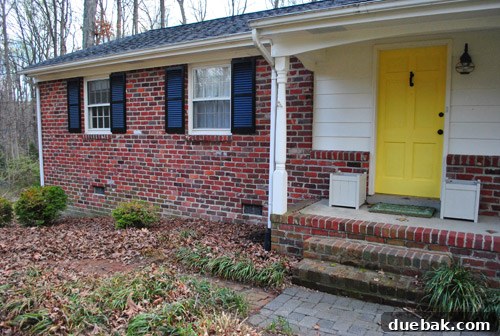
Clearing the Canvas: Preparing the Garden Bed
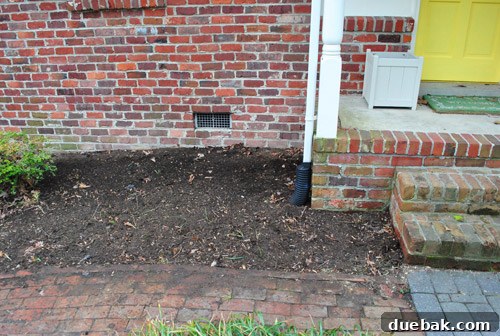
The first order of business was to meticulously rake out all the accumulated leaves. This seemingly simple task uncovered the true state of the bed, revealing the soil beneath and preparing it for new life. A clean slate is essential for any successful planting project, and this step immediately brightened the area:
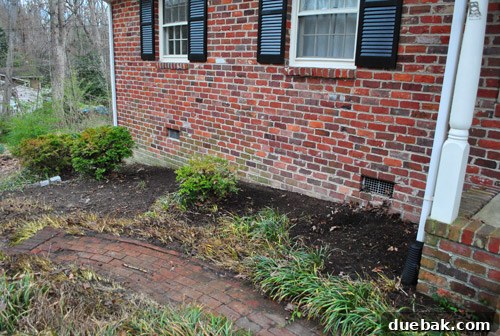
Next, we tackled the tenacious liriope. While some varieties of liriope can be useful as groundcover, in this particular bed, it had become an overwhelming and undesirable presence. Digging it out required considerable effort, but it was a necessary step to make room for our carefully selected new plants and to ensure a clean, cohesive design:
With the bed cleared, we immediately introduced an Otto Luyken Laurel. This evergreen shrub, known for its glossy, dark green foliage and spikes of fragrant white flowers in spring, provides year-round structure and elegance. Its compact growth habit makes it an ideal choice for foundation plantings, offering sophisticated beauty without becoming overgrown.
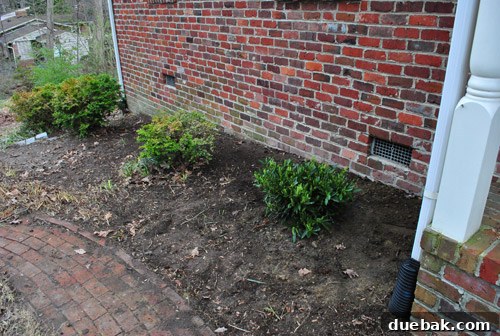
During our consultation, the certified landscape expert also pointed out that a struggling middle bush wasn’t thriving in its current spot. Rather than discarding it, we opted for a more sustainable approach: carefully digging it up and transplanting it to the more “wild” section of our side yard that we’re actively naturalizing. This relocation not only gave the bush a second chance in a less prominent, more forgiving environment but also freed up valuable space in the front bed for our new design. As you can imagine, all this digging and moving can be quite exhausting, as evidenced by John’s rather tired but triumphant expression:

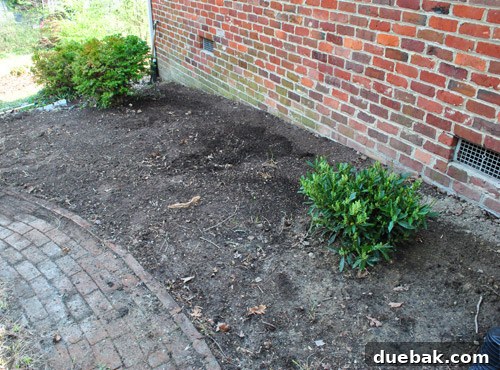
With the old bush relocated and the bed thoroughly prepped, we were left with a beautifully bare, ready-to-design space. This was the perfect canvas to bring our new landscaping vision to life, ensuring every plant had the ideal conditions to flourish.
Strategic Plant Selection for Lasting Beauty and Balance
Viewing the prepared bed from the other side highlights its substantial size compared to the bed on the right side of the porch. This section stretches approximately 20 feet in length and boasts a varied depth, ranging from 7 to 11 feet. This generous space allowed for a more expansive and thoughtful planting scheme. For design continuity and balance, we selected plants that mirrored those used on the right side of the porch, specifically choosing varieties known to thrive in partial shade, as both sides of the house receive similar light exposure.
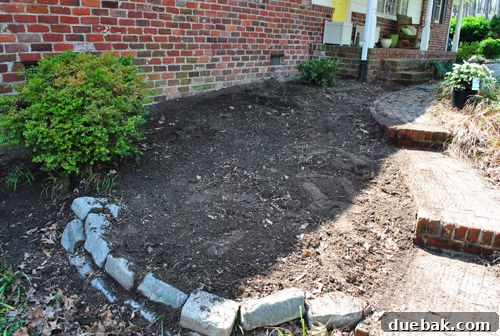
Our plant palette for this significant bed included two key selections:
- Garden Variegated Dead Nettle (Lamium maculatum ‘Variegatum’): We incorporated these charming purple-flowering plants, specifically the mounding variety, to echo the design on the other side of the garden. Unlike spreading types, these only grow to about 6-8 inches wide and tall, ensuring they won’t overwhelm our carefully crafted bed. They offer beautiful foliage and delicate blooms that will add continuous interest.
- Dwarf Pieris Japonica Variegated (Pieris japonica ‘Variegata’): We added three more of these reliable shrubs. Known for their elegant variegated foliage and clusters of delicate white flowers in early spring, they grow compactly to about 2 feet tall and 2 feet wide. These are fantastic performers in part shade, and we’ve had excellent success with them in previous homes, confirming their hardiness and visual appeal.
A common principle in landscape design is to plant in odd numbers. This creates a more natural, aesthetically pleasing arrangement and gives individual plants greater visual impact within a cluster. Following this expert advice, we selected three of each chosen variety, allowing them to form cohesive groupings within the larger bed.
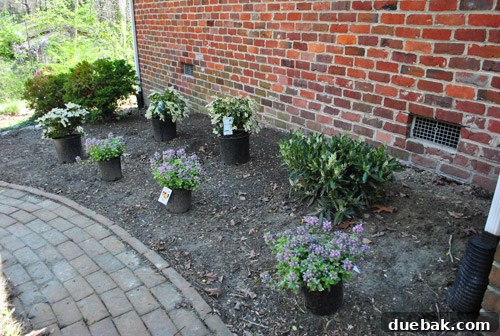
By opting for three of each plant type, we’re not only adhering to the aesthetic principle of odd numbers but also ensuring that each species has a strong, unified presence. This strategy helps to create visual flow and prevents the garden from looking sparse or disjointed. With our chosen plants carefully laid out, spaced according to their mature size, and aligned with the directions on their respective tags, it was time for the satisfying work of digging and planting.
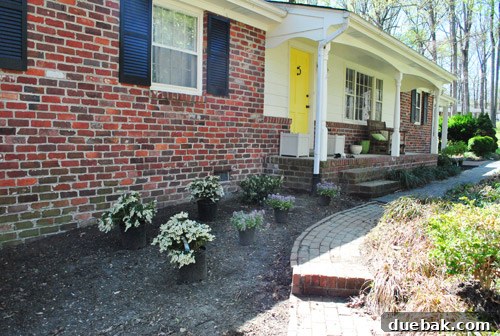
The planting process itself was meticulous. For each plant, we diligently followed the recommendations provided on its nursery tag, paying close attention to the suggested hole size and any specific soil amendments or nutrients required. This attention to detail at the planting stage is crucial for establishing healthy roots and ensuring the long-term vitality of the plants. It’s an investment in their future growth and overall success in the garden.
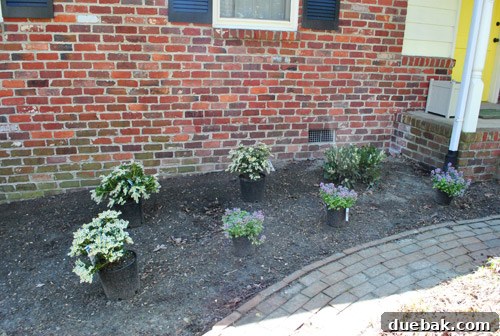
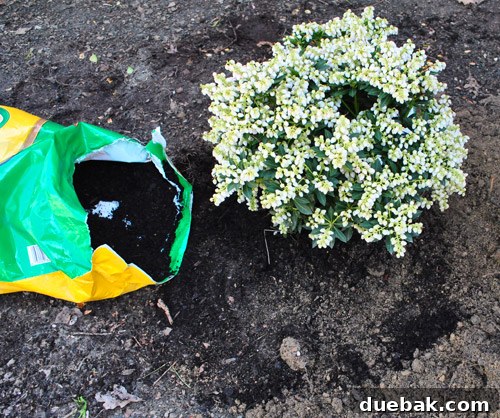
Ensuring proper planting techniques, including the correct depth and width of the hole and the integration of appropriate soil conditioners, makes a significant difference in how well plants establish and flourish. We took the time to do this right for every single plant, understanding that a strong start is key to a thriving garden.
The Transformation Unfolds: Witnessing Progress
A few hours of dedicated planting later, the garden bed began to take on a completely new appearance. The once bare and neglected space was now alive with carefully positioned shrubs and groundcover, hinting at the beautiful display to come. The effort was visibly paying off, and the immediate change was incredibly gratifying.
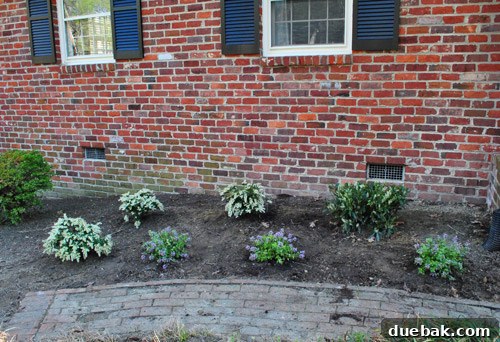
While these photos, taken from ground level, don’t fully convey the generous spacing we’ve allowed, it’s important to note that each plant is situated 3-4 feet from the house and from its neighbors. This strategic spacing is critical. It provides ample room for each plant to reach its mature size without becoming overcrowded, ensuring that our little garden bed will evolve into a lush, full display rather than a cramped, chaotic mess in just a few years. Proper spacing is a fundamental aspect of sustainable landscape design, promoting better air circulation, reducing disease risk, and allowing each plant to showcase its natural form.
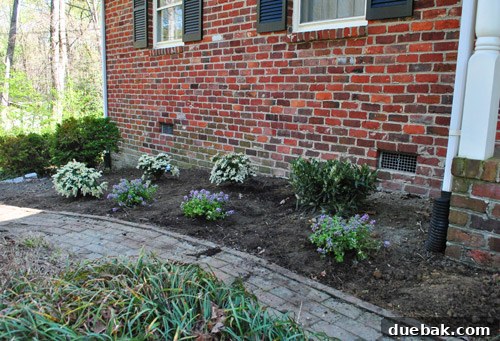
It might seem like a simple arrangement now, but we are absolutely enamored with these shrubs. This isn’t an overstatement; as we’ve mentioned previously, we’ve truly learned the valuable lesson of investing in plants we genuinely love and placing them thoughtfully. Moving beyond cheap, temporary placeholders allows us to cultivate a landscape where every plant can thrive for years to come, contributing to a cohesive and enduring aesthetic. This approach ensures not only beauty but also long-term satisfaction and a reduction in future replanting efforts.
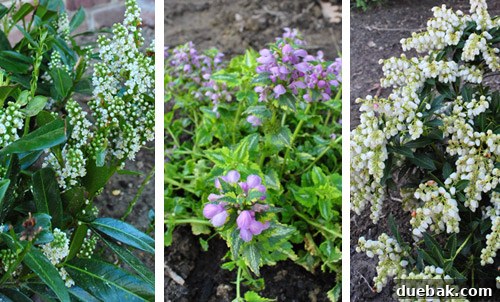
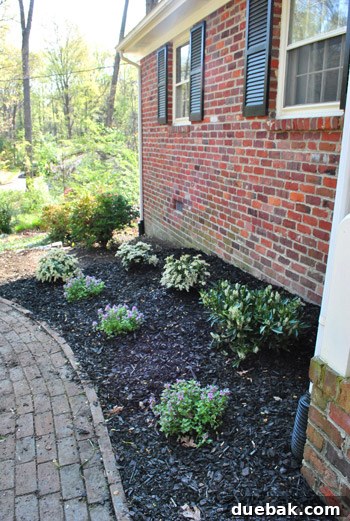
In the image above, moving from left to right, you can clearly see the distinct forms of our chosen plants: the elegant Otto Luyken Laurel, the charming Garden Variegated Dead Nettle with its intricate foliage, and the distinctive Dwarf Pieris Japonica Variegated. A key reason for our affection for this selection is their collective promise of seasonal interest; all three will burst into tiny, delightful blooms in the spring, with the Dead Nettle continuing its cheerful flowering well into the summer months. This ensures a prolonged period of visual appeal for our front garden. Of course, this larger bed extends beyond this immediate area, meaning there’s still more to tackle! But for now, our arms are grateful for a well-deserved break. To complete this phase, we generously applied mulch, a crucial step that helps retain soil moisture, suppress weed growth, and give the bed a polished, finished look. The mulch currently stops at a certain point, revealing areas still awaiting plants, but rest assured, we’ll get there!
From Vision to Reality: A Side-by-Side Comparison
To truly appreciate the transformation, let’s take a moment to look back. Here’s a stark reminder of what this area looked like before we dedicated approximately six hours to intensive raking, clearing, thoughtful planning, meticulous digging, and finally, mulching:
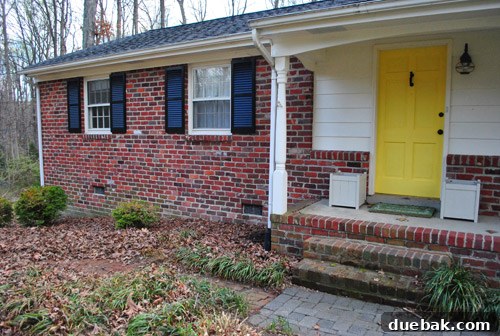
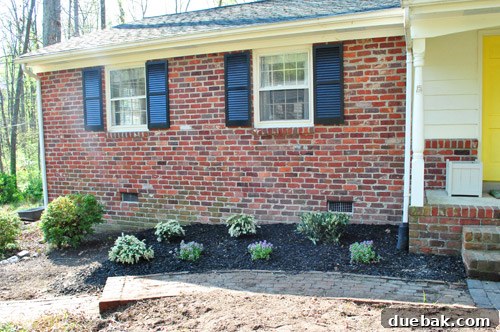
And now, behold the same area, mostly completed! The change is remarkable, showcasing the power of a clear vision and diligent effort. We still have a smaller zone on the far left to polish off, but that will come once our arms have recovered and we’ve pinpointed the perfect plants to finish the job. This staged approach allows us to celebrate progress while keeping our long-term goals in sight.
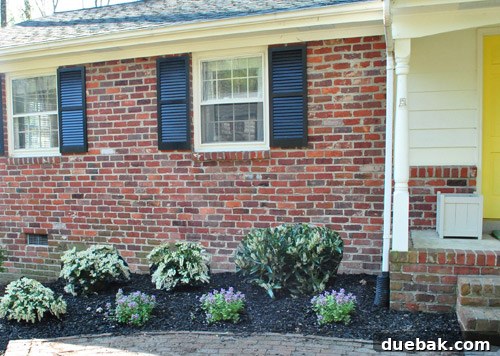
And just for a bit of fun and to truly visualize the future, here’s a peek at what this area *should* look like once all the plants have reached their full, mature size, thanks to a touch of Photoshop magic. This rendering helps confirm that our plant selections and spacing will create a beautifully full yet balanced landscape, enhancing our home without overwhelming it.
Beyond the Beds: Our Ongoing Landscape Journey
We are absolutely thrilled with how clean and tidy the newly planted beds look, and we’re particularly pleased that our choices will not dwarf our one-story house. This was a crucial design consideration; larger bushes and trees, while beautiful in their own right, can sometimes make a ranch-style home appear squatter by growing too close to windows, crowding the facade, and visually cutting the house in half. Our careful selection of dwarf and mounding varieties ensures that our home’s architectural lines remain prominent, enhancing its curb appeal rather than diminishing it.
Having checked off these significant items from our extensive outdoor to-do list (which you can review here), we feel a huge sense of accomplishment. However, this journey is far from over! We still have a multitude of outdoor endeavors ahead before we can declare our house possesses true curb appeal without an ironic eye-roll. At this very moment, we’re actually embarking on several other projects near the path and mailbox, and around various sections of the yard. These initial stages often make things look a little worse before they get better, which is why a wide-angle shot from the curb wouldn’t do justice to our progress just yet. So, stay tuned for all the exciting details and revelations in an upcoming “Petersiks Vs. Wild” post!
In the meantime, we’d love to hear from you! What exciting projects are you currently planting in your own garden? Do you, like us, feel like you have a million outdoor projects in progress, with very few reaching a state of “completion” just yet? Sometimes, the sheer volume of tasks can feel a bit scattered, but it truly helps to remember that each small step, each planted shrub, and each cleared bed is inching us closer to something that will ultimately make a monumental difference in our home’s curb appeal. We know we still have a few other zones to meticulously attend to before everything seamlessly comes together, but the vision is clear, and the progress is undeniable.
Psst – On a completely different note, our household has officially become obsessed with The Hunger Games! You can read more about our latest pop culture dive over on Young House Life.