
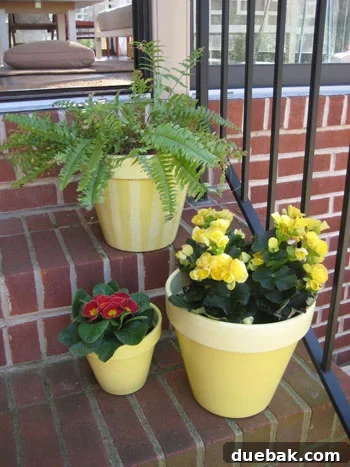
Welcome back to another exciting installment of our DIY series, where we transform everyday items into personalized treasures! Today, we’re diving into the wonderfully rewarding world of reinventing thrift store finds, specifically focusing on how to give humble terra cotta pots a stunning, long-lasting makeover. If you’ve ever admired beautifully painted pots but thought it was too complex or expensive, prepare to be amazed. This comprehensive guide will walk you through every detail of painting terra cotta pots, ensuring your creations are not only gorgeous but also durable enough to withstand the elements.
Terra cotta pots, with their rustic charm, are a staple in any gardener’s collection. However, their natural porousness can pose a challenge when it comes to painting them. Moisture absorption can lead to unsightly bubbling, peeling, and fading over time. But fear not, clever DIYers! With the right preparation and materials, you can transform these affordable vessels into vibrant focal points for your garden, patio, or indoor plant collection. Whether you’re aiming for a sleek modern look, a playful striped design, or a classic painted finish, this tutorial provides all the step-by-step insights you need. Let’s unlock the creative potential of your terra cotta pots and bring a splash of personalized color to your green spaces!
Essential Supplies for Your Terra Cotta Pot Makeover
Embarking on any DIY project starts with gathering the right tools and materials. For this terra cotta pot painting adventure, we’ve carefully selected items that are both effective and budget-friendly. Each component plays a crucial role in ensuring a beautiful and durable finish.
- Terra Cotta Pots: These are the stars of our show! You can find an affordable assortment at local thrift stores like Goodwill and Salvation Army, as well as garden centers or even dollar stores. Look for pots in good condition, free from major cracks or chips. Different sizes and shapes offer diverse design opportunities. Don’t worry about their current appearance; we’re about to transform them!
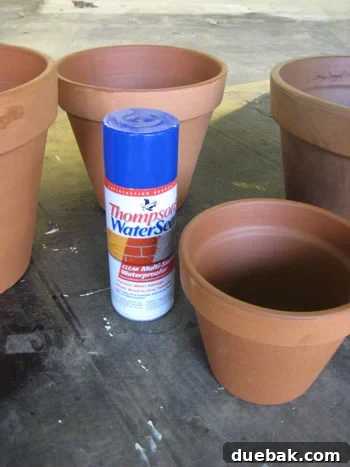
- Thompson’s Water Seal (or similar terra cotta sealer): This is arguably the most critical component. Priced affordably (around $4 from major hardware stores like Lowe’s), this product is specifically formulated to seal porous terra cotta. It prevents moisture from seeping through the pot walls, which is the primary cause of paint bubbling and peeling. A good seal ensures your paint adheres properly and lasts for years. Look for a clear, penetrating sealer designed for masonry or terra cotta.
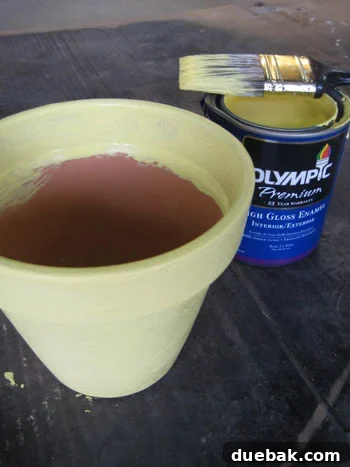
- Exterior Latex Paint: Choose a high-quality exterior latex paint for its durability and weather resistance. We achieved fantastic results with Olympic Exterior in High Gloss, but many brands offer excellent options in various finishes (matte, satin, semi-gloss). Exterior paint is crucial because it’s designed to withstand sunlight, rain, and temperature fluctuations, protecting your beautiful artwork outdoors. Consider using an all-in-one paint and primer for added convenience, especially if you’re painting a dark pot a much lighter color.
- Paint Brushes: A good quality paintbrush (or a set of brushes) is essential for smooth, even application. Choose brushes appropriate for the size of your pots and the details you plan to add. A 1-2 inch flat brush is versatile for most pots, and smaller detail brushes can be useful for intricate designs.
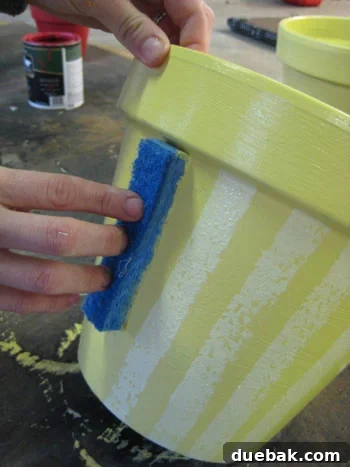
- Sponge (Optional, for patterns): If you’re feeling artistic and want to add unique patterns like stripes or textures, a simple kitchen sponge can be your best friend. Cutting it into desired shapes (like fourths for strips, as we did) allows for stamping precise designs. This is a fantastic way to add personality without complex freehand painting.
- Drop Cloth or Newspaper: Protect your work surface from paint spills and drips. A large plastic sheet or old newspapers will do the trick.
- Gloves: Protect your hands from paint and sealer, especially during spraying applications.
- Cleaning Supplies: A brush or cloth and some mild soap for cleaning your pots beforehand.
- Plants (Definitely NOT Optional, ha!): What’s a beautiful pot without a lovely plant? Once your masterpieces are dry and sealed, it’s time to fill them with your favorite foliage or flowers to complete the look.
Step-By-Step Guide: Transforming Your Terra Cotta Pots
Now that you have all your supplies, let’s get into the heart of the project: the step-by-step transformation. Follow these instructions carefully to ensure a stunning and long-lasting finish for your painted terra cotta pots.
Step 1: Preparing Your Pots and Sealing the Interior
Before any paint touches your pots, proper preparation is key. Begin by thoroughly cleaning your terra cotta pots. Use a stiff brush or a damp cloth to remove any dirt, dust, or residue, especially if you’re using thrifted pots. For pots that have housed plants before, you might need to scrub away mineral deposits or old soil. Rinse them thoroughly and allow them to dry completely, ideally in the sun for several hours or even a full day, to ensure all moisture has evaporated. Painting a damp pot will compromise the finish.
Once clean and dry, it’s time for the crucial sealing step. Take your water seal product and apply it generously to the entire interior of the pot—the sides and the base. This step is paramount: it locks in moisture, preventing it from seeping through the porous terra cotta walls and causing your exterior paint to bubble, peel, or crack over time. Apply a few thin, even coats, allowing each coat to dry to the touch before applying the next. The pots will likely absorb the sealer and not appear darker or shinier once dry, but rest assured, they are being effectively sealed. This internal barrier is what protects your paint job from the inside out and helps the soil retain moisture for your plants.
Step 2: Applying the Base Coat of Exterior Latex Paint
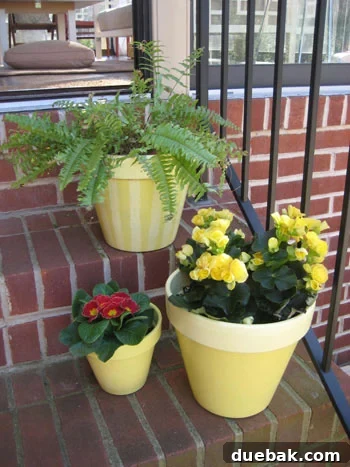
With the interior sealed and dry, you’re ready to bring color to your pots! Using a clean paintbrush, apply a coat or two of your chosen exterior latex paint to the outside of the pot. Ensure your brush strokes are even for a smooth finish. We experimented with different color combinations: some of our pots received a cheerful pale yellow (like Valspar’s ‘Like Butter’), while others featured a darker, contrasting tone applied just below the lip (Valspar’s ‘Amber Pearl’).
When painting, aim for thin, even coats rather than one thick layer, as this prevents drips and ensures better adhesion. Allow ample drying time between coats, typically 1-2 hours, or according to the paint manufacturer’s instructions. While some colors might achieve full coverage in one coat, especially with good quality exterior paint, a second coat often provides a richer color and more durable finish. If you’re creating a clean line for a two-tone design, consider using painter’s tape to achieve sharp edges before applying the second color. Our pots only needed one coat for a beautiful, opaque finish, making this a quick and satisfying 15-minute job per pot!
Step 3: Adding Creative Patterns and Details
This is where your pots truly come to life and reflect your personal style! To add a fun and simple striped pattern, we cut an ordinary kitchen sponge into four equal strips. This created a perfect tool for stamping our yellow-on-yellow design, adding a subtle yet sophisticated texture. To apply the paint to the sponge, simply use a paintbrush to gently dab a thin, even layer of paint onto the sponge strip, then press it firmly onto the pot. Practice on a piece of scrap cardboard first to get a feel for the pressure and paint load.
But don’t limit yourself to stripes! The possibilities for patterns are endless. Consider using masking tape to create geometric designs, chevron patterns, or bold color blocks. Freehand designs, polka dots, or stenciled motifs can also add fantastic personality. You can even try a distressed look by lightly sanding areas once the paint is dry, or use a dry-brush technique for a rustic texture. Allow any added decorative paint to dry completely before moving to the final sealing stage.
Step 4: The Final Seal for Lasting Protection
Once all your paint layers, including any decorative patterns, have thoroughly dried (this might take several hours or even overnight depending on humidity and paint type), it’s time for the final and arguably most important sealing step. Apply another coat or two of your water seal, this time to both the inside and the outside of the pot. This exterior seal will further protect your paint job from the elements – rain, sun, and everyday wear and tear – ensuring its longevity and vibrancy.
The interior re-seal reinforces the initial barrier, providing even greater protection against moisture wicking. Apply in thin, even coats, allowing each to dry completely before the next. This final sealing step is what transforms your painted pot from a temporary art piece into a durable garden accessory ready for action. Once the final coat of sealer has dried completely according to product instructions (often 24-48 hours for full cure), your pots are ready for soil and plants. You’ll be left with beautiful, resilient pots that will hold their charm for seasons to come.
Displaying Your Masterpieces & Project Costs
And there they are, in all their glorious, colorful splendor! The hardest part of our entire photoshoot for the magazine column was actually finding flowering plants a few months ago. Since magazine features are shot so far in advance, anything seasonal can be a real challenge to dig up. However, with a little persistence, we managed to hunt down some festive foliage to beautifully complete the look of our freshly painted pots. You’ll find it much easier now that flowering spring and summer plants are in season!
One of the most appealing aspects of this project is its incredible affordability. The total cost for this entire terra cotta pot makeover, including the thrifted $2 pots, the high-gloss exterior latex paint, and the essential sealer, came in at a mere $35. This makes it an exceptionally budget-friendly way to add significant style and personality to your home and garden decor without breaking the bank. Imagine the impact of several vibrant pots for such a small investment!
Tips, Tricks & Creative Variations
Maintenance & Care
- Cleaning: To keep your painted pots looking fresh, gently wipe them down with a damp cloth as needed. Avoid abrasive cleaners or harsh scrubbing that could damage the paint or sealer.
- Winter Storage: If you live in a region with freezing temperatures, consider bringing your painted terra cotta pots indoors during winter. While exterior paint and sealer provide protection, extreme freeze-thaw cycles can still cause damage over many years.
Creative Ideas & Customization
- Stenciling: For intricate designs or text, stencils offer a neat and professional finish. Secure the stencil with low-tack painter’s tape and dab paint on with a sponge or stencil brush.
- Geometric Patterns: Use painter’s tape to create crisp lines for stripes, chevrons, or color-blocked designs. Remove the tape while the paint is still slightly wet for the cleanest edges.
- Textured Finishes: Experiment with textured spray paints, chalk paint for a matte look, or even mixing sand into your paint for a gritty finish.
- Multi-Color Designs: Don’t be afraid to use multiple colors! Layering colors can create depth and visual interest. Just ensure each layer is dry before adding the next.
- Drainage Holes: If your pots lack drainage holes, you can carefully drill one using a masonry bit. Ensure you wear appropriate safety gear and work slowly to avoid cracking the pot.
- Gifting: A beautifully painted terra cotta pot, perhaps filled with a small succulent or herb, makes a thoughtful and personalized gift for friends, family, or teachers.
Ready to Transform Your Outdoor Space?
If you have an hour or two this weekend, you can absolutely tackle this entire project with ease. Now that vibrant flowering spring foliage and hardy summer plants are in season, it should be a cinch to find the perfect companions to perk up your front porch, back patio, or even an indoor sunroom. This simple yet effective DIY project allows you to personalize your outdoor (or indoor) decor, express your creativity, and give new life to inexpensive items. What colors will you choose for your revitalized pots? Will you go for bold and bright, or subtle and sophisticated?
We encourage you to experiment, have fun, and enjoy the process of transforming your plain terra cotta pots into stunning decorative pieces. Share your creations with us – we’d love to see what you come up with! For more inspiring projects and helpful tutorials, be sure to check out our extensive How-To page, where you’ll find everything from detailed concrete floor-staining instructions to expert fireplace painting advice. Happy crafting!