

Transforming Our Basement: From Damp Space to Dream Storage Hub
Every successful home transformation begins with a solid foundation. For our basement, this meant tackling the crucial challenge of moisture control head-on. We meticulously applied Drylok to every surface, a comprehensive waterproofing treatment that has since proven its exceptional efficacy. Even through days of relentless, monsoon-like rain, our newly sealed basement remains impeccably dry, completely devoid of any lingering moisture. With the structural integrity and dryness secured, we moved on to enhancing the aesthetics, painting the concrete floor a rich, inviting chocolate color. This simple yet impactful change immediately added warmth and character, laying the groundwork for a truly functional and appealing lower level.

Strategic Planning: The Key to Basement Organization
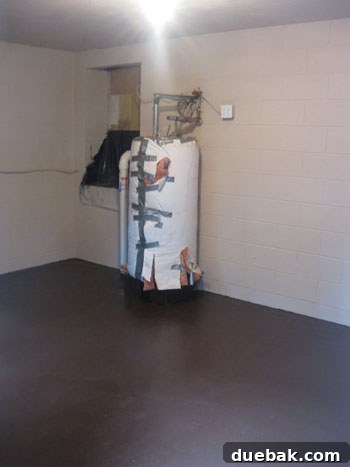
With the waterproofing complete and the floor beautifully painted, our focus shifted to the truly exciting part of any home renovation: strategic floor planning and selecting the perfect storage solutions. This phase is where a neglected basement truly begins its transformation into a dynamic, organized space. While our immediate excitement revolved around furniture, we also made a note of several smaller, yet essential, logistical projects still on our to-do list. These included cleaning up the hatch door leading to the crawl space, neatly rewrapping the water heater, constructing a tasteful divider to obscure the water heater from direct view, and acquiring a reliable dehumidifier to maintain ideal humidity levels year-round. These finishing touches, though seemingly minor, contribute significantly to both the functionality and aesthetic coherence of the overall basement design.
The Power of Simplicity: Mastering Space with Graph Paper
To navigate the complexities of basement floor planning, we embraced an incredibly effective, yet decidedly low-tech, method: graph paper. This “matherrific” approach proved to be an invaluable tool, allowing us to create a precise, to-scale drawing of our entire basement. This visual aid was instrumental in helping us pinpoint exactly what we needed in terms of storage and layout, and, crucially, in swiftly eliminating options that simply wouldn’t fit or serve our purpose effectively. The clarity and tactile nature of working with paper models often surpass the initial allure of complex digital design tools, fostering a more intuitive understanding of the space.
For those interested in seeing this method in action, John provided an excellent demonstration in our video, showcasing the step-by-step process of using graph paper for optimal space planning. It’s a fantastic resource for anyone embarking on a similar home organization or renovation project, proving that smart design doesn’t always require expensive software.
Our Detailed Approach to Basement Layout Design
Understanding that not everyone has the opportunity to watch a video, we carefully documented our entire floor planning and storage evaluation process with a series of photographs and detailed explanations. Our journey began with the fundamental step of accurate measurement. Armed with a tape measure, we meticulously recorded every dimension of the basement, paying particular attention to fixed obstacles like the water heater (noting its exact distance from the walls) and the precise placement of windows. This initial data collection is paramount; precision here prevents costly errors and ensures that all subsequent planning is based on real-world constraints.
Next, we translated these measurements onto graph paper, establishing a simple yet highly effective scale: one square on the paper represented six inches of actual basement space. This allowed us to quickly sketch a perfectly scaled replica of our basement’s footprint. The resulting drawing provided an immediate, tangible overview of the area, making abstract dimensions concrete and manageable.
The fun truly began when we started evaluating storage solutions. After researching various IKEA storage systems online and noting their precise dimensions, we used the same scale (one square equaling six inches) to draw and cut out small paper rectangles and squares representing each piece of furniture. These “confetti-esque” shapes became our flexible tools for experimentation, allowing us to physically move and arrange different furniture configurations within our scaled basement plan. This hands-on method brought a dynamic and interactive element to the planning process.

To further aid our decision-making, we labeled each paper cutout with its quirky Swedish name for easy identification, and crucially, its price. This dual labeling system allowed us to not only compare the physical footprint of each piece but also to evaluate its cost-effectiveness, ensuring we got the most “bang for our buck.” It was truly remarkable how quickly a seemingly overwhelming array of storage options became manageable and clear once we could visually compare their sizes, prices, and experiment with their placement in our scaled model. This systematic approach eliminated guesswork and facilitated truly informed choices.
Prioritizing Function: The “Split-Em-Up” Method
To refine our selection even further, we first compiled a comprehensive list of all the items we intended to store in the basement. This ranged from seasonal decorations and bicycles to sporting equipment, extra cords, wires, hoses, and treasured old yearbooks. With this inventory guiding us, we ruthlessly sorted our potential storage solutions, ensuring each piece genuinely served a purpose and contributed to efficient organization. Our “split-em-up” method was simple yet highly effective: on the left side, we placed all the storage pieces we believed offered the most exceptional functionality and best addressed our primary storage needs. On the right, we arranged items that, while not necessarily detrimental, might not be as fabulously efficient or cost-effective for our specific requirements. This clear categorization brought immense clarity to our final decisions.
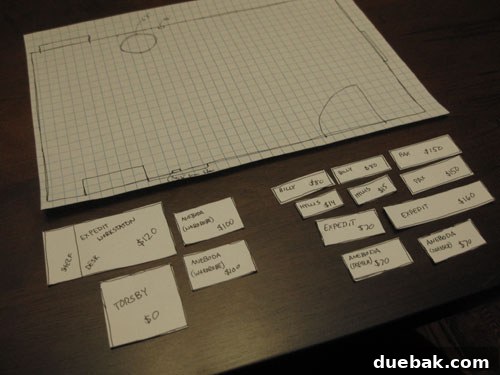
This rigorous evaluation phase led to some highly practical conclusions. For instance, we quickly discovered that the Aneboda wardrobe, a more budget-friendly option, provided the same amount of valuable concealed storage as the comparable Pax wardrobe. This insight was critical: we could acquire two Aneboda wardrobes for a significant $100 less than purchasing two Pax wardrobes. The decision was clear and impactful: Aneboda was in, Pax was out. This highlights how meticulous planning can lead to substantial savings without compromising on essential functionality.
Another strategic triumph was the Expedit Workstation, a piece that promised to deliver exceptional value. For just $120, it offered both a practical desk surface and an eight-slotted shelf. This versatile unit could be easily accessorized with baskets and bins, creating a highly organized system for smaller objects across its numerous compartments. It presented a far greater advantage for our space than the larger, standalone Expedit shelf without the desk. Not only was the desk-less shelf more expensive at $160, but it also lacked the invaluable surface area that the Workstation provided for tasks like sorting through boxes or engaging in small projects. The multi-functionality and superior value of the Workstation made it an undeniable asset.
Conversely, our scaled drawings quickly exposed the limitations of Billy bookcases for our specific deep storage needs. Seeing them laid out to scale, we immediately grasped their relatively shallow depth. This crucial visual insight led us to realize that such shallow shelves would drastically limit the volume of items we could store efficiently. Consequently, Billy bookcases were swiftly ruled out, preventing a purchase that would have proven inefficient for our basement’s primary purpose of comprehensive storage.
The Optimal Layout: Our Winning Basement Floor Plan
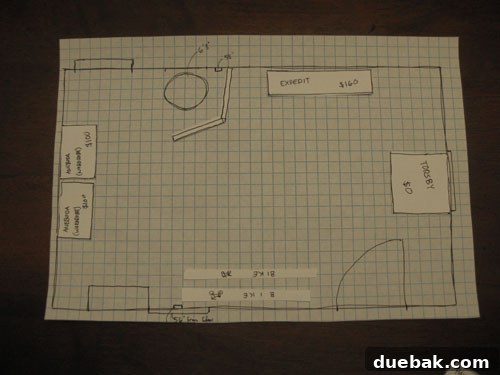
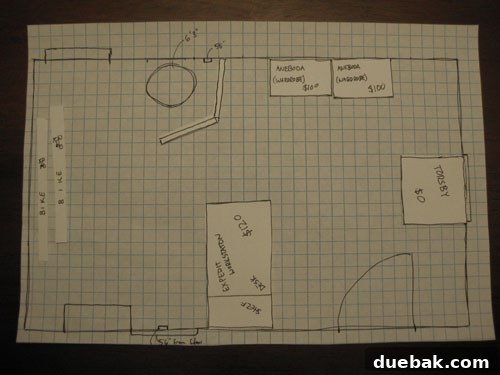
Ultimately, the entire process of drawing out each furniture option, meticulously comparing prices, footprints, and shapes, transformed our initial brainstorming from a jumbled array of ideas into a cohesive and highly confident plan. This systematic approach replaced uncertainty with clarity and conviction. With our top contenders identified, we then enthusiastically moved our paper cutouts around on the scaled floor plan, experimenting with various arrangements until we discovered the optimal configuration that felt instinctively right for the space. This iterative design process culminated in our winning floor plan, a layout that perfectly balances our functional requirements with aesthetic appeal.
We are absolutely delighted with this final layout. It brilliantly combines ample surfaces for temporary placement of items, perfect for when we’re sifting through boxes, with a generous mix of open and cleverly concealed storage options. This dual approach allows us to maximize our storage capacity without blowing our budget, largely due to the strategic reuse of our versatile Torsby table. This means we only need to purchase three major pieces from IKEA to bring our vision to life, making it an incredibly cost-effective solution for comprehensive basement organization.
Furthermore, we particularly appreciate the added dimension and subtle visual separation created by the peninsula design of the Expedit Workstation. This thoughtful placement not only delineates a dedicated working area but also ensures a comfortable 30-inch wide passageway between the workstation and the custom divider we plan to build to elegantly conceal the water heater. This careful consideration of traffic flow and visual boundaries significantly contributes to the overall sense of spaciousness, organization, and polish within the basement.
Learning from the Alternatives: Insights from Rejected Floor Plans
It’s crucial to understand that our winning floor plan wasn’t our first attempt. Like any robust design process, it involved exploring several alternative layouts, many of which were ultimately deemed less functional or more expensive. This iterative cycle of design, evaluation, and refinement is an indispensable part of achieving an optimal solution, providing valuable insights with each iteration.
The Basic and Costly Layout
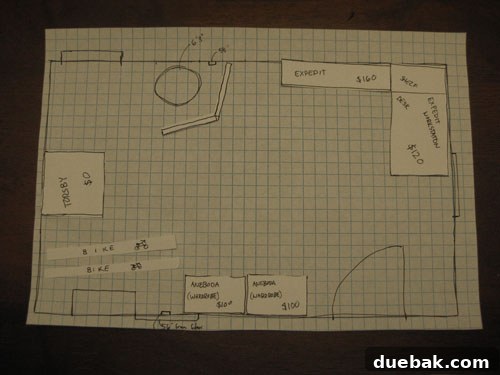
One early contender, for example, conspicuously lacked the invaluable added desk space provided by the Expedit Workstation, yet, quite paradoxically, would have incurred higher costs in the long run. Aesthetically, this particular plan felt remarkably basic and somewhat uninspired, reminiscent of furniture simply pushed against walls without a clear design intention. It served as a powerful reminder that merely spending more money does not automatically guarantee a more complete or visually appealing end result. Thoughtful, strategic design, rather than just expenditure, is the true creator of value and efficiency.
Compromising a Creative Vision
Another plan we experimented with also proved to be substantially more expensive. More importantly, this specific configuration forced us to place our bicycles against a wall that we had earmarked for a unique artistic installation. We envisioned creating a distinct focal point on that left wall, one that would immediately capture attention upon entry into the basement. Had we proceeded with this alternative layout, positioning larger wardrobes there, we would have irrevocably sacrificed the opportunity to implement this crucial design element. This reinforced the importance of balancing immediate functional needs with longer-term aesthetic and creative aspirations during the planning phase.

The Inefficient and Overpriced Option
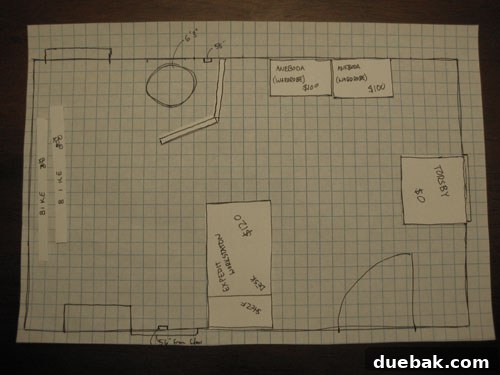
We also explored an arrangement that, once again, would have resulted in significantly higher costs than our eventual winning floor plan. Moreover, in this particular configuration, we found ourselves consistently preferring the bikes to be situated on the opposite wall. These seemingly minor shifts in furniture placement can have a surprisingly large impact on both the overall budget and the practical usability of the space, underscoring the necessity of visualizing and rigorously testing multiple scenarios before making a final commitment.
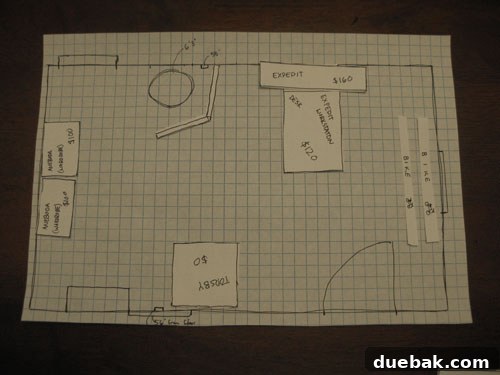
The Crowded and Exorbitant Solution
Finally, we experimented with a floor plan that, despite offering a different arrangement, created a distinct feeling of being overcrowded. The placement of the bikes, in particular, felt awkwardly squeezed between other elements, significantly compromising the overall flow and sense of spaciousness within the room. Compounding its drawbacks, this specific solution was, by a considerable margin, the most expensive of all the options we considered. It served as a powerful reminder that an optimal layout is not merely about fitting everything into a space, but rather about crafting a harmonious, highly functional, and budget-conscious environment that truly enhances daily living.
The Unquantifiable Value of Thoughtful Planning
And so, that is how we dedicated approximately 30 focused minutes to thoughtfully arranging and rearranging small paper squares on our graph paper. This seemingly simple exercise was, in reality, a highly effective and strategic investment of time, yielding disproportionately large returns in clarity and confidence.
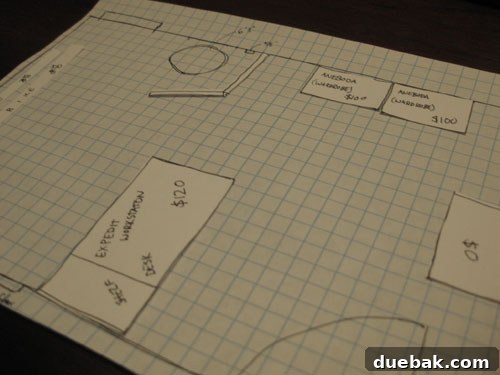
This concentrated effort allowed us to precisely identify the most suitable combination of storage pieces for our comprehensive basement makeover. The profound sense of clarity and unwavering confidence we gained from this graph paper experiment are truly invaluable. To spare you from excessive scrolling, here once again is our meticulously crafted and ultimately triumphant winning floor plan, a testament to the power of deliberate design:
Our Budget-Conscious Shopping List for an Organized Basement
With our optimal floor plan now firmly solidified, our shopping list has become remarkably straightforward and, crucially, incredibly budget-conscious. This newfound efficiency is a direct consequence of our thorough and systematic planning process, enabling us to make targeted purchases and deftly avoid any unnecessary expenses. Our strategic acquisitions include:
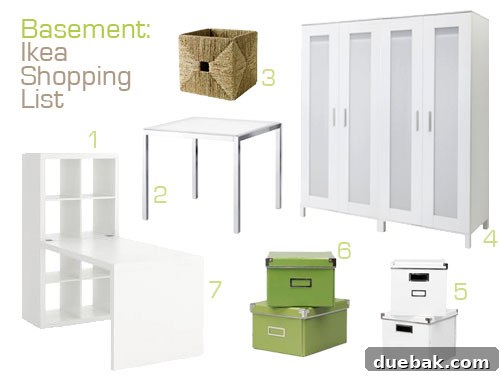
- Expedit shelf (an integral and versatile component included within the Expedit Workstation package) – $120
- Torsby table (a fantastic and stylish piece we were fortunate enough to already own, making it a free yet impactful addition to our new layout!)
- One or two high-quality woven baskets (perfect for introducing texture, warmth, and additional concealed organization) – $17 each
- Two Aneboda wardrobes (offering excellent concealed storage capacity at an incredibly competitive price point, a true budget win) – $100 a pop
- A selection of sleek white storage boxes (ideal for maintaining a clean, cohesive aesthetic and providing discreet storage) – $12 for two
- A few vibrant green storage boxes (chosen to introduce a playful pop of color and visual interest, preventing the space from feeling monotonous) – $12 for two
- Expedit desk (also included as part of the multi-functional Expedit Workstation, ensuring maximum utility and value) – accounted for above
An Unbeatable Transformation on a Modest Budget
The grand total for these essential pieces, meticulously selected for their function and value, comes in at an incredibly modest figure: approximately $361. This cost is truly remarkable, especially when one considers the profound transformation of a substantial 19′ x 13′ room. This space, which was once nothing more than a neglected “bug graveyard,” is now poised to become a highly functional, beautifully organized, and inviting area of our home. To truly appreciate this value, consider that a single, comparable armoire can often retail for anywhere from $500 to $1000. Our meticulous graph paper experiment and detailed planning allowed us to achieve expansive, efficient storage solutions at a mere fraction of that cost, proving the immense power of thoughtful design.
While our floor plan might undergo minor, real-world adjustments once all the furniture is physically in place – a common occurrence in any home improvement project – the profound sense of confidence we’ve gained from this well-researched and systematic approach is truly invaluable. It’s a feeling of certainty that only comes from diligent preparation. We all understand how overwhelming a trip to IKEA can be without a clear strategy; now, we possess a precise, well-defined plan that will guide our shopping and assembly process seamlessly, saving us both time and potential frustration. Furthermore, it’s worth emphasizing that the image above doesn’t represent a complete mood board for the entire basement. We have exciting future plans to introduce carefully curated art, thoughtfully designed lighting fixtures, additional personalized accessories, and engaging DIY projects to truly round out and personalize the overall look and feel of the space. However, this meticulously planned furniture layout serves as an exceptional and highly efficient starting point, marking a dramatic shift from an utterly useless room that once resembled this…
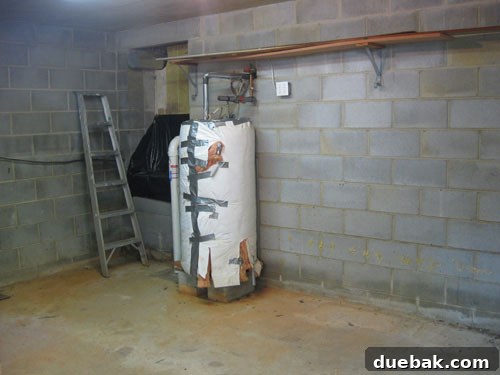
… and transforming it into something astonishingly efficient, polished, and perfectly tailored to our needs and lifestyle. Stay tuned for further updates as we navigate the exciting, albeit sometimes challenging, process of acquiring and assembling all our chosen IKEA furniture. We’re keeping our fingers crossed for minimal allen wrench-induced frustration during assembly! On the delightful topic of IKEA furniture, we’re genuinely curious: do you have any favorite IKEA systems or beloved pieces that have found a home in your own space? Perhaps the classic Malm bed, the versatile Lack shelf, or the ever-popular Expedit bookcase? We’d absolutely love to hear your recommendations, insights, and personal experiences!
Eager for even more insights into efficient floor planning and creative space utilization? Dive deeper into the fascinating world of graph paper madness and smart design strategies. Explore additional tips, inspiring ideas, and clever solutions here and here on the All Things G&D blog. Unlock the full potential of your home with intelligent planning!