

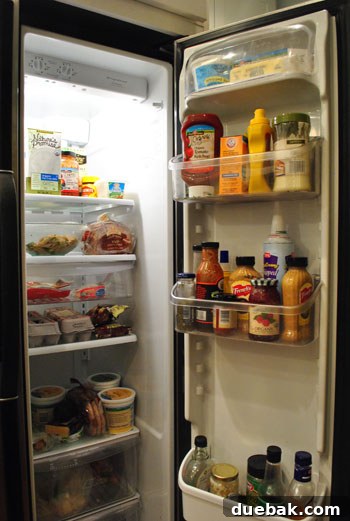
Moving can be an incredibly stressful endeavor, packed with endless to-do lists, logistical challenges, and unexpected expenses. Among the many tasks that often get overlooked or mishandled is the management of household food. The idea of relocating an entire refrigerator and pantry full of perishables can be daunting, leading to unnecessary food waste or last-minute scrambling. This is precisely the scenario we sought to avoid as our moving day approached. We embarked on a focused mission: to strategically consume as much of our remaining food as possible before packing a single box related to the kitchen.
For weeks leading up to our move, we consciously refrained from major grocery runs, making only essential trips for absolute staples like milk, cereal, and a handful of fresh fruits and vegetables – always keeping the budget under $30. This disciplined approach was crucial because we knew the transition period between handing over the keys to our old home and receiving those for our new one would involve a significant gap. With at least five hours allocated for fund transfers and final checks on closing day, the last thing we wanted was to worry about keeping a cooler packed with temperature-sensitive items in a moving van or imposing on a family member’s fridge. The goal was simple: minimize transferable perishables to ensure a smoother, less stressful moving experience. What lay ahead was our ultimate “eat-down-the-fridge” challenge, a comprehensive inventory of our kitchen’s contents, ready to be transformed into delicious, strategic meals.
Our Pre-Move Kitchen Inventory: An Inside Look
To truly tackle this culinary challenge head-on, I realized we needed more than just a vague intention. As someone who thrives on organization and lists, I devised a system – a visual, actionable plan to keep us focused on our mission. Initially, I simply listed every random ingredient and item that needed to be consumed before moving day. However, this quickly turned into a chaotic, overwhelming jumble of text that was difficult to process. The key, I discovered, was compartmentalization. By grouping items into logical meal categories, the task became much more manageable and less intimidating. This structured approach not only made the list easier to absorb but also stimulated creativity in meal preparation. The system worked like a charm, transforming our fridge door into a strategic command center, constantly reminding us of our edible goals.
Our strategy involved creating distinct categories for all the food items requiring attention: Breakfast, Lunch, Dinner, and Snack/Dessert. This segmentation allowed us to visualize potential meals throughout the day and prioritize items based on their perishability or quantity. Having this comprehensive, yet easy-to-read, list staring us in the face every time we opened the fridge served as a constant motivator, ensuring nothing was forgotten and every item had a purpose.
Strategic Meal Categories and Our Progress
- Breakfast: Fueling Up for Moving Day Prep
- Eggs: A versatile staple perfect for omelets, scrambles, or frittatas, offering a quick protein boost.
- Oatmeal: Quick, customizable, and a great way to use up various toppings like dried fruit or nuts from the pantry.
- Waffles: Enjoyed as a quick treat to clear freezer space.
- Smoothies: Blended away for a healthy, refreshing start, utilizing frozen fruits and yogurts.
- Lunch: Quick Bites and Leftover Creativity
- Peas and carrot sides (J): Simple, healthy additions to any main dish, easy to cook from frozen.
- Broccoli soup (S): A comforting, nutritious bowl finished off, often made from leftover broccoli and broth.
- Grilled cheese (J & S): A classic, easy-to-make lunch from pantry staples like bread and cheese.
- Turkey, cheese, & deli flats (J & S): Perfect for quick sandwiches or wraps, using up deli meats before they expire.
- Tuna on Wasa crackers (S): A go-to for light, protein-packed lunches, utilizing canned goods and crackers.
- Laughing Cow cheese or almond butter on Wasa crackers (S): Versatile and satisfying snack or light meal option, great for using up spreads.
- Dinner: Maximizing Main Meals from the Freezer and Pantry
- Breakfast for dinner omelette w/ frozen veggies: An excellent way to use up eggs and those freezer-bound vegetables for a quick, wholesome meal.
- Pot stickers with frozen veggies: Quick, flavorful, and easy to prepare in bulk, ideal for clearing out the freezer.
- Burritos and frozen veggies: Highly customizable, perfect for using up various fillings from beans and rice to cheese and leftover cooked meats.
- Pancakes with mixed berries: A simple, satisfying dinner, especially with berries from the freezer or pantry syrup.
- Spaghetti: A timeless dish that makes use of pasta and sauces, a true pantry hero that can feed a crowd.
- Frozen Amy’s pizza and Alexa fries: A convenient option for a night when cooking felt like too much, ensuring no frozen goods were left behind.
- Sides to eat ASAP: Brown rice & cous cous: Quick-cooking grains that pair well with almost anything, essential for emptying the pantry.
- Snack/Dessert: Enjoying the Remaining Treats
- Pumpkin bread: A delicious baked good, perfect for a treat or quick breakfast, used up before moving.
- Ice cream: A freezer staple to be enjoyed before defrosting is an issue, a final sweet indulgence.
- Tea: Simple and soothing, ensuring no packets are left behind in the pantry.
- Mixed nuts & pistachios: Healthy, shelf-stable snacks to finish up, great for sustained energy during packing.
The beauty of this system lies in its simplicity and effectiveness. As we consumed an item or completed a meal category, we simply crossed it off the list. This visual progress tracker provided immense satisfaction and kept us motivated. Thanks to this proactive planning, we were well on track to finish nearly all our remaining food items right up until moving day. With several servings left of versatile staples like pasta, pot stickers, and a generous supply of Wasa crackers, we ensured minimal waste and maximum efficiency. This method not only saved us money by avoiding unnecessary grocery purchases but also significantly reduced the stress associated with moving perishable items. It’s a testament to how a little organization can go a long way in simplifying complex tasks.
The Broader Benefits of Strategic Meal Planning: Beyond Moving
While our immediate motivation for this rigorous meal plan was an impending move, the principles behind it extend far beyond relocation. Strategic meal planning offers a multitude of benefits for everyday life, making it a valuable habit for anyone seeking to improve their kitchen management. Here’s why adopting such an approach can be transformative:
- Financial Savings: By actively planning meals around existing ingredients, you drastically cut down on impulse buys and reduce the need for frequent, expensive grocery trips. This deliberate consumption ensures every dollar spent on food is utilized effectively, leading to significant savings over time. It transforms grocery shopping from a reactive chore to a strategic exercise.
- Reduced Food Waste: One of the most impactful benefits is the dramatic reduction in food waste. When you know exactly what you have and what you need to use, items are less likely to expire or go bad unnoticed at the back of the fridge or pantry. This is not only good for your wallet but also for the environment, minimizing your carbon footprint.
- Time Efficiency: Meal planning streamlines your cooking process. Instead of wondering what to make each night, you have a clear plan, often leading to quicker meal preparation and fewer last-minute takeout orders. Batch cooking and intelligent ingredient pairing can save hours each week, giving you more time for other activities.
- Healthier Eating Habits: When you plan your meals, you have more control over the nutritional content of your diet. This makes it easier to incorporate more fruits, vegetables, and lean proteins, and avoid processed foods, supporting a healthier lifestyle for you and your family. It encourages conscious dietary choices.
- Stress Reduction: The mental load of deciding what to cook every single day can be surprisingly heavy. A meal plan removes this daily dilemma, freeing up mental energy and making dinnertime a more relaxed experience rather than a source of stress. It brings predictability and calm to your evenings.
- Inventory Management: It provides a clear overview of your kitchen inventory, helping you to understand what you have on hand and what truly needs restocking. This prevents duplicate purchases, ensures a well-organized pantry, and extends the lifespan of your ingredients.
Have you ever embraced strategic meal planning, whether for a big life event like moving, to better manage your finances, or simply for organizational peace of mind? Many households thrive on weekly meal plans, perhaps with themed nights like “Macaroni Monday” or “Taco Tuesday.” Growing up, our family had a fairly predictable rotation of meals, and there was something strangely comforting in that consistency. I still fondly recall the anticipation of Wednesday night pizza dinners. These routines, whether rigid or flexible, instill a sense of order and tradition that can be deeply satisfying and simplify daily life.
Implementing a “pantry challenge” or a “fridge foraging” period, even when not moving, can be an incredibly rewarding exercise. It encourages creativity in the kitchen, pushes you to try new combinations with existing ingredients, and fosters a greater appreciation for the food you already possess. It’s an excellent way to reset your grocery habits, discover hidden gems in your cupboards, and ensure you’re making the most of your resources, ultimately leading to a more sustainable and economical kitchen.
Looking Ahead: More Home Organization and Efficiency Tips
While recent discussions might have veered slightly from our usual hands-on DIY focus, we’re excited to soon dive back into practical home-related content. Keep an eye out for upcoming posts featuring fun, homemade holiday gift ideas – perfect for adding a personal touch to your celebrations without breaking the bank. We’ll also be releasing a free downloadable calendar for the upcoming year, along with another engaging home-related video to inspire your next project. As the saying goes, stick around for more valuable insights into creating an organized, efficient, and joyful home.
UPDATE: To see the successful outcome of our pre-move fridge cleanout challenge, and how well we managed to empty our kitchen before the big day, you can read the full follow-up here. Our efforts truly paid off!