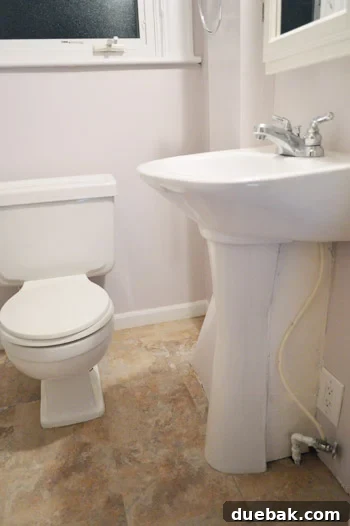
Granny Chic Bathroom Makeover: Day 2 – Painting, Flooring, and Fantastic Updates!
Welcome back to "Operation Granny Chic"! After yesterday's intensive prep work, including spackling, sanding, caulking, and beginning the cabinet transformation, we plunged headfirst into Day 2 of our whirlwind three-day mission to revitalize Granny's bathroom. Today was all about dramatic visual changes: fresh paint on the walls and ceiling, a complete floor overhaul, and tackling some long-overdue functional and aesthetic improvements. However, before diving into the colorful world of paint, we encountered one small but significant obstacle that required immediate attention.
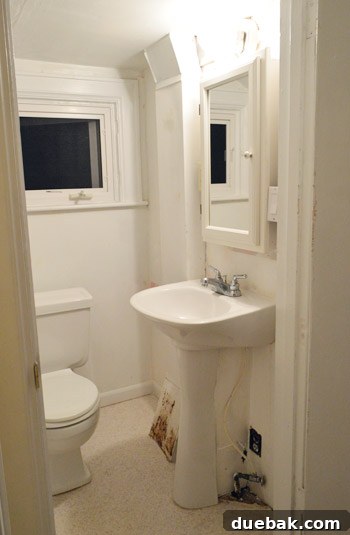
Conquering the Rust Spot: A Crucial First Step for a Flawless Finish
As we meticulously scanned the bathroom, preparing for the paint, a prominent rust spot on the air duct near the floor became impossible to ignore. This wasn't just a minor discoloration; it was a deep-seated issue that, if left untreated, would surely bleed through any fresh coat of paint, ruining our efforts and compromising the longevity of the finish. Painting directly over rust is a common mistake that homeowners often make, leading to frustration and repeated touch-ups. Rust is corrosive, and its metallic compounds will migrate through standard paint, creating unsightly stains over time.
Recognizing the importance of a proper foundation, we decided to tackle this rust spot head-on. Our secret weapon? A quick application of Rustoleum rust-inhibiting primer. This specialized product is designed to encapsulate and neutralize rust, preventing it from spreading and creating a stable surface for subsequent paint layers. It was truly astonishing to witness the immediate transformation. With just one fast coat, the Rustoleum worked like a charm, creating a pristine, paint-ready surface. This small but crucial step ensured that our beautiful new wall color would remain vibrant and unblemished for years to come, proving that sometimes the most effective solutions are also the simplest.
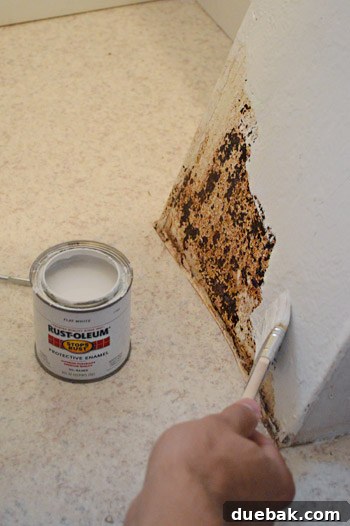
Infusing Cheer: Choosing the Perfect "Hint of Violet" Paint Color
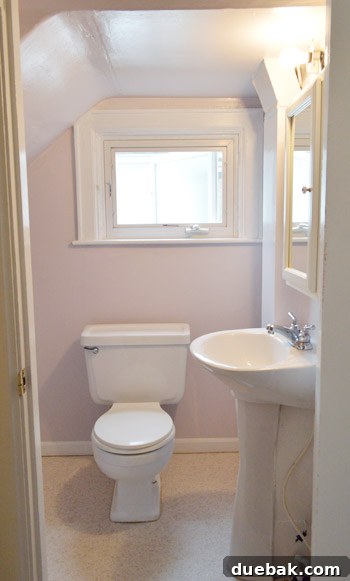
With the rust issue resolved, it was time to bring color into Granny’s world. The paint color we meticulously selected for the room is "Hint of Violet" by Benjamin Moore. This delightful shade is a soft violet, infused with subtle gray undertones that prevent it from being overly saccharine or jarring. Granny herself is an incredibly vibrant and colorful person, often seen sporting shades of purple, so we knew her bathroom needed a cheerful and uplifting palette.
However, given the compact nature of the bathroom, our goal was not to overwhelm the senses or make the space feel even smaller. Instead, we sought a color that would feel inviting and serene. "Hint of Violet" achieved this balance perfectly, offering a gentle embrace of color without being too intense. The subtle gray undertones contribute to its sophistication, making it feel modern yet timeless. Our strategy was to introduce bolder pops of color through accessories, window treatments, and other decorative elements, allowing the walls to serve as a soft, harmonious backdrop. This thoughtful approach ensures the small bathroom remains airy and open while still reflecting Granny's lively personality.
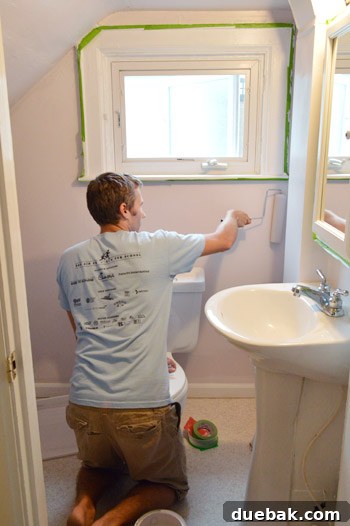
Applying the new wall color was a surprisingly swift process. We opted for two quick coats, extending the "Hint of Violet" seamlessly onto the slanted ceiling. In compact spaces like bathrooms, painting the ceiling the same color as the walls is a design trick we swear by. This monochromatic approach eliminates visual breaks, making the room feel less "chopped up" and considerably more expansive and unified. By lunchtime, the freshly painted walls and ceiling had transformed the room, readying it for the next big challenge: the floor.
Floor Transformation: A Practical and Stylish Upgrade with Vinyl Tiles
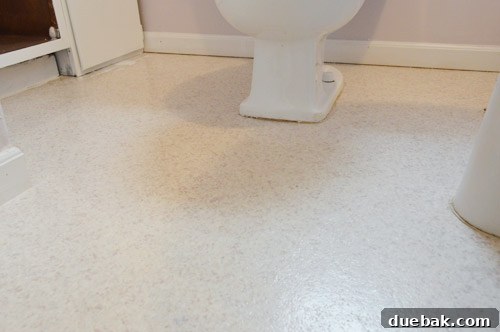
Ah, the floor – a truly pivotal element in any bathroom renovation. The existing floor in Granny’s bathroom was an antiquated sheet of laminate. While it was remarkably intact for its age and its neutral tone wasn't particularly offensive, it lacked character and modern appeal. Granny, who typically doesn't make many specific requests, expressed a strong desire for a new, updated floor, specifically mentioning individual vinyl tiles with a more tactile texture. Her wish immediately ascended to the top of our to-do list, becoming a non-negotiable component of our makeover.
Why Peel and Stick Vinyl Tiles Were the Perfect Solution
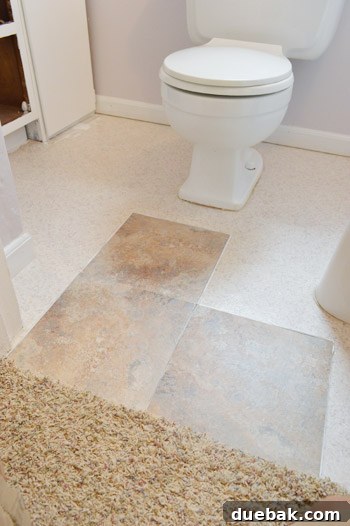
Naturally, our initial design fantasies included giving Granny a stunning hex tile floor or something else with a strong vintage aesthetic. However, the realities of our project – specifically, tight time constraints and a conservative budget – quickly guided us towards a more pragmatic choice. The individual vinyl stick tiles Granny requested presented themselves as the most obvious and sensible option. Furthermore, my parents offered valuable advice, suggesting we avoid any major plumbing interventions, such as removing the sink or toilet. Given the age of the pipes in this older home, such an endeavor could easily trigger unforeseen plumbing issues, grinding our entire makeover to an immediate and costly halt. Happy to oblige and avoid potential headaches, we embraced the peel and stick vinyl tile solution, confident it would deliver both style and practicality.
Mastering the Art of Peel and Stick Installation
My partner, Sherry, and I had some prior experience with vinyl tile installation, having put them down in our old kitchen about six years ago. While we were a little rusty, we quickly found our groove again. The beauty of this type of flooring lies in its unparalleled ease of installation. It doesn't necessitate specialized tools like a wet saw, nor does it require the messy application of thinset or grout, making it an ideal DIY solution for homeowners seeking an efficient upgrade. On top of its simplicity, peel and stick vinyl is incredibly affordable; we sourced these particular tiles from Home Depot for a mere 99 cents per tile, making it a budget-friendly powerhouse for impactful renovations.
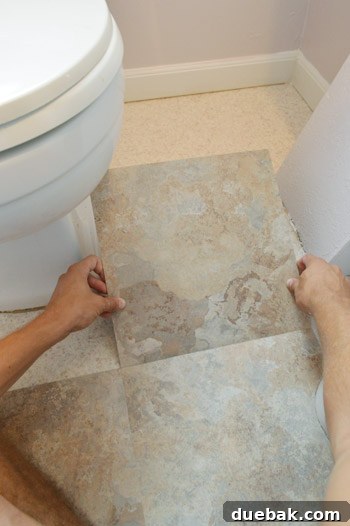
The key to achieving a professional and seamless finish with peel and stick tiles is meticulous placement. Each tile must be set very (and we mean *very very*) snugly against its neighbors. This firm pressure prevents the formation of unsightly seams or gaps that can detract from the overall appearance and allow moisture to seep underneath. We made sure to press each tile firmly into the edge of the previously laid tile before securing it down, ensuring a tight, unified surface that mimics higher-end flooring.
Precise Cuts: Navigating Tricky Fixtures with Templates
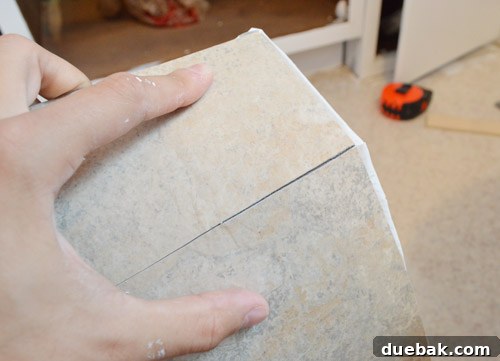
Another aspect we absolutely adore about these vinyl tiles is their remarkable ease of cutting. All it requires is a quick score with a standard utility knife. Then, much like a memorable scene from "Legally Blonde" – though with a slightly different outcome – it bends and snaps! Unlike Elle Woods' perfect legal maneuver, our tile then cleanly breaks apart, creating the desired shape with minimal effort and no specialized equipment. This simple cutting method is a game-changer for DIY enthusiasts.
Granny's petite bathroom, while generally a straightforward space, presented one significant challenge: the sheer number of intricate edges to cut around. The sink, toilet, and various nooks and crannies demanded precise measurements and careful cuts. While not inherently difficult, this task was incredibly time-consuming. As advised, we steered clear of removing the sink or toilet due to the potential plumbing risks in an older home. This meant meticulously cutting around their bases, a process that required patience and accuracy.
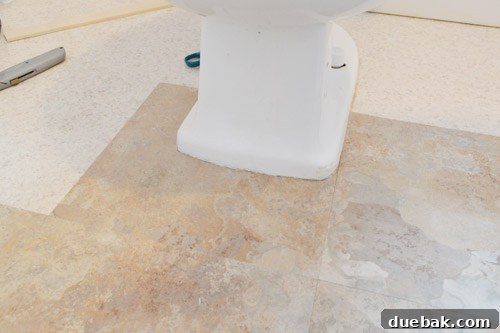
To ensure perfect fits, I employed a simple yet effective technique: paper templates. Although I typically prefer stiffer cardstock for templates, Granny's spiral notebook proved perfectly adequate in a pinch. I taped the paper into place around the fixture – in this instance, the toilet base – and used my utility knife to carefully trace and cut along its edge. This method creates an exact replica of the shape you need to cut from the vinyl tile, eliminating guesswork and minimizing waste.
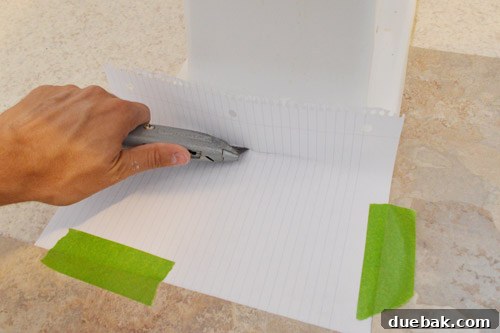
Gorgeous, isn't it? The precision of the paper template allows for a flawless fit, transforming a potentially frustrating task into a manageable one.
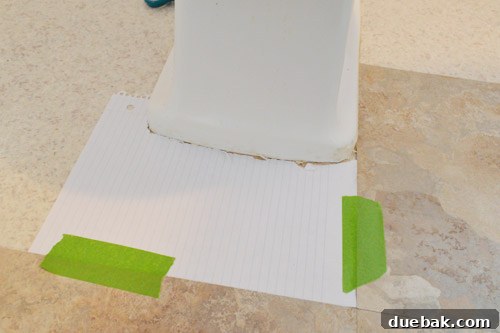
Once the template was ready, I taped it securely onto the vinyl tile destined for that spot. Carefully, I sliced along the edge of the template, transferring the precise contour onto the tile. This methodical approach is essential for achieving clean, professional-looking cuts, especially in tight spaces where mistakes are easily noticeable.
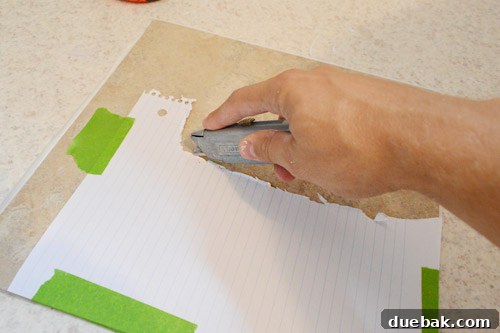
After bending and snapping out the section that would interfere with the toilet, I performed a crucial test placement with the protective backing still on. This dry run ensures that the cut is perfect before the tile is permanently adhered. Once satisfied, it was ready to be stuck down, completing another puzzle piece of Granny's new floor. Voila!
The Impact of a Revitalized Floor
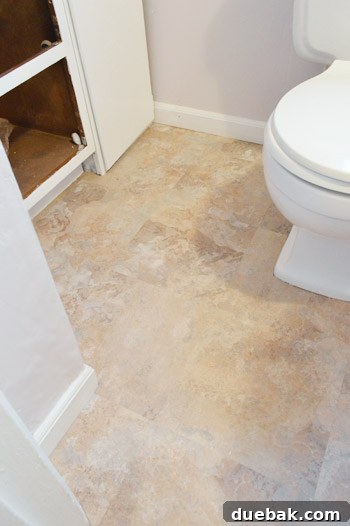
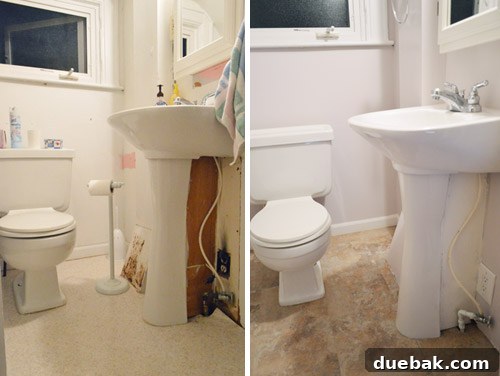
After approximately 23 tiles and four focused hours, the flooring was completely installed. The transformation was undeniably immense, a monumental upgrade from the old, tired sheet of vinyl that once resided there. While the luxury of time would have allowed us to remove the sink and toilet for an under-fixture installation – a method I highly recommend for those without time constraints – our decision to work around them was a practical one. To prepare for any future plumbing work, we left Granny a generous seven spare tiles. Should her toilet or sink ever be replaced by a plumber, these spares can be used to bridge any potential gaps if the new fixtures have a smaller footprint, offering a thoughtful, long-term solution.
The new flooring dramatically updated the room's aesthetic, creating an entirely fresh and modern feel. Its subtle texture, especially noticeable in person, adds depth and sophistication. The interplay between the new floor and the soft violet walls is particularly striking, creating a cohesive and inviting atmosphere that embodies the "Granny Chic" vision perfectly.
Revitalizing Hardware: A Pop of Navy for Modern Appeal
With the major projects of painting and flooring checked off for the day, our focus shifted to preparing a few more finishing touches. One area craving attention was Granny's old cabinet hardware. We estimated these pieces dated back to the 80s or 90s, and time had taken its toll, leaving them with a somewhat peeled and dated appearance. Replacing them with brand-new, shiny chrome versions was our initial thought, but we quickly discovered that the existing screw holes weren't a standard size, making a straightforward replacement impossible without significant modification.
What initially seemed like a setback turned out to be a blessing in disguise. Instead of struggling with new hardware, we decided to breathe new life into Granny's existing pieces with a fresh coat of paint. Enter Valspar's Indigo Streamer in a satin finish! While it might appear somewhat bright in the photograph, in person, it's a true deep navy, offering a sophisticated and unexpected pop of color. This decision not only allowed us to reuse perfectly functional hardware but also provided an opportunity to infuse a unique design element into the bathroom.
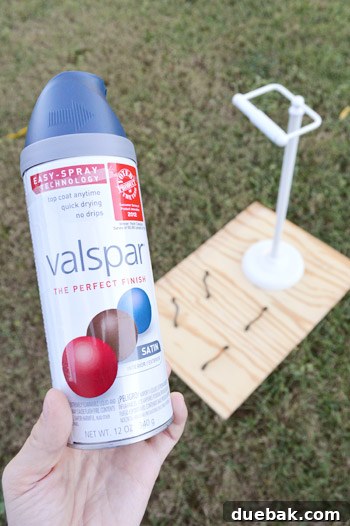
The process was simple: first, a thorough sanding to create a smooth surface and ensure paint adhesion, followed by spray-painting. The transformation was remarkable. Navy definitely beats the worn and peeling brass of yesteryear, adding tons of visual interest and a touch of modern flair to elements like the old white toilet paper holder. This simple update proves that sometimes, the most impactful changes come from rethinking and revitalizing what you already have, rather than always buying new.

Minor Details, Major Impact: Evening Progress on Day 2
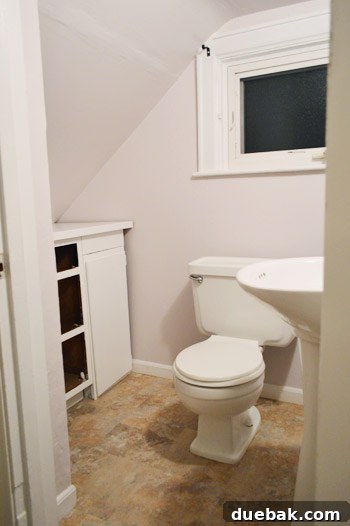
As the spray-painted hardware dried outside for the evening, the bathroom began to truly take shape. By the end of Day 2, despite the late hour and the challenges of capturing accurate colors in low light (the floor might appear "Frito-orange" and the violet walls subtly muted in these late-night shots), the room was radiating a newfound charm and freshness. It was a gratifying sight, knowing how much progress had been made in just a single day.
Beyond the major transformations, we also managed to tackle a few other minor but impactful items in preparation for Day 3's grand reveal. We swapped out the old medicine cabinet knob for a playful blue glass version, adding a touch of whimsical elegance. A new towel ring was installed, cleverly utilizing existing holes on the air duct. Initially, we had concerns about hanging anything on the duct, but Granny reassured us it had hung there for years without issue, and my dad confirmed it wouldn't pose a problem. Trusting their wisdom, we simply plugged the old holes with a shiny new towel ring, enhancing both functionality and aesthetics.
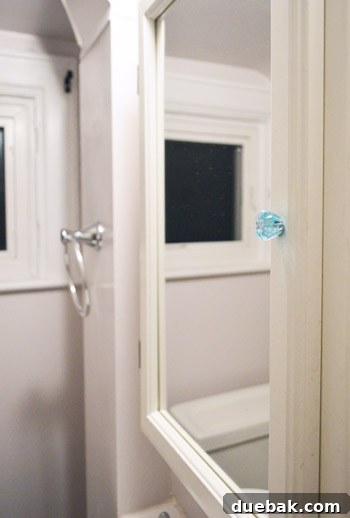
Crucially, we also addressed some essential safety upgrades. We replaced a couple of Granny's outdated electrical outlets, including a particularly worrisome burned one located on the floor. Now, all outlets are brand new, crisp white, and fully compliant with modern safety standards. This step was taken after a professional electrician had thoroughly inspected them prior to our makeover, ensuring everything was safe before we began any work. This commitment to safety is paramount in any home renovation, especially in older homes.
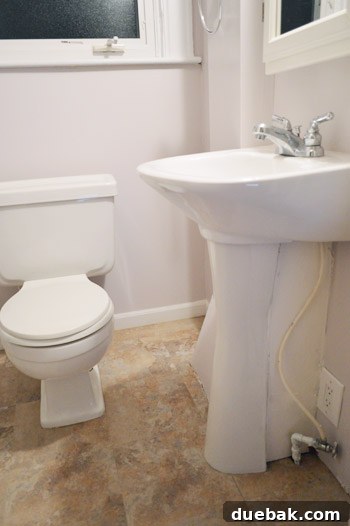
The problem area by her sink, once a dingy and less-than-inviting corner, was now looking worlds better. The combined effects of the fresh paint, the new flooring, and the updated hardware truly transformed this small section. It was undoubtedly one of the most satisfying views of Day 2, even if the subtle violet on the walls proved camera-shy in the late-night photographs. The overall impression, however, was one of significant progress and impending beauty.
Day 2 To-Do List: A Triumphant Check-In
Happily, after a day packed with painting, transforming the flooring, and making several crucial updates to get a jump on things, our ambitious to-do list was looking significantly more accomplished. The satisfaction of crossing off these major items was immense, propelling us towards the final day with renewed energy and excitement for the grand reveal.
Brainstorm colors & go shopping for accessories (Day 1)Spackle/sand/caulk everything to prep the room for paint (Day 1)Rebuild the cabinets a bit so they look more balanced (Day 1)Prime and paint the cabinets for a more updated and open look (Day 1 & 2)Paint the entire room, including the ceiling (Day 2)Fix a few issues, like a rusted duct and an old dingy corner below the sink (Day 2)Redo the floors, which were that old sheet laminate stuff (Day 2)Revive some hardware/accessories with a fresh finish (Day 2)- Make & hang curtains to add some charm (Day 3)
- Bring in some meaningful art (Day 3)
- Add some functional/personal accessories to finish things off (Day 3)
- Reveal the whole shebang for Granny (Day 3)
Stay tuned for tomorrow's highly anticipated post, which will feature all the official before & after photos of the room, a comprehensive budget breakdown, and – the absolute best part – heartwarming videos and photos of us revealing the transformed bathroom to Granny! We're just finishing up some receipt-math and photo-uploading to ensure every detail is covered. In the meantime, we'd love to hear from you: Is anyone else out there using peel & stick tiles for a super affordable and impactful upgrade? Did you, like us, rely on paper templates for those tricky cuts, or did you employ some other ingenious method to size them perfectly?