
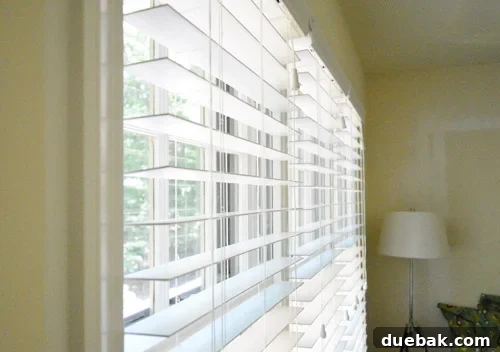
Transforming Our Home: The Essential Guide to Installing Faux Wood Blinds for Privacy and Light Control
Our new home basks in glorious natural light, a feature we absolutely adore. Especially upstairs, and particularly in the afternoons when the sun graces the front of the house, every room is filled with a warm, inviting glow. This abundance of light creates the perfect ambiance for everything from relaxing with a good book to capturing beautiful photos. Our beloved cat, Burger, seems to agree wholeheartedly, finding endless joy in these sunbeams – whether he’s napping, meticulously grooming, or simply exploring the sun-drenched spots. It’s a truly wonderful aspect of our living space that brings immense comfort and cheer, making our home feel vibrant and alive.
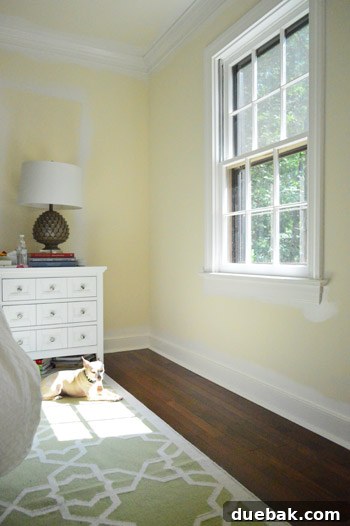
However, these very same delightful beams of sunlight soon brought a significant oversight into sharp focus: our house was completely devoid of window blinds. In our previous home, we had grown accustomed to the convenience and aesthetic appeal of elegant white faux wood blinds in every bedroom. This made the first night in our new place quite a revelation – and a somewhat uncomfortable one. We quickly realized we had absolutely no provision for privacy, nor any means to prevent the relentless creep of light from waking us at the first hint of dawn. It was a stark reminder that while natural light is a blessing, uncontrolled light can quickly become a significant nuisance, impacting both our comfort and our sleep schedule.
Why Window Blinds Are an Absolute Necessity for Every Home
After far too many nights spent tiptoeing around in the dark to maintain a semblance of privacy and countless mornings involuntarily greeting the sun long before our alarms, the decision became undeniable. Window blinds weren’t a luxury; they were an immediate, essential investment for our comfort and well-being. The lack of proper window coverings presented several significant challenges that impacted our daily lives, transforming simple routines into awkward maneuvers.
Ensuring Essential Privacy and Security
Privacy is paramount, particularly in intimate spaces like bedrooms and bathrooms. There’s a fundamental expectation of personal space within one’s home, and without blinds, that feeling of security was completely absent. Every window felt exposed, leading to an uncomfortable awareness of visibility from the outside, especially in the evenings when interior lights made everything visible to passersby. The thought of getting dressed, relaxing, or simply moving freely within our own home without adequate privacy was deeply unsettling. Installing quality window blinds immediately restored that crucial sense of seclusion and safety, transforming our private rooms back into true sanctuaries where we could genuinely unwind.
Mastering Light Control for Enhanced Living
Beyond privacy, the ability to control natural light is a game-changer for overall home comfort and functionality. While we cherish the sunlight, there are numerous times when it needs to be managed or even entirely blocked out. Early morning sun, for instance, can prematurely end a peaceful night’s sleep, leaving us feeling groggy and unrested. Harsh afternoon glare can make it difficult to relax, enjoy entertainment on a screen, or work productively on a computer without eye strain. Blinds offer the invaluable flexibility to modulate the light precisely – whether you want to completely block it out for deep, undisturbed sleep, filter it gently to reduce glare, or open the windows fully to embrace the sunshine. This granular control significantly enhances the comfort, usability, and ambiance of each room, adapting to our daily needs and preferences.
Beyond Comfort: Energy Efficiency and Home Protection
While privacy and light control were our primary motivators, blinds offer additional, often overlooked benefits that contribute to a healthier, more efficient home. They act as an extra layer of insulation, helping to regulate indoor temperatures year-round. In warmer months, closed blinds can block scorching sunlight, significantly reducing heat gain and lessening the load on air conditioning systems, leading to lower energy bills. During colder periods, they help trap heat indoors, minimizing drafts and contributing to a warmer, cozier environment. Furthermore, by filtering harmful UV rays, blinds provide essential protection for your valuable furniture, flooring, artwork, and textiles, preventing fading and sun damage that can degrade their appearance and longevity over time. This makes them a smart, multi-functional addition to any household, offering both immediate comfort and long-term savings.
Our Choice: Premium Faux Wood Blinds from Home Depot
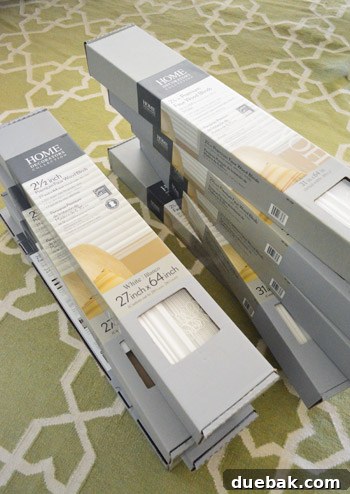
With our priorities clear, we finally embarked on the mission to acquire essential window treatments. After careful consideration, we opted for Home Depot’s in-stock faux wood blinds, a practical and aesthetically pleasing choice that offered excellent value and aligned perfectly with our functional requirements. We decided to splurge slightly on their “premium” version, and this modest upgrade proved to be incredibly worthwhile, providing features that enhanced both usability and safety.
The Advantages of Premium Faux Wood Blinds
The “premium” label wasn’t just marketing; it came with tangible, performance-enhancing benefits. Firstly, these blinds featured wider slats, which significantly improved our view when the blinds were open. Smaller slats can create a more obstructed, ‘venetian blind’ feel, but the wider slats allowed more natural light in and offered a clearer, less fragmented outdoor perspective, maintaining an open feel. Secondly, the premium version promised superior light blocking capabilities, a critical feature for our bedrooms where undisturbed, dark sleep was a top priority. The enhanced light blockage proved invaluable for creating truly dark sleeping environments. And finally, a key factor in our decision was the inclusion of a break-away cord system, an essential child safety feature. Unlike traditional looped cords, these pulls are designed to break away under minimal weight, virtually eliminating the risk of entanglement for young children or curious pets. This peace of mind, knowing our home was safer for little ones, alone made the small upcharge completely justified and well worth the investment.
Budgeting for Window Treatments: A Real-World Perspective
Despite the modest upcharge for the premium features and our diligent use of a coupon, the total cost for dressing 11 windows quickly accumulated to over $350. It was a significant outlay, one that certainly made us gulp at the checkout counter! This experience reinforced a common truth about homeownership: essential upgrades, even seemingly minor ones, can accumulate quickly and impact the budget. While the initial sticker shock was real, we viewed it as a necessary and valuable investment in our home’s comfort, functionality, and safety. For those planning similar projects, it’s always wise to factor in a healthy budget for window treatments, as they are often more costly than anticipated but undeniably essential for a comfortable and livable space. Prioritizing and budgeting effectively can help mitigate the financial surprise.
The DIY Installation Journey: Tedious but Ultimately Rewarding
I must admit, the prospect of installing eleven blinds felt a bit daunting, particularly after moving into a new home that already demanded so much attention and expense. While the blinds themselves were a necessary investment – I say “necessary” because they felt like an unavoidable cost rather than a joyous design choice at the outset – their function undeniably trumped any minor gripes about their form. We knew that once layered with decorative curtains, the windows would look fantastic, and the immediate benefits of privacy and light control would be instant and profound. The installation process itself turned out to be straightforward, thanks to clear and concise instructions, but tackling so many windows naturally consumed a significant amount of time. The entire project spanned approximately six hours, wisely broken up over two days to avoid burnout and maintain precision, and the results were beyond satisfying, providing immediate relief and comfort.
Step-by-Step Installation: From Brackets to Blinds
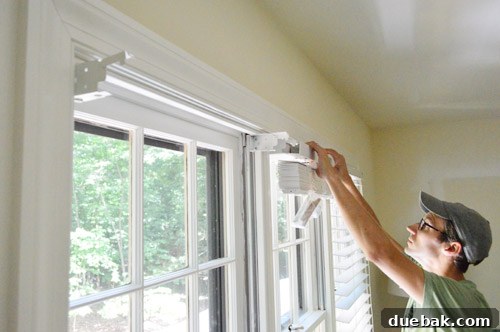
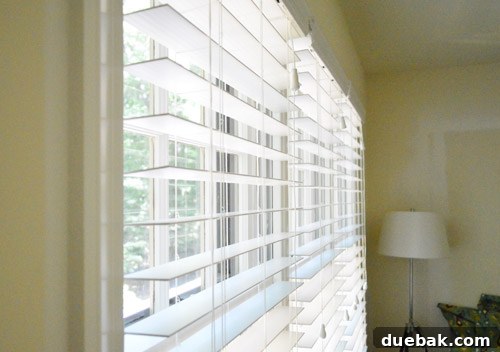
The fundamental process for hanging each blind was refreshingly simple and consistently applied across all windows. It primarily involved screwing two sturdy mounting brackets securely into the side of the window frame. Precision here is key for a professional finish; ensuring the brackets are perfectly level and firmly attached guarantees the blinds hang correctly, operate smoothly, and look aesthetically pleasing. Using a spirit level at this stage is highly recommended. Once the brackets were accurately in place, the blind’s headrail could then be effortlessly slid into position, snapping securely into the brackets with a satisfying click. This robust attachment mechanism ensures the blinds remain stable, functional, and aesthetically pleasing for years to come, withstanding daily use.
Customizing Length: Achieving the Perfect Fit for Every Window
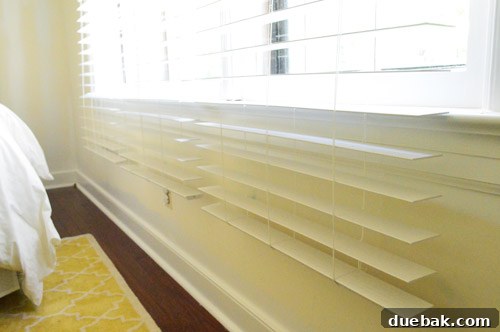
We were fortunate that all our windows were standard sizes, meaning Home Depot had the blinds readily available on the shelf. This saved us the hassle of custom orders or the waiting time for them to be cut to size, although it’s worth noting that many stores offer free cutting services if needed – a valuable option for non-standard windows. However, achieving a truly custom look and feel often requires length adjustment, a precise step I undertook after each blind was hung to ensure it perfectly met the windowsill. This customization process involved a few simple yet crucial steps:
- Removing the Bottom Slat: The first step was to carefully detach the bottom slat, which typically serves as the weighted cap at the very end of the blind, giving it a finished appearance.
- Cutting Extraneous Slats: Next, I identified and carefully cut the strings that held the excess slats we wanted to remove. This allowed us to tailor the blind’s length precisely to our window dimensions, preventing the blinds from pooling on the sill or looking too short.
- Reattaching the Base: Finally, the original bottom slat was meticulously reattached to the now-shortened strings. These strings were then tied securely with a knot hidden within the slat to hold everything firmly in place, ensuring a clean, professional, and custom-made finish. For a more detailed visual guide on this specific step, many online tutorials and resources (like this one) offer excellent step-by-step photos and explanations, which can be invaluable for DIY enthusiasts.
Addressing a Unique Installation Challenge: Trimming Side Pieces for a Seamless Look
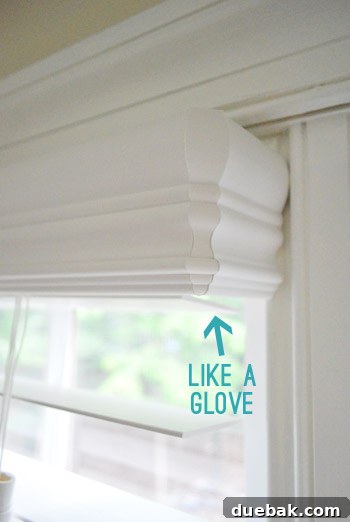
Every DIY home improvement project seems to present its own unique quirks and unforeseen challenges, and our blind installation was no exception. A new issue we hadn’t encountered in previous blind installations surfaced: the decorative side trim pieces, designed to give a finished edge to the headrail, that accompanied each set of blinds were consistently too long to sit flush against our window frames. This minor but critical detail meant they wouldn’t attach correctly at the corners, leaving unsightly gaps that would detract from the overall aesthetic.
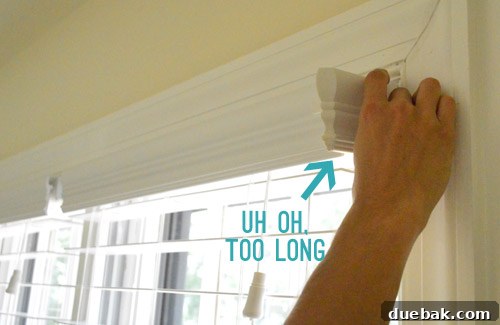
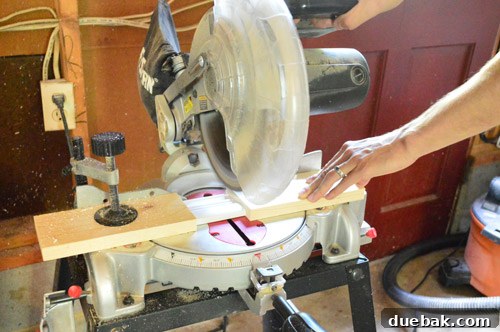
To remedy this, I had to bring out my trusty miter saw. Each of the 22 trim pieces (two per blind, for eleven windows) required a precise, angled cut to shorten them. This ensured they would sit perfectly flush against the window frame and seamlessly connect at the corners, eliminating any gaps. This extra step, while unexpected and time-consuming, was crucial for achieving a polished, integrated look that truly complemented the windows. For safety, I wisely used scrap wood as blocking to firmly hold the trim pieces in place during cutting, protecting my fingers and ensuring accurate, consistent cuts. Safety should always be paramount when using power tools.
The result of this painstaking trim work was a vast improvement. The modified pieces snapped together flawlessly with the main headrail, demonstrating that shortening them at the end had no adverse effect on their attachment mechanism. The finished look was clean, professional, and exactly what we envisioned for a custom-fitted appearance, adding significant value to the overall installation.
The Immediate Impact and Future Aesthetic: Layering with Curtains
With all the blinds finally hung, the immediate relief and satisfaction were palpable. The simple act of having privacy and complete control over the light felt like a profound luxury that we had unknowingly missed. No more undressing in the dark, no more waking up with the sun at 5 AM. The bedrooms and bathrooms instantly transformed into truly private and comfortable spaces, and the ability to darken rooms on demand was an instant enhancement to our quality of life and daily routines. It’s amazing how such a seemingly simple addition can make such a dramatic difference.
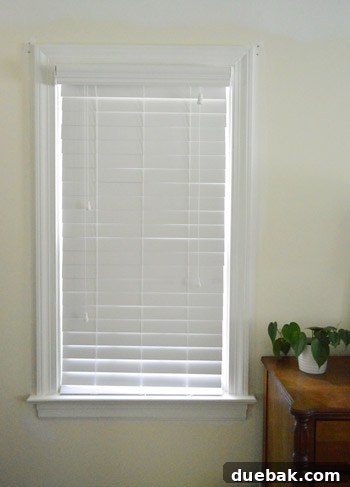
Aesthetically, the blinds alone provide a clean, functional base, offering a crisp, uniform look to our windows. They currently look quite basic in most of our rooms simply because we haven’t yet hung the decorative curtains. However, the true magic happens when these foundational blinds are layered with curtains, transforming a merely functional window treatment into a complete and sophisticated design statement, adding depth and personality to the room.
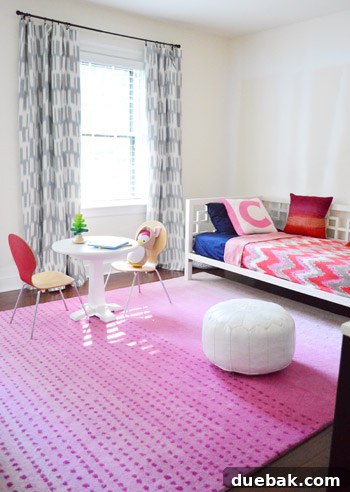
In Clara’s room, for instance, the combination of the pristine faux wood blinds and complementary curtains creates a soft, inviting, and fully functional space, demonstrating the full potential for every window in the house. The blinds offer the precise light control and privacy, while the curtains add warmth, texture, and a pop of color, completing the room’s aesthetic.
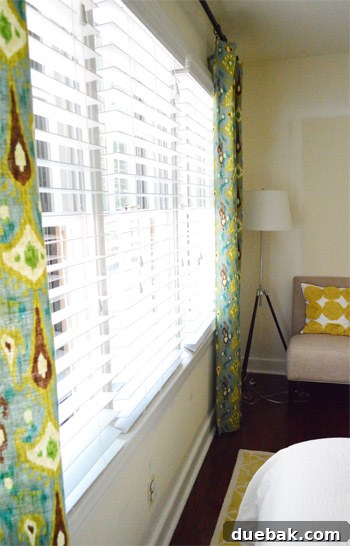
Similarly, we’ve already adorned the guest room windows with beautiful curtains that Sherry meticulously sewed for our previous dining room. This pairing immediately elevates the room’s ambiance, proving that blinds provide the essential functional foundation, while curtains add softness, color, texture, and a personalized touch to any interior design scheme. We’re incredibly excited to showcase how each room is evolving with these thoughtful additions, and Sherry is planning to capture some updated photos this weekend for an upcoming “one month in” post, detailing our progress and sharing more design insights.
The Cost of Home Ownership: A Worthwhile Investment in Comfort and Style
Speaking of ongoing home projects, my wife and I were just discussing how the initial few months in any new house always feel like you’re constantly “bleeding money.” Despite this being our third home, and despite our accumulated experience with renovations and moves, the cumulative cost of addressing all those immediate “do-this-first” items never ceases to surprise us. It’s easy to find ourselves leaving Home Depot, muttering, “Over $300?! Are these blinds made of gold?!” The reality is, these essential upgrades, from foundational window blinds to other crucial structural and aesthetic elements, are indeed investments. They contribute significantly to the comfort, functionality, safety, and long-term value of our home, transforming it from a mere structure into a truly personal and inviting living space. While the immediate financial impact can be startling, the long-term benefits of enhanced privacy, superior light control, and a beautifully finished home unequivocally justify the expenditure. We encourage anyone facing similar challenges to view these “necessary evils” as vital, non-negotiable steps toward creating a truly comfortable, personalized, and functional living environment that you’ll cherish for years to come. Every dollar spent on essential home improvements contributes to a happier, more functional household.