
Transform Your Bedroom: The Ultimate Guide to Finding and DIYing the Perfect Curtains
Every bedroom deserves a sanctuary-like atmosphere, and often, the right set of curtains is the missing piece of that puzzle. We recently embarked on our own exciting journey to elevate our bedroom’s aesthetic, driven by a desire to infuse more color and warmth into the space. With a strong design momentum already established, we knew selecting the perfect window treatments would be crucial to completing our vision.

Our inspiration was clear: to create custom curtains that harmonized beautifully with the golden-green leaf pattern on our new duvet cover. After much deliberation over potential colors, including a sophisticated deep blue or a shimmering silver, we unanimously agreed on a greeny-gold hue. This shade promised to echo the natural elements of our bedding without overwhelming the room. Furthermore, we opted for a plain or subtly textured fabric, consciously avoiding anything too patterned. The goal was to ensure the curtains wouldn’t compete with the duvet’s prominent design, thereby preserving the restful, calm ambiance essential for a bedroom rather than introducing an overly energetic or chaotic feel. With this vision firmly in mind and a few paint swatches for color reference in hand, our multi-day fabric hunting expedition began.
The Quest for Perfection: Navigating the Fabric Jungle
Finding the ideal fabric proved to be an extensive and often challenging endeavor. Our initial approach involved exploring every fabric store in Richmond, sometimes even revisiting them. We started with a hopeful, perhaps naive, outlook, which led to a meticulous, store-by-store search. We encountered countless options, many of which were discarded for not being “interesting enough,” not quite “the perfect color,” or simply not within our budget.
On our first day of searching, as stores began to close, we managed to secure one fabric sample from U-Fab. We were determined not to return home empty-handed, even if it was just a single swatch.
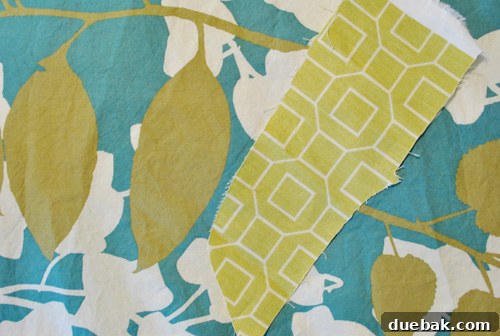
Upon closer inspection in our home, the verdict was clear: this sample, while promising in the store, leaned too heavily towards lime green and lacked the desired golden undertones. While we appreciated slight variations for a more organic, less “matchy-matchy” look, this particular fabric felt out of place. More significantly, we realized that even a minimal pattern on the curtains would likely clash with our duvet. Laying the patterned scrap on the bed immediately created a visually “jittery” and “scrambled” sensation, far from the serene and smooth vibe we were striving for. This realization, despite our general fondness for geometric prints and our usual skill in mixing and matching prints, solidified our decision to pursue solid or subtly textured fabrics.
Day Two: A Strategic Shift and the Wall Test Revelation
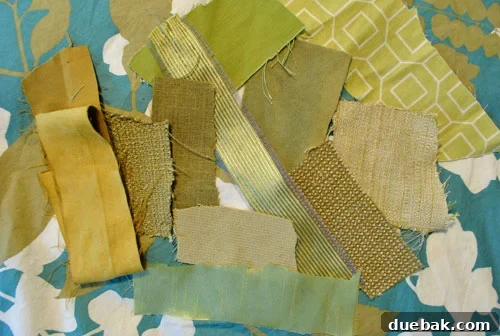
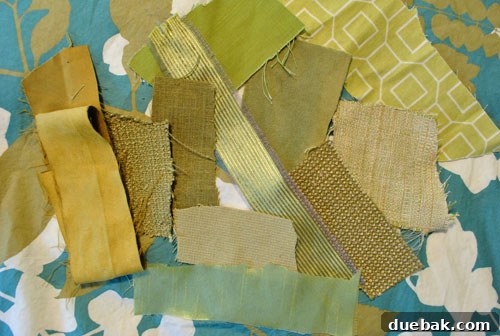
Learning from our initial experience, Day Two saw a more strategic approach. We decided to cast a wider net, collecting every fabric sample that held even the slightest potential. We understood that store lighting can be incredibly deceptive, and the true test of a fabric’s suitability only comes when it’s viewed in the actual space it’s intended for.
From this expanded collection, two strong contenders emerged: a heavy, linen-look swatch on the left and a rich, suede-like option on the right. Both felt luxurious and held promise when laid flat.
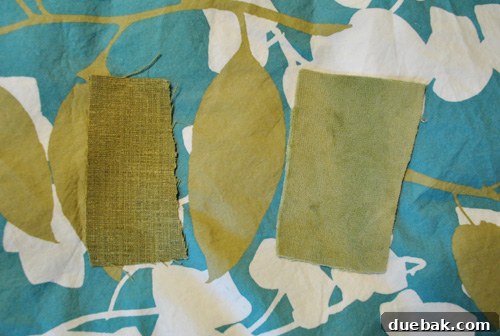
We were genuinely torn between these two beautiful fabrics. However, a crucial step ultimately resolved our dilemma: we taped them to the wall. This seemingly simple action proved to be a game-changer. Judging the fabrics vertically, in the actual ambient light they would receive every day, was the only truly accurate method. Light interacts differently with flat surfaces compared to hanging textiles, and this test immediately revealed a significant color shift.
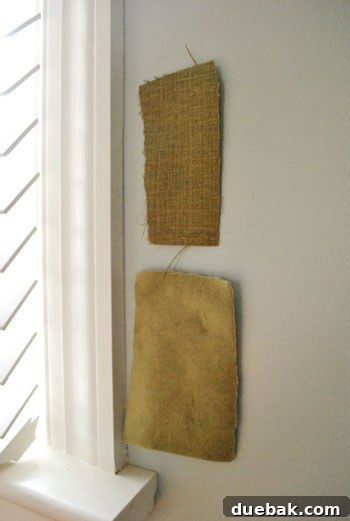
Both samples, which had appeared greeny-gold under direct overhead light, transformed into a decidedly brownish hue on the wall. The wall test was a resounding success in preventing a design misstep. We quickly realized that either option would visually weigh down the room, creating a heavier atmosphere than desired. This unexpected turn led us to Day Three of our fabric expedition, guiding us towards a store we had overlooked initially: Hancock Fabrics.
Day Three: A Happy Discovery and Budget-Friendly Bliss
Sometimes, in our eagerness to support local businesses, we might unintentionally bypass larger chain stores. However, our third day of searching led us to give Hancock Fabrics a chance, and we are incredibly grateful we did. It was there, amidst countless rolls of fabric, that we finally discovered our happy little swatch.
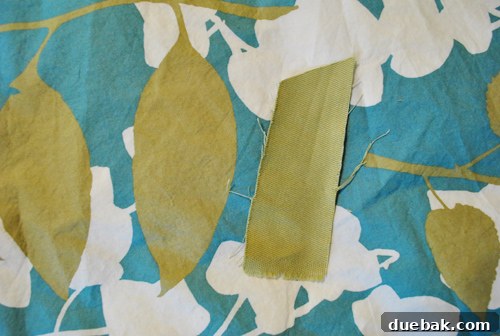
For us, this discovery was a monumental relief. The fabric was remarkably close to the duvet’s golden-green, yet possessed a slightly cheerier, more avocado-toned green, injecting just the right amount of vibrancy. It featured no dominant pattern, only a subtle rib texture that added depth without distraction. The fabric’s substantial feel, which my wife aptly described as “cotton duck-esque,” assured us of its quality and drape. But the best news was yet to come: Hancock Fabrics was running a 50% off sale! This meant our perfect fabric was also the most affordable option we had encountered throughout our entire three-day search, priced at just $8.49 per yard.
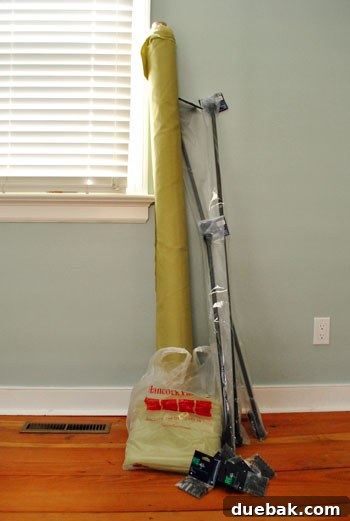
Though it required visiting two Hancock Fabric locations to gather the necessary 12.5 yards (enough for both windows and a closet panel), the effort was well worth it. We returned home, not only thrilled with our find but also incredibly grateful for the patience of our little one, Clara, who proved to be an exceptional car-seat-loving baby throughout our extensive driving. This successful fabric run marked the end of our diligent search.
The Next Chapter: DIY Curtains and Seamless Integration
With our fabric secured, the next exciting phase involves the DIY process: cutting, hemming, and hanging our new curtains. We already took care of the hardware, grabbing curtain rods and ring clips for approximately $40 from Target during Day Two of our expeditions. Based on how beautifully the fabric drapes and complements our existing decor, we are confident that these DIY curtains and our duvet are destined to become fast friends, creating a cohesive and inviting bedroom atmosphere.
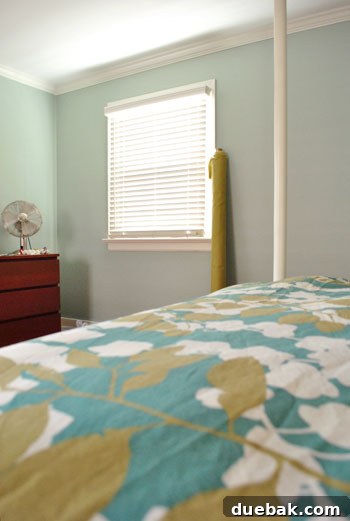
And those charming wrinkles in the duvet? They simply tell a story of a well-loved and frequently enjoyed bed, adding to the room’s lived-in comfort.
Expert Tips for Choosing the Perfect Bedroom Curtains
Our journey to find the ideal bedroom curtains offered valuable insights that we’re happy to share. Selecting the right window treatments can dramatically impact your room’s comfort, style, and functionality. Here are some expert tips based on our experience:
1. Consider Your Room’s Purpose and Desired Mood
Before diving into fabric choices, think about what you want your bedroom to feel like. Is it a cozy retreat, a bright and airy space, or a sophisticated sanctuary? Curtains play a major role in setting this mood. For a restful bedroom, consider calming colors and subtle textures that don’t overstimulate the senses. Our decision to avoid busy patterns was driven by the desire for a serene environment, especially with an existing patterned duvet.
2. Understand Fabric Swatches and Lighting Dynamics
Store lighting is notoriously misleading. A fabric that looks perfect under fluorescent lights might appear entirely different in the natural light of your home. Always bring samples home and observe them throughout the day. Place them against your walls, near the windows, and compare them with existing decor elements like bedding, wall paint, and furniture. This critical step will prevent costly mistakes.
3. The Importance of the “Wall Test”
As we learned firsthand, how a fabric looks flat on a bed can be vastly different from how it appears hanging vertically on a wall. Fabric drapes differently, and light bounces off it from various angles when it’s upright. This “wall test” is crucial for evaluating the true color, texture, and overall impact of the fabric in its intended vertical orientation. Don’t skip this step!
4. Evaluate Pattern and Texture Carefully
If you have existing patterns in your room, like a patterned duvet or rug, choose curtains that complement rather than compete. Solids with interesting textures (like our chosen subtly ribbed “cotton duck-esque” fabric) can add depth and warmth without visual clutter. If you opt for patterns, ensure they are in a harmonious scale and color palette with other elements in the room to maintain balance.
5. Don’t Forget Functionality
Beyond aesthetics, consider the practical aspects of your curtains. Do you need them for privacy, light control, or insulation? Fabric thickness, lining options (blackout, thermal), and how easily they can be opened and closed are important factors. Our DIY approach allowed us to choose a fabric with a good weight that would provide the desired privacy and light filtering.
6. Measure Accurately and Budget Smartly
Proper measurements are key for professional-looking curtains. Decide on the length (floor-length, pooling, or sill-length) and ensure your curtain rod extends beyond the window frame for a wider, more luxurious look. Factor in the cost of fabric, hardware (rods, rings, clips), and any sewing notions. Hunting for sales, as we did at Hancock Fabrics, can significantly reduce your overall expenditure, making a custom look more affordable.
Conclusion: Crafting Comfort, One Window at a Time
Our journey to create the perfect bedroom curtains was an adventure in design, discovery, and delightful persistence. From the initial vision inspired by our duvet to the extensive fabric hunt and the eventual triumph at Hancock Fabrics, every step reinforced the idea that thoughtful design choices can truly transform a living space. We are now eagerly anticipating the moment our DIY curtains will hang, completing the serene and inviting atmosphere we envisioned for our bedroom. May your own home decor projects be as rewarding and inspire as much joy!
Psst – For a heartwarming story, check out how we made John’s parents misty-eyed by making cute profiles of our niece and nephews here on Babycenter.